TL;DR
The Town of Nederland has approved purchasing Eldora Mountain Resort for $120 million from POWDR, joining a small handful of U.S. municipalities operating ski areas. The deal raises questions about municipal risk exposure and whether revenue bonds backed solely by lift ticket sales can sustain a ski resort in an era of climate uncertainty.
Colorado Town Takes On Ski Resort Ownership
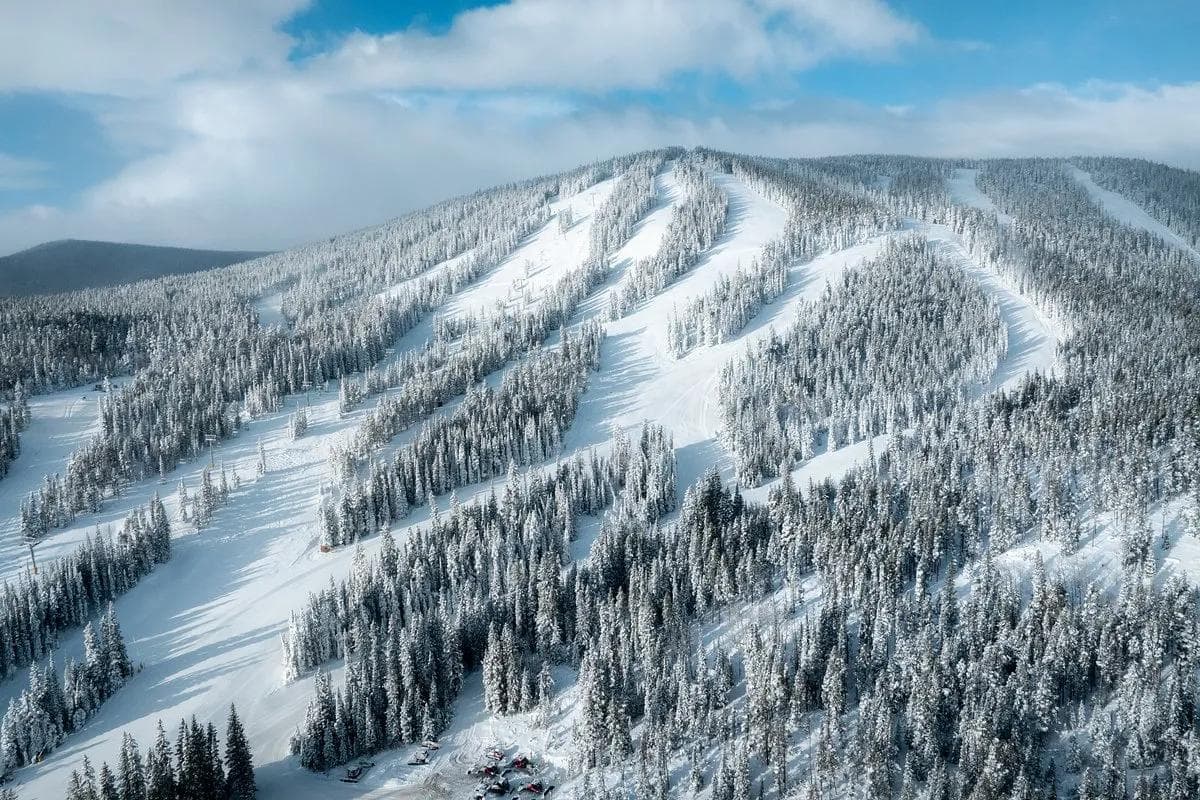
The Nederland Board of Trustees voted unanimously on 6 January 2026 to acquire Eldora Mountain Resort from POWDR for $120 million, positioning the small Colorado town as one of the few U.S. municipalities to own and operate a ski area. The deal marks POWDR's exit from yet another mid-sized property and raises questions about whether municipal ownership models can succeed where corporate consolidation has become the norm.
The transaction structure relies entirely on revenue bonds backed by Eldora's operational income—lift tickets, food service, rentals, and other on-mountain revenue. Nederland officials have been clear that no local tax dollars or general fund money will service the debt, a politically necessary distinction given the town's modest size and the inherent volatility of ski resort economics. Bank of America and RBC Capital Markets are underwriting the bond issuance, though specific interest rates and terms haven't been disclosed publicly.
POWDR will continue operating Eldora through the next two winter seasons before handing operations to 303 Ski, a Colorado-based management company. The transition period is sensible—immediately turning over a ski resort to municipal management without operational expertise would be asking for trouble. Still, the eventual shift means Eldora's roughly 700 employees will become municipal workers, a development that could complicate labour relations and benefits structures down the line.
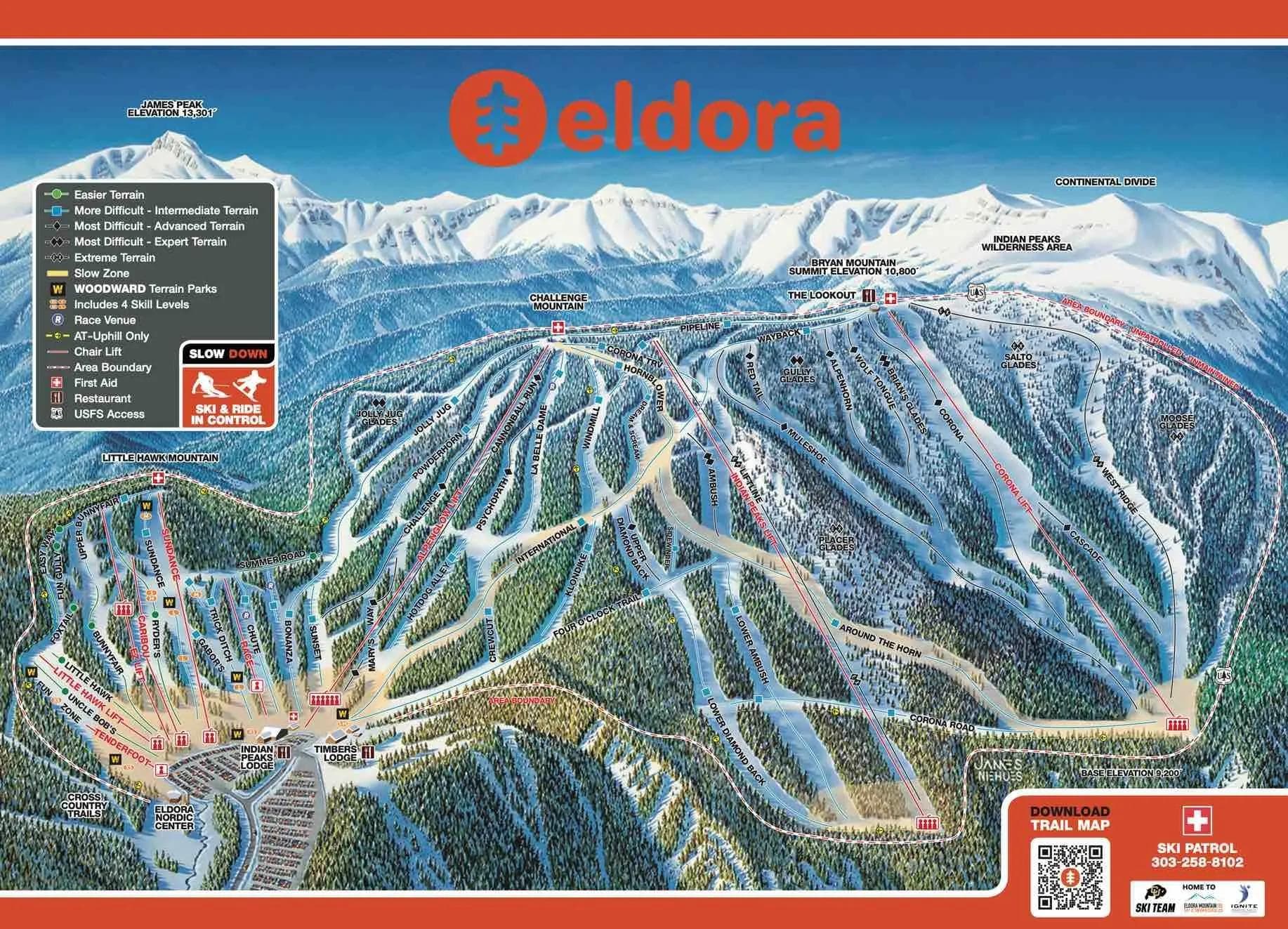
Nederland projects that once the bonds are retired, Eldora could generate over $5 million annually in free cash flow for municipal coffers—money that officials suggest could fund infrastructure improvements and financial reserves. That's the optimistic scenario. The reality is that ski resorts are capital-intensive businesses with unpredictable revenue tied directly to snowfall, and Colorado's snowpack trends aren't reassuring.The town plans to annex Eldora's base area, which would allow Nederland to collect sales tax from on-mountain transactions. Estimates suggest this could generate up to $2 million annually, though that figure depends on sustained visitation and spending levels. The annexation also requires securing a special-use permit from the U.S. Forest Service under substantially the same terms as the current arrangement—federal land management adds another layer of regulatory complexity to an already ambitious undertaking.Maintaining Eldora's Ikon Pass status has been flagged as a priority, given the resort's proximity to Denver and reliance on metro-area skiers and riders. The Denver Post reports that a new agreement with Alterra Mountain Company is pending, though details haven't been finalised. Losing Ikon access would be a significant blow to visitation numbers, particularly as pass products continue to dominate the industry's distribution model. Whether Alterra sees value in keeping a municipally owned resort on the pass—or whether Nederland can negotiate favourable terms—remains to be seen.A memo circulated to trustees described Eldora's infrastructure as well-maintained and positioned for sustainable operations. That assessment may be accurate, but it's worth noting that deferred capital expenditure is a common issue at mid-tier resorts, and municipal budgets aren't typically equipped to handle multi-million-dollar lift replacements or snowmaking upgrades.