TL;DR
Two British skiers died in a Val d'Isère avalanche whilst skiing off-piste with a guide during a rare red avalanche alert. French authorities have launched a manslaughter investigation into the incident that killed Stuart Leslie, 46, and Shaun Overy, 51.
Off-Piste Deaths During Red Alert Prompt Investigation
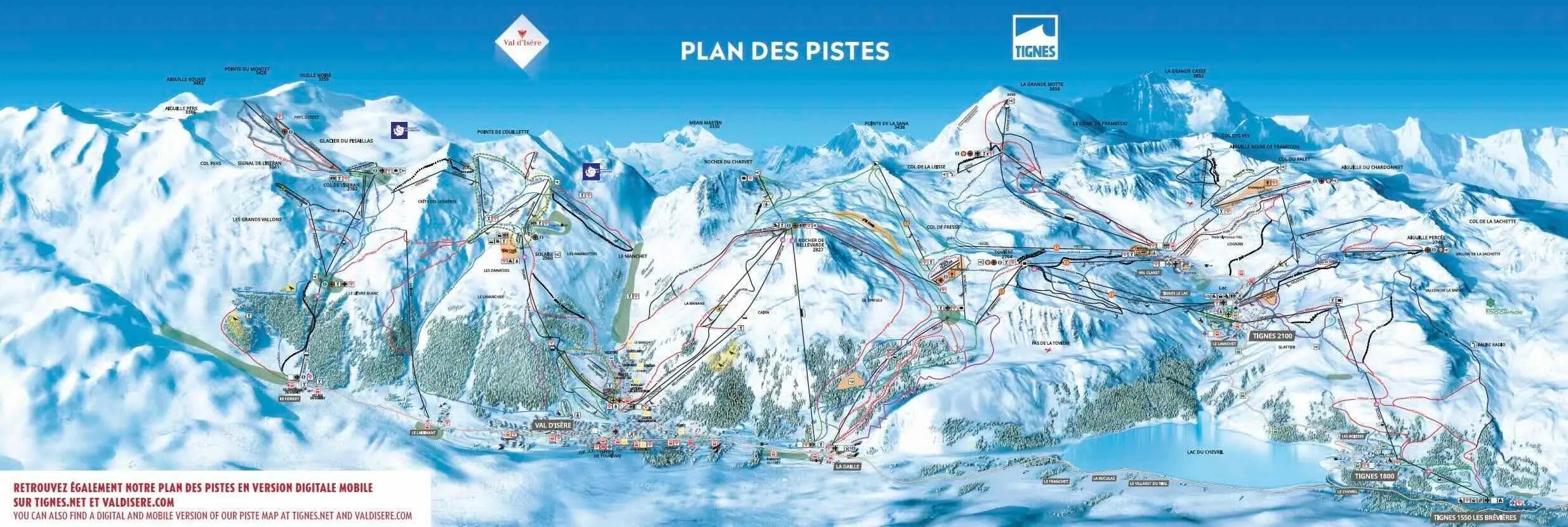
French prosecutors have opened a manslaughter investigation after two British skiers died in a Val d'Isère avalanche whilst skiing off-piste with a professional instructor during a red avalanche alert. Stuart Leslie, 46, and Shaun Overy, 51, were part of a guided group of five when they were caught in the slide on Friday. A French skier touring alone also died in the same incident.
The deaths occurred just one day after France's national weather service issued a red avalanche alert – only the third such warning in the 25-year history of the alert system. That detail alone should prompt serious questions about the decision-making process that led a professional guide to take clients into off-piste terrain under such conditions. The instructor, who was uninjured and tested negative for drugs, will presumably face scrutiny over whether commercial pressures or client expectations influenced the route selection.
Another British skier in the group survived, though details about their condition and the specific circumstances of their escape haven't been released. The prosecutor's investigation will likely examine whether standard protocols were followed and whether the group should have been in that terrain at all.
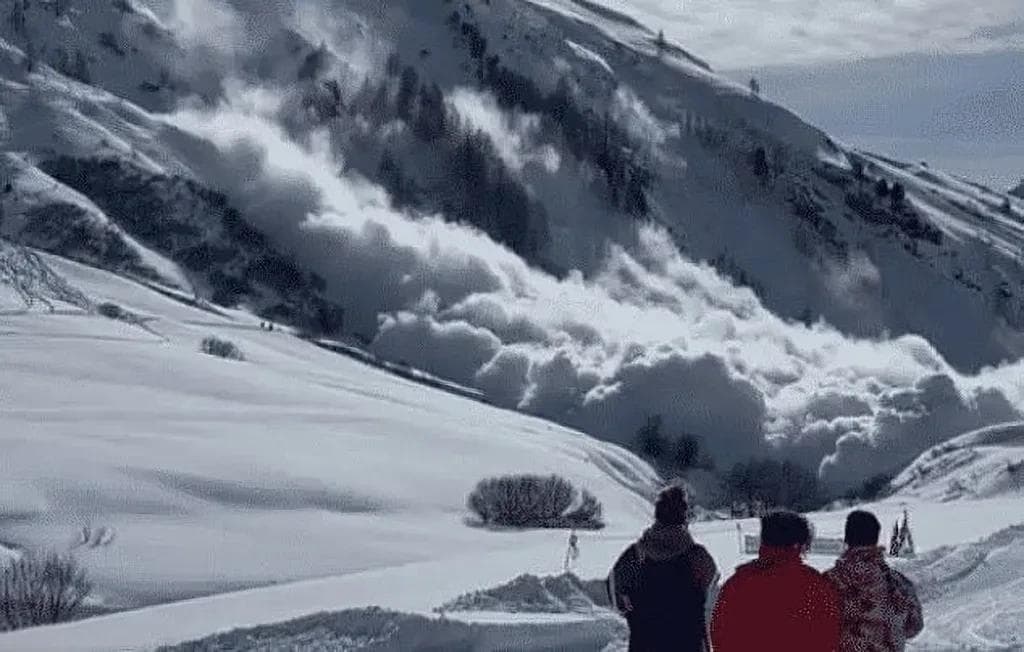
This incident isn't isolated. Another British skier in his 50s died in an avalanche at La Plagne in January – also in the French Alps and also during a period of heightened avalanche risk. Thirteen backcountry users died in Italian mountains during the first week of February alone due to unstable snow conditions. A train was derailed by a snow slide in Switzerland on Monday, underlining just how serious conditions have been across the western Alps this season.The frequency of these incidents raises uncomfortable questions about the gap between avalanche warnings and actual behaviour on the ground. Red avalanche alerts are extraordinary events – France has issued only three in 25 years. Yet guided groups were still operating in off-piste terrain. Whether this reflects inadequate enforcement, unclear guidelines for professional operators, or simply poor judgement remains to be seen.The guide industry operates in a grey area during high-risk periods. Guides face commercial pressure to deliver the powder skiing their clients have paid for, particularly when those clients have travelled internationally and have limited time. But the professional obligation to refuse dangerous outings should theoretically override those pressures. The investigation will likely examine whether that happened here.