TL;DR
A full-depth avalanche on a marked powder run at Madarao Kogen injured four skiers and riders on February 28, raising questions about inbounds avalanche risk during warm weather conditions. The slide occurred despite morning inspections showing no warning signs.
Inbounds Avalanche at Japanese Resort Raises Questions About Warm-Weather Snowpack Stability
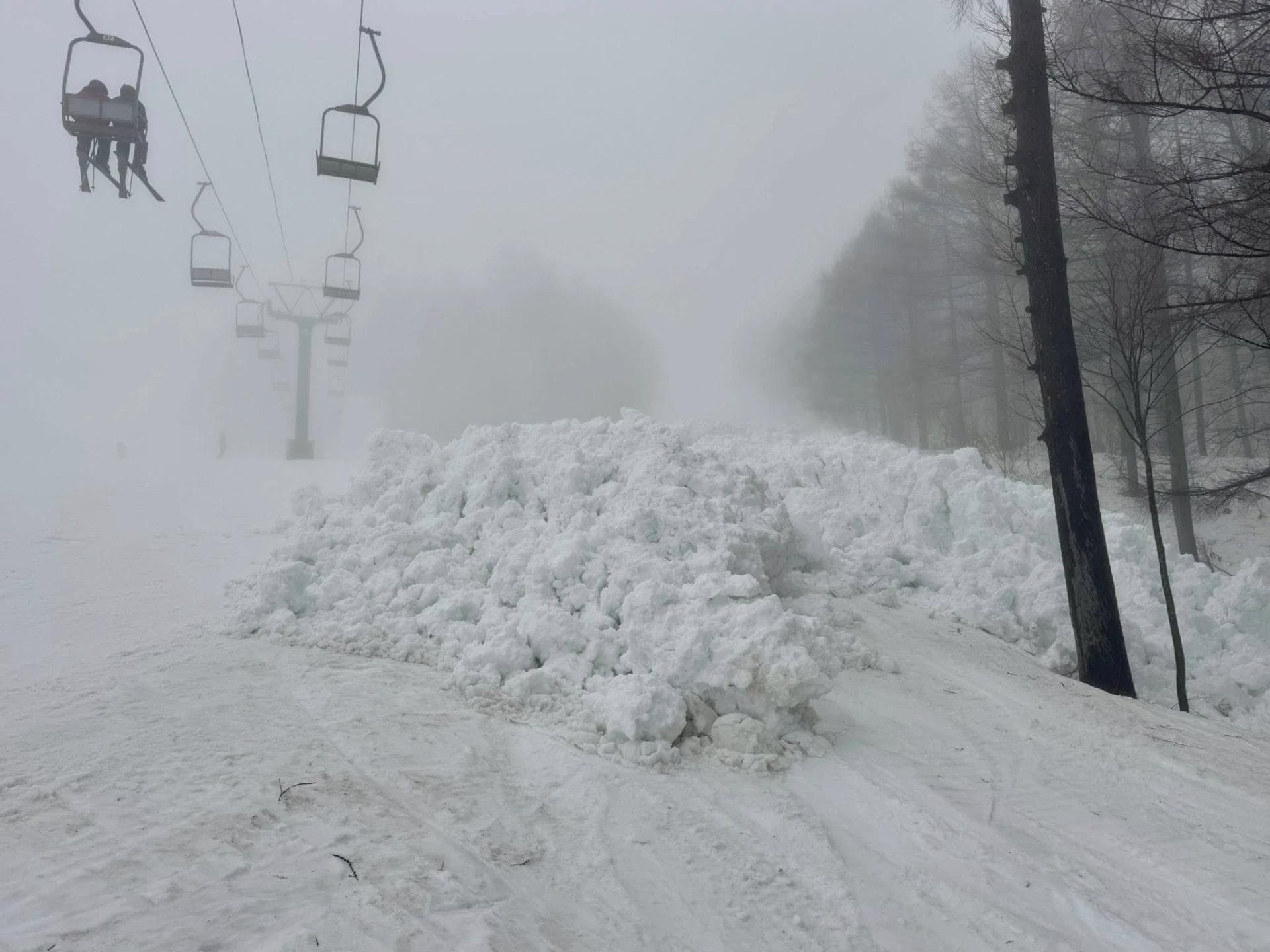
Four people sustained serious injuries when a full-depth avalanche released on a marked powder run at Madarao Kogen on February 28, despite the terrain being within the resort boundary and subject to regular patrol inspection. The incident occurred around 2:00 PM on the resort's "Powder Line Course" - designated as Course No. 14 - in conditions that included light rain, 4°C temperatures, and fog.
The five people caught in the slide were rescued within an hour by a 21-person team including police, fire personnel, ski patrol, and rescue dogs. Injuries included a pelvic fracture sustained by a 14-year-old Japanese boy, multiple broken ribs for his father, and ankle fractures for two Taiwanese visitors in their 30s and 40s. All four injured parties were transported to hospital.
What makes this incident particularly concerning is that patrol inspections conducted that morning found no visible warning signs - a departure from typical full-depth avalanche behaviour, which usually telegraphs instability through observable glide cracks in the snowpack.
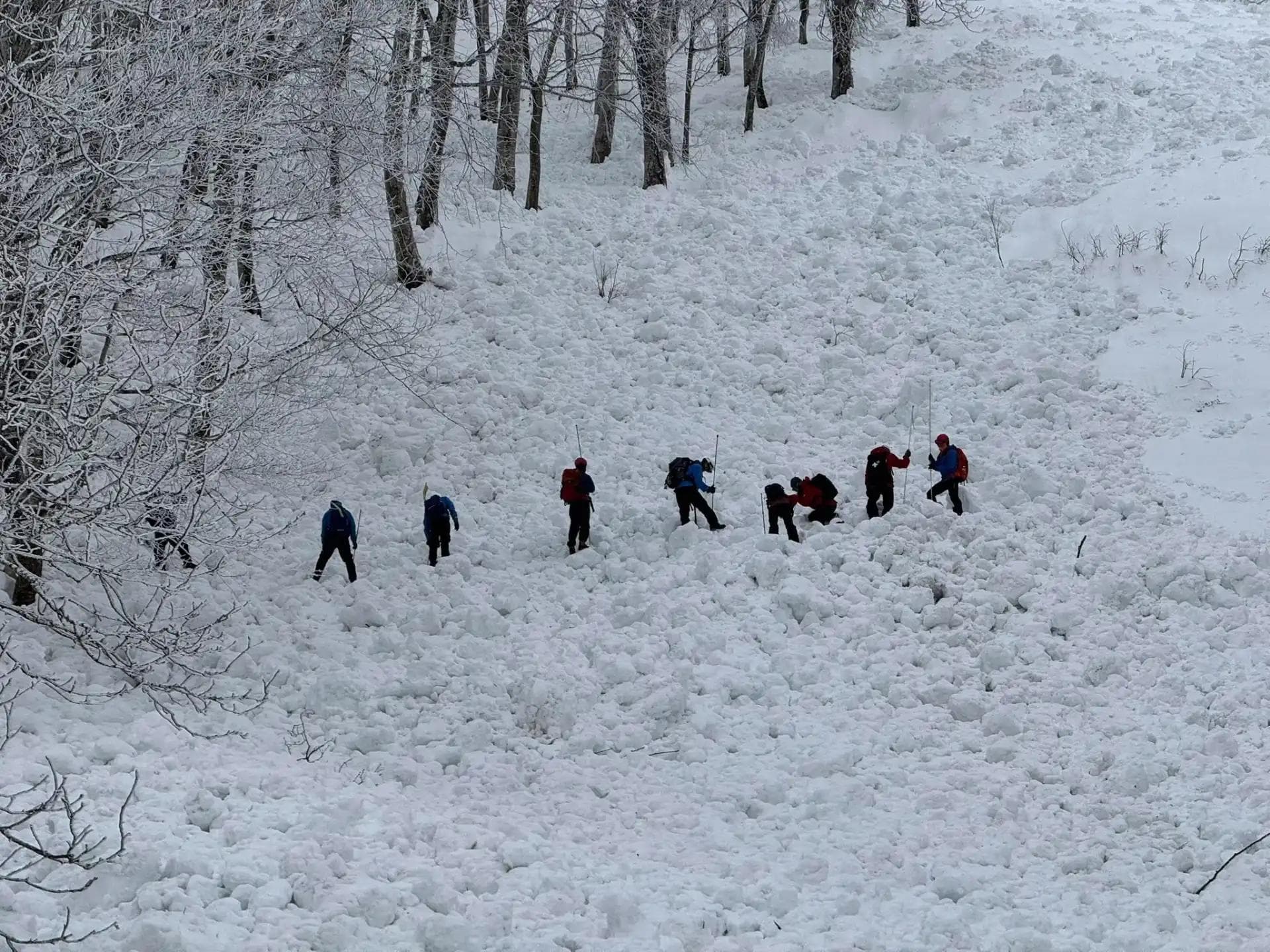
The resort's drone survey measured the avalanche at 185 metres wide at the crown, extending 600 metres down the slope with debris spreading to 320 metres wide at the runout zone. Those are significant dimensions for an inbounds slide on patrolled terrain.Madarao Kogen, located in Myoko City in Niigata Prefecture about 150 miles northwest of Tokyo, operates in an area known for heavy snowfall. The resort has built its reputation partly on offering accessible powder skiing through gladed terrain - the kind of product that attracts riders looking for off-piste conditions without leaving resort boundaries.Full-depth avalanches, which release all the way to ground level rather than failing at a weak layer within the snowpack, typically develop over extended periods and show visible evidence before releasing. The fact that this one occurred without observable precursors suggests either that warming conditions accelerated the failure process or that the glide cracks weren't visible from inspection vantage points.The resort acknowledged that above-normal temperatures in the two days preceding the avalanche likely contributed to snowpack instability. Running rain on snow at 4°C creates textbook conditions for rapid warming and weakening of the snow structure. The presence of standing trees along the avalanche path indicates the failure expanded progressively rather than releasing the entire slope simultaneously - which likely prevented an even larger slide.Resort management suspended operations on three lifts the following day for safety assessments and search operations. As of March 1, authorities confirmed no additional missing persons.