Vail Resorts CEO Purchases $5 Million in Company Stock as Share Price Continues Multi-Year Decline
Published Date:
Vail Resorts CEO makes personal stock purchase amid ongoing share price decline
Vail Resorts CEO Rob Katz has purchased approximately $5 million in company stock, bringing his personal holdings to nearly $40 million. The purchase comes as Vail's share price continues a five-year slide that has seen it drop to roughly a third of its November 2021 peak value. Katz reportedly bought most shares at around $131 on 16 March, with the stock briefly rising to $144 before settling back to approximately $136 by midweek.
The timing is notable. It follows criticism from Late Apex Partners, an independent investment group, which pointed out in early 2025 that former CEO Kirsten Lynch never purchased a single share during her tenure, and that no board member had bought stock in the previous five years. According to MarketBeat data, institutional investors and hedge funds now control almost 95% of Vail's stock.
Vail Resorts has spent more than $1 billion on stock buybacks since 2022. Companies typically pursue these programs to reduce share supply and artificially support prices, but the strategy hasn't delivered for Vail. Despite the substantial buyback spending, the share price has continued its downward trajectory. The company is currently carrying more than $3 billion in debt, which raises questions about capital allocation priorities during a period of operational challenges.
From a corporate finance perspective, the disconnect is instructive. When a company spends heavily buying its own shares while the price keeps falling, it suggests the market's concerns run deeper than simple supply and demand mechanics. The fundamentals matter, and Vail's fundamentals include mounting operational criticism from customers.

The share price decline reflects more than just financial metrics. Vail Resorts has developed significant reputation problems over recent years, with widespread customer complaints about service quality, lift operations, and value for money across its resort network. Epic Pass sales and skier visits are now showing signs of slippage, translating the reputational damage into measurable business impact.
Since returning as CEO, Katz has made limited visible efforts to address these customer experience issues. The focus appears to remain on financial engineering rather than operational improvements. For Australian skiers and riders who've experienced resorts in Europe, Japan, or North America, the contrast with Vail's approach is stark. Many international resorts competing for the same customers prioritise on-mountain experience and service levels that justify their pricing.
When a CEO buys company stock, it's meant to signal confidence to investors. The optics matter in corporate governance. However, the substance matters more. A $5 million purchase by someone with existing holdings of $35 million represents a relatively modest increase in personal exposure, particularly for someone in Katz's position who presumably has detailed insight into the company's prospects.
The purchase does address one specific criticism from Late Apex Partners about leadership skin in the game. Whether it addresses the broader concerns about business direction is another question entirely.

The fundamental challenge facing Vail Resorts isn't one that stock buybacks or CEO share purchases can solve. When customers are voting with their wallets by reducing visits and reconsidering Epic Pass renewals, the solution requires operational and cultural change, not financial engineering.
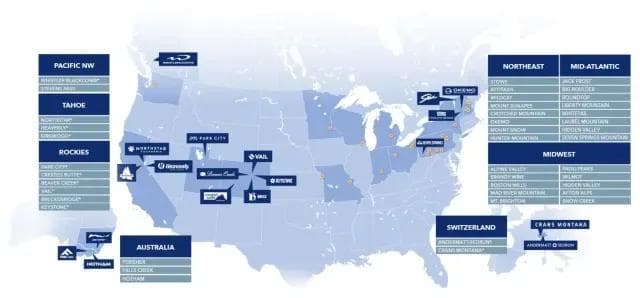
For skiers and riders watching this situation, it's relevant context when considering where to direct your international ski trip budget. Vail operates major resorts across North America including Whistler Blackcomb, Park City, and numerous Colorado properties. The company's strategic decisions about capital allocation versus customer experience investment will ultimately determine whether these resorts maintain their competitive position.
The stock market's continued scepticism despite $1 billion in buybacks suggests investors don't believe the current approach is working. Share price recovery will likely require demonstrable improvements in customer satisfaction, service delivery, and operational execution across the resort network. Until those fundamentals improve, financial manoeuvres look like rearranging deck chairs rather than addressing the underlying issues.
Whether Katz's leadership can deliver the necessary cultural shift remains to be seen. His stock purchase puts more of his personal wealth on the line, which creates alignment with shareholders. But skiers and riders don't care about share price performance. They care about lift reliability, snow grooming, food quality, and whether the experience justifies the cost. That's the reputation problem Vail needs to fix, and it won't be solved with SEC filings.