SnowStash Logo
AustraliaCanadaEuropeJapanNew ZealandUnited StatesNews
Sign InSign Up Free

Contact Us

hello@snowstash.com

Download Our App

Download on the App Store

Company

About UsWork With UsPrivacy PolicyMobile App

© 2026 Snowstash. All rights reserved.

    Back to News
    Vail Resorts Reports 25% Drop in Rocky Mountain Skier Visits

    Vail Resorts Reports 25% Drop in Rocky Mountain Skier Visits

    Published Date: April 24, 2026

    Michael Fulton

    Michael Fulton

    Melbourne-based skier and snowboarder with 50+ resorts across 5 continents. Specialises in Australian resorts and international resort comparisons.

    50+ resorts visited15 years skiing

    Categories

    Rocky Mountains
    Colorado
    Vail Resorts
    United States

    Vail Resorts Discloses Major Visitation Decline Across Rocky Mountain Properties

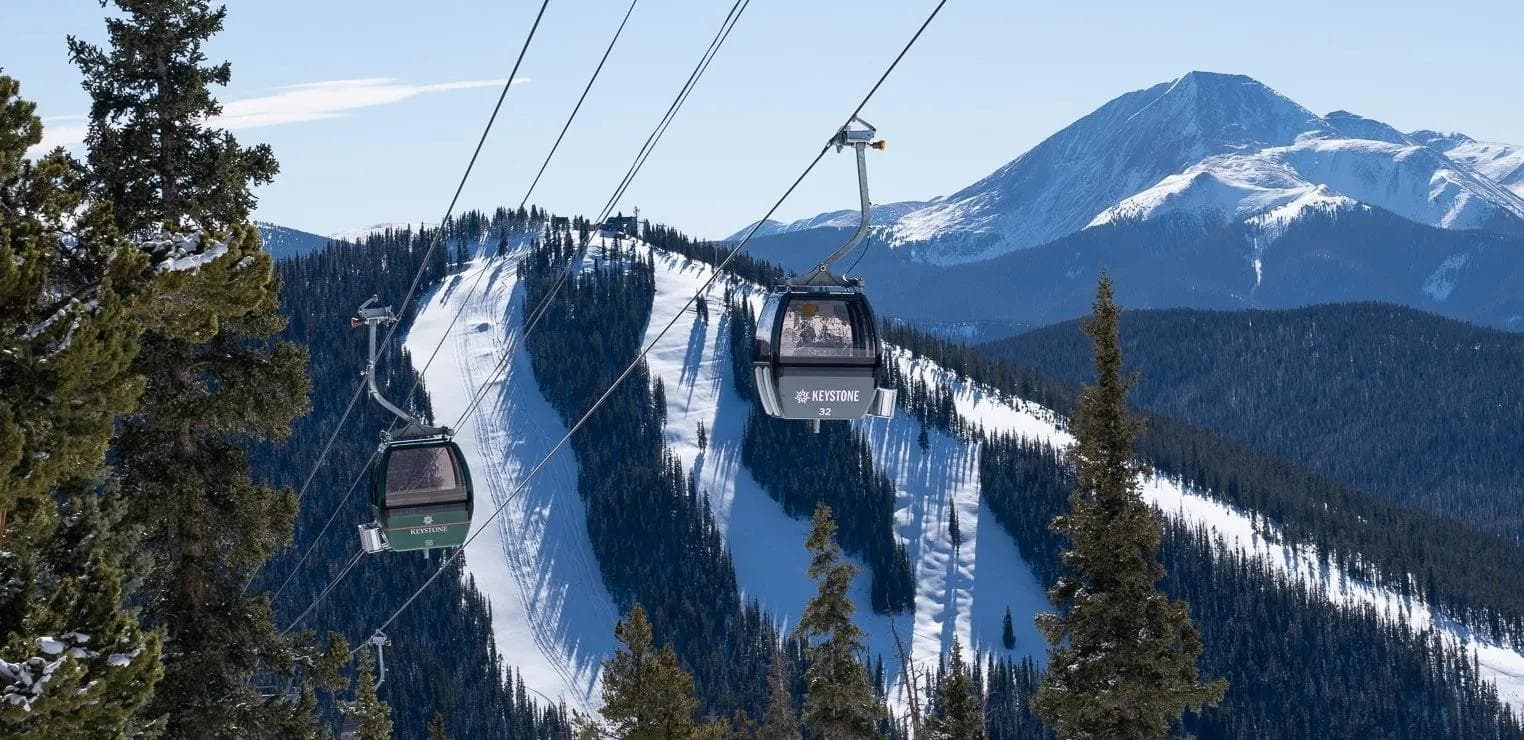
    Vail Resorts has reported a 25% drop in skier visits across its Rocky Mountain ski areas through 19 April 2026, marking one of the most significant declines in the company's recent history. The company's 37 North American resorts collectively saw visits fall just under 15% compared to the previous season, with lift revenue down 5.6% for the comparable period.

    The disclosure came as part of the company's financial reporting, with CEO Rob Katz describing the 2025/2026 winter as "one of the most challenging winters in history across the western U.S." The weather impact forced early closures at several properties, with Beaver Creek shutting two weeks ahead of its scheduled 12 April closing date, and Vail Mountain closing on 8 April rather than its planned 19 April date.
    Revenue Impact Across Multiple Segments

    The visitation decline translated to revenue drops across Vail Resorts' North American operations. Ski school revenue fell 12%, dining revenue dropped 11.7%, and retail and rental revenues declined 6.6% compared to the previous season. The company attributed these figures to record low snowfall and historically warm temperatures that persisted throughout the season, with March conditions continuing the pattern rather than delivering the typical late-season snow that often salvages poor early-season performance.

    Vail Resorts doesn't release individual resort figures, which makes it difficult to assess exactly which properties bore the brunt of the decline beyond the Rocky Mountain designation. The 25% drop in the Rockies - where the company's flagship resorts operate - significantly outpaced the 15% North American average, suggesting either better performance at coastal properties or that the company's eastern resorts helped cushion the overall numbers.
    Early Season Pass Sales Show Decline

    Perhaps more concerning for the company's forward outlook, spring season pass sales for the 2026/2027 season showed weakness through the 12 April deadline. Katz reported "a moderate decline in pass product units and a slight decline in sales dollars," though he noted it remains early in the sales cycle with the first major pricing deadline still to come in May.

    The distinction between unit sales and dollar sales is worth noting - it suggests either a shift in product mix towards higher-priced passes or price increases offsetting some of the volume decline. Either way, selling fewer passes after a disastrous season isn't exactly surprising, though the company will be hoping performance improves as memories fade and the next season's snow conditions remain unknown.

    Financial Guidance Lowered

    Vail Resorts now expects its Resort Reported EBITDA for fiscal 2026 to land at or around the low end of the guidance range issued on 9 March 2026. The company had already factored in poor early and mid-season conditions when issuing that March guidance, but the continuation of warm, dry weather through what should have been a strong closing period forced the downward revision.

    What the Numbers Mean for the Industry

    A 25% visitation decline at major Rocky Mountain resorts represents more than just a bad year - it's the kind of number that prompts questions about climate trends and operational resilience. Vail Resorts operates some of North America's highest-profile properties with substantial snowmaking infrastructure, yet still couldn't maintain normal operating schedules.

    The company's decision to disclose these figures (which it isn't required to report at the individual resort or regional level) likely reflects the magnitude of the impact and the need to prepare investors for weaker financial results. The modest decline in season pass sales suggests most passholders understand that one poor season doesn't necessarily predict the next, though the company will be monitoring those May deadline numbers closely.

    For skiers and riders booking trips for 2026/2027, the situation serves as a reminder that even large resort operators with significant resources can't control the weather. The real test will be whether this represents an anomaly or the beginning of a pattern that forces operational changes across the industry. Given that we're looking at a future article date, the answer to that question presumably becomes clearer as the 2026/2027 season unfolds.

    Latest News

    Powder Mountain Private Side Announces $157 Million Development Phase

    Powder Mountain Private Side Announces $157 Million Development Phase

    Apr 30, 2026

    Australia's Newest Chairlift is Spinning as 2026 Ski Season Nears

    Australia's Newest Chairlift is Spinning as 2026 Ski Season Nears

    Apr 30, 2026

    Arapahoe Basin Closes May 3 After 194-Day Season in Difficult Snow Year

    Arapahoe Basin Closes May 3 After 194-Day Season in Difficult Snow Year

    Apr 25, 2026

    Breckenridge Reopens Peak 8 for One-Day Peaks and Beats Event

    Breckenridge Reopens Peak 8 for One-Day Peaks and Beats Event

    Apr 25, 2026

    New Zealand's 2026 Ski Season Opens Early as Hanmer Springs Surprises with April Turns

    New Zealand's 2026 Ski Season Opens Early as Hanmer Springs Surprises with April Turns

    Apr 23, 2026