
The Overview
Michael Fulton
Melbourne-based skier and snowboarder with 50+ resorts across 5 continents. Specialises in Australian resorts and international resort comparisons.
Mount Lemmon Ski Valley holds a geographic distinction shared by no other ski area in the United States: it is the southernmost ski destination in the continental US, sitting at 9,157 feet in the Santa Catalina Mountains of the Coronado National Forest at roughly the same latitude as Dallas, Texas and approximately 80 miles from the Mexican border. The ski area covers 200 acres across 22 runs with a 950-foot vertical drop from the summit to the 8,200-foot base, with terrain breaking down as 29% beginner, 47% intermediate and 24% advanced — a profile weighted toward accessible, varied skiing rather than extreme challenge.
Three lifts serve the mountain: two double chairlifts and one surface lift with a combined uphill capacity of around 2,000 skiers per hour. Mount Lemmon does not groom its slopes — the terrain runs on natural snow only, which gives the ski area a distinct character compared to resort-managed mountains and rewards visits in the days immediately following a winter storm when the powder is fresh and undisturbed.
The ski area has operated since the late 1940s and sits within a landscape that has no real equivalent in American skiing: the drive up the Catalina Highway from Tucson climbs through multiple biotic zones in under an hour — Sonoran Desert scrub at the city's edge giving way to oak woodland, then pine and fir forest at the ski area — a transition in ecosystem equivalent to driving from Mexico to Canada in elevation terms.
On a clear day from the summit chairlift, the view extends across the full Tucson basin and the San Pedro Valley to the east, with the mountains near Globe and Phoenix visible on the horizon. The Iron Door Restaurant at the base area and the nearby mountain village of Summerhaven at 7,600 feet provide the primary on-mountain services and overnight accommodation options.
748ft
Vertical
22
Runs
200 acres
Skiable
14ft
Annual snow
The Terrain
22 runs across 200 acres skiable
Mount Lemmon Ski Valley is the southernmost ski area in the continental United States, set in the Santa Catalina Mountains above Tucson. It is a small hill, with 22 runs over about 200 acres (81 hectares), a base at 8,270 feet (2,522 m) and a summit at 9,020 feet (2,750 m), giving a vertical of roughly 750 feet (228 m). Intermediates take 47% of the trails, beginners 29% and advanced skiers 24%, with no expert terrain. Two double chairs and a t-bar do the work, and average snowfall of about 170 inches means the season depends entirely on natural snow.
There is no snowmaking and the slopes are not groomed, so skiing here is about soft, natural snow and the days right after a storm. The runs are short, with the longest roughly 8,500 feet, and the gentle pitches suit beginners and intermediates. Advanced skiers will find a few steeper lines, but the mountain is small and conditions can change quickly. The ski season is often short, so visitors should check conditions before driving up. Mount Lemmon suits Tucson locals and curious travellers after a novelty day, with desert-to-pine scenery and views over the basin.
Terrain split
22
runs
22 runs across 4 grades
Beginner6 runs · 29%
Intermediate10 runs · 47%
Advanced5 runs · 24%
Expert0 runs · 0%
Time it right
When to visit Mount Lemmon
Mount Lemmon operates from mid-December through to late February or early March, with the 2025/26 season running 14 December to 27 February — a shorter window than most US ski areas reflecting both the mountain's southerly latitude and its reliance on natural snowfall without the backing of snowmaking infrastructure.
The summit receives an average of approximately 180 inches of snowfall annually, delivered primarily through winter storm systems that push moisture north from the Gulf of Mexico and the Pacific, producing heavy, often wet snow at the lower elevations of the Santa Catalinas and drier, lighter powder higher on the mountain. The most reliable period for quality snow conditions is typically January and early February, when temperatures at 9,000 feet remain consistently cold and storm frequency is at its peak for the region.
The seasonal rhythm at Mount Lemmon is unlike that of any other ski area in the country. On days when the mountain is open and conditions are good, Tucson residents can leave the desert floor at 70°F and be on snow within an hour. The same afternoon, it is physically possible to ski in the morning and play golf or swim in the Tucson valley in the afternoon — a combination the resort has traded on for decades and that remains one of the more unusual day-trip propositions in American skiing.
Because the mountain does not groom, the best skiing follows storm cycles directly, and conditions can vary significantly within a single week. Checking the webcam feeds from the summit and the base area before making the drive is a practical necessity that the resort's local following understands well.
Season 2025 - 2026
14 Dec 2025
Opens
27 Feb 2026
Closes
75
Days open
14 ft
Annual snow
Getting there
Getting to Mount Lemmon, and where to stay
Mount Lemmon Ski Valley sits in the Santa Catalina Ranger District of the Coronado National Forest, approximately 41 miles northeast of downtown Tucson via the Catalina Highway — also known as the Sky Island Parkway — a paved, scenic mountain road that climbs 6,000 feet from the desert floor to the ski area turnoff in around 30 miles.
The drive takes roughly one hour under normal conditions, though the road can close temporarily following heavy snowfall requiring chains or 4WD for safe passage, and road conditions are monitored via the Pima County Sheriff's 24-hour hotline during the ski season. Tucson International Airport is the nearest gateway for visitors flying in, with connections from major US hubs, placing the ski area within 90 minutes of most Tucson accommodation options.
The broader Mount Lemmon massif is a designated Sky Island — one of a series of isolated mountain ranges rising sharply from the surrounding desert that support distinct ecological communities found nowhere else at these latitudes in the United States.
The nearby village of Summerhaven at 7,600 feet provides limited overnight accommodation and dining immediately adjacent to the ski area for visitors looking to avoid the Tucson round-trip. The Mt. Lemmon SkyCenter Observatory, operated by the University of Arizona higher on the mountain, offers public stargazing programmes that can extend a ski visit into an evening, with the summit's altitude and distance from city light pollution making for exceptional night sky visibility.
For visitors combining the ski area with broader southern Arizona travel, the Mexican border crossing at Nogales is around two hours south of Tucson, and the Saguaro National Park West and East districts bracket the city within 30 minutes.
Where to stay
Search all stays →Hotels and lodges near Mount Lemmon, powered by Stay22.
Latest News
From the SnowStash desk

Vermont Ski Resort Opening Dates 2026-27: Few Dates Set, Killington Waits on the Cold
Vermont's season is slow to take shape. Stratton is tentatively targeting 18 November and Sugarbush 21 November, while Pico has Friday 11 December on the calendar. Killington never sets a date and opens when the snowmaking allows, and Vail Resorts has yet to name days for Stowe, Okemo and Mount Snow. The forecasts disagree about snow, and the main El Niño worry for the Green Mountains is warmth.
9 Oct 2026
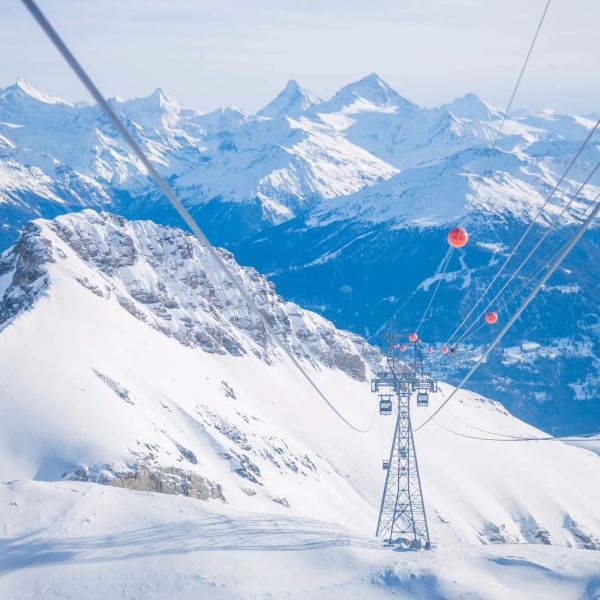
Crans-Montana 2027 World Championships President Resigns Ahead of Fraud Hearing
Less than four months out from the Crans-Montana 2027 World Championships, the man running the organising committee has stepped down. Claude-Alain Schmidhalter resigned as Swiss-Ski vice president and OC president after being indicted over a business dispute unrelated to skiing. He denies the allegations and faces court on October 27. Interim leaders are in place for the February 1-14 event.
9 Oct 2026
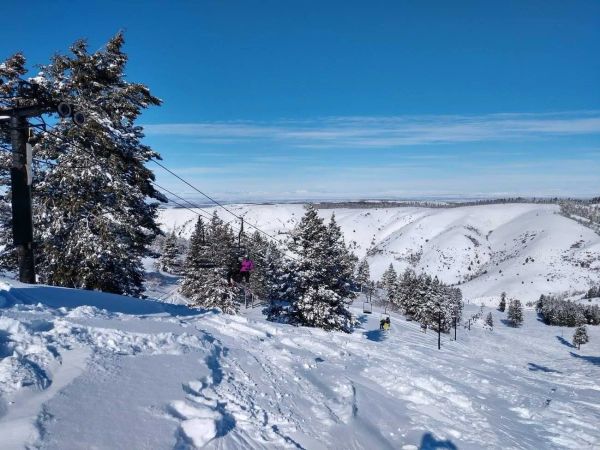
Kelly Canyon, Idaho, Adds Snowmaking, a Bigger Terrain Park and More Parking for 2026-27
Kelly Canyon had a rough 2025-26, and the Idaho resort has spent the summer making sure it doesn’t repeat. Snowmaking now reaches the top of Goldrush, the terrain park is doubling in size with a stereo system, lights and a snack shack, and the car park is getting bigger. Grooming is stepping up too. Target opening is December 4, conditions permitting.
9 Oct 2026
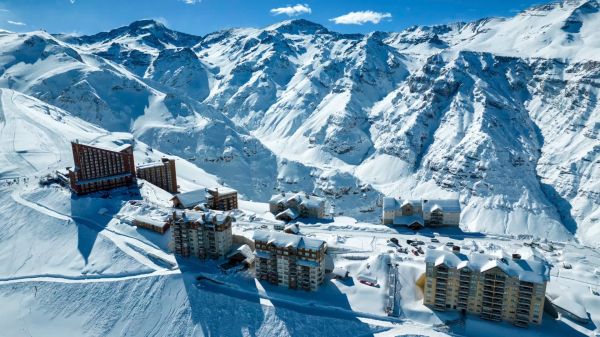
Valle Nevado Extends Season to November 8 After 108 cm in 48 Hours
Winter was meant to be winding down in Chile. Then Valle Nevado took 108 cm in 48 hours in early October, and the resort has pushed its closing date out to November 8 - its latest in 38 years of operation. That makes 143 days of skiing since opening day on June 19, with 690 cm banked for the season. Only part of the mountain is running while the storm settles, so check the mountain report before you plan a trip.
9 Oct 2026
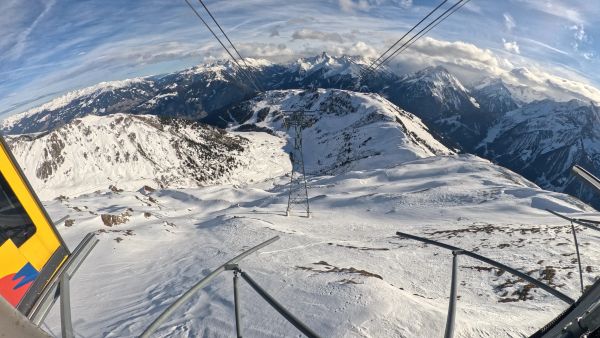
Alps Snow Forecast: Cold Front Brings Thursday Snow to the High Alps
The Alps look a lot more like winter today, for a day or so. A cold front is moving west to east, dropping up to 35 cm on high glaciers and peaks, with snow levels falling to around 1,500-1,800 m at times. Don’t plan a trip around it: mid-elevation snow will be thin and wet, every area is closed bar a limited Sölden glacier opening tomorrow, and warmer weather returns by Monday.
8 Oct 2026
California Ski Resort Opening Dates 2026-27: Mammoth Leads, Tahoe Follows
Mammoth Mountain is first up in California, targeting Friday 13 November after a dusting of September snow. Heavenly and Northstar follow on 20 November, Palisades Tahoe on Wednesday 25 November and Sugar Bowl on 27 November, with Kirkwood on 4 December and June Mountain on 19 December. Plenty of smaller areas have no date yet. A super El Niño favours the Sierra, but a warmer storm track is the catch.
7 Oct 2026
Colorado Ski Resort Opening Dates 2026-27: A-Basin and Keystone Race to Be First
Arapahoe Basin, Keystone and Winter Park are all chasing an October start, though none has a firm date yet. The first dated openers are Breckenridge and Copper on Friday 6 November, then Vail on 13 November, with most of the rest bunched around US Thanksgiving. Hesperus did not open at all last season. A super El Niño offers hope but no guarantee, and forecasters say the southern mountains have the better odds.
5 Oct 2026
Dolomiti Superski 2026-27: Four New Gondolas, New Reservoirs and an €89 Peak Day Pass
Dolomiti Superski is spending around €100 million across its 12 areas before winter. Kronplatz gets a new 10-passenger gondola with a middle station, 3 Zinnen gets Helmissimo, and Val di Fassa swaps a chairlift for a gondola above Col Valvacin. New water-storage basins and upgraded snowmaking follow, and construction has started on the San Martino to Passo Rolle link. A peak adult day pass is €89.
4 Oct 2026
Mount Lemmon Lift System
The Mount Lemmon lift network comprises two double chairlifts and one surface lift, a configuration that keeps the mountain straightforward to navigate and largely free of the queuing that affects larger resorts during peak periods. The main double chair accesses the upper mountain terrain from the base area at 8,200 feet, while the second chair serves the intermediate and beginner zones lower on the hill.
The surface lift covers the beginner learning area near the base. All three installations operate at a combined capacity of around 2,000 skiers per hour — comfortably sufficient for the visitor numbers the ski area typically draws from Tucson and southern Arizona.
The chairlifts at Mount Lemmon operate year-round, transitioning to a Sky Ride experience in the summer and autumn months when the slopes are snow-free. The summer Sky Ride provides panoramic views across the Santa Catalinas and the Tucson basin — on clear days extending to the San Pedro Valley and the distant ranges near Globe and Phoenix — making the lift infrastructure a multi-season asset for the ski area and for the broader Summerhaven community it serves.
The absence of snowmaking equipment at Mount Lemmon means the mountain's operational window is entirely dependent on natural accumulation, and the resort's 180-inch average annual snowfall across the summit area is the sole source of skiable cover when the season opens, typically in mid-December.
3lifts across 2 types
2
Double Chairs
1
T-Bar
Mount Lemmon lift system
Mount Lemmon is served by 3 lifts, listed here by type. Check which lifts are turning against the live conditions before you plan your first laps - early lifts and high-speed chairs get you to the best snow fastest.
More Mount Lemmon intelligence: trail map, snow report, webcams, resort overview.