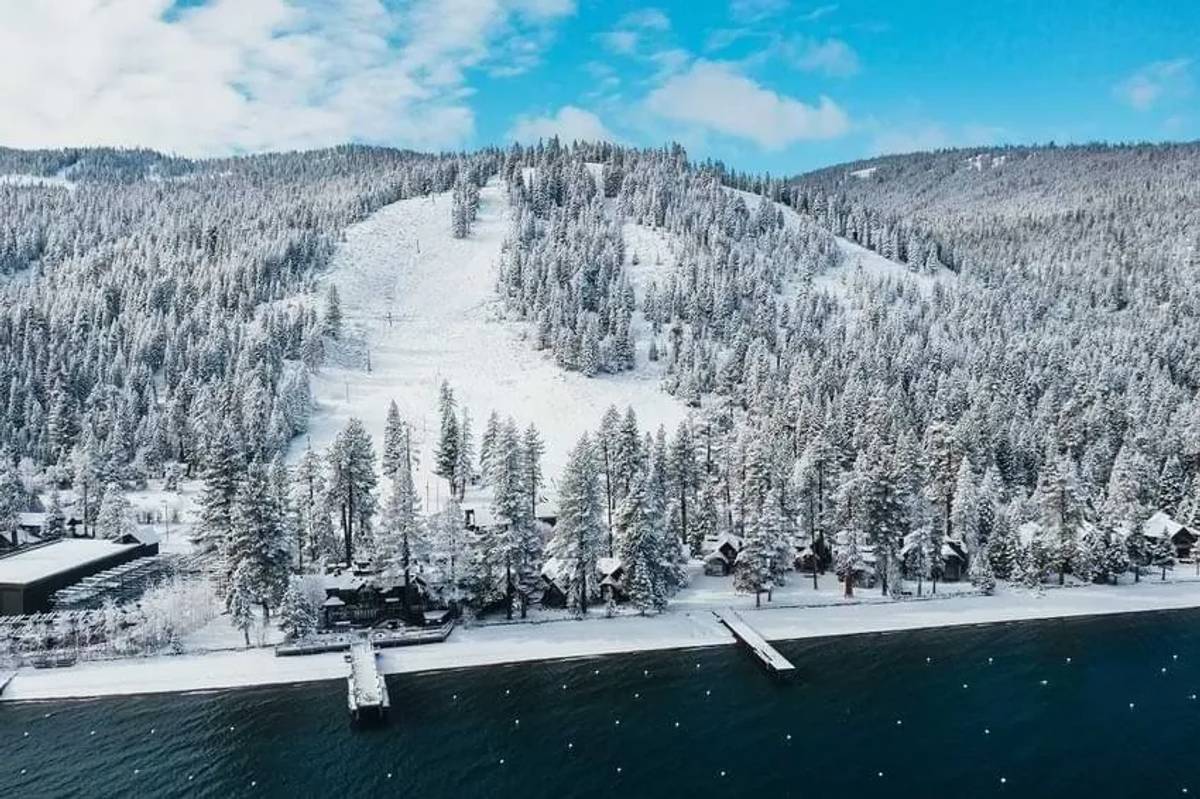
Homewood
510 acres, 67 runs, 503m vertical. Lake Tahoe's only lakefront ski area with east-facing terrain and uncrowded slopes.

Current Conditions→
Season 2026 - 2027
Opens
7 Dec 2026
Closes
17 Mar 2027
Days open
100
Annual snow
450in
The Overview
Michael Fulton
Melbourne-based skier and snowboarder with 50+ resorts across 5 continents. Specialises in Australian resorts and international resort comparisons.
Homewood operates across 510 acres with 67 runs and 503 vertical metres, rising from 1899 metres at the lakefront base to 2402 metres at the summit. The resort averages 11.43 metres of annual snowfall and sits directly on Lake Tahoe's western shore, making it the only ski area in the United States with lakefront access. The mountain faces east, shielding terrain from high-ridge winds whilst offering unobstructed lake panoramas from every run. Opened in 1961 and owned by JMA Ventures since 2006, Homewood operates independently without multi-resort pass affiliations.
Terrain divides into 15 per cent beginner, 40 per cent intermediate, 30 per cent advanced and 15 per cent expert. The 3.2-kilometre Rainbow Ridge run provides gentle cruising terrain for novices, whilst intermediate skiers favour groomed runs off the Old Homewood Express quad. Advanced terrain includes tree skiing through old-growth forest and steep pitches off Ellis Peak, with an additional 340 hectares of guided snowcat terrain available. Ellis Peak shields the mountain from severe storm winds, allowing operations when higher Tahoe resorts close due to weather.
The uncrowded atmosphere contrasts sharply with neighbouring mega-resorts, drawing West Shore locals and skiers seeking a quieter mountain experience. The North Lodge serves as the primary base with the 89 Bar and Grill, whilst mid-mountain dining operates at the Big Blue View Bar near the top of the Madden Chair. Eight lifts distribute skiers efficiently across the compact layout, with minimal queue times even during holiday periods. The relaxed, family-oriented character attracts beginners and intermediates who value accessibility over extensive terrain.
Homewood operates as an independent day-ticket resort with season passes priced from USD 599 for the 2025-26 season, which runs from 7 December 2025 to 17 March 2026. Adult day tickets range from USD 79 on value days to USD 109 during peak periods, with children five and under skiing free. The resort suits families, intermediates and locals seeking Lake Tahoe views without the crowds or expense of larger resorts. Infrastructure modernisation plans include a Doppelmayr eight-passenger gondola to replace the Madden triple chair, though this project has been delayed beyond the current season.
1,650ft
Vertical
67
Runs
510 acres
Skiable
450in
Annual snow
The Terrain
67 runs across 510 acres skiable
Homewood is a 510 acre (206 hectare) ski area on Lake Tahoe's west shore, climbing 1,650 ft (503 m) from a 6,230 ft (1,899 m) base to a 7,880 ft (2,402 m) summit. Its 67 runs split 40% intermediate, 30% advanced, 15% expert and 15% beginner, a steeper profile than most people expect on first sight. Eight lifts serve the mountain from two bases, South Base and North Lodge, including the Old Homewood Express high-speed quad. Open views of Lake Tahoe from the slopes are the signature feature.
Homewood's most challenging skiing is served by the Ellis chair, with Quail Face the standout, featuring steep open bowls and technical tree skiing. The Old Homewood Express is the resort's only high-speed quad and serves some of the best terrain in the upper area. Intermediates will find plenty to like on the mid-mountain slopes served by the Madden chair, with trails such as Lake Louise and The Glades offering rolling terrain that mixes groomers and tree skiing. Homewood suits skiers who want Tahoe scenery on a smaller mountain, along with families, locals and advanced riders who value tree skiing over sheer size.
Terrain split
67
runs
67 runs across 4 grades
Beginner10 runs · 15%
Intermediate27 runs · 40%
Advanced20 runs · 30%
Expert10 runs · 15%
Time it right
When to visit Homewood
The 2025-26 season operates from 7 December 2025 through 17 March 2026, spanning approximately 100 days. Typical seasons run mid-December through mid-April, though the 2025-26 closure came early due to an unseasonably warm March that melted the snowpack. Historical data shows Homewood usually operates December to April when conditions permit. The resort's relatively low base elevation of 1899 metres makes it vulnerable to warm weather events, particularly late-season rain that can rapidly erode snow coverage at lower elevations.
Homewood averages 11.43 metres of annual snowfall, benefiting from its position in Lake Tahoe's western snow belt. The mountain receives approximately 300 days of sunshine annually, with the east-facing orientation providing natural wind protection during storms. Snowmaking covers 51 hectares, primarily concentrated around beginner terrain near the base lodges. The resort's location on the Sierra Crest's western slope allows it to remain operational during high-wind events that force closures at exposed ridgeline resorts, making it a reliable storm-day option.
January and February deliver peak snowfall, with December and March offering variable conditions depending on storm patterns. Spring skiing extends into March during normal years, with corn snow developing on sunny south-facing aspects. The uncrowded nature of the resort means powder stashes persist days longer than at busier Tahoe destinations. Weekdays and non-holiday periods provide the quietest experience, whilst weekends and school breaks see increased but still manageable traffic.
The resort hosts seasonal programming including locals' discount programmes and military appreciation days, with active-duty military personnel skiing free Sundays through Thursdays excluding holidays. Night skiing is not offered. The intimate scale and limited operating days suit day-trippers and West Shore residents more than destination visitors planning week-long holidays. Snow conditions and operational status should be verified before travelling, particularly early and late season when coverage may be marginal at the base elevation.
Season 2026 - 2027
7 Dec 2026
Opens
17 Mar 2027
Closes
100
Days open
450 in
Annual snow
Getting there
Getting to Homewood, and where to stay
Homewood sits on Lake Tahoe's western shore in Placer County, California, directly beside State Route 89 in the small community of Homewood. The resort rises from the lake's edge at 1899 metres to 2402 metres on Ellis Peak, with the Sierra Nevada crest forming the backdrop. The base areas lie just steps from Lake Tahoe's shoreline, creating the unusual dynamic of skiing towards open water. Tahoe City sits 10 kilometres north, whilst South Lake Tahoe lies 37 kilometres southeast via Highway 89 around Emerald Bay.
The West Shore community includes the hamlets of Homewood and Tahoma, characterised by old Tahoe architecture and a quieter residential character than the busier north and south shore developments. Truckee lies 32 kilometres north via Highway 89 and Interstate 80, serving as the primary mountain town for supplies and dining. Kings Beach, Incline Village and Carson City provide additional services within 32 kilometres. The West Shore lacks the commercial density of other Tahoe areas, with limited lodging and dining concentrated in small pockets along the highway.
Access from Reno follows Interstate 80 west to the Highway 89 exit at Truckee, then south through Tahoe City to Homewood - approximately 88 kilometres requiring 85 minutes under normal conditions. From Sacramento, drivers take Interstate 80 east for 192 kilometres to the Highway 89 junction, then continue south - a journey of approximately three hours. San Francisco lies 347 kilometres southwest via Interstate 80, requiring four hours in optimal traffic. Highway 89 can experience closures during heavy snowfall, particularly the southern section past Emerald Bay.
Reno-Tahoe International Airport sits 93 kilometres east, providing the primary air gateway with approximately 67 minutes' drive time. Sacramento International Airport lies 192 kilometres southwest with three-hour transfers. San Francisco International Airport serves long-haul travellers at 347 kilometres distance. Public transport operates via Tahoe Area Regional Transit (TART), connecting Homewood to Tahoe City and surrounding north shore communities. No direct rail service exists, though Amtrak reaches Truckee 32 kilometres north, requiring onward bus connections to reach the resort.
Where to stay
Search all stays →Stays map loads when you scroll here
Hotels and lodges near Homewood, powered by Stay22.
Latest News
From the SnowStash desk
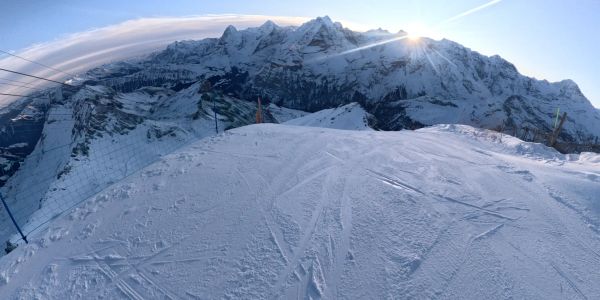
Swiss Avalanche Danger Hits Level 4 From Valais to Glarus
Level 4 of 5 avalanche danger is forecast for Monday 23 November from the Valais Alps to the Glarus Alps, and the SLF says to skip ski touring for now. Engelberg, Leukerbad and the Wildhorn are all on the list, while snow on the Bernina pass sent cars sliding off the road and shut it for two hours on Sunday. Early-season snow is welcome, but it is also what is loading the slopes. Here is where the danger sits and what to do about it.
23 Nov 2026
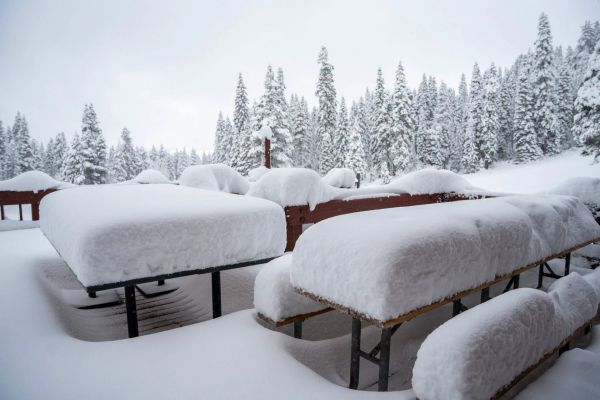
California Storm Cycle Delivers 86 Inches at Sugar Bowl and Pulls Openings Forward
A run of storms, including an atmospheric river, has buried the Sierra Nevada, with Sugar Bowl recording 86 inches (218 cm) between 14 and 20 November. Resorts across California and Nevada have pulled opening days forward after a dismal last winter. Here is what fell, who is open this weekend and what the forecast brings before Thanksgiving.
22 Nov 2026
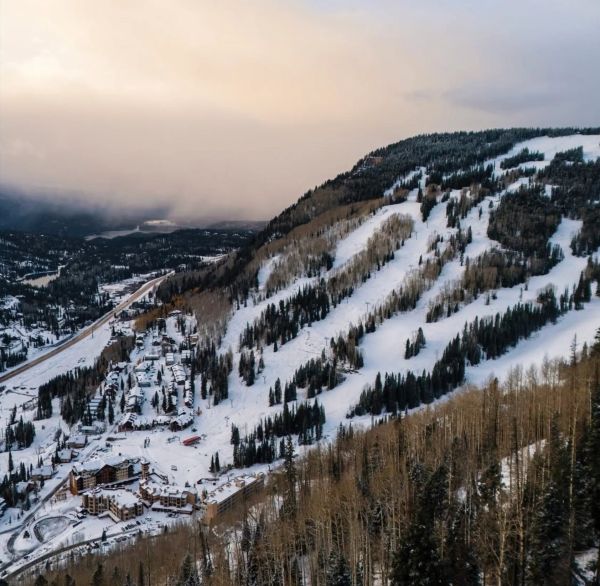
Purgatory Reveals Seven New Trails and a Colorado Couloir Chairlift Opening in December
Purgatory’s new trail map reads like a warning label. Seven new trails named after Dante’s Divine Comedy arrive with the Colorado Couloir chairlift in December, adding around 40 acres (16 ha) of steep pitches and gladed tree skiing. Five of them are black or double black. The resort opens for the season this Friday, 20 November.
19 Nov 2026
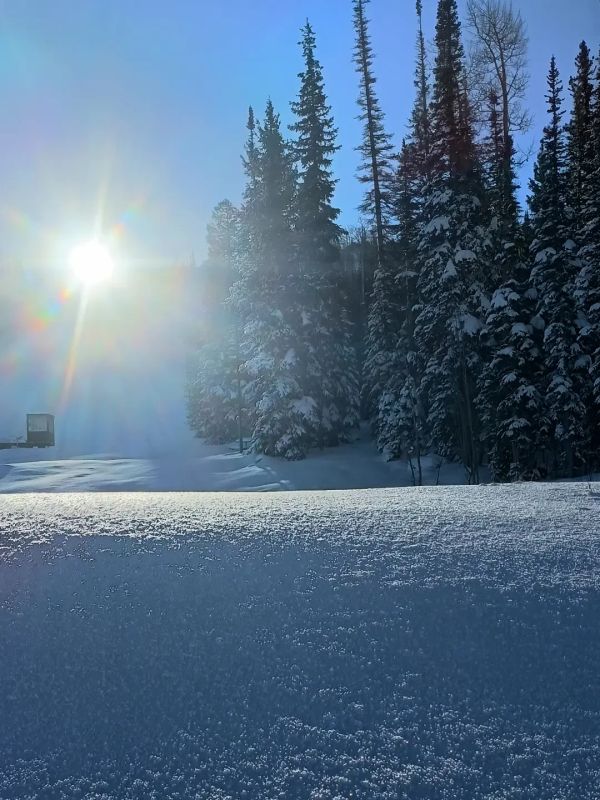
Brian Head Becomes First Utah Resort to Open for 2026-27, With Six Trails and a New Snowmaking Pipeline
Utah’s ski season has started, and it began in the south. Brian Head opened on Tuesday, 17 November, with six trails on the Navajo Express after 14 inches (36 cm) of storm snow and another half foot on opening day. It is the second year running the resort has beaten the rest of the state to first chair, and it has put nearly $1 million into a new snowmaking pipeline that can run 24 guns at once.
19 Nov 2026
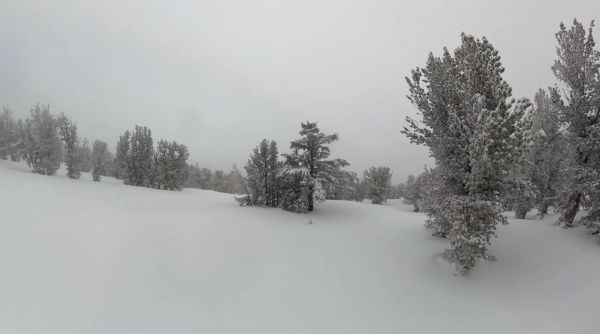
Heavenly and Northstar Open Friday as Lake Tahoe Snow Stacks Up, With Kirkwood Eyeing an Early Start
Tahoe has gone from dry to deep in a week. Heavenly and Northstar open this Friday, 20 November, with up to 24 inches (61 cm) already down at Kirkwood and 50+ inches (127 cm) in the 10-day forecast. Kirkwood normally waits until December, but this snow might change that. Heavenly is even talking about opening Stagecoach in Nevada early, which almost never happens this soon.
18 Nov 2026
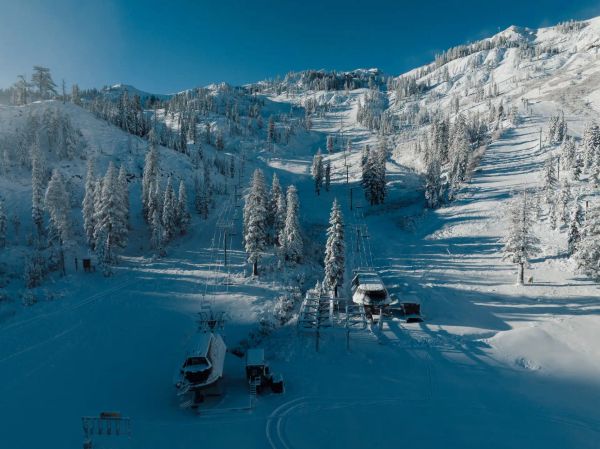
Palisades Tahoe Opens Saturday, Four Days Early, After 26 Inches of New Snow
Palisades Tahoe has pulled its opening forward by four days. Lifts spin this Saturday, 21 November, after 26 inches (66 cm) of new snow, with up to 50 more in the forecast. Opening terrain includes Treeline Cirque at Alpine and Gold Coast and Sunkid 1 at Palisades, though the resort says the weather could change the plan. Tickets are $99 through Tuesday.
18 Nov 2026
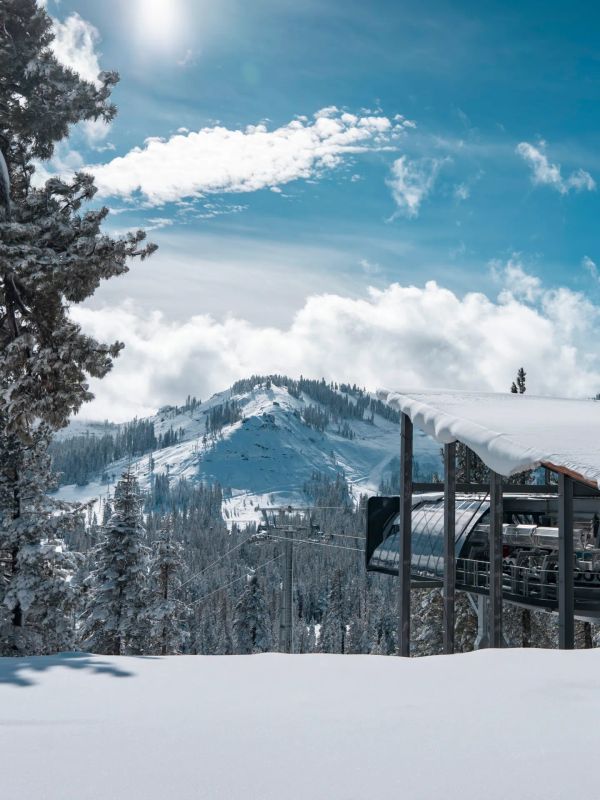
Sugar Bowl Gondola Slips to January 2027 as Opening Day Holds
Sugar Bowl still opens on 27 November, just without its new gondola. The eight-passenger Village Gondola is now targeting January 2027, with all eight towers up, the haul rope on and the first cabin hanging. Until it runs, everyone gets in through the Main Lodge, with curbside drop-off and parking lot shuttles. It replaces the first gondola in the western US, which dates from 1953.
16 Nov 2026
Stubai Glacier Avalanche Ends in Austria’s First Death of the Season
A 72-year-old American skier has died on Stubai Glacier after a small slab avalanche carried him over rocky ground and into a 20-metre crevasse. It is Austria’s first avalanche death of the 2026-27 season, and forecasters had flagged this exact setup two days earlier. Here is what happened near the Daunscharte, and what the snowpack was already telling anyone who was reading it.
15 Nov 2026
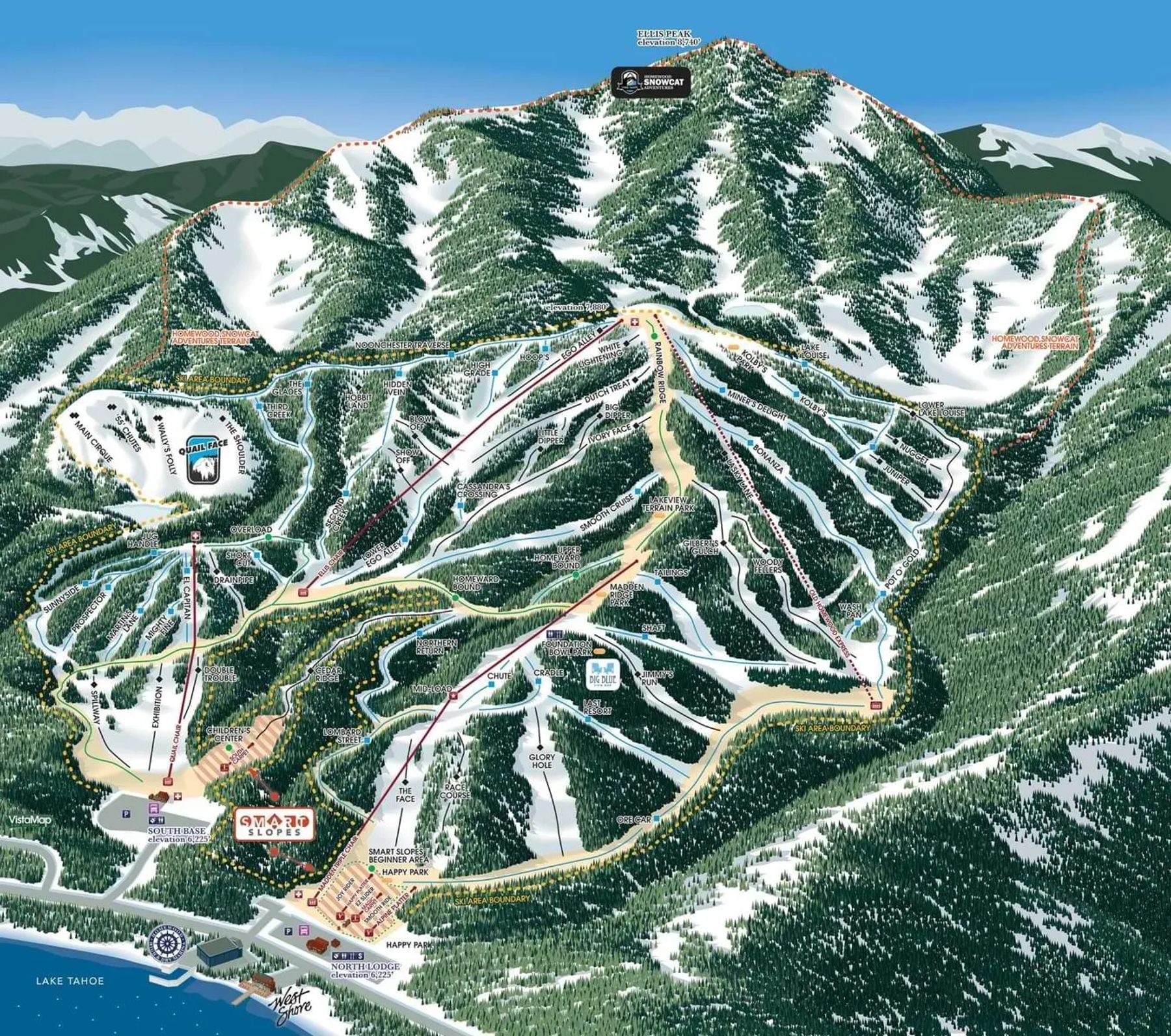
Homewood Ski Trails
Downloadable Homewood trail map
Terrain split
67
runs
Beginner15%
Intermediate40%
Advanced30%
Expert15%
510 acres skiable206 hectares
Resort Stats
Elevation
Base6,230ft
Summit7,881ft
Annual snowfall
450in
Season
2026 - 2027
7 Dec 2026 - 17 Mar 2027
Trail coverage
67 runs
510 acres (206 ha)
Homewood ski trails
Homewood offers 67 runs across a mix of difficulties. The terrain split and trail map here show how the mountain breaks down so you can plan a day that suits your group.
- • Match runs to your ability - the terrain split shows how much of Homewood is beginner, intermediate and advanced.
- • Check grooming and open-run status against the live conditions before committing to the upper mountain.
- • Early season and after fresh snow, favour the lifts serving your preferred grade to make the most of the day.
More Homewood intelligence: trail map, lift system, resort overview.