
Homewood
510 acres, 67 runs, 503m vertical. Lake Tahoe's only lakefront ski area with east-facing terrain and uncrowded slopes.
Season 2026 - 2027
Opens
7 Dec 2026
Closes
17 Mar 2027
Days open
100
Annual snow
38ft
The Overview
Michael Fulton
Melbourne-based skier and snowboarder with 50+ resorts across 5 continents. Specialises in Australian resorts and international resort comparisons.
Homewood operates across 510 acres with 67 runs and 503 vertical metres, rising from 1899 metres at the lakefront base to 2402 metres at the summit. The resort averages 11.43 metres of annual snowfall and sits directly on Lake Tahoe's western shore, making it the only ski area in the United States with lakefront access. The mountain faces east, shielding terrain from high-ridge winds whilst offering unobstructed lake panoramas from every run. Opened in 1961 and owned by JMA Ventures since 2006, Homewood operates independently without multi-resort pass affiliations.
Terrain divides into 15 per cent beginner, 40 per cent intermediate, 30 per cent advanced and 15 per cent expert. The 3.2-kilometre Rainbow Ridge run provides gentle cruising terrain for novices, whilst intermediate skiers favour groomed runs off the Old Homewood Express quad. Advanced terrain includes tree skiing through old-growth forest and steep pitches off Ellis Peak, with an additional 340 hectares of guided snowcat terrain available. Ellis Peak shields the mountain from severe storm winds, allowing operations when higher Tahoe resorts close due to weather.
The uncrowded atmosphere contrasts sharply with neighbouring mega-resorts, drawing West Shore locals and skiers seeking a quieter mountain experience. The North Lodge serves as the primary base with the 89 Bar and Grill, whilst mid-mountain dining operates at the Big Blue View Bar near the top of the Madden Chair. Eight lifts distribute skiers efficiently across the compact layout, with minimal queue times even during holiday periods. The relaxed, family-oriented character attracts beginners and intermediates who value accessibility over extensive terrain.
Homewood operates as an independent day-ticket resort with season passes priced from USD 599 for the 2025-26 season, which runs from 7 December 2025 to 17 March 2026. Adult day tickets range from USD 79 on value days to USD 109 during peak periods, with children five and under skiing free. The resort suits families, intermediates and locals seeking Lake Tahoe views without the crowds or expense of larger resorts. Infrastructure modernisation plans include a Doppelmayr eight-passenger gondola to replace the Madden triple chair, though this project has been delayed beyond the current season.
1,650ft
Vertical
67
Runs
510 acres
Skiable
38ft
Annual snow
The Terrain
67 runs across 510 acres skiable
Homewood is a 510 acre (206 hectare) ski area on Lake Tahoe's west shore, climbing 1,650 ft (503 m) from a 6,230 ft (1,899 m) base to a 7,880 ft (2,402 m) summit. Its 67 runs split 40% intermediate, 30% advanced, 15% expert and 15% beginner, a steeper profile than most people expect on first sight. Eight lifts serve the mountain from two bases, South Base and North Lodge, including the Old Homewood Express high-speed quad. Open views of Lake Tahoe from the slopes are the signature feature.
Homewood's most challenging skiing is served by the Ellis chair, with Quail Face the standout, featuring steep open bowls and technical tree skiing. The Old Homewood Express is the resort's only high-speed quad and serves some of the best terrain in the upper area. Intermediates will find plenty to like on the mid-mountain slopes served by the Madden chair, with trails such as Lake Louise and The Glades offering rolling terrain that mixes groomers and tree skiing. Homewood suits skiers who want Tahoe scenery on a smaller mountain, along with families, locals and advanced riders who value tree skiing over sheer size.
Terrain split
67
runs
67 runs across 4 grades
Beginner10 runs · 15%
Intermediate27 runs · 40%
Advanced20 runs · 30%
Expert10 runs · 15%
Time it right
When to visit Homewood
The 2025-26 season operates from 7 December 2025 through 17 March 2026, spanning approximately 100 days. Typical seasons run mid-December through mid-April, though the 2025-26 closure came early due to an unseasonably warm March that melted the snowpack. Historical data shows Homewood usually operates December to April when conditions permit. The resort's relatively low base elevation of 1899 metres makes it vulnerable to warm weather events, particularly late-season rain that can rapidly erode snow coverage at lower elevations.
Homewood averages 11.43 metres of annual snowfall, benefiting from its position in Lake Tahoe's western snow belt. The mountain receives approximately 300 days of sunshine annually, with the east-facing orientation providing natural wind protection during storms. Snowmaking covers 51 hectares, primarily concentrated around beginner terrain near the base lodges. The resort's location on the Sierra Crest's western slope allows it to remain operational during high-wind events that force closures at exposed ridgeline resorts, making it a reliable storm-day option.
January and February deliver peak snowfall, with December and March offering variable conditions depending on storm patterns. Spring skiing extends into March during normal years, with corn snow developing on sunny south-facing aspects. The uncrowded nature of the resort means powder stashes persist days longer than at busier Tahoe destinations. Weekdays and non-holiday periods provide the quietest experience, whilst weekends and school breaks see increased but still manageable traffic.
The resort hosts seasonal programming including locals' discount programmes and military appreciation days, with active-duty military personnel skiing free Sundays through Thursdays excluding holidays. Night skiing is not offered. The intimate scale and limited operating days suit day-trippers and West Shore residents more than destination visitors planning week-long holidays. Snow conditions and operational status should be verified before travelling, particularly early and late season when coverage may be marginal at the base elevation.
Season 2026 - 2027
7 Dec 2026
Opens
17 Mar 2027
Closes
100
Days open
38 ft
Annual snow
Getting there
Getting to Homewood, and where to stay
Homewood sits on Lake Tahoe's western shore in Placer County, California, directly beside State Route 89 in the small community of Homewood. The resort rises from the lake's edge at 1899 metres to 2402 metres on Ellis Peak, with the Sierra Nevada crest forming the backdrop. The base areas lie just steps from Lake Tahoe's shoreline, creating the unusual dynamic of skiing towards open water. Tahoe City sits 10 kilometres north, whilst South Lake Tahoe lies 37 kilometres southeast via Highway 89 around Emerald Bay.
The West Shore community includes the hamlets of Homewood and Tahoma, characterised by old Tahoe architecture and a quieter residential character than the busier north and south shore developments. Truckee lies 32 kilometres north via Highway 89 and Interstate 80, serving as the primary mountain town for supplies and dining. Kings Beach, Incline Village and Carson City provide additional services within 32 kilometres. The West Shore lacks the commercial density of other Tahoe areas, with limited lodging and dining concentrated in small pockets along the highway.
Access from Reno follows Interstate 80 west to the Highway 89 exit at Truckee, then south through Tahoe City to Homewood - approximately 88 kilometres requiring 85 minutes under normal conditions. From Sacramento, drivers take Interstate 80 east for 192 kilometres to the Highway 89 junction, then continue south - a journey of approximately three hours. San Francisco lies 347 kilometres southwest via Interstate 80, requiring four hours in optimal traffic. Highway 89 can experience closures during heavy snowfall, particularly the southern section past Emerald Bay.
Reno-Tahoe International Airport sits 93 kilometres east, providing the primary air gateway with approximately 67 minutes' drive time. Sacramento International Airport lies 192 kilometres southwest with three-hour transfers. San Francisco International Airport serves long-haul travellers at 347 kilometres distance. Public transport operates via Tahoe Area Regional Transit (TART), connecting Homewood to Tahoe City and surrounding north shore communities. No direct rail service exists, though Amtrak reaches Truckee 32 kilometres north, requiring onward bus connections to reach the resort.
Where to stay
Search all stays →Hotels and lodges near Homewood, powered by Stay22.
Latest News
From the SnowStash desk
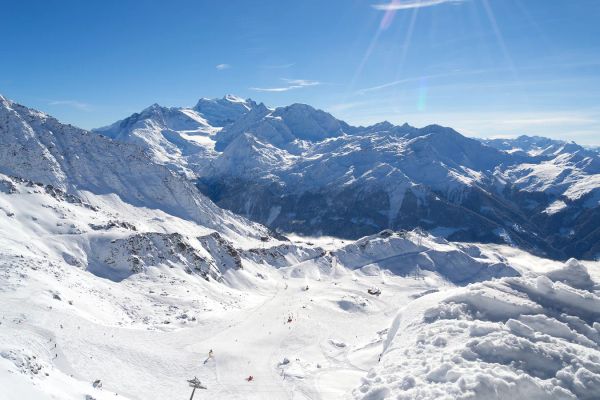
Alps Snow Forecast: Up to 64 cm Headed for the High Glaciers as the Snow Line Drops
The Alps are about to swap mild, sunny October weather for something far more wintry. A cold front arrives Tuesday, and SnowStash forecasts have Monterosa Ski out in front with 64 cm over 14 days, ahead of Blatten Belalp (55 cm) and Verbier (43 cm). The snow line should fall below 2000 metres by Wednesday night, and glaciers across Switzerland, Italy and Austria are in line for the best of it. The wind will have a say too.
20 Oct 2026
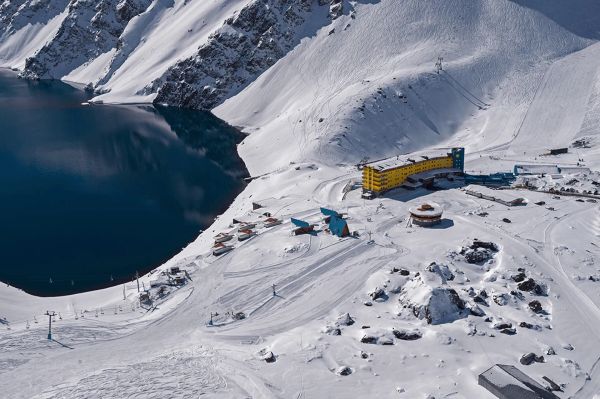
Four Dead After Avalanche Near Ski Portillo in Chile
A large avalanche struck near Laguna del Inca adjacent to Ski Portillo on Saturday afternoon, killing four people and injuring four others. The group were day visitors mountaineering in the backcountry after reportedly being warned about elevated avalanche risk by resort staff.
18 Oct 2026
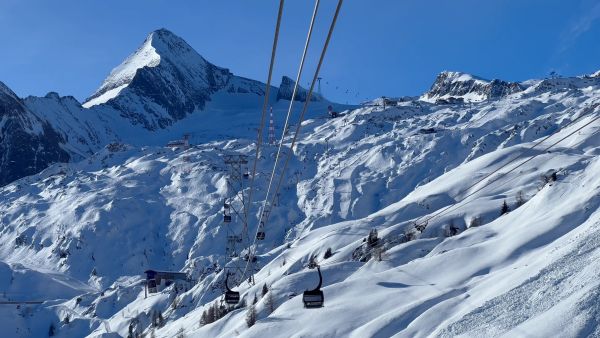
Europe Ski Resorts Open Now: What Is Skiable in Mid-October 2026
Europe’s ski season is open, technically. After a record-warm summer, glaciers in Austria, Switzerland and Italy are running a few pistes apiece, Sölden, Stubai and Kitzsteinhorn started late, Titlis has pushed back to 24 October, and Zermatt reopens a few lifts on 14 October after more than two months shut. Finland’s Levi and Ruka are skiing on stored snow. Here is what is open, and what you actually get at each.
14 Oct 2026
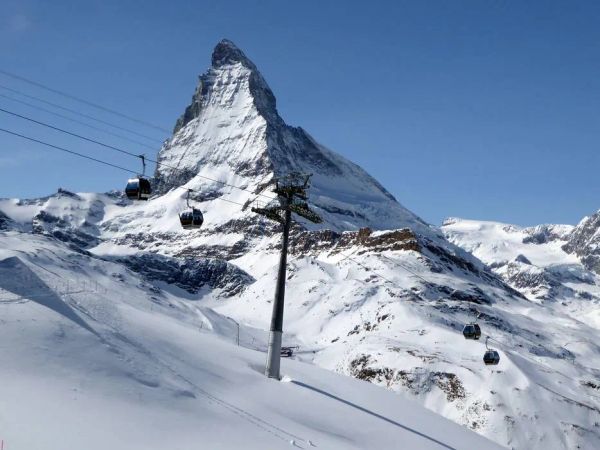
Zermatt Plans World Cup Downhill Return on the Gornergrat for 2028
Zermatt is having another crack at a World Cup downhill, and this time nobody has to cross a border. Around 13 million Swiss francs is going into rebuilding the Gornergrat piste, including a jump fed by a roughly 300-metre in-run across the roof of the Gornergrat Railway gallery, with the Matterhorn lined up behind it for the TV cameras. First men’s race is pencilled in for March 2028, pending FIS homologation.
14 Oct 2026
Mt. Rose Begins Snowmaking for the 2026-27 Season at Lake Tahoe
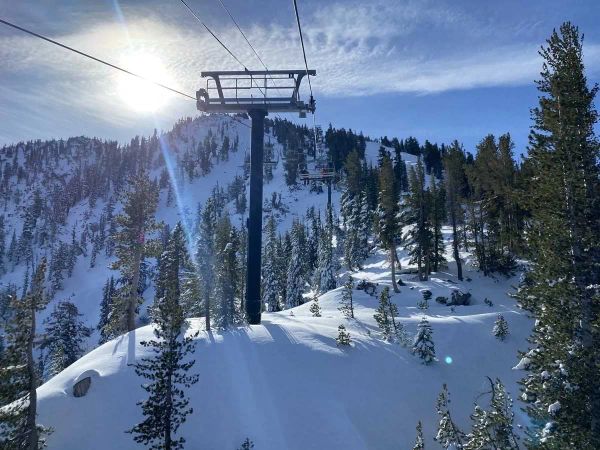
Lake Tahoe’s highest base elevation is paying off early: Mt. Rose has started making snow for 2026-27 after the first flurries and a cold snap. The Nevada resort is backing it with nearly US$2 million in upgrades, including a replacement snowmaking main line, a new PistenBully groomer and restraint bars on every lift. Opening day is yet to be confirmed, though Heavenly and Northstar are already eyeing 20 November.
13 Oct 2026
Utah Ski Resorts 2026-27: What’s New at Alta, Deer Valley, Powder Mountain and More
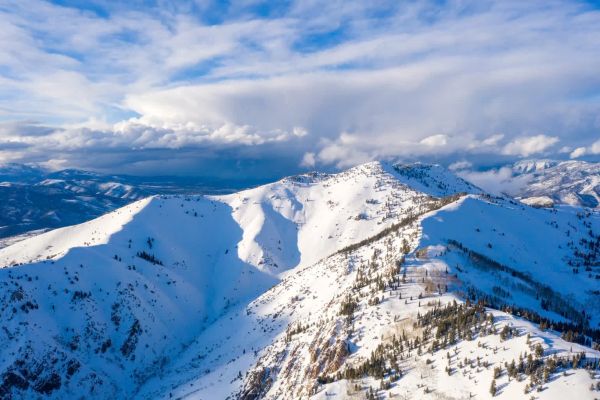
Utah is still building flat out. For 2026-27, Powder Mountain opens a steep new Skytrac chair into more than 1,000 acres of advanced terrain, Deer Valley adds 200 acres on Hail Peak, Sundance gets a new quad and Park City adds a gondola from its new parking structure. Snowmaking is expanding almost everywhere, Eagle Point stays closed after the Cottonwood Fire, and the 2034 Games are setting the pace. Here’s what’s new, resort by resort.
13 Oct 2026
Mt Hutt Invests NZ$12 Million in Base Area, Tripling Its Sun Deck
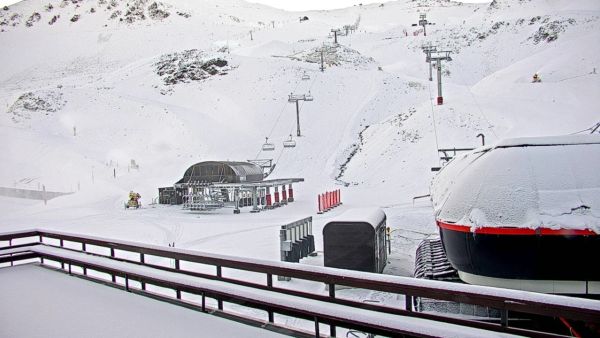
Mt Hutt is getting busier, and its base lodge is about to catch up. NZ$12 million goes into a heated sun deck roughly three times the current size (430 m² to 1,300 m²), plus a new toilet block, heated steps down to snow level, extra storage and a new food and beverage outlet. Building starts after the 2026 season, with everything due for winter 2027.
11 Oct 2026

Vermont Ski Resort Opening Dates 2026-27: Few Dates Set, Killington Waits on the Cold
Vermont's season is slow to take shape. Stratton is tentatively targeting 18 November and Sugarbush 21 November, while Pico has Friday 11 December on the calendar. Killington never sets a date and opens when the snowmaking allows, and Vail Resorts has yet to name days for Stowe, Okemo and Mount Snow. The forecasts disagree about snow, and the main El Niño worry for the Green Mountains is warmth.
9 Oct 2026
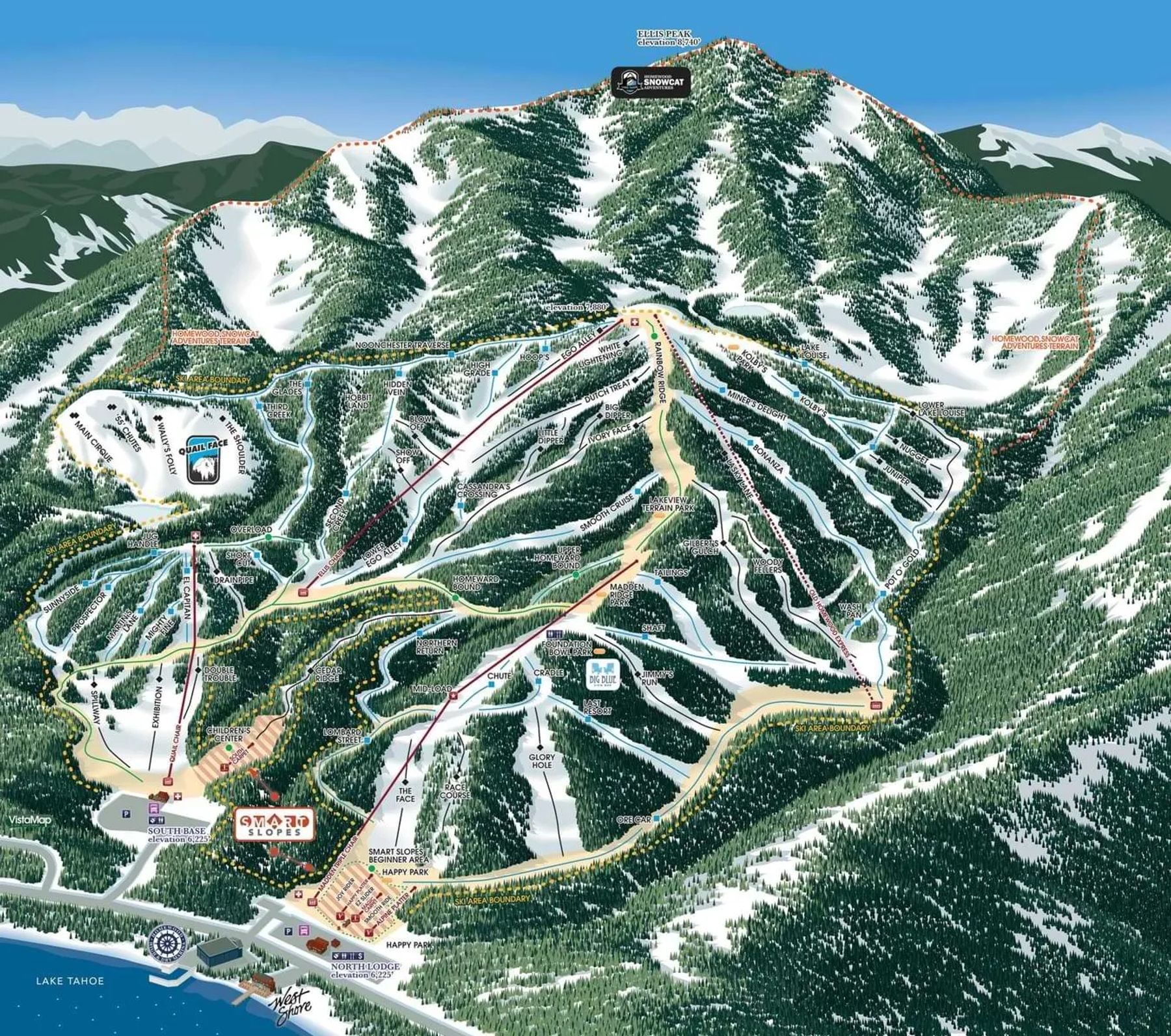
Homewood Trail Map
Downloadable Homewood trail map
Terrain split
67
runs
Beginner15%
Intermediate40%
Advanced30%
Expert15%
510 acres skiable206 hectares
Resort Stats
Elevation
Base6,230ft
Summit7,881ft
Annual snowfall
38ft
Season
2026 - 2027
7 Dec 2026 - 17 Mar 2027
Trail coverage
67 runs
510 acres (206 ha)
About Homewood's trail map
Explore Homewood's full trail map with 67 runs across the mountain, colour-coded by difficulty and shown alongside the terrain split. Use it to plan a day that matches your ability, find lift-served pockets of your favourite grade, and see how the resort links together. Download the piste map (PDF) ↗
More Homewood intelligence: snow report, lift system, webcams, resort overview.