
June Mountain
1,500 acres, 43 runs, 775m vertical. Ikon Pass access. Kids 12 & under ski free. Family-friendly California slopes.
Season 2026 - 2027
Opens
19 Dec 2026
Closes
4 Apr 2027
Days open
106
Annual snow
21ft
The Overview
Michael Fulton
Melbourne-based skier and snowboarder with 50+ resorts across 5 continents. Specialises in Australian resorts and international resort comparisons.
June Mountain spreads across 1,500 acres between 2,300 and 3,075 metres in California's Eastern Sierra, delivering 775 metres of vertical drop across 43 runs. The ski area spans two peaks, June Mountain at 3,075 metres and Rainbow Mountain at 3,062 metres, with terrain split 16% beginner, 40% intermediate, 28% advanced and 16% expert. Snow reliability averages 635 centimetres annually, enhanced by targeted snowmaking, whilst the north-facing aspect on June Mountain summit terrain holds quality through spring. Kids aged 12 and under ski free when accompanied by a paying adult.
The resort splits terrain naturally by ability, with beginner zones concentrated around the mid-mountain Chalet and more challenging runs fanning from the upper lifts. Silverado, stretching 3.2 kilometres, ranks as the longest groomer, whilst expert terrain concentrates off the J7 Express Quad accessing double-black chutes and tree skiing. The mountain's relatively modest traffic means fresh tracks often persist midweek even hours after snowfall. Rainbow Summit terrain tends flatter and more mellow than the steeper June Mountain face.
June Mountain operates with a distinctly low-key atmosphere, lacking the crowds and infrastructure intensity found 32 kilometres south at Mammoth Mountain. The mid-mountain Chalet serves as the social and operational centre, a vintage timber lodge dating to 1961 with basic cafeteria fare and roaring fireplaces. Minimal lift queues define the experience even on holiday weekends. The June Lake village, population 600, sits 3.5 kilometres from the base area via State Route 158.
Full Ikon Pass holders receive unlimited access whilst Ikon Base Pass users face three blackout periods: 26-30 December, 16-17 January and 13-14 February. The 2025-26 season ran from 20 December to 12 April. The resort suits families seeking uncrowded slopes, intermediates after confidence-building mileage, and advanced skiers willing to trade resort scale for immediate backcountry access off the ridge.
2,543ft
Vertical
43
Runs
1,500 acres
Skiable
21ft
Annual snow
Ikon
Pass
The Terrain
43 runs across 1,500 acres skiable
June Mountain is an Eastern Sierra ski area of about 1,500 acres (607 hectares) with 2,540 ft (775 m) of vertical, from a 7,550 ft (2,300 m) base to a 10,090 ft (3,075 m) summit. Of its 43 runs, 40% are intermediate, 28% advanced, 16% expert and 16% beginner, so there is real steep terrain on a smaller mountain. Two lifts, J6 and J2, rise from the mid-mountain chalet. June Mountain carries Ikon Pass access, which is why many visitors treat it as an alternative to nearby Mammoth.
The mountain has a June Mountain side and a Rainbow Summit side. The J7 Express quad accesses expert terrain, including double black diamond chutes and tree skiing, while the J6 high-speed quad serves Rainbow Summit, which has only beginner and intermediate terrain. Silverado is the longest groomer on the mountain at about 2 miles, anchoring the intermediate cruising. The mid-mountain Chalet, a vintage timber lodge dating to 1961 with fireplaces and basic cafeteria fare, is the social centre and the base for the J6 and J2 lifts. June Mountain suits families, intermediates building mileage and advanced skiers who want a smaller mountain than nearby Mammoth.
Terrain split
43
runs
43 runs across 4 grades
Beginner7 runs · 16%
Intermediate17 runs · 40%
Advanced12 runs · 28%
Expert7 runs · 16%
Time it right
When to visit June Mountain
June Mountain's 2025-26 season opened 20 December 2025 and closed 12 April 2026, spanning 114 days. Typical operations run mid-December through mid-April snow permitting, with the schedule dependent on early-season storms and spring melt rates. The resort historically operates Thursday through Monday during lean periods, expanding to daily service during holidays and strong snow years. Children 12 and under ski free all season with no blackout dates.
The Eastern Sierra averages 635 centimetres of annual snowfall, with the high-elevation terrain between 2,300 and 3,075 metres preserving coverage well into spring. North-facing runs off the June Mountain summit hold powder longer than Rainbow Mountain's sunnier aspects. Snowmaking covers beginner and lower-intermediate zones, critical for early-season operations before natural snow accumulates. Base depths through February and March typically exceed 120 centimetres.
Peak powder conditions align with the region's storm cycles from January through March, with February historically delivering the deepest snowpack. Spring transforms the mountain by late March as temperatures climb; corn snow and bluebird weather dominate April. Midweek visits from late January through February offer the best combination of snow quality and minimal crowds. Presidents' Day weekend sees the heaviest traffic, though queues remain modest by California standards.
Closing weekend on 12 April 2026 featured live music, a barbecue and beer tastings at the Chalet, with lifts spinning until 4pm. The resort markets spring skiing aggressively with discounted lift ticket offers, and Ikon Pass access begins in early April for the following season. June Mountain historically participates in regional ski mountaineering events and hosted the 2006 California Winter Games snowsports competitions.
Season 2026 - 2027
19 Dec 2026
Opens
4 Apr 2027
Closes
106
Days open
21 ft
Annual snow
Getting there
Getting to June Mountain, and where to stay
June Mountain sits in the Eastern Sierra Nevada at 2,300 metres base elevation, 3.5 kilometres west of June Lake village along State Route 158. The resort occupies a dramatic east-facing escarpment beneath the crest of the Sierra, with the Ansel Adams Wilderness directly west and Mono Basin stretching east. Yosemite National Park's southeastern boundary lies 40 kilometres northwest, accessible only in summer when Tioga Pass opens. The intimate June Lake community of roughly 600 year-round residents clusters around four alpine lakes on the 26-kilometre scenic loop.
Lee Vining sits 26 kilometres north on US Highway 395, Mammoth Lakes 32 kilometres south. June Lake village offers limited lodging, dining and retail compared to Mammoth but maintains authentic mountain-town character with cabins, small motels and a handful of restaurants. The Double Eagle Resort and June Lake Brewing anchor local après options. Most visitors base in Mammoth Lakes and drive north, though staying in June Lake itself delivers ski-in proximity and quieter evenings.
US Highway 395 provides the sole year-round access, running north-south along the Sierra's eastern flank. From Los Angeles, drivers take Interstate 5 north to State Route 14, then US 395 north for approximately 395 miles and six hours. From San Francisco, winter routing follows Interstate 80 to State Route 50 to Kingsbury Grade, then US 395 south for roughly 300 miles and five hours; summer allows the Tioga Pass route through Yosemite via State Route 120. From Las Vegas, US 95 north connects to State Route 266 and 168, joining US 395 north for 330 miles total.
Mammoth Yosemite Airport sits 16 kilometres south of June Lake village with seasonal service from Los Angeles, San Francisco, San Jose and Portland via Alaska Airlines and United. Reno-Tahoe International Airport, 240 kilometres north, serves as the primary year-round gateway with major carrier service; the drive takes three hours via US 395 south. Eastern Sierra Transit Authority operates bus service between Reno and Mammoth Lakes with a stop at June Lake Junction, running select weekdays with ski-friendly luggage capacity.
Where to stay
Search all stays →Hotels and lodges near June Mountain, powered by Stay22.
Latest News
From the SnowStash desk
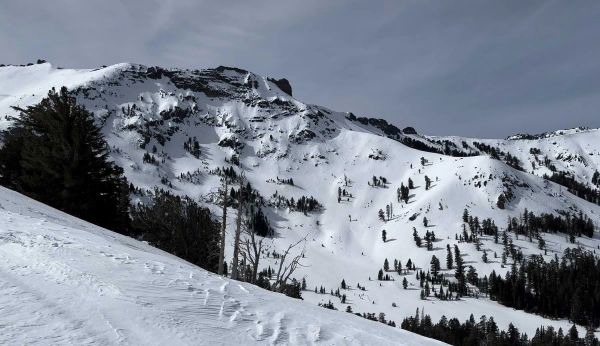
California Ski Resort Opening Dates 2026-27: Mammoth Leads, Tahoe Follows
Mammoth Mountain is first up in California, targeting Friday 13 November after a dusting of September snow. Heavenly and Northstar follow on 20 November, Palisades Tahoe on Wednesday 25 November and Sugar Bowl on 27 November, with Kirkwood on 4 December and June Mountain on 19 December. Plenty of smaller areas have no date yet. A super El Niño favours the Sierra, but a warmer storm track is the catch.
7 Oct 2026
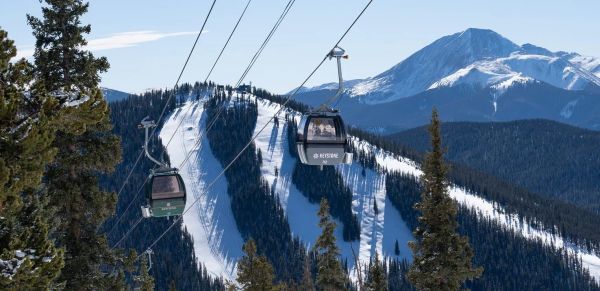
Colorado Ski Resort Opening Dates 2026-27: A-Basin and Keystone Race to Be First
Arapahoe Basin, Keystone and Winter Park are all chasing an October start, though none has a firm date yet. The first dated openers are Breckenridge and Copper on Friday 6 November, then Vail on 13 November, with most of the rest bunched around US Thanksgiving. Hesperus did not open at all last season. A super El Niño offers hope but no guarantee, and forecasters say the southern mountains have the better odds.
5 Oct 2026
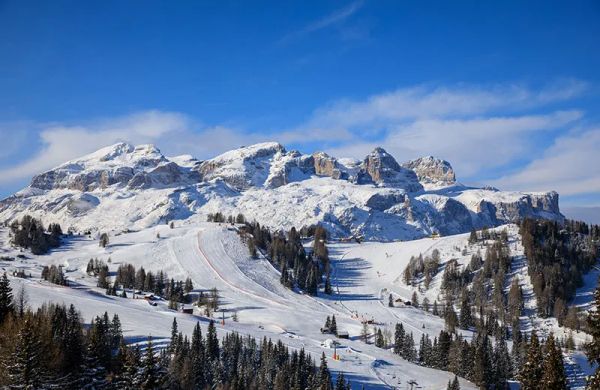
Dolomiti Superski 2026-27: Four New Gondolas, New Reservoirs and an €89 Peak Day Pass
Dolomiti Superski is spending around €100 million across its 12 areas before winter. Kronplatz gets a new 10-passenger gondola with a middle station, 3 Zinnen gets Helmissimo, and Val di Fassa swaps a chairlift for a gondola above Col Valvacin. New water-storage basins and upgraded snowmaking follow, and construction has started on the San Martino to Passo Rolle link. A peak adult day pass is €89.
4 Oct 2026
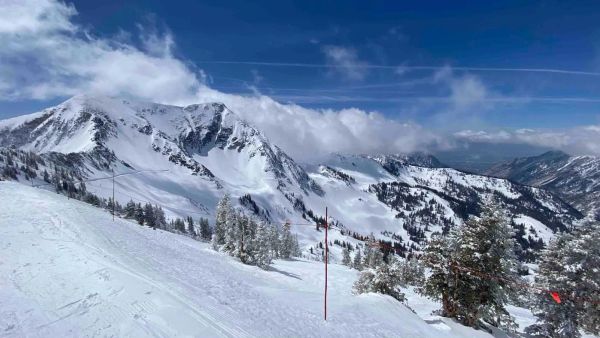
Utah Ski Resort Opening Dates 2026-27: Brian Head First, Eagle Point Out
Brian Head is targeting 6 November, though last year it aimed for 7 November and did not open until the 25th. Park City, Alta and Solitude are pencilled in for 20 November, Snowbird and Snowbasin for 27 November, and Deer Valley for 5 December. Eagle Point will stay closed after the Cottonwood Fire. A super El Niño is forecast, but the big snow is not expected until January.
4 Oct 2026
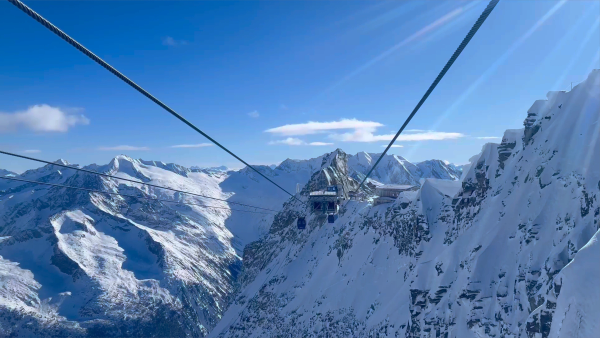
Hintertux Glacier Opens for 2026-27 With 12 Kilometres of Piste
Hintertux became Austria's second glacier to open for 2026-27 on Friday 2 October, after the Pitztal Glacier. Twelve kilometres of piste are running around the Olperer and Gefrorene Wand, served by one gondola and two drag lifts, with the Betterpark also open. Lifts officially run 8:15 am to 4:30 pm, but skiing stops at 2 pm for now.
4 Oct 2026
Vail Resorts Counts the Cost of a Thin Winter as Pass Sales Slide Further
A historically poor western winter cut Vail Resorts' annual net income from $280 million to $147.5 million and skier visits by 13.4 per cent. Now 2026-27 pass units are down 12 per cent as of 18 September, worse than the 10 per cent flagged in spring. Vail blames the weather and thinks some buyers are simply waiting, and it forecasts a rebound if the snow behaves.
3 Oct 2026
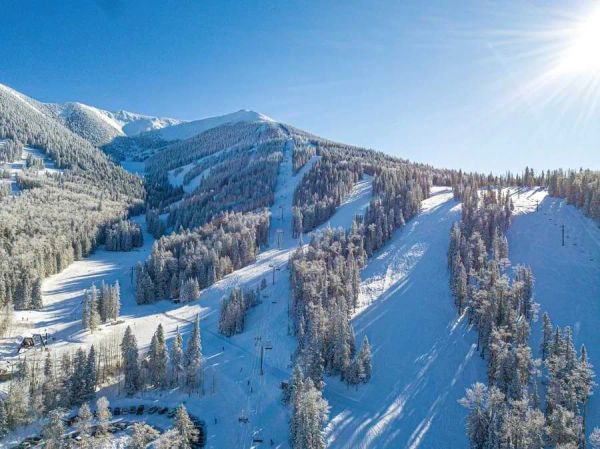
Arizona Snowbowl's $1 Lift Tickets Are Hard to Find, but $9 Days Are Not
Arizona Snowbowl advertised eight $1 lift ticket days this winter. Go looking and only three are showing - 10 March, 1 April and 10 April - so the rest may already have gone. The consolation is a calendar full of $9 days, including all but one day in April. Opening day is 20 November, weather permitting, and opening weekend is $19.
2 Oct 2026
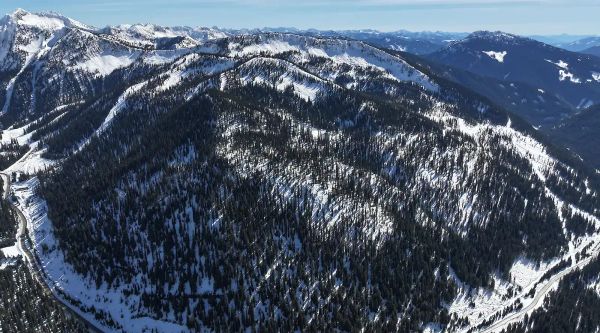
Whitewater Brings Its Short Side Inbounds, With Six New Runs for 2026-27
For years, Whitewater's Short Side was where you ducked a rope and hoped for the best: unmapped, ungroomed and unpatrolled. This winter it's inbounds. Six new runs of glades and fall-line skiing add 190 acres (about 77 hectares), taking the resort past 1,400 acres in total. F2 Logging spent a month in the trees to make it happen, and opening day is pencilled in for 4 December. Bonanza now needs less snow to groom, too.
1 Oct 2026
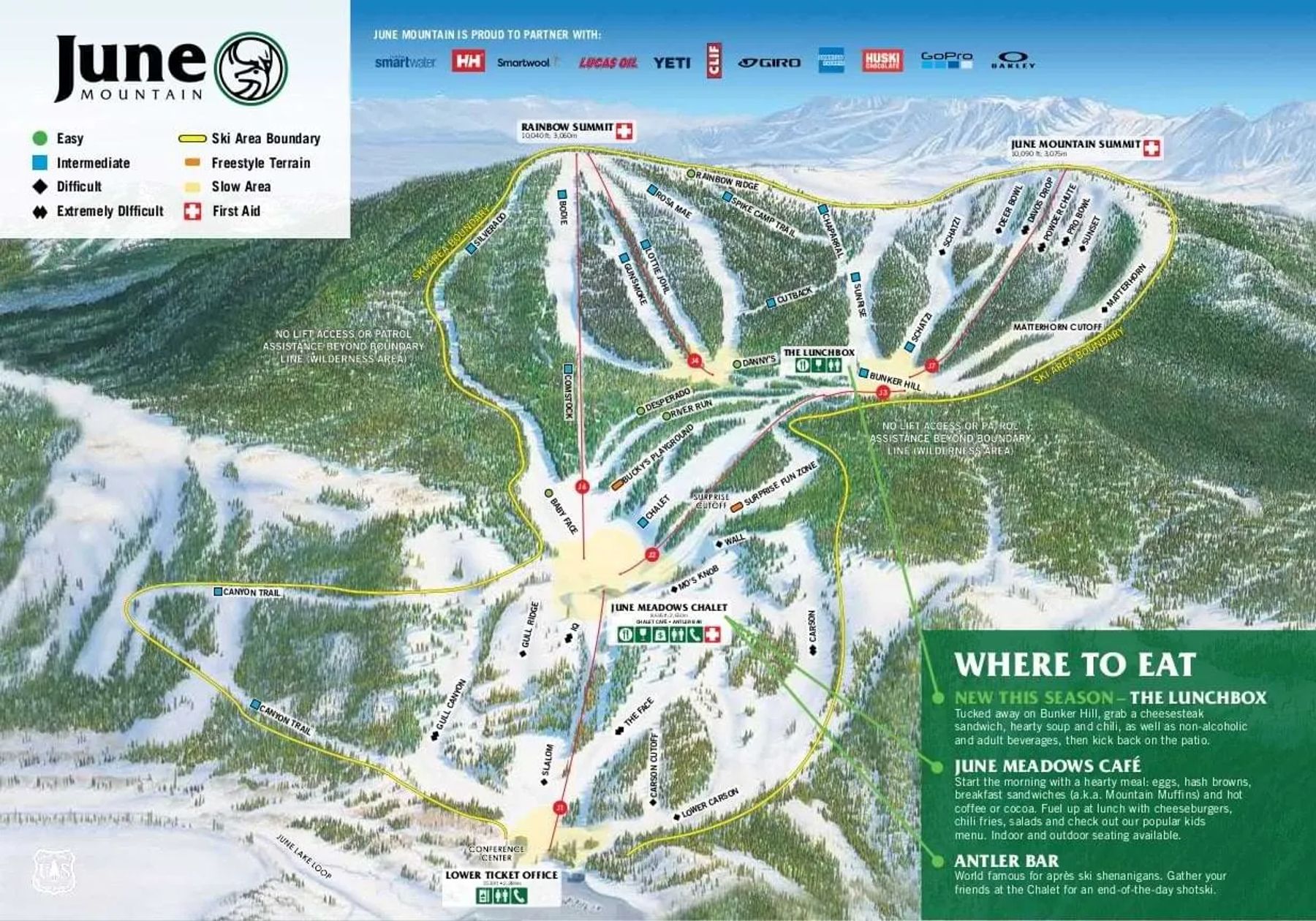
June Mountain Trail Map
Downloadable June Mountain trail map
Terrain split
43
runs
Beginner16%
Intermediate40%
Advanced28%
Expert16%
1,500 acres skiable607 hectares
Resort Stats
Elevation
Base7,546ft
Summit10,089ft
Annual snowfall
21ft
Season
2026 - 2027
19 Dec 2026 - 4 Apr 2027
Trail coverage
43 runs
1,500 acres (607 ha)
About June Mountain's trail map
Explore June Mountain's full trail map with 43 runs across the mountain, colour-coded by difficulty and shown alongside the terrain split. Use it to plan a day that matches your ability, find lift-served pockets of your favourite grade, and see how the resort links together. Download the piste map (PDF) ↗
More June Mountain intelligence: snow report, lift system, webcams, resort overview.