Telluride
2,000 acres, 148 runs in historic Telluride. Free gondola, dramatic 4,425ft vertical, Victorian mining town.

Season 2026 - 2027
Opens
26 Nov 2026
Closes
11 Apr 2027
Days open
136
Annual snow
280in
The Overview
Michael Fulton
Melbourne-based skier and snowboarder with 50+ resorts across 5 continents. Specialises in Australian resorts and international resort comparisons.
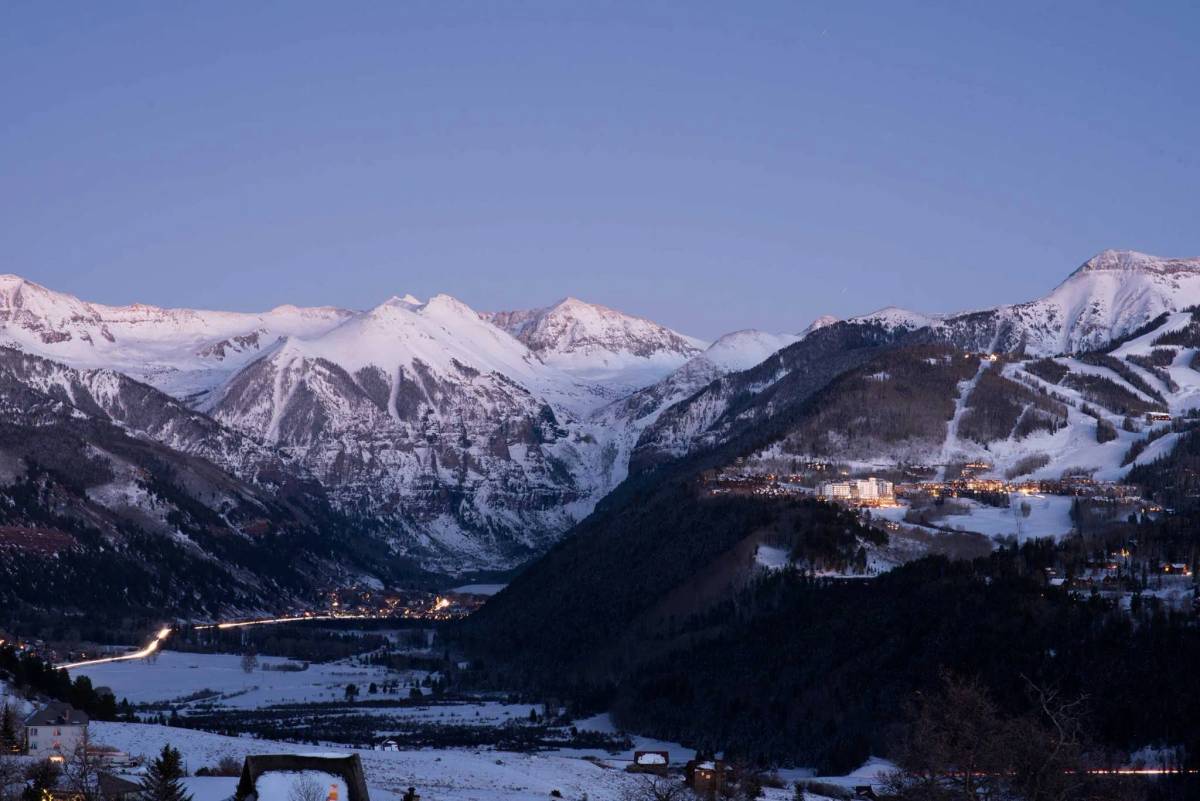
Telluride's summit reaches 13,150 feet, dropping 4,425 vertical feet to a base at 8,725 feet across 148 runs spread over 2,000 acres in Telluride, Colorado. Terrain splits 39 per cent expert, 23 per cent each for advanced and intermediate, and 15 per cent beginner, with average annual snowfall of roughly 300 inches. Nineteen lifts, including six quad chairs and one gondola, serve the mountain alongside four six-person chairs, three double chairs, one triple chair and four surface lifts.
Telluride holds a genuinely distinctive place among Colorado resorts, combining a National Historic Landmark Victorian mining town with some of the state's most dramatic, expert-weighted terrain and a free public gondola connecting the historic town to the newer Mountain Village. Its considerable 4,425-foot vertical drop ranks among the largest in Colorado.
Telluride was founded in 1878 during the San Juan Mountains' silver and gold mining boom, and the town's name is popularly said to derive from tellurium, though it more likely stems from a corruption of 'to-hell-you-ride,' reflecting the area's rugged remoteness. Mining sustained the town for decades before its decline in the early twentieth century.
Telluride Ski Resort opened in 1972, developed by Joseph T. Zoline on the mountain above the historic town, bringing renewed prosperity to a community that had fallen into decline. The resort has remained under a series of private ownership groups, with the free gondola, opened in 1996, connecting the historic town to the purpose-built Mountain Village. Adult daily tickets run from 169 to 249 US dollars.
3,789ft
Vertical
148
Runs
2,000 acres
Skiable
280in
Annual snow
Epic
Pass
The Terrain
148 runs across 2,000 acres skiable
Telluride covers 2,000 acres (809 hectares) across 148 runs in Colorado's San Juan Mountains, with lifts rising from 8,720 ft (2,659 m) to 12,510 ft (3,814 m), a vertical of 3,790 ft (1,155 m). Intermediate runs lead at 36 per cent, then beginner at 23 per cent, expert at 21 per cent and advanced at 20 per cent, a more even spread than most big resorts offer. About 280 inches of snow falls in a typical season. A free gondola links the historic town to Mountain Village, and the groomed cruising sits on the village side of the mountain.
See Forever is the long, gentle run prized for expansive views along the ridgeline, while The Plunge drops steeply toward the town of Telluride. Gold Hill Chutes, reached by a hike from the top of Gold Hill Express, give experts narrow, steep lines, and Black Iron Bowl, off Chair 12, adds couloirs and rock features. Revelation Bowl is an above-treeline, northeast-facing bowl behind Gold Hill that gathers deep snow, and Prospect Bowl added beginner, intermediate and expert terrain in the early 2000s. Palmyra Peak adds almost 2,000 ft of in-bounds vertical. Telluride suits confident intermediates and advanced skiers, with beginner terrain on the Mountain Village side for the rest of the group.
Terrain split
148
runs
148 runs across 4 grades
Beginner34 runs · 23%
Intermediate53 runs · 36%
Advanced30 runs · 20%
Expert31 runs · 21%
Time it right
When to visit Telluride
The 2025-26 season at Telluride ran from 27 November 2025 to 12 April 2026, a roughly nineteen-week season supported by average annual snowfall of around 300 inches. Season dates can shift depending on early and late-season weather conditions in the San Juan Mountains.
Midwinter, from December through February, typically brings the most consistent conditions to Telluride's dramatic, expert-weighted terrain. Telluride draws a genuinely dedicated destination visitor base seeking the resort's considerable vertical drop and historic Victorian mining town setting, well away from the Interstate 70 corridor.
Telluride's free gondola continues to support strong visitation between the historic town and Mountain Village throughout the season. School holiday periods bring family visitation to the resort's more moderate terrain, though the overall visitor base skews toward experienced skiers drawn by the considerable expert terrain.
Specific event programming beyond standard operations is not confirmed in available resort information. Telluride continues to build on more than five decades of skiing history since its 1972 founding, itself following a century of mining heritage dating to the town's 1878 founding. The resort's Victorian town character and dramatic terrain remain central to its enduring destination appeal.
Season 2026 - 2027
26 Nov 2026
Opens
11 Apr 2027
Closes
136
Days open
280 in
Annual snow
The record
Historical snowfall at Telluride
Daily snow reports at Telluride go back to 2025, 2 winters on the books. Open the record to compare winters, lifts and piste.
11 in
Snowiest day
5 Dec 2025
24 in
This winter · 2026-27
so far
68 in
Typical winter
average of complete seasons
Winter totals
in
Past wintersThis winter
Getting there
Getting to Telluride, and where to stay
Telluride sits in Telluride, Colorado, in the San Juan Mountains, with a base elevation of 8,725 feet and a summit at 13,150 feet across a 4,425-foot vertical drop over 2,000 acres. This dramatic, remote setting places the resort in one of Colorado's most historically significant and visually striking mountain towns.
The town of Telluride itself, a National Historic Landmark Victorian mining town, offers extensive lodging, dining and considerable historic character directly at the resort's base, connected by free gondola to the newer Mountain Village.
Colorado State Highway 145 provides access to the resort. Winter driving conditions on this remote mountain route can include significant snow and ice, and the resort's considerable distance from major population centres means travellers should allow additional time compared with more centrally located Colorado destinations.
Telluride Regional Airport, one of the highest commercial airports in North America, offers direct seasonal flights from several major US cities, providing a genuinely convenient gateway for visitors flying directly into this otherwise remote destination, alongside the more distant Montrose Regional Airport.
Where to stay
Search all stays →Stays map loads when you scroll here
Hotels and lodges near Telluride, powered by Stay22.
Latest News
From the SnowStash desk
Val Gardena to Alpe di Siusi Lift Link Back in Play After Court Ruling
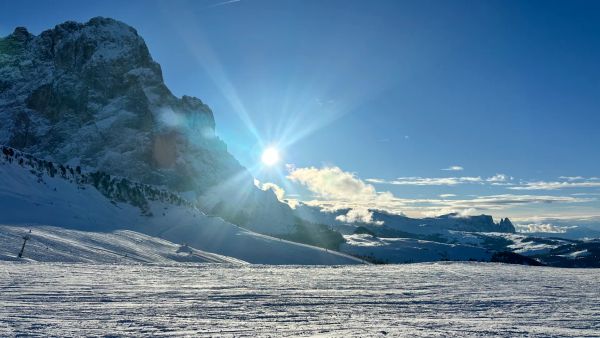
The Val Gardena-Alpe di Siusi lift link isn’t dead after all. A South Tyrol court has overturned Santa Cristina’s rejection of the new Monte Pana-Saltria link on procedural grounds, after the council skipped required public information sessions. Opponents want the missing sessions held and a fresh vote, and nothing has been approved. For now it’s still a bus between the two, but a plan first floated in 2017 is back in the conversation.
8 Nov 2026
Whistler Blackcomb Rockslide Zone Stays Closed Through 2026-27 Season
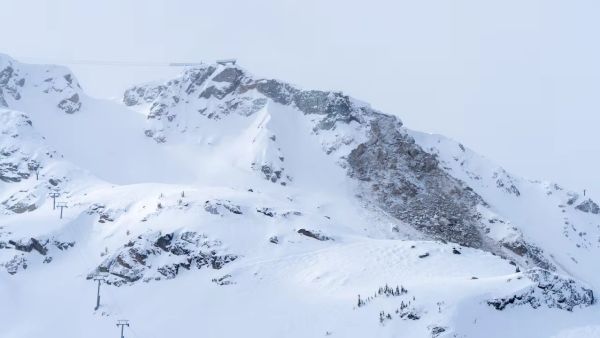
A section of Whistler Peak terrain will stay closed all 2026-27 season, Vail Resorts has confirmed, with rockslide mitigation work continuing into summer 2027. Peak Express is still expected to run this winter, but locals are already arguing about what’s actually off limits, whether the Whistler Bowl is gone, and why the news landed after pass sales wound down. Here’s where things stand.
7 Nov 2026
Loveland Ski Area Opens for 2026-27 and Marks 60 Years of Snowmaking
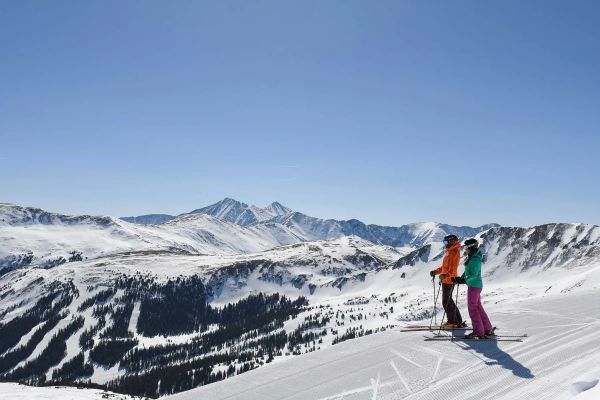
Loveland is open. The Colorado ski area started Chet’s Dream turning on Saturday 7 November to kick off 2026-27, with $60 adult lift tickets to mark 60 years of snowmaking. Expect three runs, nearly 1,000 vertical feet (about 300 metres) of top-to-bottom skiing, live music on the Basin Patio and no beginner terrain yet. Here’s what’s open, what it costs and when Loveland Valley follows.
7 Nov 2026
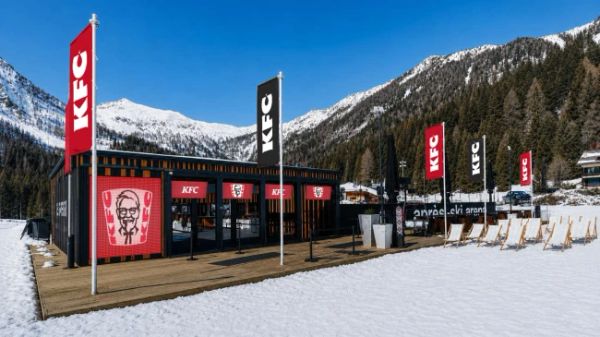
KFC Is Coming to the Slopes at Cortina and Madonna di Campiglio
Fried chicken is heading up the Dolomites. From 5 December KFC will run two restaurants on the slopes - one at 2,123 metres at Cortina, one at 1,700 metres at Madonna di Campiglio - and the polenta-and-canederli crowd has opinions. Local politicians, conservation groups and plenty of Facebook commenters are calling it a step too far, while others just want a cheaper lunch. Here’s what’s on the menu and what’s the fuss.
5 Nov 2026
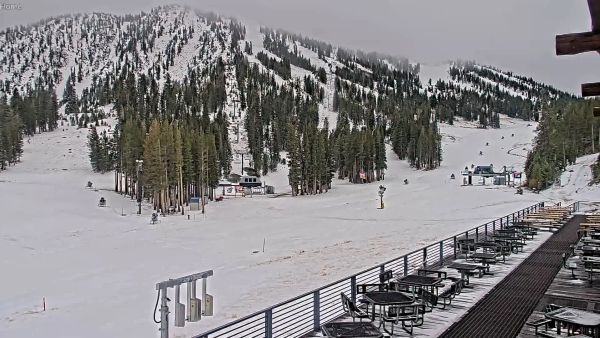
Mt Rose Aims to Open First in Tahoe on November 6
Mt Rose is going for the first-in-Tahoe title, with the Lakeview Express due to spin at 9 a.m. on Friday, November 6. One main lift, three runs and plenty of snowmaking, sitting on the highest base elevation in the region at 8,260 ft. Here is what is open, what is not (sorry, tubing fans), and how the early North American openings are stacking up.
4 Nov 2026
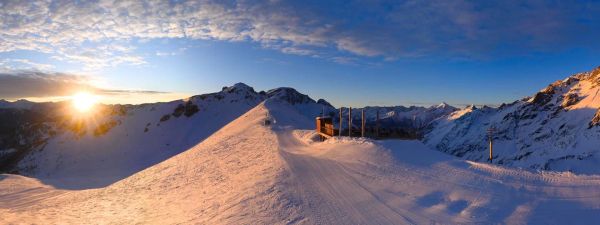
Europe Snow Forecast: Serre Chevalier Leads With 82 cm Over the Next 10 Days
Europe has had a quiet start to November, but our 10-day forecast has Serre Chevalier on 82 cm and Les 2 Alpes on 71 cm. Two pushes are lined up: a western Alps top-up from Friday, then a bigger, wider system on Thursday, November 12 and Friday, November 13 that reaches Italy and Switzerland. Full leaderboard inside.
4 Nov 2026
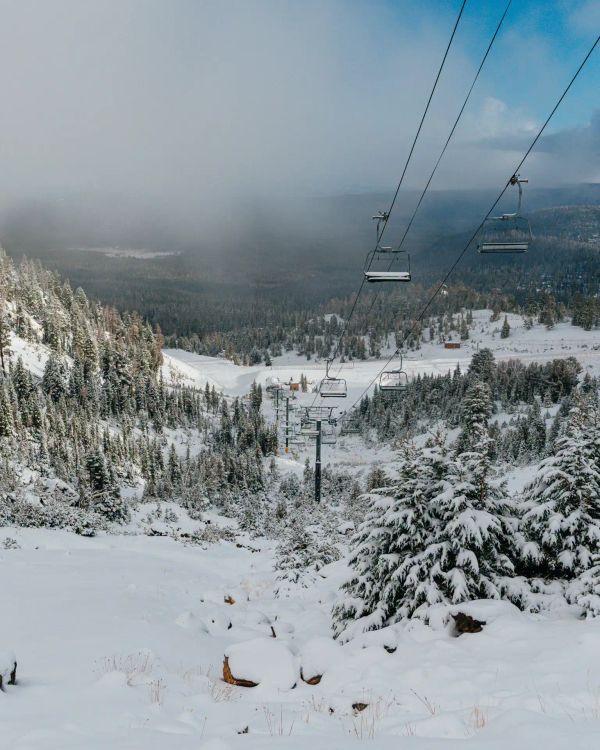
Mammoth Mountain Opens Early on November 5 With Up to 33 Inches of Snow in the Forecast
Mammoth just moved opening day forward to Thursday, November 5, eight days ahead of schedule. A snowy weekend and cold snowmaking nights did the work, and our forecast shows up to 33 inches more landing on November 13 and 14. Here is what opens, what the weather looks like and where Mammoth sits among the early Ikon Pass openers.
3 Nov 2026
Utah Snow Storm Builds Early-Season Base Ahead of November Openings
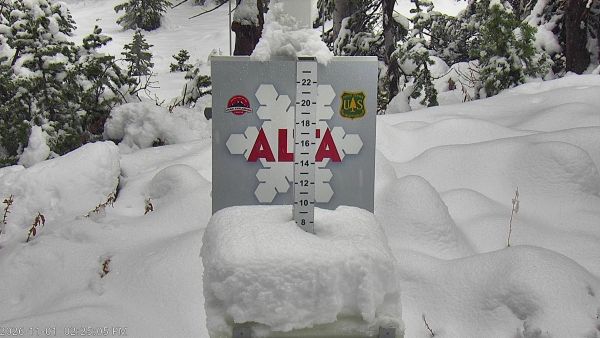
Rain down low, snow up high, and a snow report full of zeros that mostly means ‘not updated yet’. Utah’s first proper storm of 2026-27 is rolling through the Wasatch, Snowbird’s snow stake is closing in on 10 inches, and Brian Head is five days from opening day. Early November snow rarely looks like much, but it is the layer every November opening date is built on. Here is where it stands.
1 Nov 2026
Telluride Lift System
Telluride runs nineteen lifts: three double chairs, six quad chairs, four six-person chairs, one triple chair and one gondola, serving 148 runs across 2,000 acres, alongside four surface lifts. The free public gondola, opened in 1996, remains a defining feature, connecting the historic town of Telluride to Mountain Village without requiring a car.
The broader lift network has expanded considerably since Telluride Ski Resort's 1972 opening under developer Joseph T. Zoline, with successive ownership groups investing in additional chairs to access the mountain's considerable, expert-weighted terrain.
The six-person and quad chairs now provide access to Telluride's dramatic high-alpine terrain, supporting the resort's substantial 39 per cent expert-terrain share, while the gondola and surface lifts serve the more moderate terrain around Mountain Village and the historic town base.
Continued investment has supported this nineteen-lift network across Telluride's considerable elevation gain. Specific recent individual lift replacement projects are not confirmed in available resort information. Telluride's combination of a free town-connecting gondola and extensive high-alpine chairs remains a distinctive feature among Colorado's major resorts.
19lifts across 6 types
2
Gondolas
8
Quad Chairs
2
Triple Chairs
2
Double Chairs
2
T-Bars
3
Surface Lifts
Telluride lift system
Telluride is served by 19 lifts, listed here by type. Check which lifts are turning against the live conditions before you plan your first laps - early lifts and high-speed chairs get you to the best snow fastest.
More Telluride intelligence: trail map, snow report, webcams, resort overview.