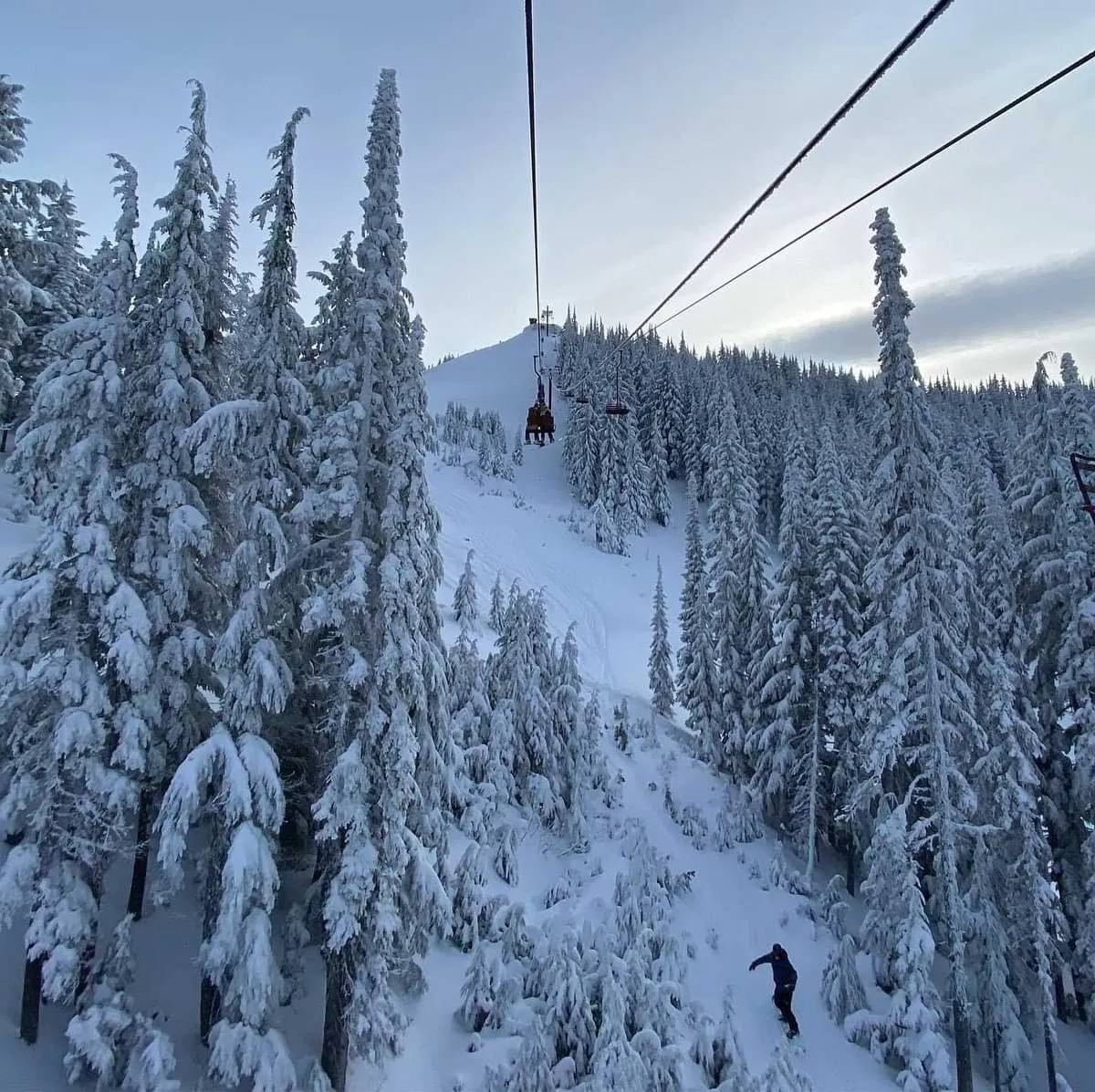
Silver Mountain
1,600 acres, 80 runs above Kellogg. World's longest single-stage gondola, Indy Pass access.

Current Conditions→
Season 2026 - 2027
Opens
28 Nov 2026
Closes
18 Apr 2027
Days open
141
Annual snow
300in
The Overview
Michael Fulton
Melbourne-based skier and snowboarder with 50+ resorts across 5 continents. Specialises in Australian resorts and international resort comparisons.
Silver Mountain's summit reaches 6,299 feet, dropping 2,198 vertical feet to a base at 4,101 feet across 80 runs spread over 1,600 acres above Kellogg, Idaho. Terrain splits 40 per cent intermediate, 30 per cent advanced, 20 per cent beginner and 10 per cent expert, with average annual snowfall of roughly 300 inches. The resort carries Indy Pass and Powder Alliance affiliation. Six lifts, including a gondola, one quad chair and two triple chairs, serve the mountain alongside two double chairs.
Silver Mountain's defining feature is its gondola, which climbs 3.1 miles directly from the town of Kellogg to the mountain base, the world's longest single-stage gondola ride at close to twenty minutes each way. This unusual base-to-mountain link was built specifically to revive a Silver Valley economy devastated by the decline of mining and logging. The resort's terrain and lift network sit above the gondola's upper terminal at Mountain House.
The ski area first opened in January 1968 as Jackass Ski Bowl on Wardner Peak, later renamed Silverhorn in 1973 following an ownership change. In the mid-1980s, Kellogg city councilman Wayne Ross conceived the idea of a gondola linking the depressed valley floor town directly to an expanded resort, aiming to stimulate the local economy. In December 1987, the US Congress approved 6.4 million US dollars in matching funds toward construction.
In September 1988, the economically struggling town of Kellogg voted by more than 82 per cent to tax itself two million US dollars over twenty years, and Swiss lift manufacturer Von Roll Tramways agreed to guarantee much of the remaining funding. Ground broke for the gondola and base village on 25 April 1989, and the resort was renamed Silver Mountain that summer. Adult daily tickets run from 79 to 99 US dollars, with season passes from 349 dollars, reflecting the resort's role as both a ski destination and a community revival project.
2,198ft
Vertical
80
Runs
1,600 acres
Skiable
300in
Annual snow
Indy / Powder Alliance
Pass
The Terrain
80 runs across 1,600 acres skiable
Silver Mountain above Kellogg offers 80 runs across about 1,600 acres (648 hectares) in the Silver Valley, with a base at 4,100 feet (1,250 m) and a summit at 6,300 feet (1,920 m), roughly 2,200 feet (670 m) of vertical. Intermediates account for 40%, advanced skiers 30%, beginners 20% and experts 10%. Skiers reach the slopes on a 3.1-mile gondola from town, and a quad, two triples and two doubles do the work above Mountain House. The mix gives intermediate skiers plenty of cruising, with enough steeper pitches to keep stronger skiers interested.
Above Mountain House, the quad and triple chairs lead to the top of Kellogg Peak, where steeps, bumps and a number of alternative lines open up toward neighbouring Wardner Peak. The Wardner side, served by a double chair, is known for chutes and mogul runs, and sits close to the original Jackass Ski Bowl area. Chair 2 reaches glades and advanced terrain, while chairs 3 and 4 serve gentler intermediate runs. Silver Mountain suits strong intermediates and advanced skiers wanting varied terrain and short lift lines, and the gondola means beginners can ride to the base without a mountain drive.
Terrain split
80
runs
80 runs across 4 grades
Beginner16 runs · 20%
Intermediate32 runs · 40%
Advanced24 runs · 30%
Expert8 runs · 10%
Time it right
When to visit Silver Mountain
The 2025-26 season at Silver Mountain ran from 21 November 2025 to 19 April 2026, a roughly twenty-one-week season supported by average annual snowfall of around 300 inches. This substantial snowfall, combined with the resort's Silver Valley location, gives Silver Mountain a reliable natural season relative to many Idaho resorts of similar size. Season dates can shift slightly depending on early and late-season weather.
Midwinter, from December through February, typically brings the most consistent conditions to the mountain's varied terrain. The gondola ride itself is a year-round draw for visitors, meaning the resort sees traffic even from those not necessarily skiing, though winter operations centre on the lift-served terrain above Mountain House. Weekday visits tend to be quieter than weekends.
As an Indy Pass and Powder Alliance resort, Silver Mountain draws visiting skiers holding those multi-resort passes in addition to its regional Silver Valley base. The historic mining-town setting of Kellogg adds a distinct cultural dimension to the resort experience beyond the slopes themselves. School holiday periods bring increased family visitation, supported by the resort's indoor waterpark as a non-ski amenity.
Specific event programming beyond standard lift and gondola operations is not confirmed in available resort information. The combination of substantial snowfall and the novelty of the world's longest single-stage gondola ride continues to define the Silver Mountain visitor experience through the season. Kellogg's ongoing economic reliance on the resort, dating to its founding purpose in the late 1980s, remains a backdrop to its operations.
Season 2026 - 2027
28 Nov 2026
Opens
18 Apr 2027
Closes
141
Days open
300 in
Annual snow
The record
Historical snowfall at Silver Mountain
Daily snow reports at Silver Mountain go back to 2025, 2 winters on the books. Open the record to compare winters, lifts and piste.
16 in
Snowiest day
7 Jan 2026
5 in
This winter · 2026-27
so far
69 in
Typical winter
average of complete seasons
Winter totals
in
Past wintersThis winter
Getting there
Getting to Silver Mountain, and where to stay
Silver Mountain rises above the town of Kellogg in the Silver Valley of northern Idaho, with a base elevation of 4,101 feet and a summit at 6,299 feet across a 2,198-foot vertical drop over 1,600 acres. The resort sits just south of Interstate 90 in Shoshone County, a region historically built on mining and logging.
Kellogg itself is the resort's gateway town, connected directly to the mountain by the 3.1-mile gondola that climbs from the town centre to the ski area's base facilities. This direct link means visitors can begin their mountain experience from downtown Kellogg rather than driving to a separate base area, a distinctive arrangement among Idaho resorts. The town's mining heritage remains visible throughout the Silver Valley.
Interstate 90 runs directly through Kellogg, providing straightforward access from both Idaho and neighbouring Washington and Montana. Winter driving conditions on I-90 can include snow and ice during storms, though the route is well maintained given its role as a major interstate corridor. The gondola itself removes the need for a separate winding mountain access road once visitors reach town.
Spokane International Airport, roughly an hour to the west along I-90, is the nearest airport with substantial commercial service. This gives Silver Mountain reasonably convenient access for fly-in visitors from the broader Inland Northwest. Most visitors, however, arrive by car along Interstate 90 from Idaho, Washington or Montana before taking the gondola up from Kellogg.
Where to stay
Search all stays →Stays map loads when you scroll here
Hotels and lodges near Silver Mountain, powered by Stay22.
Latest News
From the SnowStash desk
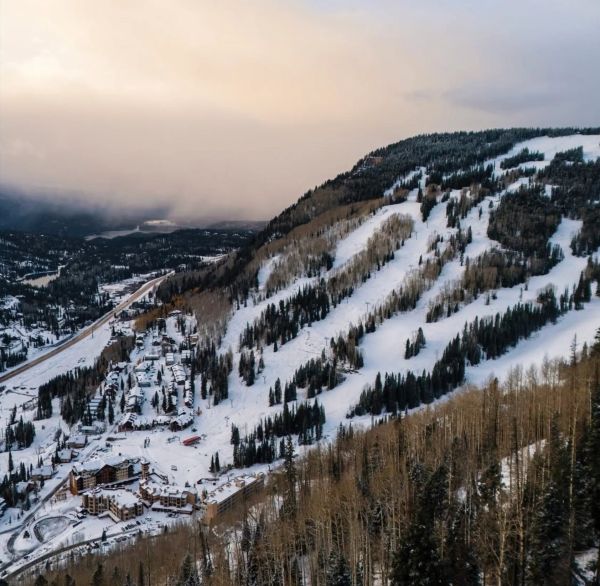
Purgatory Reveals Seven New Trails and a Colorado Couloir Chairlift Opening in December
Purgatory’s new trail map reads like a warning label. Seven new trails named after Dante’s Divine Comedy arrive with the Colorado Couloir chairlift in December, adding around 40 acres (16 ha) of steep pitches and gladed tree skiing. Five of them are black or double black. The resort opens for the season this Friday, 20 November.
19 Nov 2026
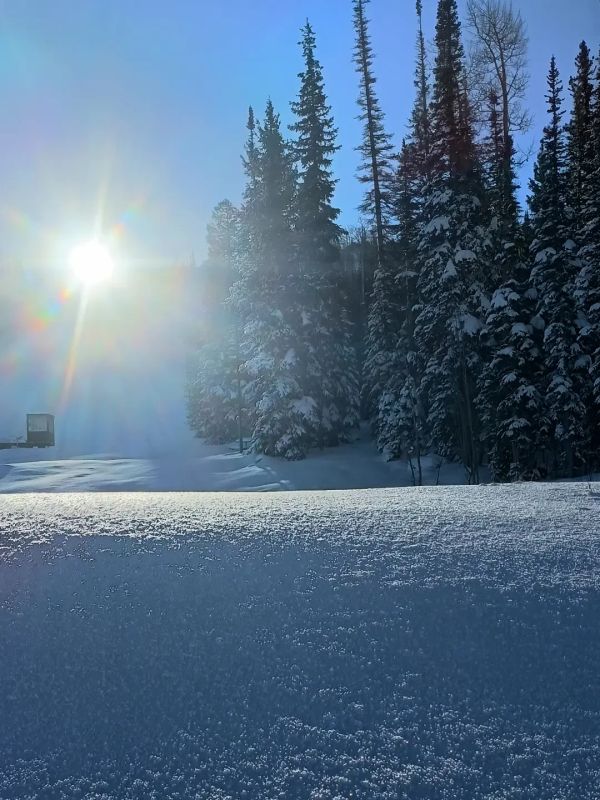
Brian Head Becomes First Utah Resort to Open for 2026-27, With Six Trails and a New Snowmaking Pipeline
Utah’s ski season has started, and it began in the south. Brian Head opened on Tuesday, 17 November, with six trails on the Navajo Express after 14 inches (36 cm) of storm snow and another half foot on opening day. It is the second year running the resort has beaten the rest of the state to first chair, and it has put nearly $1 million into a new snowmaking pipeline that can run 24 guns at once.
19 Nov 2026
Heavenly and Northstar Open Friday as Lake Tahoe Snow Stacks Up, With Kirkwood Eyeing an Early Start
Tahoe has gone from dry to deep in a week. Heavenly and Northstar open this Friday, 20 November, with up to 24 inches (61 cm) already down at Kirkwood and 50+ inches (127 cm) in the 10-day forecast. Kirkwood normally waits until December, but this snow might change that. Heavenly is even talking about opening Stagecoach in Nevada early, which almost never happens this soon.
18 Nov 2026
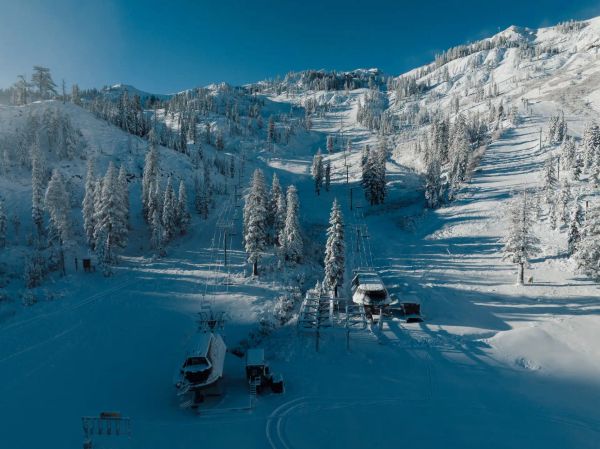
Palisades Tahoe Opens Saturday, Four Days Early, After 26 Inches of New Snow
Palisades Tahoe has pulled its opening forward by four days. Lifts spin this Saturday, 21 November, after 26 inches (66 cm) of new snow, with up to 50 more in the forecast. Opening terrain includes Treeline Cirque at Alpine and Gold Coast and Sunkid 1 at Palisades, though the resort says the weather could change the plan. Tickets are $99 through Tuesday.
18 Nov 2026
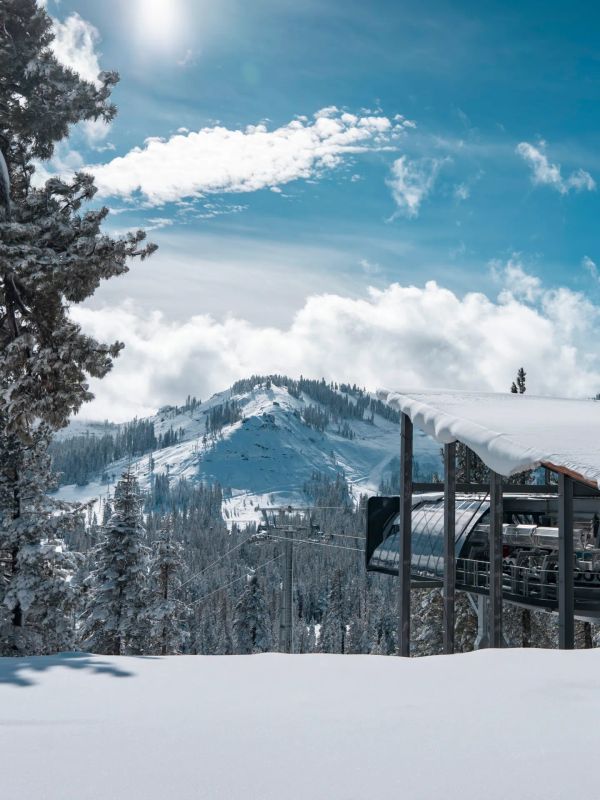
Sugar Bowl Gondola Slips to January 2027 as Opening Day Holds
Sugar Bowl still opens on 27 November, just without its new gondola. The eight-passenger Village Gondola is now targeting January 2027, with all eight towers up, the haul rope on and the first cabin hanging. Until it runs, everyone gets in through the Main Lodge, with curbside drop-off and parking lot shuttles. It replaces the first gondola in the western US, which dates from 1953.
16 Nov 2026
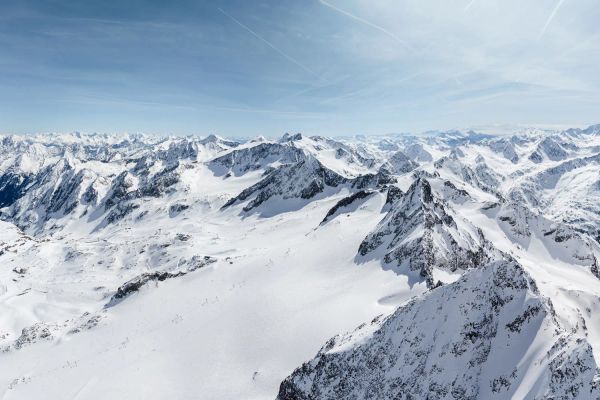
Stubai Glacier Avalanche Ends in Austria’s First Death of the Season
A 72-year-old American skier has died on Stubai Glacier after a small slab avalanche carried him over rocky ground and into a 20-metre crevasse. It is Austria’s first avalanche death of the 2026-27 season, and forecasters had flagged this exact setup two days earlier. Here is what happened near the Daunscharte, and what the snowpack was already telling anyone who was reading it.
15 Nov 2026
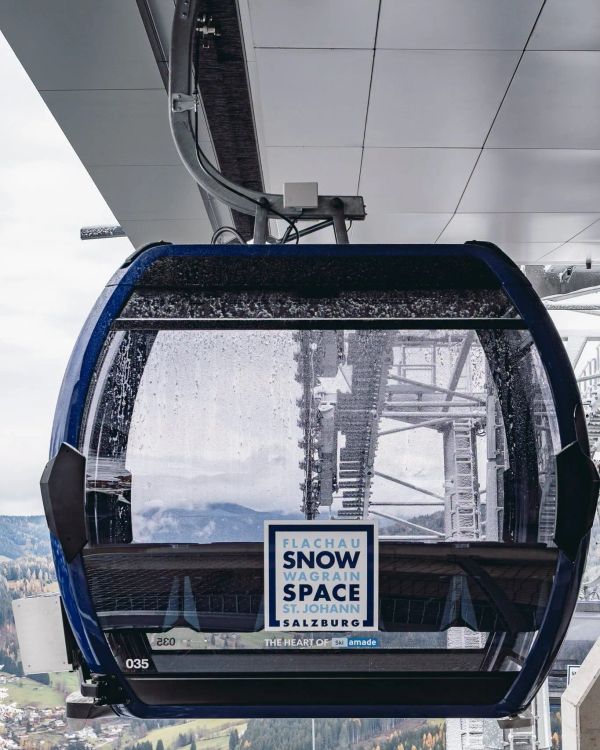
Wagrain’s New Grafenbergbahn Gondola Appears in First Photos
Wagrain’s new Grafenbergbahn is nearly here, and Snow Space Salzburg stamped “no AI” on the first photos, which says plenty about 2026. One 10-person gondola takes over from three old lifts, with 120 cabins moving up to 3,400 people an hour and a mid-station link into the G-Link. Dark blue cabins, fresh snow, no opening date yet.
14 Nov 2026
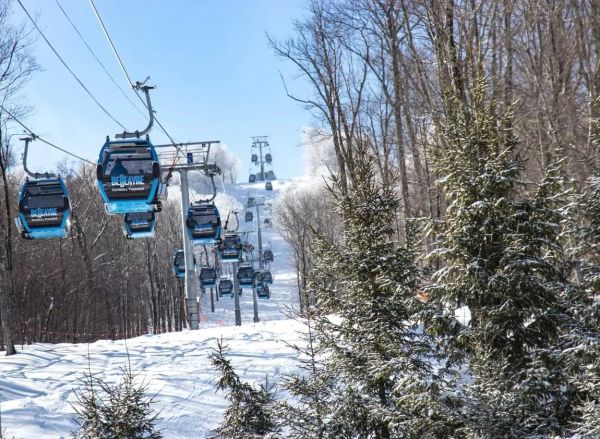
Indy Pass Adds 10 Alpine and 5 Nordic Partners for 2026-27
Indy Pass just got bigger. On 12 November it announced 10 new alpine resorts and 5 Nordic centres for 2026-27, including four in Norway and one in Austria. Three New York State mountains - Whiteface, Gore and Belleayre - also signed on to its Allied Program, with discounted tickets rather than included days. Waitlisted customers are being offered passes, and Learn to Turn news is due this week. Full list inside.
13 Nov 2026
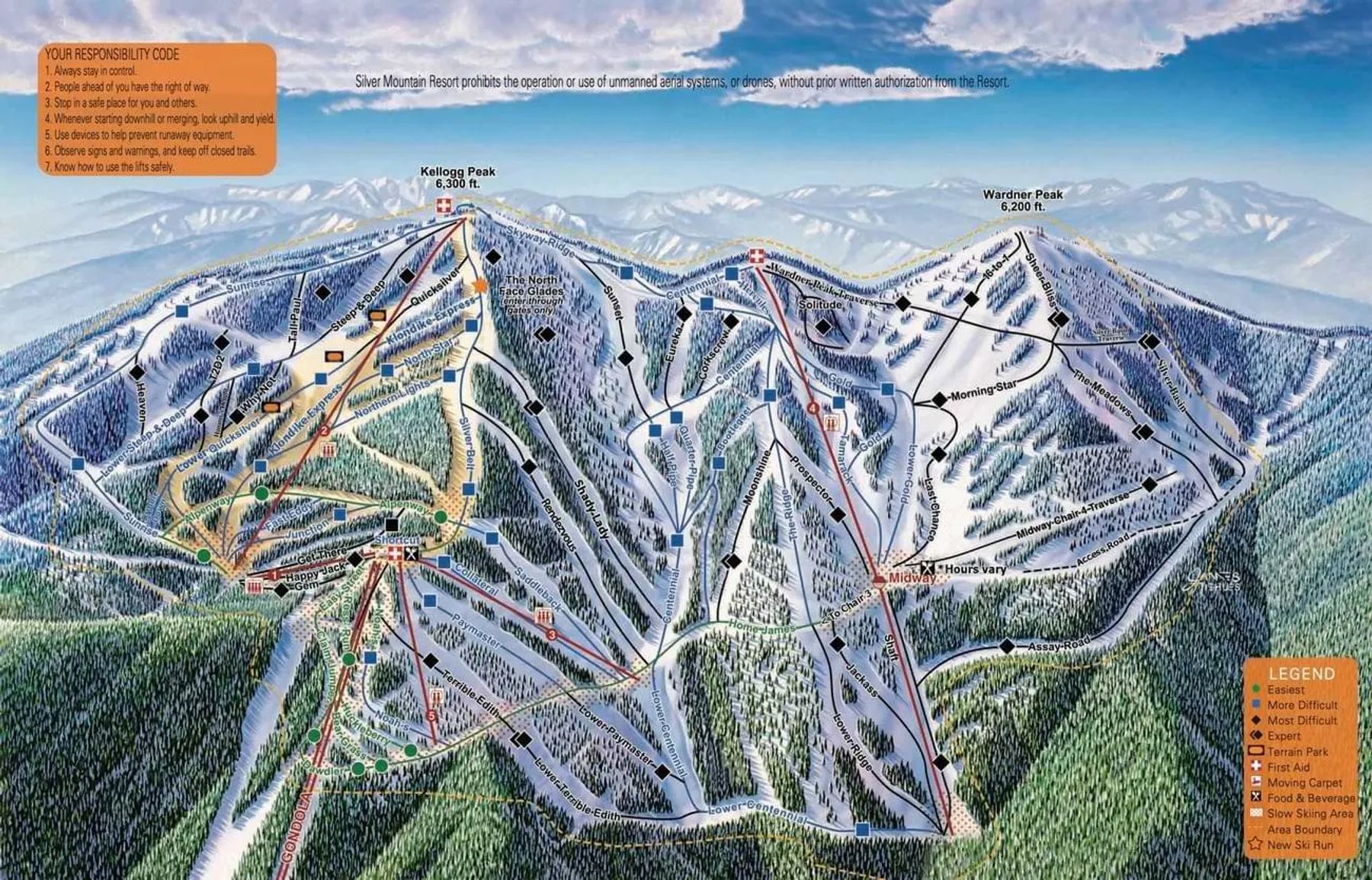
Silver Mountain Trail Map
Downloadable Silver Mountain trail map
Terrain split
80
runs
Beginner20%
Intermediate40%
Advanced30%
Expert10%
1,600 acres skiable647 hectares
Resort Stats
Elevation
Base4,101ft
Summit6,299ft
Annual snowfall
300in
Season
2026 - 2027
28 Nov 2026 - 18 Apr 2027
Trail coverage
80 runs
1,600 acres (647 ha)
About Silver Mountain's trail map
Explore Silver Mountain's full trail map with 80 runs across the mountain, colour-coded by difficulty and shown alongside the terrain split. Use it to plan a day that matches your ability, find lift-served pockets of your favourite grade, and see how the resort links together. Download the piste map (PDF) ↗
More Silver Mountain intelligence: snow report, lift system, webcams, resort overview.