
The Overview
Michael Fulton
Melbourne-based skier and snowboarder with 50+ resorts across 5 continents. Specialises in Australian resorts and international resort comparisons.
Whitefish Mountain Resort's summit reaches 6,817 feet, dropping 2,352 vertical feet to a base at 4,465 feet across 113 runs spread over 3,000 acres above Whitefish, Montana. The resort carries no major multi-resort pass affiliation. Fourteen lifts, including four quad chairs and seven triple chairs, serve the mountain alongside one surface lift and two t-bars.
Whitefish is known throughout the skiing world for its snow ghosts, the striking rime-ice-coated trees that blanket the upper mountain, and for sweeping views toward Glacier National Park on clear days. This distinctive combination of natural features has built the resort's reputation well beyond Montana's borders. The mountain's considerable 3,000-acre footprint and 113 runs place it among the largest ski areas in the state.
Skiers first used the slopes of Big Mountain, as the resort was originally known, from 1935, with the first cabin, called Hell Roaring Ski Camp, built that year and a rope tow following by 1939. Winter Sports Inc., known as WSI, formed in 1947 as a public company owned by community shareholders, and the resort formally opened Big Mountain on 14 December 1947, with Ed Schenck and George Prentice contributing 20,000 US dollars and the local chamber of commerce raising a further 40,000. The resort hosted the 1949 US Alpine Championships, where sixteen-year-old Andrea Mead of Vermont won all three women's titles.
WSI's shares became increasingly concentrated when Budget Finance of Kalispell, owned by Richard A. Dasen, began acquiring shares in the late 1980s. William P. Foley II subsequently acquired the resort while it remained publicly traded as WSI, and it now operates as a private company with Foley as majority owner.
2,352ft
Vertical
113
Runs
3,000 acres
Skiable
19ft
Annual snow
The Terrain
113 runs across 3,000 acres skiable
Whitefish Mountain Resort, on Big Mountain above Whitefish in north-west Montana, spreads 113 runs across about 3,000 acres (1,214 hectares). The base is 4,470 ft (1,361 m) and the summit is 6,820 ft (2,078 m), a vertical drop of 2,350 ft (717 m). The split is 12% beginner, 38% intermediate, 44% advanced and 6% expert, with four quads, seven triple chairs, two T-bars and a surface lift moving skiers around the mountain. Average snowfall of around 230 inches builds in the cold, moist air off the Pacific, and the heavy frosting on the summit trees, known locally as snow ghosts, is common.
Hell Fire is the longest run on the mountain at roughly 2.5 miles from the summit to the base of Chair 8, running through Hellroaring Basin. The basin holds the steepest skiing, with cliffs, chutes and tight trees, while Toni Matt is a fast intermediate run down the front side, named after the Austrian racer who helped put the area on the map. Wide groomers and glades fill the rest of the mountain, and the town of Whitefish sits close by. It suits advanced skiers and confident intermediates wanting generous tree skiing, along with families looking for a long, varied day.
Terrain split
113
runs
113 runs across 4 grades
Beginner14 runs · 12%
Intermediate43 runs · 38%
Advanced50 runs · 44%
Expert7 runs · 6%
Time it right
When to visit Whitefish Mountain
The 2025-26 season at Whitefish Mountain Resort ran through the winter months, with the mountain's snow-ghost-forming conditions and considerable 2,352-foot vertical drop supporting skiing across the season. Specific opening and closing dates for the 2025-26 season are not confirmed in available resort information.
Midwinter, from December through February, typically brings the rime-ice conditions that create Whitefish's famous snow ghosts on the upper mountain, alongside clear-day views toward Glacier National Park. The resort's considerable 3,000-acre scale and 113 runs support a substantial visitor base drawn from across the northwestern United States and beyond.
As an independently operated resort without major multi-resort pass affiliation, Whitefish draws a mix of regional Montana skiers and destination visitors attracted by its scale, snow ghosts and Glacier National Park proximity. School holiday periods bring increased family visitation given the resort's substantial and varied terrain. The nearby town of Whitefish provides an active base for visitors throughout the season.
Specific event programming beyond standard operations and the resort's historic hosting of the 1949 US Alpine Championships is not confirmed in available resort information. Since William P. Foley II's acquisition of the formerly publicly traded Winter Sports Inc., the resort has continued to build on more than seven decades of development since its December 1947 opening. Whitefish's snow ghosts and Glacier views remain central to its seasonal identity.
Season 2026 - 2027
4 Dec 2026
Opens
4 Apr 2027
Closes
121
Days open
19 ft
Annual snow
Getting there
Getting to Whitefish Mountain, and where to stay
Whitefish Mountain Resort sits above the town of Whitefish in northwestern Montana, with a base elevation of 4,465 feet and a summit at 6,817 feet across a 2,352-foot vertical drop over 3,000 acres. This setting places the resort within reach of Glacier National Park, visible from the upper mountain on clear days.
Whitefish, a lively mountain town with extensive lodging, dining and shopping, provides the resort's primary base area experience, a short drive from the lifts themselves. Kalispell, a larger regional centre, lies nearby as well, while Glacier National Park's western entrance sits within a reasonable drive of the resort.
Local roads connect the town of Whitefish directly to the resort, a short and manageable drive given the mountain's proximity to town. Winter driving conditions on the approach can include snow and ice, though the well-travelled route is regularly maintained given the resort's status as a major regional and destination ski area. Shuttle services operate between the town and the mountain during the season.
Glacier Park International Airport in Kalispell, a short drive from both the town and the resort, offers direct flights from numerous major US cities, making Whitefish one of the more accessible destination ski areas in Montana for fly-in visitors.
Where to stay
Search all stays →Hotels and lodges near Whitefish Mountain, powered by Stay22.
Latest News
From the SnowStash desk
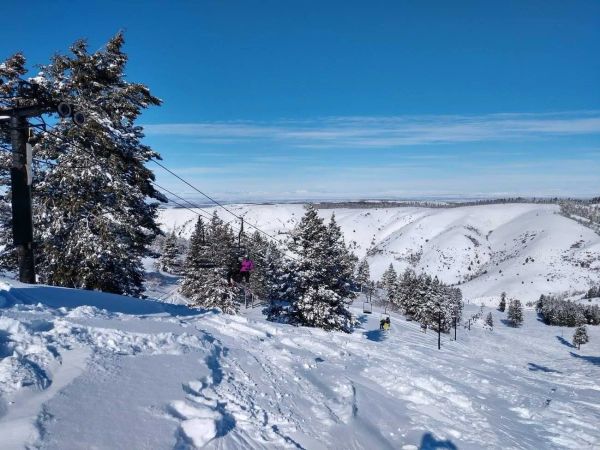
Kelly Canyon, Idaho, Adds Snowmaking, a Bigger Terrain Park and More Parking for 2026-27
Kelly Canyon had a rough 2025-26, and the Idaho resort has spent the summer making sure it doesn’t repeat. Snowmaking now reaches the top of Goldrush, the terrain park is doubling in size with a stereo system, lights and a snack shack, and the car park is getting bigger. Grooming is stepping up too. Target opening is December 4, conditions permitting.
9 Oct 2026
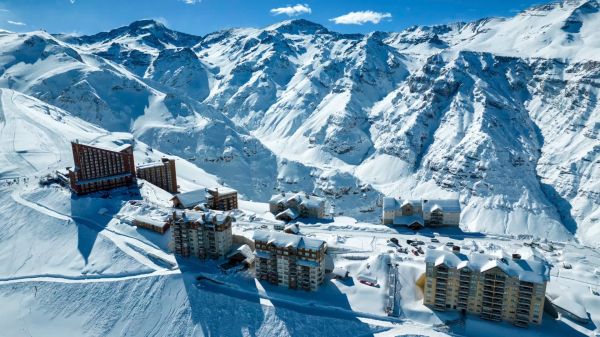
Valle Nevado Extends Season to November 8 After 108 cm in 48 Hours
Winter was meant to be winding down in Chile. Then Valle Nevado took 108 cm in 48 hours in early October, and the resort has pushed its closing date out to November 8 - its latest in 38 years of operation. That makes 143 days of skiing since opening day on June 19, with 690 cm banked for the season. Only part of the mountain is running while the storm settles, so check the mountain report before you plan a trip.
9 Oct 2026
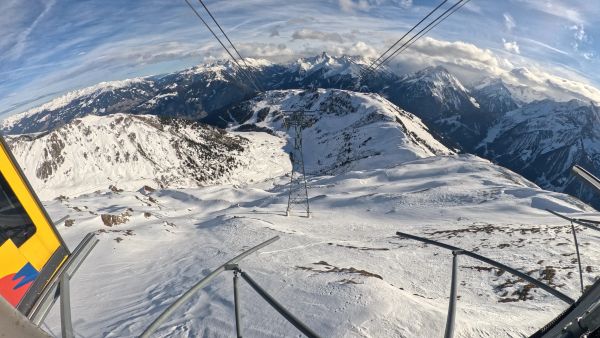
Alps Snow Forecast: Cold Front Brings Thursday Snow to the High Alps
The Alps look a lot more like winter today, for a day or so. A cold front is moving west to east, dropping up to 35 cm on high glaciers and peaks, with snow levels falling to around 1,500-1,800 m at times. Don’t plan a trip around it: mid-elevation snow will be thin and wet, every area is closed bar a limited Sölden glacier opening tomorrow, and warmer weather returns by Monday.
8 Oct 2026
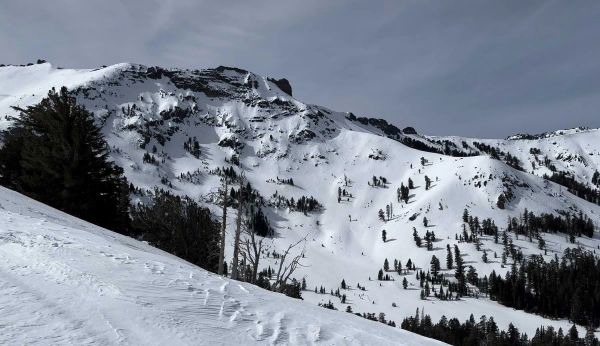
California Ski Resort Opening Dates 2026-27: Mammoth Leads, Tahoe Follows
Mammoth Mountain is first up in California, targeting Friday 13 November after a dusting of September snow. Heavenly and Northstar follow on 20 November, Palisades Tahoe on Wednesday 25 November and Sugar Bowl on 27 November, with Kirkwood on 4 December and June Mountain on 19 December. Plenty of smaller areas have no date yet. A super El Niño favours the Sierra, but a warmer storm track is the catch.
7 Oct 2026
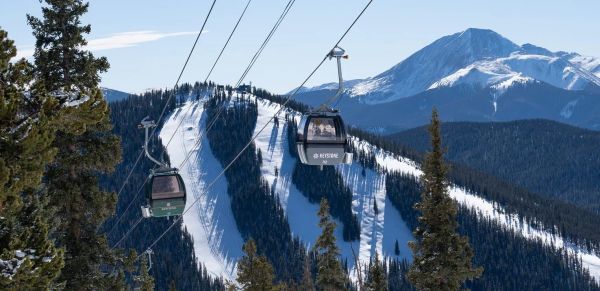
Colorado Ski Resort Opening Dates 2026-27: A-Basin and Keystone Race to Be First
Arapahoe Basin, Keystone and Winter Park are all chasing an October start, though none has a firm date yet. The first dated openers are Breckenridge and Copper on Friday 6 November, then Vail on 13 November, with most of the rest bunched around US Thanksgiving. Hesperus did not open at all last season. A super El Niño offers hope but no guarantee, and forecasters say the southern mountains have the better odds.
5 Oct 2026
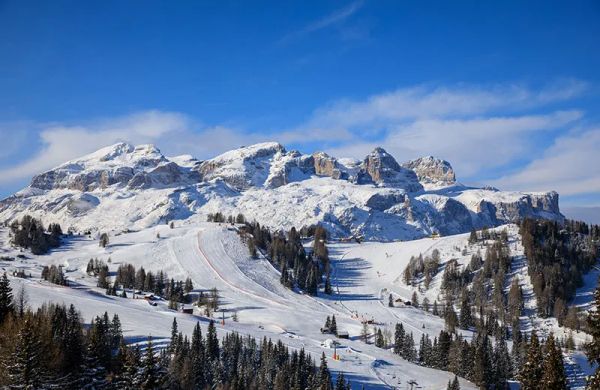
Dolomiti Superski 2026-27: Four New Gondolas, New Reservoirs and an €89 Peak Day Pass
Dolomiti Superski is spending around €100 million across its 12 areas before winter. Kronplatz gets a new 10-passenger gondola with a middle station, 3 Zinnen gets Helmissimo, and Val di Fassa swaps a chairlift for a gondola above Col Valvacin. New water-storage basins and upgraded snowmaking follow, and construction has started on the San Martino to Passo Rolle link. A peak adult day pass is €89.
4 Oct 2026
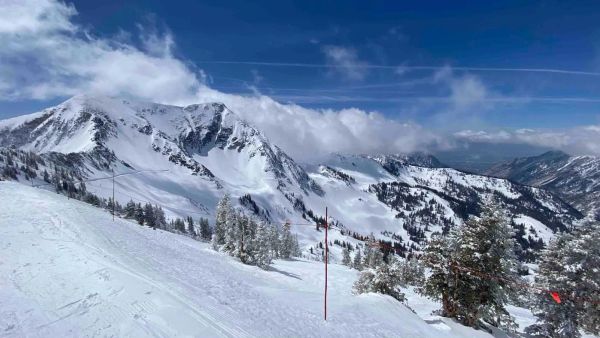
Utah Ski Resort Opening Dates 2026-27: Brian Head First, Eagle Point Out
Brian Head is targeting 6 November, though last year it aimed for 7 November and did not open until the 25th. Park City, Alta and Solitude are pencilled in for 20 November, Snowbird and Snowbasin for 27 November, and Deer Valley for 5 December. Eagle Point will stay closed after the Cottonwood Fire. A super El Niño is forecast, but the big snow is not expected until January.
4 Oct 2026
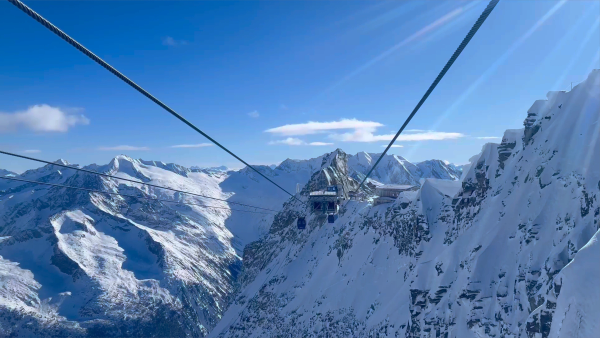
Hintertux Glacier Opens for 2026-27 With 12 Kilometres of Piste
Hintertux became Austria's second glacier to open for 2026-27 on Friday 2 October, after the Pitztal Glacier. Twelve kilometres of piste are running around the Olperer and Gefrorene Wand, served by one gondola and two drag lifts, with the Betterpark also open. Lifts officially run 8:15 am to 4:30 pm, but skiing stops at 2 pm for now.
4 Oct 2026
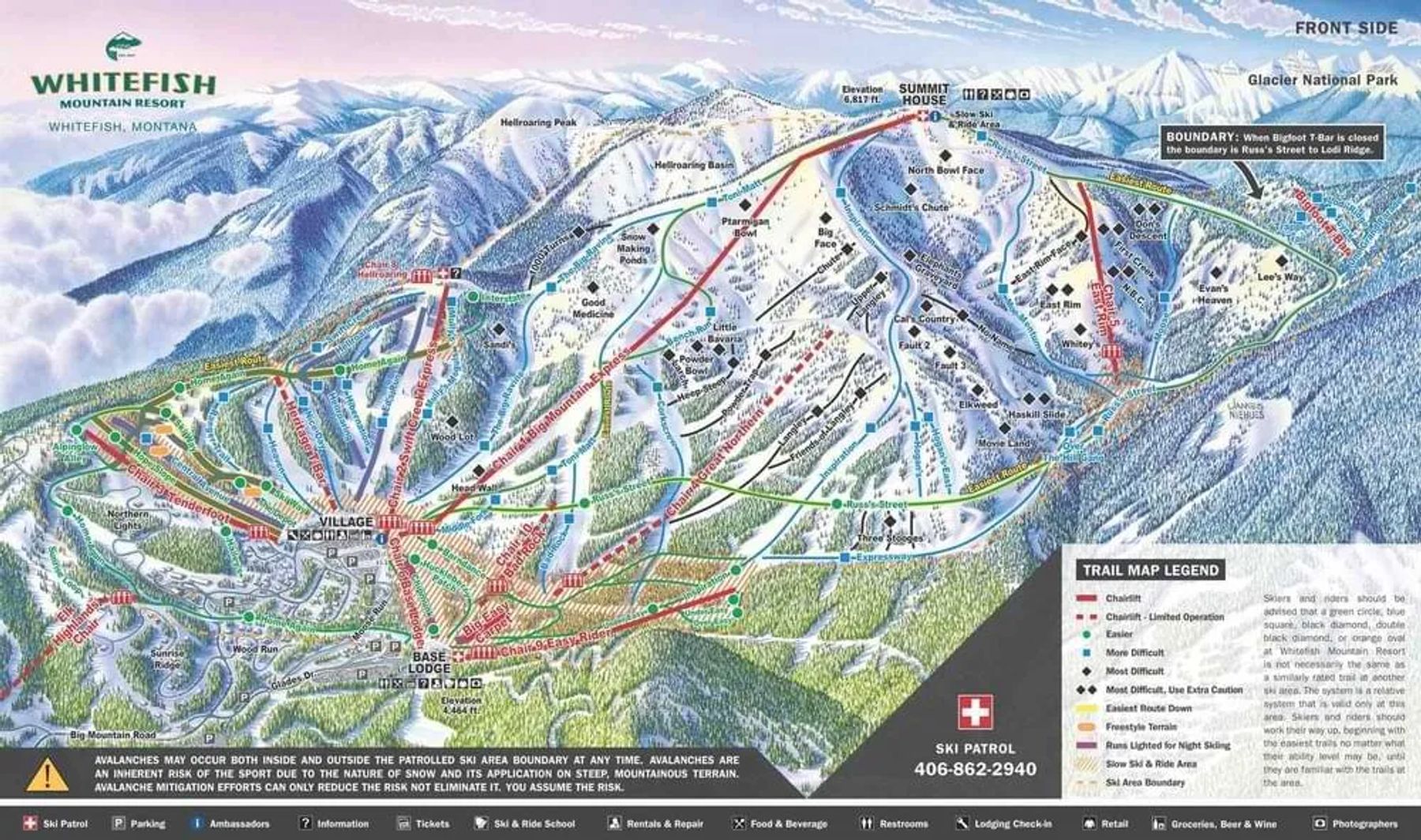
Whitefish Mountain Trail Map
Downloadable Whitefish Mountain trail map
Terrain split
113
runs
Beginner12%
Intermediate38%
Advanced44%
Expert6%
3,000 acres skiable1,214 hectares
Resort Stats
Elevation
Base4,465ft
Summit6,818ft
Annual snowfall
19ft
Season
2026 - 2027
4 Dec 2026 - 4 Apr 2027
Trail coverage
113 runs
3,000 acres (1,214 ha)
About Whitefish Mountain's trail map
Explore Whitefish Mountain's full trail map with 113 runs across the mountain, colour-coded by difficulty and shown alongside the terrain split. Use it to plan a day that matches your ability, find lift-served pockets of your favourite grade, and see how the resort links together.
More Whitefish Mountain intelligence: snow report, lift system, webcams, resort overview.