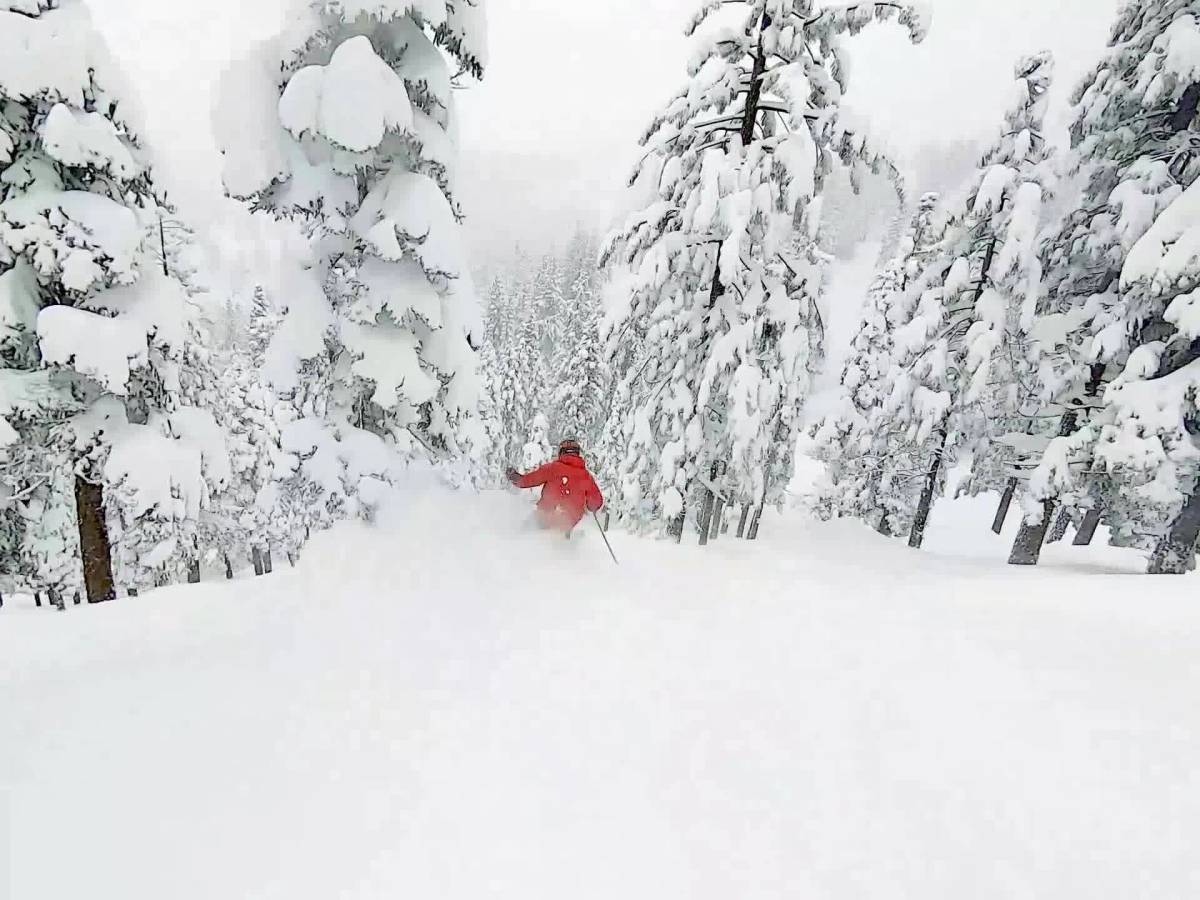
Diamond Peak
40 runs, 1,840ft vertical, 655 acres above Incline Village. Publicly owned, panoramic Lake Tahoe views.

Current Conditions→
Season 2026 - 2027
Opens
3 Dec 2026
Closes
18 Apr 2027
Days open
136
Annual snow
300in
The Overview
Michael Fulton
Melbourne-based skier and snowboarder with 50+ resorts across 5 continents. Specialises in Australian resorts and international resort comparisons.
Diamond Peak's summit reaches 8,540 feet, dropping 1,840 vertical feet to a base at 6,699 feet across 40 runs spread over 655 acres above Incline Village, Nevada. Terrain splits 46 per cent intermediate, 30 per cent advanced, 18 per cent beginner and 6 per cent expert. Average annual snowfall reaches roughly 300 inches. Diamond Peak carries no major multi-resort pass affiliation and is publicly owned by the Incline Village General Improvement District.
Seven lifts, including three double chairs and three quad chairs, serve the 40-run network with panoramic views over Lake Tahoe from much of the upper mountain. As a public utility district-owned ski area rather than a private or corporate resort, Diamond Peak reinvests revenue into the local Incline Village and Crystal Bay community rather than external shareholders. The resort's black-diamond-heavy expansion in the 1980s gave rise to its current name. Its Lake Tahoe views are considered among the best of any resort on the lake's north shore.
Diamond Peak began in 1966 as Ski Incline, developed by Incline Village founders Art Wood and Harold Tiller and designed by Austrian ski consultant Luggi Foeger, opening on 19 November 1966 just four months after construction began. The Incline Village General Improvement District exercised an option to purchase the ski area in 1976, financed through revenue bonds, bringing it under public ownership. A 1985 expansion added substantial new black-diamond-rated terrain, prompting the name change from Ski Incline to Diamond Peak at Ski Incline, later shortened to Diamond Peak.
With no major pass affiliation, Diamond Peak sells its own day tickets and season passes directly. Adult daily tickets range from 130 to 170 US dollars depending on date, with a beginner-specific ticket at a lower rate and free access for seniors 80 and over. The resort suits Lake Tahoe visitors and Incline Village residents seeking uncrowded, view-focused skiing over the larger commercial resorts elsewhere on the lake. Its public ownership model keeps it distinct from the corporately owned resorts that dominate the Tahoe Basin.
1,841ft
Vertical
40
Runs
655 acres
Skiable
300in
Annual snow
The Terrain
40 runs across 655 acres skiable
Diamond Peak spans 655 acres (265 hectares) above Incline Village on the north shore of Lake Tahoe, with 40 runs and a vertical of 1,840 ft (561 m). The summit stands at 8,540 ft (2,603 m) and the base at 6,700 ft (2,042 m). Intermediates make up 46% of the terrain, advanced runs 30%, beginners 18% and experts 6%. Many trails open onto lake views, which is rare for a mountain of this size. Lifts are a mix of quads and doubles with one surface lift, and the single-base layout keeps the mountain easy to navigate.
Crystal Ridge is the long run, at 2.1 miles one of the best ways to see the lake, while the Lakeview lift gives views from the chair. Solitude Canyon offers the steepest, most technical glade skiing, with narrow lines, rocks and small cliffs. Families and beginners have gentle slopes close to the base, and the groomed intermediate trails reward those who like cruising. Diamond Peak suits Tahoe visitors who want a quieter, scenic day without the scale of the bigger resorts. Experts will find limited terrain, so it is best as a one-day stop.
Terrain split
40
runs
40 runs across 4 grades
Beginner7 runs · 18%
Intermediate18 runs · 46%
Advanced12 runs · 30%
Expert2 runs · 6%
Time it right
When to visit Diamond Peak
The 2025-26 season at Diamond Peak ran from 13 December 2025 to 5 April 2026, a roughly sixteen-week window typical for a mid-elevation Lake Tahoe resort. The resort's base at 6,699 feet supports a solid season length without the extended windows seen at higher-elevation Sierra Nevada resorts. Season dates can shift based on early and late-season snowpack. This length is consistent with other north shore Tahoe competitors of similar elevation.
Average annual snowfall of roughly 300 inches benefits from Diamond Peak's position above Lake Tahoe's north shore, catching Sierra Nevada storm systems. This natural snowfall, combined with snowmaking, supports a reliable season through the Tahoe winter. Base depth builds through midwinter given the region's typical storm cycles. The lake's moderating effect can influence snow character at the resort's lower elevations compared with higher Sierra peaks.
January and February typically bring the deepest natural snowpack, consistent with the broader Sierra Nevada storm pattern. Holiday periods from Christmas through New Year bring heavier crowds given the resort's popularity with Tahoe visitors, though it remains less crowded than the larger commercial resorts nearby. March offers a balance of strong snow totals and improving weather. Weekday visits are generally quieter than weekends throughout the season.
Diamond Peak's calendar centres on serving the local Incline Village and Crystal Bay community alongside Tahoe visitors, reflecting its public ownership model. Specific festival or event programming beyond standard operations is not confirmed in available resort information. The resort's panoramic Lake Tahoe views remain a defining seasonal draw regardless of specific programming. As a publicly owned resort, its calendar priorities differ somewhat from profit-maximising corporate competitors on the lake.
Season 2026 - 2027
3 Dec 2026
Opens
18 Apr 2027
Closes
136
Days open
300 in
Annual snow
The record
Historical snowfall at Diamond Peak
Daily snow reports at Diamond Peak go back to 2025, 2 winters on the books. Open the record to compare winters, lifts and piste.
46 in
Snowiest day
18 Feb 2026
15 in
This winter · 2026-27
so far
84 in
Typical winter
average of complete seasons
Winter totals
in
Past wintersThis winter
Getting there
Getting to Diamond Peak, and where to stay
Diamond Peak sits above Incline Village on Lake Tahoe's north shore in Nevada, with a base elevation of 6,699 feet and a summit at 8,540 feet across a 1,840-foot vertical drop over 655 acres. This is the Nevada side of the Lake Tahoe Basin, distinct from the more heavily developed California side. Much of the mountain offers panoramic views over Lake Tahoe itself. The Sierra Nevada range surrounds the broader Tahoe Basin.
Incline Village is the nearest town, a planned community developed in the 1960s alongside the ski area's own origins as Ski Incline. Crystal Bay, a smaller nearby community, also falls within the Incline Village General Improvement District's service area. Reno, Nevada, lies within a reasonable drive, making Diamond Peak accessible without crossing into California. The broader Tahoe Basin carries a mix of resort development and protected natural land.
Nevada State Route 431, the Mount Rose Highway, and other local roads connect Incline Village and Diamond Peak to the broader Reno-Tahoe road network. The drive from Reno takes roughly 45 minutes to an hour under normal conditions. Winter driving on mountain routes into the Tahoe Basin can include snowpack and chain requirements during storms. No direct public transport service reaches the resort, making a car necessary for access.
Reno-Tahoe International Airport is the nearest airport with extensive commercial service, roughly 45 minutes to an hour from the resort by road. This makes Diamond Peak notably more accessible by air than many California-side Tahoe resorts, which often require a longer drive from Reno or Sacramento. No rail service reaches the immediate area. Most visitors fly into Reno and drive directly to Incline Village.
Where to stay
Search all stays →Stays map loads when you scroll here
Hotels and lodges near Diamond Peak, powered by Stay22.
Latest News
From the SnowStash desk
Purgatory Reveals Seven New Trails and a Colorado Couloir Chairlift Opening in December
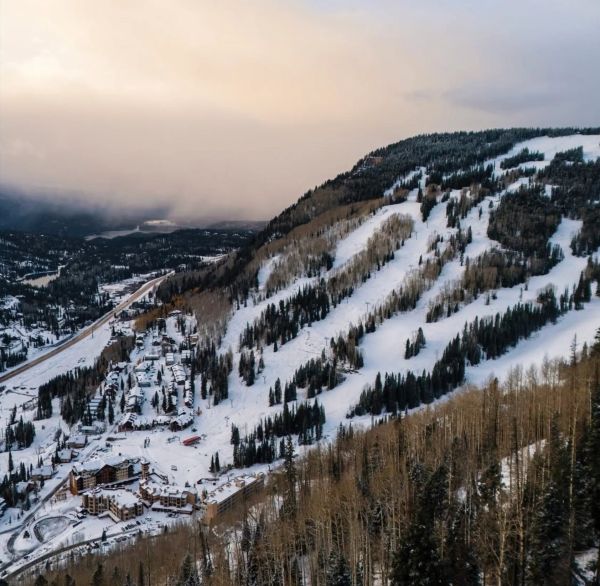
Purgatory’s new trail map reads like a warning label. Seven new trails named after Dante’s Divine Comedy arrive with the Colorado Couloir chairlift in December, adding around 40 acres (16 ha) of steep pitches and gladed tree skiing. Five of them are black or double black. The resort opens for the season this Friday, 20 November.
19 Nov 2026
Brian Head Becomes First Utah Resort to Open for 2026-27, With Six Trails and a New Snowmaking Pipeline
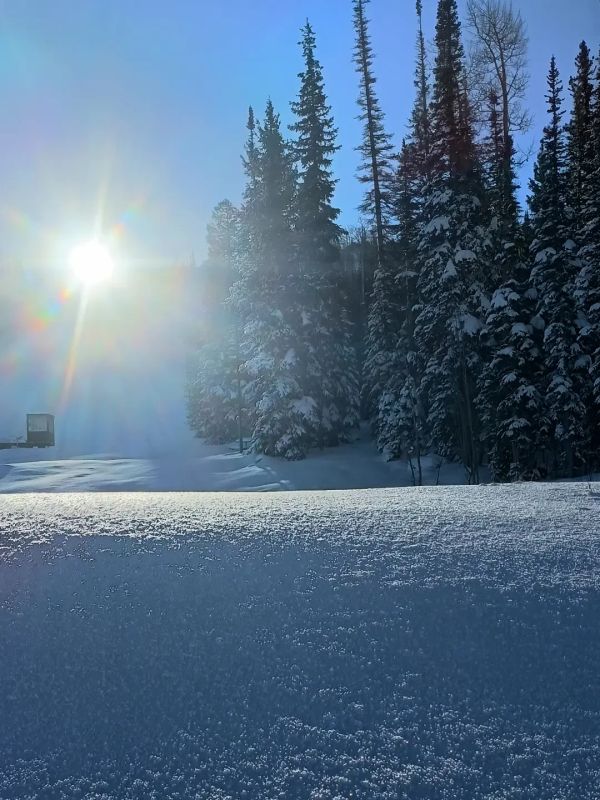
Utah’s ski season has started, and it began in the south. Brian Head opened on Tuesday, 17 November, with six trails on the Navajo Express after 14 inches (36 cm) of storm snow and another half foot on opening day. It is the second year running the resort has beaten the rest of the state to first chair, and it has put nearly $1 million into a new snowmaking pipeline that can run 24 guns at once.
19 Nov 2026
Heavenly and Northstar Open Friday as Lake Tahoe Snow Stacks Up, With Kirkwood Eyeing an Early Start
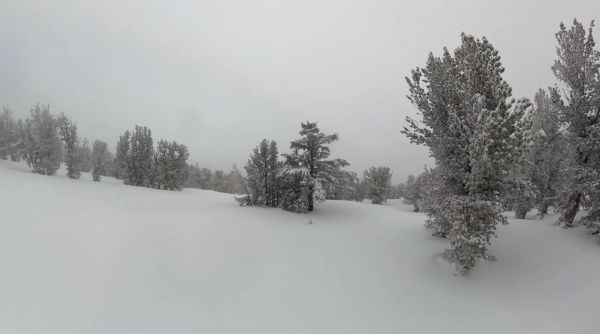
Tahoe has gone from dry to deep in a week. Heavenly and Northstar open this Friday, 20 November, with up to 24 inches (61 cm) already down at Kirkwood and 50+ inches (127 cm) in the 10-day forecast. Kirkwood normally waits until December, but this snow might change that. Heavenly is even talking about opening Stagecoach in Nevada early, which almost never happens this soon.
18 Nov 2026
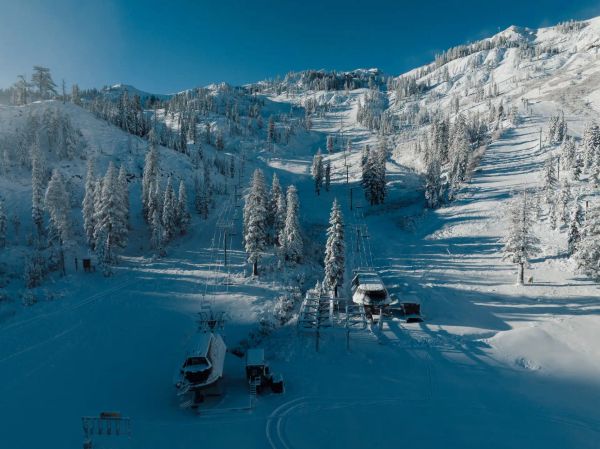
Palisades Tahoe Opens Saturday, Four Days Early, After 26 Inches of New Snow
Palisades Tahoe has pulled its opening forward by four days. Lifts spin this Saturday, 21 November, after 26 inches (66 cm) of new snow, with up to 50 more in the forecast. Opening terrain includes Treeline Cirque at Alpine and Gold Coast and Sunkid 1 at Palisades, though the resort says the weather could change the plan. Tickets are $99 through Tuesday.
18 Nov 2026
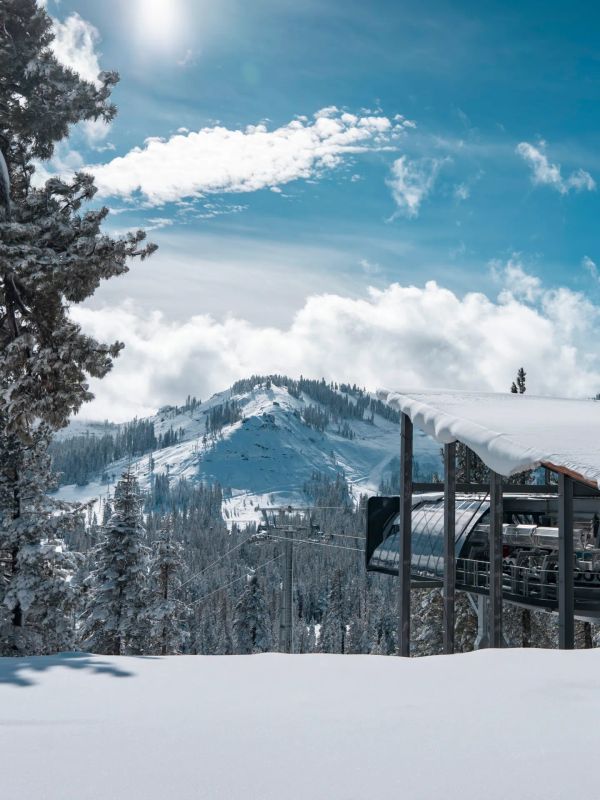
Sugar Bowl Gondola Slips to January 2027 as Opening Day Holds
Sugar Bowl still opens on 27 November, just without its new gondola. The eight-passenger Village Gondola is now targeting January 2027, with all eight towers up, the haul rope on and the first cabin hanging. Until it runs, everyone gets in through the Main Lodge, with curbside drop-off and parking lot shuttles. It replaces the first gondola in the western US, which dates from 1953.
16 Nov 2026
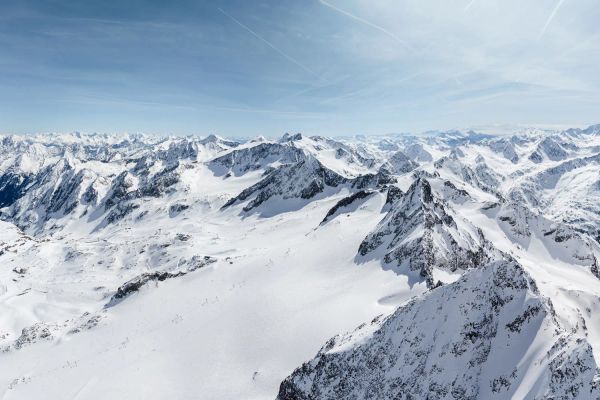
Stubai Glacier Avalanche Ends in Austria’s First Death of the Season
A 72-year-old American skier has died on Stubai Glacier after a small slab avalanche carried him over rocky ground and into a 20-metre crevasse. It is Austria’s first avalanche death of the 2026-27 season, and forecasters had flagged this exact setup two days earlier. Here is what happened near the Daunscharte, and what the snowpack was already telling anyone who was reading it.
15 Nov 2026
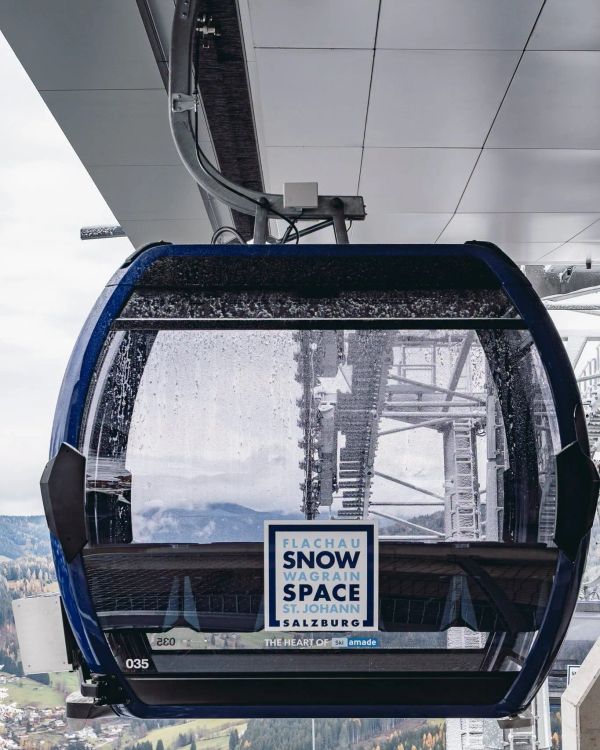
Wagrain’s New Grafenbergbahn Gondola Appears in First Photos
Wagrain’s new Grafenbergbahn is nearly here, and Snow Space Salzburg stamped “no AI” on the first photos, which says plenty about 2026. One 10-person gondola takes over from three old lifts, with 120 cabins moving up to 3,400 people an hour and a mid-station link into the G-Link. Dark blue cabins, fresh snow, no opening date yet.
14 Nov 2026
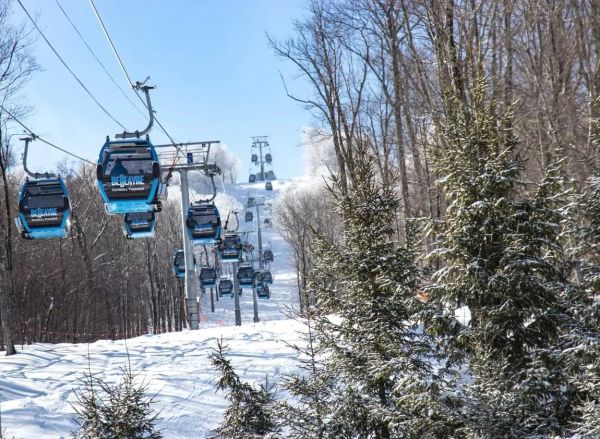
Indy Pass Adds 10 Alpine and 5 Nordic Partners for 2026-27
Indy Pass just got bigger. On 12 November it announced 10 new alpine resorts and 5 Nordic centres for 2026-27, including four in Norway and one in Austria. Three New York State mountains - Whiteface, Gore and Belleayre - also signed on to its Allied Program, with discounted tickets rather than included days. Waitlisted customers are being offered passes, and Learn to Turn news is due this week. Full list inside.
13 Nov 2026
Diamond Peak Webcams
3 live angles across the mountain. Tap any camera to go full-screen.
About Diamond Peak's live webcams
Check live conditions across Diamond Peak with 3 real-time webcams showing snow, weather, and lift operations, updated every 10 minutes. Check high-elevation cams for powder visibility and base-area cams for crowd levels before you head up.
Camera guide
- Summit Cam8,520ft
- Experience commanding summit views through this Diamond Peak webcam positioned at 2597 meters elevation overlooking Lake Tahoe. This Diamond Peak live cam delivers spectacular panoramas across the iconic alpine lake and surrounding Sierra Nevada peaks. Perfect for assessing upper mountain conditions, this live snow cam showcases the stunning Tahoe vistas that make Diamond Peak a favorite among locals seeking uncrowded Nevada skiing.
- Snowflake Lodge7,461ft
- Monitor mid-mountain terrain through this Diamond Peak webcam at Snowflake Lodge positioned at 2274 meters elevation. This Diamond Peak web cam captures the popular mid-mountain hub and surrounding intermediate runs. Families use this live snow cam to check conditions before exploring the family-friendly terrain that defines this Incline Village ski area above Lake Tahoe's north shore.
- Base Area6,844ft
- Check base area activity through this Diamond Peak webcam at 2086 meters elevation. This Diamond Peak live cam provides real-time views of the main lodge and lift operations. Tahoe locals use this Diamond Peak web cam to assess crowd levels and weather conditions before making the quick drive from Incline Village to Nevada's hidden gem ski resort.
Diamond Peak snow cams FAQ
How often do Diamond Peak snow cams update?
All Diamond Peak snow cams and webcams update every 10 minutes with fresh images showing current mountain conditions. This frequent update schedule ensures you have access to near real-time conditions for planning your ski day at Diamond Peak.
Which Diamond Peak webcam shows the best powder conditions?
The high-elevation Summit Cam webcam at 2,597m provides the clearest view of powder conditions and snowfall. These Diamond Peak webcams capture fresh snow accumulation and visibility better than base area cameras.
Can I see Diamond Peak lift queues on the webcams?
Yes. Multiple Diamond Peak snow cams specifically show lift queue areas and chairlift operations, helping you time your arrival and avoid peak queue periods.
When is the best time to check Diamond Peak snow cams?
Check Diamond Peak webcams early morning (7-8am) for overnight snowfall assessment, and mid-afternoon for current crowd levels and weather. The live cams are most useful after storm events to assess fresh powder.
How can I check current conditions before buying Diamond Peak lift tickets?
Use our Diamond Peak webcams alongside the live snow report to assess conditions before purchasing lift tickets. The webcams show real-time visibility, snow quality, and operational status.
Do Diamond Peak webcams work on mobile devices?
Yes. All Diamond Peak snow cams and webcams are optimized for mobile viewing, so you can check live conditions from anywhere using your phone or tablet.
More Diamond Peak intelligence: snow report, lift tickets, trail map, resort overview.