
Sandia Peak
200 acres, 35 runs above Albuquerque. Ride the tramway, ski above the city, Power Pass access.
Season 2026 - 2027
Opens
11 Dec 2026
Closes
21 Mar 2027
Days open
100
Annual snow
8ft
The Overview
Michael Fulton
Melbourne-based skier and snowboarder with 50+ resorts across 5 continents. Specialises in Australian resorts and international resort comparisons.
Sandia Peak's summit reaches 10,377 feet, dropping 1,700 vertical feet to a base at 8,677 feet across 35 runs spread over 200 acres in the Sandia Mountains above Albuquerque, New Mexico. Terrain splits 49 per cent intermediate, 28 per cent advanced and 23 per cent beginner, with no expert-rated runs, and average annual snowfall of roughly 100 inches. The resort offers Power Pass access. Four lifts, three double chairs and one t-bar, serve the mountain.
Sandia Peak's defining feature is not a chairlift but the Sandia Peak Tramway, one of the longest single-span aerial tramways in the world, which carries visitors from the edge of Albuquerque directly up to the mountain's ridgeline with sweeping views over the city below. The tramway operates separately from the ski area itself under different ownership, though it remains central to how many visitors experience the mountain. The ski terrain sits above 8,600 feet, offering high-desert skiing unusual for its proximity to a major metropolitan area.
Record-breaking balloonist Ben Abruzzo, later a key figure in launching the Albuquerque International Balloon Fiesta, bought the Sandia ski area in 1958. Abruzzo partnered with Robert Nordhaus, father of Nobel Prize-winning economist William Nordhaus, to found the Sandia Peak Ski Company, with Nordhaus inspired to build an aerial tramway after seeing similar systems on a ski trip to Switzerland. The tramway opened in 1966 and remains the third longest single-span tramway in the world.
Mountain Capital Partners has owned and operated the Sandia Peak ski area since 2023, while the Abruzzo family continues to direct the tramway and its TEN 3 restaurant through Sandia Companies, as the tramway and restaurant sit outside the ski area's special use permit. Adult daily tickets run from 79 to 95 US dollars, with the Power Pass from 449 dollars.
1,699ft
Vertical
35
Runs
200 acres
Skiable
8ft
Annual snow
The Terrain
35 runs across 200 acres skiable
Sandia Peak is a 200-acre (81-hectare) ski area on the Sandia Mountains above Albuquerque, with 35 runs and a vertical of 1,700 feet (518 m). The base sits at 8,680 feet and the summit tops out at 10,380 feet (3,163 m). Intermediates account for 49% of the terrain, with 28% advanced and 23% beginner, and there are no expert-graded runs. Three double chairs and a T-bar serve the mountain, and snowfall averages roughly 100 inches a year. It is a short-day, close-to-the-city mountain, and its numbers make it a very different proposition from the big Colorado resorts.
Double Eagle II is the longest run, at roughly 2 miles, and is the one to ski for a full-vertical lap. Exhibition and Golden Eagle are among the other named runs, and the lifts include a 1980 Riblet double on Chair 3. With nearly three-quarters of the trail count graded green or blue, Sandia Peak suits beginners, families and intermediates from Albuquerque wanting a quick session on snow. Advanced skiers will find a modest share of steeper pitches, but they will cover the whole mountain in a single morning. Check conditions before heading up, as the season depends on snowfall.
Terrain split
35
runs
35 runs across 4 grades
Beginner8 runs · 23%
Intermediate17 runs · 49%
Advanced10 runs · 28%
Expert0 runs · 0%
Time it right
When to visit Sandia Peak
The 2025-26 season at Sandia Peak ran from 20 December 2025 to 23 February 2026, the shortest season among New Mexico's ski areas at roughly nine weeks. Average annual snowfall of around 100 inches, the lowest total among the state's resorts, explains this comparatively brief operating window. Season dates can shift significantly year to year given the resort's sensitivity to snow conditions.
Midwinter, from January into February, typically offers the most reliable conditions for the resort's intermediate and advanced terrain. Given the mountain's proximity to Albuquerque, the ski area and the separately operated tramway together draw a mix of skiers and sightseers, with many visitors riding the tramway purely for the views rather than to ski. Weekend crowds draw heavily from the Albuquerque metropolitan area.
As a Power Pass resort under Mountain Capital Partners since 2023, Sandia Peak draws some visiting skiers holding that multi-resort pass in addition to its core Albuquerque-area base. Night skiing extends operating hours during the compressed season, giving city-based skiers evening access. School holiday periods bring some increase in family visitation given the resort's beginner-friendly terrain options.
Specific event programming beyond standard operations is not confirmed in available resort information. The tramway's TEN 3 restaurant, operated separately by the Abruzzo family's Sandia Companies, provides a year-round dining draw that extends well beyond the ski season's short window. Sandia Peak's combination of skiing and tramway sightseeing makes it a genuinely dual-purpose mountain attraction for Albuquerque throughout the winter.
Season 2026 - 2027
11 Dec 2026
Opens
21 Mar 2027
Closes
100
Days open
8 ft
Annual snow
Getting there
Getting to Sandia Peak, and where to stay
Sandia Peak sits in the Sandia Mountains immediately east of Albuquerque, New Mexico, with a base elevation of 8,677 feet and a summit at 10,377 feet across a 1,700-foot vertical drop over 200 acres. This makes it one of the most urban-adjacent ski areas in the country, rising directly above a major metropolitan area.
Albuquerque itself provides extensive lodging, dining and services as New Mexico's largest city, with the ski area and tramway both easily reached from within the metropolitan area. The Sandia Mountains form a dramatic backdrop to the city, drawing hikers, cyclists and sightseers throughout the year in addition to winter skiers. Santa Fe lies about an hour to the north for visitors wanting to combine mountains.
New Mexico State Route 536, the Sandia Crest Scenic Byway, provides road access to the ski area from the mountain's eastern side, while the Sandia Peak Tramway offers an alternative route to the ridge directly from Albuquerque's northeast side. Winter driving conditions on the Crest Byway can include snow and ice at elevation, and the tramway offers a reliable alternative during poor road conditions. There is no direct public transport service beyond the tramway itself.
Albuquerque International Sunport, the state's principal airport, sits a short drive from the mountain, making Sandia Peak one of the most airport-accessible ski areas in the country. This convenience, combined with the novelty of the tramway ride, makes the mountain a popular half-day outing for visitors to Albuquerque regardless of whether they intend to ski.
Where to stay
Search all stays →Hotels and lodges near Sandia Peak, powered by Stay22.
Latest News
From the SnowStash desk

Vermont Ski Resort Opening Dates 2026-27: Few Dates Set, Killington Waits on the Cold
Vermont's season is slow to take shape. Stratton is tentatively targeting 18 November and Sugarbush 21 November, while Pico has Friday 11 December on the calendar. Killington never sets a date and opens when the snowmaking allows, and Vail Resorts has yet to name days for Stowe, Okemo and Mount Snow. The forecasts disagree about snow, and the main El Niño worry for the Green Mountains is warmth.
9 Oct 2026
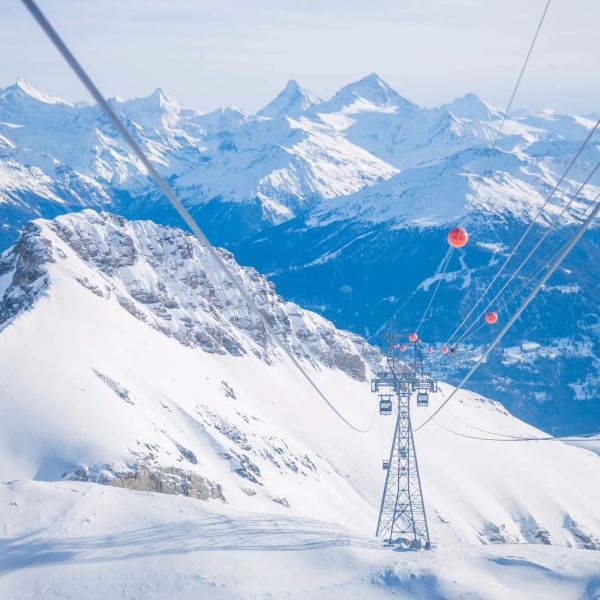
Crans-Montana 2027 World Championships President Resigns Ahead of Fraud Hearing
Less than four months out from the Crans-Montana 2027 World Championships, the man running the organising committee has stepped down. Claude-Alain Schmidhalter resigned as Swiss-Ski vice president and OC president after being indicted over a business dispute unrelated to skiing. He denies the allegations and faces court on October 27. Interim leaders are in place for the February 1-14 event.
9 Oct 2026
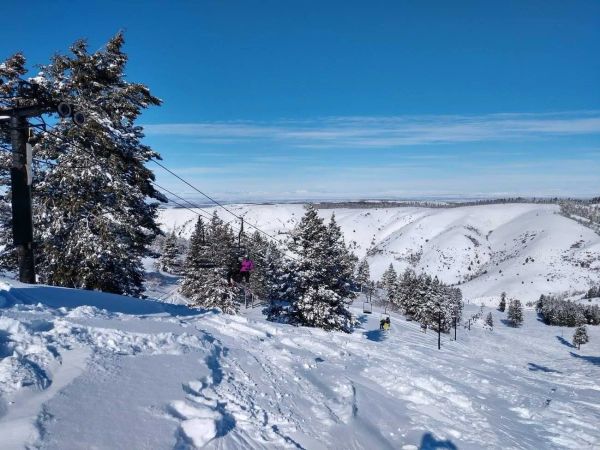
Kelly Canyon, Idaho, Adds Snowmaking, a Bigger Terrain Park and More Parking for 2026-27
Kelly Canyon had a rough 2025-26, and the Idaho resort has spent the summer making sure it doesn’t repeat. Snowmaking now reaches the top of Goldrush, the terrain park is doubling in size with a stereo system, lights and a snack shack, and the car park is getting bigger. Grooming is stepping up too. Target opening is December 4, conditions permitting.
9 Oct 2026
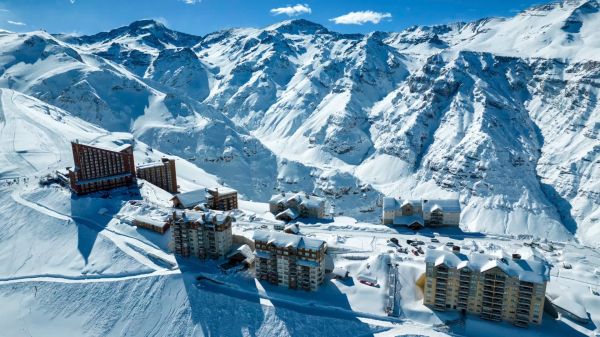
Valle Nevado Extends Season to November 8 After 108 cm in 48 Hours
Winter was meant to be winding down in Chile. Then Valle Nevado took 108 cm in 48 hours in early October, and the resort has pushed its closing date out to November 8 - its latest in 38 years of operation. That makes 143 days of skiing since opening day on June 19, with 690 cm banked for the season. Only part of the mountain is running while the storm settles, so check the mountain report before you plan a trip.
9 Oct 2026
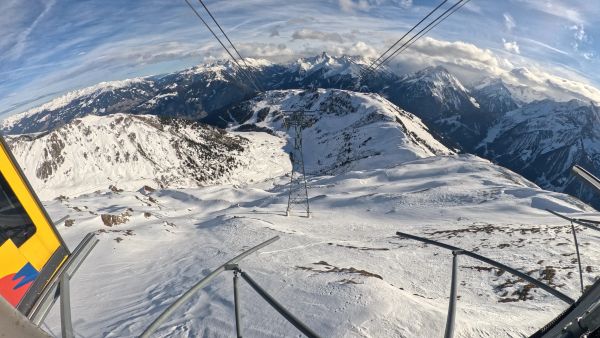
Alps Snow Forecast: Cold Front Brings Thursday Snow to the High Alps
The Alps look a lot more like winter today, for a day or so. A cold front is moving west to east, dropping up to 35 cm on high glaciers and peaks, with snow levels falling to around 1,500-1,800 m at times. Don’t plan a trip around it: mid-elevation snow will be thin and wet, every area is closed bar a limited Sölden glacier opening tomorrow, and warmer weather returns by Monday.
8 Oct 2026
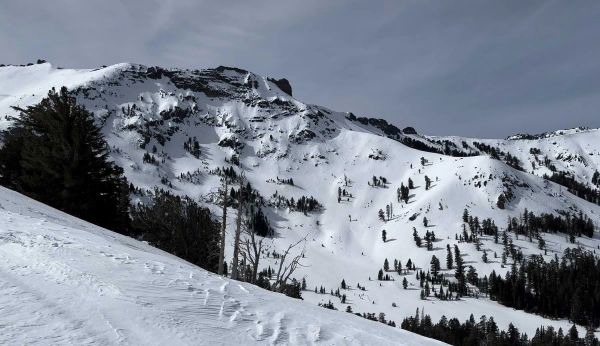
California Ski Resort Opening Dates 2026-27: Mammoth Leads, Tahoe Follows
Mammoth Mountain is first up in California, targeting Friday 13 November after a dusting of September snow. Heavenly and Northstar follow on 20 November, Palisades Tahoe on Wednesday 25 November and Sugar Bowl on 27 November, with Kirkwood on 4 December and June Mountain on 19 December. Plenty of smaller areas have no date yet. A super El Niño favours the Sierra, but a warmer storm track is the catch.
7 Oct 2026
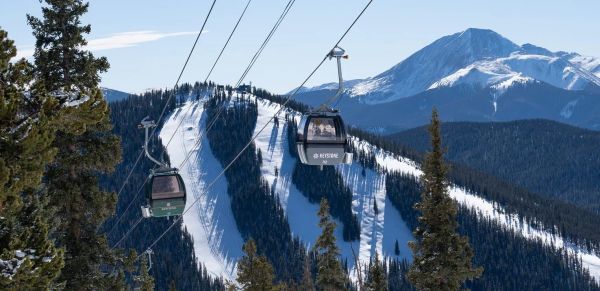
Colorado Ski Resort Opening Dates 2026-27: A-Basin and Keystone Race to Be First
Arapahoe Basin, Keystone and Winter Park are all chasing an October start, though none has a firm date yet. The first dated openers are Breckenridge and Copper on Friday 6 November, then Vail on 13 November, with most of the rest bunched around US Thanksgiving. Hesperus did not open at all last season. A super El Niño offers hope but no guarantee, and forecasters say the southern mountains have the better odds.
5 Oct 2026
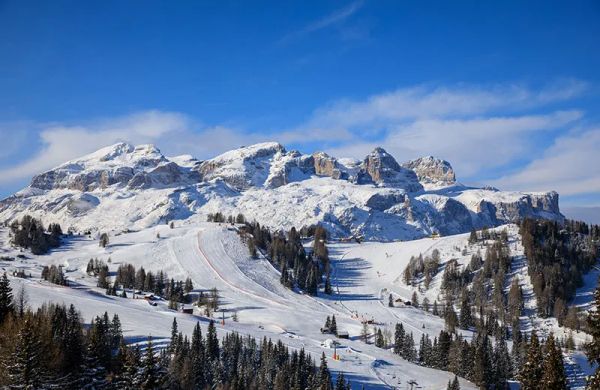
Dolomiti Superski 2026-27: Four New Gondolas, New Reservoirs and an €89 Peak Day Pass
Dolomiti Superski is spending around €100 million across its 12 areas before winter. Kronplatz gets a new 10-passenger gondola with a middle station, 3 Zinnen gets Helmissimo, and Val di Fassa swaps a chairlift for a gondola above Col Valvacin. New water-storage basins and upgraded snowmaking follow, and construction has started on the San Martino to Passo Rolle link. A peak adult day pass is €89.
4 Oct 2026
Sandia Peak Webcams
1 live angles across the mountain. Tap any camera to go full-screen.
About Sandia Peak's live webcams
Check live conditions across Sandia Peak with 1 real-time webcams showing snow, weather, and lift operations, updated every 10 minutes. Check high-elevation cams for powder visibility and base-area cams for crowd levels before you head up.
Camera guide
- Base Area8,661ft
- Experience skiing with stunning views of Albuquerque through this Sandia Peak webcam positioned at the base area at 2,640 meters elevation. This Sandia Peak live cam provides essential monitoring of lift operations and current snow conditions at New Mexico's closest ski area to a major metropolitan area. Check mountain activity and weather updates through this Sandia Peak web cam as you plan your convenient skiing escape just minutes from the Rio Grande Valley.
Sandia Peak snow cams FAQ
How often do Sandia Peak snow cams update?
All Sandia Peak snow cams and webcams update every 10 minutes with fresh images showing current mountain conditions. This frequent update schedule ensures you have access to near real-time conditions for planning your ski day at Sandia Peak.
Which Sandia Peak webcam shows the best powder conditions?
The high-elevation Base Area webcam at 2,640m provides the clearest view of powder conditions and snowfall. These Sandia Peak webcams capture fresh snow accumulation and visibility better than base area cameras.
Can I see Sandia Peak lift queues on the webcams?
Yes. Multiple Sandia Peak snow cams specifically show lift queue areas and chairlift operations, helping you time your arrival and avoid peak queue periods.
When is the best time to check Sandia Peak snow cams?
Check Sandia Peak webcams early morning (7-8am) for overnight snowfall assessment, and mid-afternoon for current crowd levels and weather. The live cams are most useful after storm events to assess fresh powder.
How can I check current conditions before buying Sandia Peak lift tickets?
Use our Sandia Peak webcams alongside the live snow report to assess conditions before purchasing lift tickets. The webcams show real-time visibility, snow quality, and operational status.
Do Sandia Peak webcams work on mobile devices?
Yes. All Sandia Peak snow cams and webcams are optimized for mobile viewing, so you can check live conditions from anywhere using your phone or tablet.
More Sandia Peak intelligence: snow report, lift tickets, trail map, resort overview.