
Ski Apache
750 acres, 55 runs on Sierra Blanca. America's southernmost major resort, Mescalero Apache owned.
Season 2026 - 2027
Opens
28 Nov 2026
Closes
7 Mar 2027
Days open
99
Annual snow
15ft
The Overview
Michael Fulton
Melbourne-based skier and snowboarder with 50+ resorts across 5 continents. Specialises in Australian resorts and international resort comparisons.
Ski Apache's summit reaches 11,499 feet, dropping 1,900 vertical feet to a base at 9,599 feet across 55 runs spread over 750 acres on Sierra Blanca in southern New Mexico. Terrain splits 60 per cent intermediate, 20 per cent advanced and 20 per cent beginner, with no expert-rated runs, and average annual snowfall of roughly 180 inches. The resort is owned and operated by the Mescalero Apache Tribe. Eleven lifts, including three quad chairs, five triple chairs and a gondola, serve the mountain alongside two t-bars.
Ski Apache holds a singular place in American ski history as the first ski resort owned and operated by a Native American tribe, a status it has held since the Mescalero Apache Tribe's purchase in 1963. Its location on Sierra Blanca makes it America's southernmost major ski resort, offering genuine high-elevation skiing in a part of the country better known for desert landscapes. The resort's substantial eleven-lift network is unusually extensive for its 750-acre footprint.
The resort opened at Christmas 1961 as Sierra Blanca Ski Resort, with three T-bars capable of carrying 2,600 skiers an hour up the mountain. In 1963, the Mescalero Apache Tribe did something no one thought possible at the time: they purchased the ski resort for 1.5 million US dollars, becoming the first Native American tribe to own and run a ski resort in America, at a point when most tribal members lived in poverty and none had ever skied.
The resort operated under its original name for more than two decades before being renamed Ski Apache for the 1984-85 season. The Mescalero Apache Tribe also owns and operates the nearby Inn of the Mountain Gods Resort and Casino, along with other reservation-based enterprises, making Ski Apache part of a broader tribal economic portfolio. Adult daily tickets run from 89 to 109 US dollars, with a season pass at 899 dollars.
1,900ft
Vertical
55
Runs
750 acres
Skiable
15ft
Annual snow
The Terrain
55 runs across 750 acres skiable
Ski Apache climbs Sierra Blanca on the Mescalero Apache Reservation in southern New Mexico, covering 750 acres (304 hectares) with 55 runs. The base is at 9,600 feet and the summit reaches 11,500 feet (3,505 m), for a vertical of 1,900 feet (579 m). Intermediate terrain dominates at 60%, with 20% advanced and 20% beginner and no expert-graded runs. A gondola, along with quad chairs, triple chairs and T-bars, serves the mountain, and snowfall averages about 180 inches a year. It is real alpine-elevation skiing in a part of the country better known for desert.
Apache Bowl, on the upper west side, is a wide intermediate run with open space and views from the top of Chairlift 6. Capitan is a steep pitch that drops 475 feet, and the Gondola Liftline is a narrow advanced run from the top of the mountain down to the main lodge. A terrain park with jumps, tubes and rails gives freestyle riders something to do. With 60% of the terrain intermediate, Ski Apache suits cruising skiers and families, and visitors from Texas and southern New Mexico, while experts will find only a handful of steep runs.
Terrain split
55
runs
55 runs across 4 grades
Beginner11 runs · 20%
Intermediate33 runs · 60%
Advanced11 runs · 20%
Expert0 runs · 0%
Time it right
When to visit Ski Apache
The 2025-26 season at Ski Apache ran from 13 December 2025 to 8 March 2026, a roughly twelve-week season. Average annual snowfall of around 180 inches supports this window, with the resort's high elevation above 9,500 feet helping maintain cold temperatures despite its southern New Mexico location. Season dates can shift depending on early and late-season conditions.
Midwinter, from January through February, typically offers the most reliable natural conditions across the resort's intermediate-weighted terrain. As America's southernmost major ski resort, Ski Apache draws visitors from Texas and southern New Mexico who might otherwise face a much longer drive to reach comparable skiing. Weekend crowds are generally heavier than weekdays.
As a tribally owned resort, Ski Apache's operations connect to the broader Mescalero Apache Tribe's tourism enterprises, including the nearby Inn of the Mountain Gods Resort and Casino. School holiday periods bring increased family visitation given the resort's substantial intermediate and beginner-friendly terrain and absence of expert runs. Military discount ticket options reflect the resort's proximity to nearby military communities in southern New Mexico and Texas.
Specific event programming beyond standard operations is not confirmed in available resort information. The resort's identity as the first Native American tribally owned ski resort in the country remains a significant part of how Ski Apache presents itself each season. More than sixty years of continuous Mescalero Apache Tribe ownership since 1963 continues to shape the resort's operations and community ties.
Season 2026 - 2027
28 Nov 2026
Opens
7 Mar 2027
Closes
99
Days open
15 ft
Annual snow
Getting there
Getting to Ski Apache, and where to stay
Ski Apache sits on Sierra Blanca on the Mescalero Apache Reservation in southern New Mexico, with a base elevation of 9,599 feet and a summit at 11,499 feet across a 1,900-foot vertical drop over 750 acres. This is a genuinely high-elevation mountain rising dramatically above the surrounding southern New Mexico desert landscape.
The town of Ruidoso, a well-established mountain resort community, lies at the base of Sierra Blanca and provides the bulk of lodging, dining and services for Ski Apache visitors. The Mescalero Apache Reservation surrounds much of the mountain, and the tribe's Inn of the Mountain Gods Resort and Casino offers additional accommodation nearby. El Paso, Texas, lies within a few hours' drive to the south, a significant source of the resort's visitor base.
New Mexico State Highway 48 and local roads connect Ruidoso to the resort, climbing into the Sierra Blanca massif from the town below. Winter driving conditions on the mountain roads can include snow and ice, and the elevation gain from Ruidoso to the resort is substantial. There is no direct public transport service to the mountain.
Roswell Air Center and El Paso International Airport both offer commercial service within a few hours' drive, with El Paso providing more extensive flight options for visitors travelling from further afield, particularly Texas. Most Ski Apache visitors drive from Texas or southern New Mexico, drawn by the resort's status as the region's closest genuine mountain skiing.
Where to stay
Search all stays →Hotels and lodges near Ski Apache, powered by Stay22.
Latest News
From the SnowStash desk
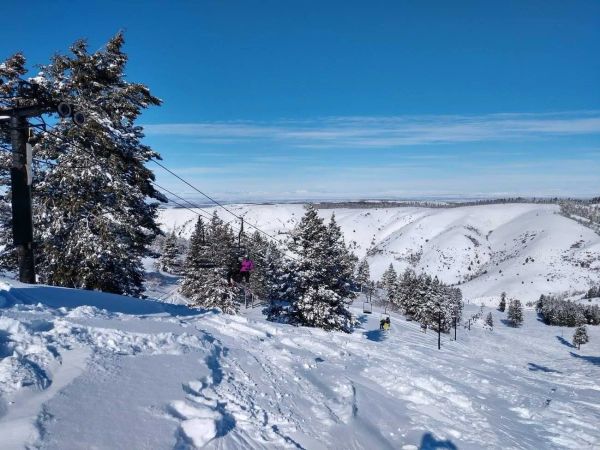
Kelly Canyon, Idaho, Adds Snowmaking, a Bigger Terrain Park and More Parking for 2026-27
Kelly Canyon had a rough 2025-26, and the Idaho resort has spent the summer making sure it doesn’t repeat. Snowmaking now reaches the top of Goldrush, the terrain park is doubling in size with a stereo system, lights and a snack shack, and the car park is getting bigger. Grooming is stepping up too. Target opening is December 4, conditions permitting.
9 Oct 2026
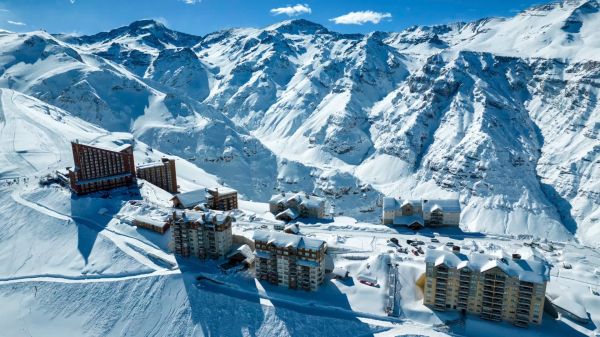
Valle Nevado Extends Season to November 8 After 108 cm in 48 Hours
Winter was meant to be winding down in Chile. Then Valle Nevado took 108 cm in 48 hours in early October, and the resort has pushed its closing date out to November 8 - its latest in 38 years of operation. That makes 143 days of skiing since opening day on June 19, with 690 cm banked for the season. Only part of the mountain is running while the storm settles, so check the mountain report before you plan a trip.
9 Oct 2026
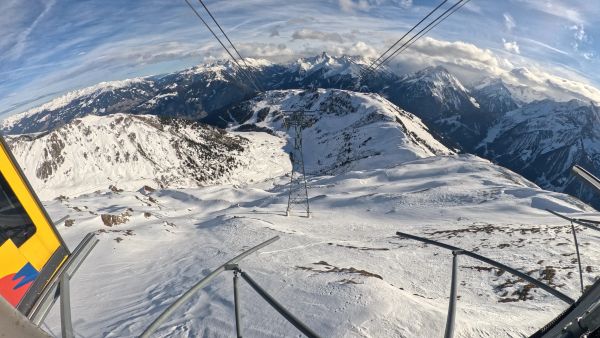
Alps Snow Forecast: Cold Front Brings Thursday Snow to the High Alps
The Alps look a lot more like winter today, for a day or so. A cold front is moving west to east, dropping up to 35 cm on high glaciers and peaks, with snow levels falling to around 1,500-1,800 m at times. Don’t plan a trip around it: mid-elevation snow will be thin and wet, every area is closed bar a limited Sölden glacier opening tomorrow, and warmer weather returns by Monday.
8 Oct 2026
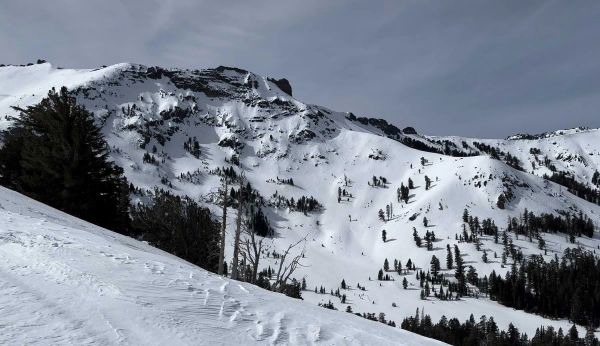
California Ski Resort Opening Dates 2026-27: Mammoth Leads, Tahoe Follows
Mammoth Mountain is first up in California, targeting Friday 13 November after a dusting of September snow. Heavenly and Northstar follow on 20 November, Palisades Tahoe on Wednesday 25 November and Sugar Bowl on 27 November, with Kirkwood on 4 December and June Mountain on 19 December. Plenty of smaller areas have no date yet. A super El Niño favours the Sierra, but a warmer storm track is the catch.
7 Oct 2026
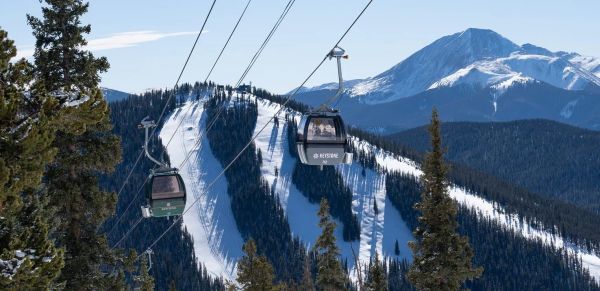
Colorado Ski Resort Opening Dates 2026-27: A-Basin and Keystone Race to Be First
Arapahoe Basin, Keystone and Winter Park are all chasing an October start, though none has a firm date yet. The first dated openers are Breckenridge and Copper on Friday 6 November, then Vail on 13 November, with most of the rest bunched around US Thanksgiving. Hesperus did not open at all last season. A super El Niño offers hope but no guarantee, and forecasters say the southern mountains have the better odds.
5 Oct 2026
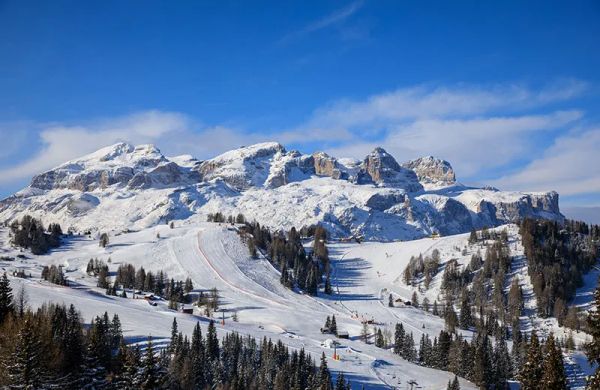
Dolomiti Superski 2026-27: Four New Gondolas, New Reservoirs and an €89 Peak Day Pass
Dolomiti Superski is spending around €100 million across its 12 areas before winter. Kronplatz gets a new 10-passenger gondola with a middle station, 3 Zinnen gets Helmissimo, and Val di Fassa swaps a chairlift for a gondola above Col Valvacin. New water-storage basins and upgraded snowmaking follow, and construction has started on the San Martino to Passo Rolle link. A peak adult day pass is €89.
4 Oct 2026
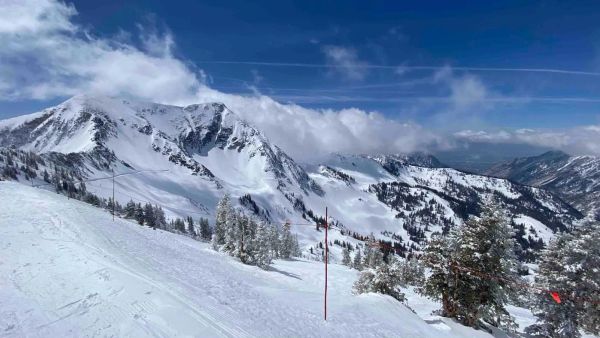
Utah Ski Resort Opening Dates 2026-27: Brian Head First, Eagle Point Out
Brian Head is targeting 6 November, though last year it aimed for 7 November and did not open until the 25th. Park City, Alta and Solitude are pencilled in for 20 November, Snowbird and Snowbasin for 27 November, and Deer Valley for 5 December. Eagle Point will stay closed after the Cottonwood Fire. A super El Niño is forecast, but the big snow is not expected until January.
4 Oct 2026
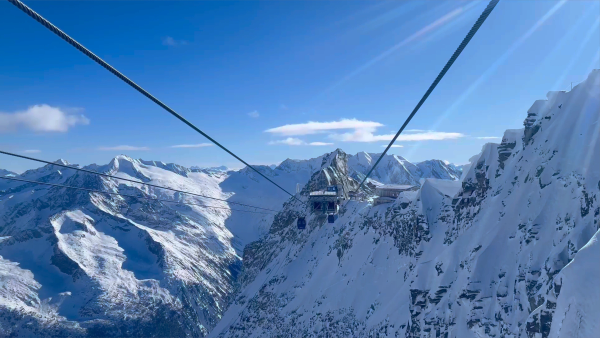
Hintertux Glacier Opens for 2026-27 With 12 Kilometres of Piste
Hintertux became Austria's second glacier to open for 2026-27 on Friday 2 October, after the Pitztal Glacier. Twelve kilometres of piste are running around the Olperer and Gefrorene Wand, served by one gondola and two drag lifts, with the Betterpark also open. Lifts officially run 8:15 am to 4:30 pm, but skiing stops at 2 pm for now.
4 Oct 2026
Ski Apache Webcams
1 live angles across the mountain. Tap any camera to go full-screen.
About Ski Apache's live webcams
Check live conditions across Ski Apache with 1 real-time webcams showing snow, weather, and lift operations, updated every 10 minutes. Check high-elevation cams for powder visibility and base-area cams for crowd levels before you head up.
Camera guide
- Ski Apache Base Area9,760ft
- Discover skiing excellence in the Lincoln National Forest through this Ski Apache webcam positioned at the base area at 2,975 meters elevation on Sierra Blanca Peak. This Ski Apache live cam provides real-time views of lift operations and snow conditions at New Mexico's highest ski resort with the state's most reliable snow. Monitor current mountain activity through this Ski Apache web cam as you plan your visit to this unique resort owned and operated by the Mescalero Apache Tribe.
Ski Apache snow cams FAQ
How often do Ski Apache snow cams update?
All Ski Apache snow cams and webcams update every 10 minutes with fresh images showing current mountain conditions. This frequent update schedule ensures you have access to near real-time conditions for planning your ski day at Ski Apache.
Which Ski Apache webcam shows the best powder conditions?
The high-elevation Ski Apache Base Area webcam at 2,975m provides the clearest view of powder conditions and snowfall. These Ski Apache webcams capture fresh snow accumulation and visibility better than base area cameras.
Can I see Ski Apache lift queues on the webcams?
Yes. Multiple Ski Apache snow cams specifically show lift queue areas and chairlift operations, helping you time your arrival and avoid peak queue periods.
When is the best time to check Ski Apache snow cams?
Check Ski Apache webcams early morning (7-8am) for overnight snowfall assessment, and mid-afternoon for current crowd levels and weather. The live cams are most useful after storm events to assess fresh powder.
How can I check current conditions before buying Ski Apache lift tickets?
Use our Ski Apache webcams alongside the live snow report to assess conditions before purchasing lift tickets. The webcams show real-time visibility, snow quality, and operational status.
Do Ski Apache webcams work on mobile devices?
Yes. All Ski Apache snow cams and webcams are optimized for mobile viewing, so you can check live conditions from anywhere using your phone or tablet.
More Ski Apache intelligence: snow report, lift tickets, trail map, resort overview.