
The Overview
Michael Fulton
Melbourne-based skier and snowboarder with 50+ resorts across 5 continents. Specialises in Australian resorts and international resort comparisons.
Gore Mountain's summit reaches 3,599 feet, dropping 2,602 vertical feet to a base at 997 feet across 110 runs spread over 439 acres near North Creek in the Adirondacks, New York. Terrain splits 50 per cent intermediate, 35 per cent advanced, 10 per cent beginner and 5 per cent expert, with average annual snowfall of roughly 120 inches. Fourteen lifts, including six quad chairs and a gondola, serve the mountain alongside three triple chairs, two surface lifts and two t-bars.
Gore Mountain holds the distinction of offering the most skiable terrain of any resort in New York State, spread across four distinct areas connected by an extensive lift network. Its Adirondack setting, combined with state operation under the Olympic Regional Development Authority, places Gore alongside Whiteface and Belleayre as one of New York's three publicly run ski centres.
The area's origins trace to the adjacent North Creek Ski Bowl, which opened in 1934 and helped establish skiing's popularity in the region, with Carl Schaefer selecting the Ski Bowl as the site of New York State's first ski tow. After the state acquired land around the Gore Mountain peak itself, trail work began in the early 1960s, and Gore Mountain opened its downhill trails in 1964 with three lifts: a J-bar, a T-bar and a double chair.
Management transferred to the Olympic Regional Development Authority, which coordinated significant upgrades including replacement of the resort's original gondola and development of the Topridge area on neighbouring Bear Mountain. The Gore Mountain Interconnect officially opened in 2011 with the completion of the Hudson Chair, a triple chair linking the historic North Creek Ski Bowl to the main resort. Adult daily tickets run from 69 to 99 US dollars.
2,602ft
Vertical
110
Runs
439 acres
Skiable
10ft
Annual snow
The Terrain
110 runs across 439 acres skiable
Gore Mountain is the largest ski area in New York by terrain, with 439 acres (178 hectares) and 110 runs spread over four peaks near North Creek in the Adirondacks. The summit sits at 3,600 ft (1,097 m), the base at 1,000 ft (304 m), giving a vertical of 2,600 ft (793 m). Half the terrain is intermediate, 35% advanced, 10% beginner and 5% expert. Six quad chairs, three triples, a gondola, two t-bars and two surface lifts tie the four zones together, so there is far more variety than the modest vertical suggests.
The steepest drops are in the Straight Brook area, home to Rumors and Lies, and its glades, including The Narrows. Burnt Ridge adds quieter runs and more glades with big views over North Creek and the Hudson River. On Bear Mountain, the Topridge area is served by a quad and features Uncas, Pine Knot and the High Pines glades. Gore lists about 27 glades in total, including Chatiemac Glades and Straight Brook Glades. Advanced and expert skiers should head there first, and intermediates have a long list of cruisers to choose from.
Terrain split
110
runs
110 runs across 4 grades
Beginner11 runs · 10%
Intermediate55 runs · 50%
Advanced39 runs · 35%
Expert6 runs · 5%
Time it right
When to visit Gore Mountain
The 2025-26 season at Gore Mountain ran from 6 December 2025 to 12 April 2026, a roughly eighteen-week season supported by average annual snowfall of around 120 inches across the resort's considerable Adirondack terrain. Season dates can shift depending on early and late-season weather.
Midwinter, from December through February, typically brings the most consistent conditions to Gore's four connected mountain areas. As New York's largest ski resort by terrain, Gore draws visitors from across the state and the broader Northeast, supported by its status as one of three ORDA-operated ski centres alongside Whiteface and Belleayre.
The SKI3 season pass, covering Gore alongside Whiteface Mountain and Belleayre, gives season pass holders access across all three state-run ski centres, encouraging visitation across ORDA's properties throughout the season. School holiday periods bring substantial family visitation given the resort's varied terrain across beginner through expert skiing.
Specific event programming beyond standard operations is not confirmed in available resort information. Since the completion of the Gore Mountain Interconnect in 2011, linking the historic North Creek Ski Bowl to the main resort via the Hudson Chair, the mountain has continued to build on this unified, expanded terrain base. Gore's Adirondack setting and considerable scale remain central to its seasonal appeal.
Season 2026 - 2027
20 Nov 2026
Opens
11 Apr 2027
Closes
142
Days open
10 ft
Annual snow
Getting there
Getting to Gore Mountain, and where to stay
Gore Mountain sits near North Creek in the Adirondack Mountains of New York, with a base elevation of 997 feet and a summit at 3,599 feet across a 2,602-foot vertical drop over 439 acres spread across four distinct mountain areas. This setting places the resort within one of the largest protected wilderness areas in the eastern United States.
North Creek, a small Adirondack town, provides local lodging and dining within a short drive of the resort. The broader Adirondack region offers extensive additional outdoor recreation, while Lake George and Warren County provide further visitor services within a reasonable drive of the mountain.
New York State Route 28 provides direct access to the resort from the broader Adirondack region and connects toward the Adirondack Northway for visitors travelling from further afield. Winter driving conditions in this mountainous region can include snow and ice, and travellers should allow extra time given the resort's Adirondack setting. There is no direct public transport service to the mountain.
Albany International Airport, a considerable drive to the south, is the nearest airport with substantial commercial service. This distance is consistent with Gore's identity as a genuine Adirondack wilderness destination rather than a convenient fly-in resort, drawing visitors willing to make the journey for New York's largest ski terrain.
Where to stay
Search all stays →Hotels and lodges near Gore Mountain, powered by Stay22.
Latest News
From the SnowStash desk
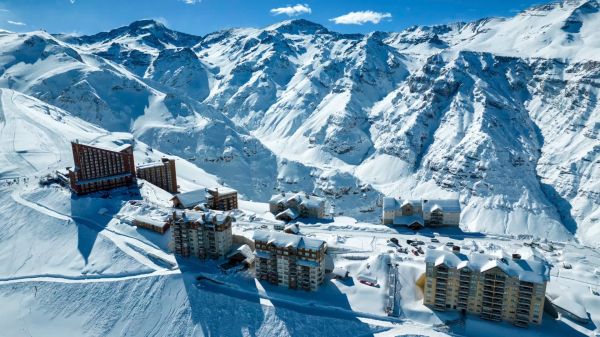
Valle Nevado Extends Season to November 8 After 108 cm in 48 Hours
Winter was meant to be winding down in Chile. Then Valle Nevado took 108 cm in 48 hours in early October, and the resort has pushed its closing date out to November 8 - its latest in 38 years of operation. That makes 143 days of skiing since opening day on June 19, with 690 cm banked for the season. Only part of the mountain is running while the storm settles, so check the mountain report before you plan a trip.
9 Oct 2026
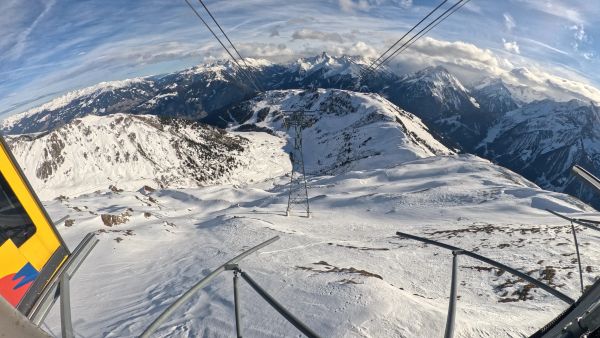
Alps Snow Forecast: Cold Front Brings Thursday Snow to the High Alps
The Alps look a lot more like winter today, for a day or so. A cold front is moving west to east, dropping up to 35 cm on high glaciers and peaks, with snow levels falling to around 1,500-1,800 m at times. Don’t plan a trip around it: mid-elevation snow will be thin and wet, every area is closed bar a limited Sölden glacier opening tomorrow, and warmer weather returns by Monday.
8 Oct 2026
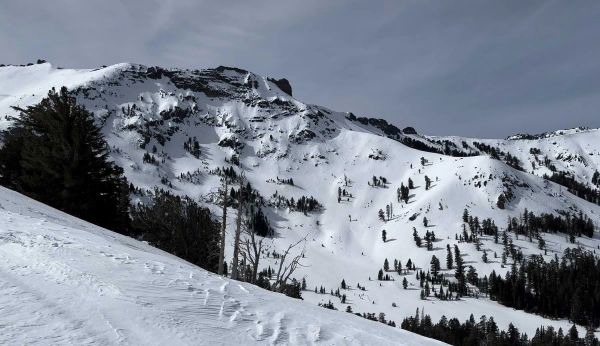
California Ski Resort Opening Dates 2026-27: Mammoth Leads, Tahoe Follows
Mammoth Mountain is first up in California, targeting Friday 13 November after a dusting of September snow. Heavenly and Northstar follow on 20 November, Palisades Tahoe on Wednesday 25 November and Sugar Bowl on 27 November, with Kirkwood on 4 December and June Mountain on 19 December. Plenty of smaller areas have no date yet. A super El Niño favours the Sierra, but a warmer storm track is the catch.
7 Oct 2026
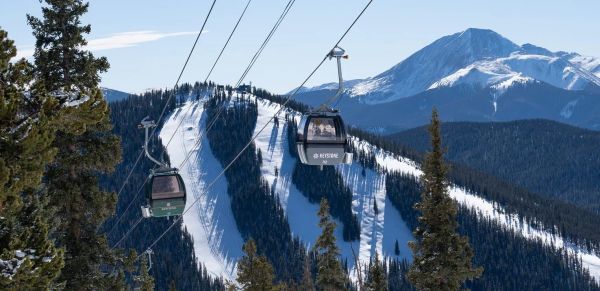
Colorado Ski Resort Opening Dates 2026-27: A-Basin and Keystone Race to Be First
Arapahoe Basin, Keystone and Winter Park are all chasing an October start, though none has a firm date yet. The first dated openers are Breckenridge and Copper on Friday 6 November, then Vail on 13 November, with most of the rest bunched around US Thanksgiving. Hesperus did not open at all last season. A super El Niño offers hope but no guarantee, and forecasters say the southern mountains have the better odds.
5 Oct 2026
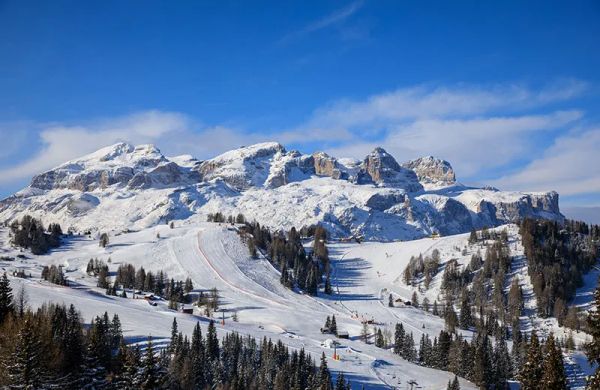
Dolomiti Superski 2026-27: Four New Gondolas, New Reservoirs and an €89 Peak Day Pass
Dolomiti Superski is spending around €100 million across its 12 areas before winter. Kronplatz gets a new 10-passenger gondola with a middle station, 3 Zinnen gets Helmissimo, and Val di Fassa swaps a chairlift for a gondola above Col Valvacin. New water-storage basins and upgraded snowmaking follow, and construction has started on the San Martino to Passo Rolle link. A peak adult day pass is €89.
4 Oct 2026
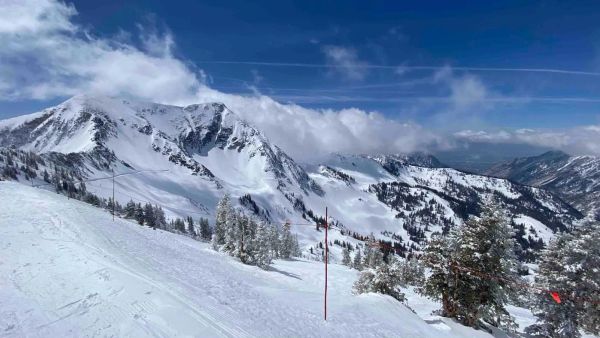
Utah Ski Resort Opening Dates 2026-27: Brian Head First, Eagle Point Out
Brian Head is targeting 6 November, though last year it aimed for 7 November and did not open until the 25th. Park City, Alta and Solitude are pencilled in for 20 November, Snowbird and Snowbasin for 27 November, and Deer Valley for 5 December. Eagle Point will stay closed after the Cottonwood Fire. A super El Niño is forecast, but the big snow is not expected until January.
4 Oct 2026
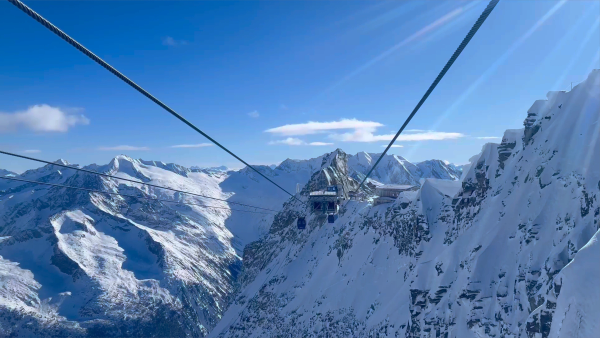
Hintertux Glacier Opens for 2026-27 With 12 Kilometres of Piste
Hintertux became Austria's second glacier to open for 2026-27 on Friday 2 October, after the Pitztal Glacier. Twelve kilometres of piste are running around the Olperer and Gefrorene Wand, served by one gondola and two drag lifts, with the Betterpark also open. Lifts officially run 8:15 am to 4:30 pm, but skiing stops at 2 pm for now.
4 Oct 2026
Vail Resorts Counts the Cost of a Thin Winter as Pass Sales Slide Further
A historically poor western winter cut Vail Resorts' annual net income from $280 million to $147.5 million and skier visits by 13.4 per cent. Now 2026-27 pass units are down 12 per cent as of 18 September, worse than the 10 per cent flagged in spring. Vail blames the weather and thinks some buyers are simply waiting, and it forecasts a rebound if the snow behaves.
3 Oct 2026
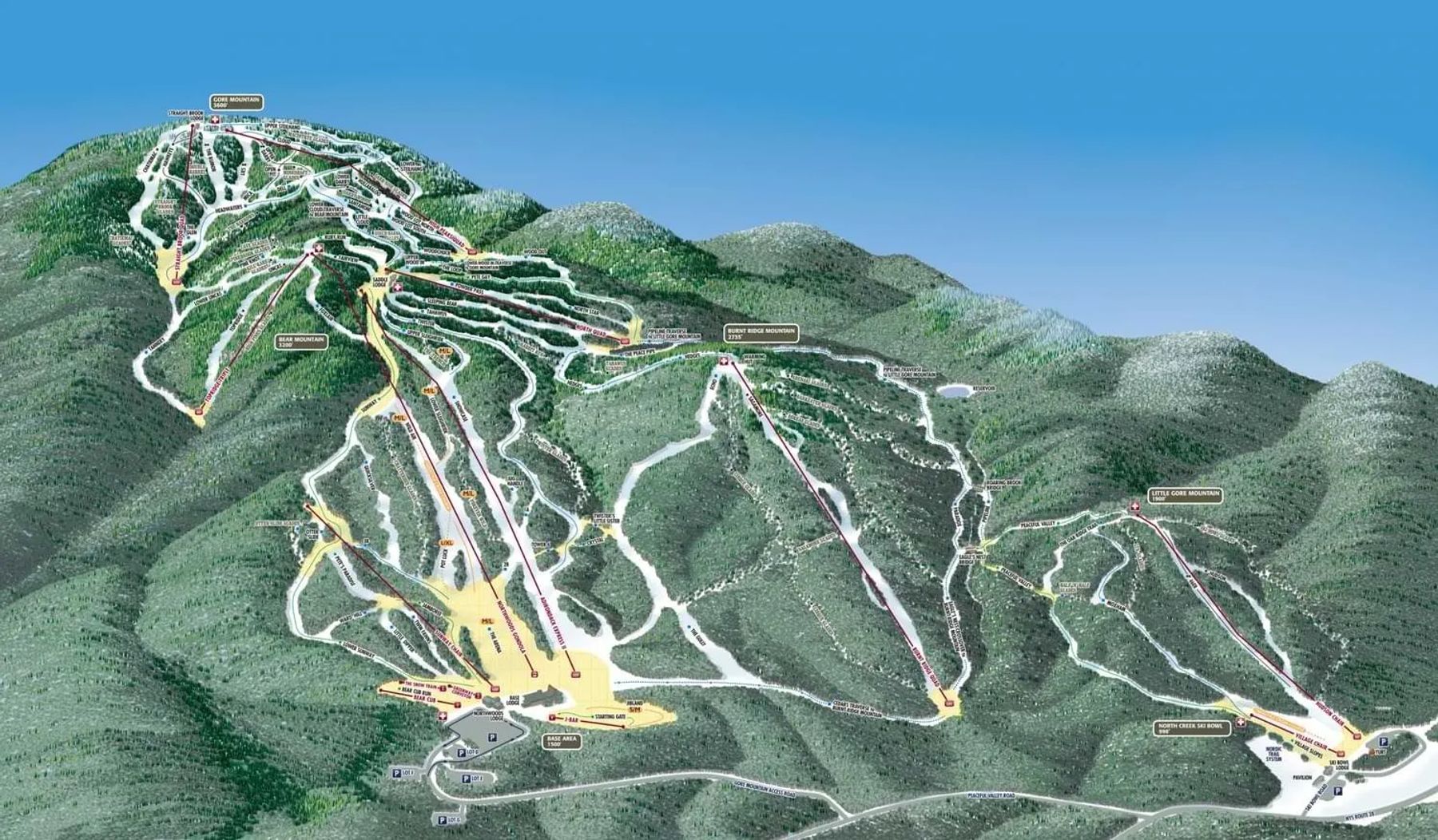
Gore Mountain Trail Map
Downloadable Gore Mountain trail map
Terrain split
110
runs
Beginner10%
Intermediate50%
Advanced35%
Expert5%
439 acres skiable178 hectares
Resort Stats
Elevation
Base997ft
Summit3,599ft
Annual snowfall
10ft
Season
2026 - 2027
20 Nov 2026 - 11 Apr 2027
Trail coverage
110 runs
439 acres (178 ha)
About Gore Mountain's trail map
Explore Gore Mountain's full trail map with 110 runs across the mountain, colour-coded by difficulty and shown alongside the terrain split. Use it to plan a day that matches your ability, find lift-served pockets of your favourite grade, and see how the resort links together. Download the piste map (PDF) ↗
More Gore Mountain intelligence: snow report, lift system, webcams, resort overview.