
The Overview
Michael Fulton
Melbourne-based skier and snowboarder with 50+ resorts across 5 continents. Specialises in Australian resorts and international resort comparisons.
Hunter Mountain's summit reaches 3,199 feet, dropping 1,600 vertical feet to a base at 1,601 feet across 67 runs spread over 320 acres in the Catskill Mountains, roughly two and a half hours from New York City. Terrain splits 30 per cent advanced, 30 per cent intermediate, 25 per cent beginner and 15 per cent expert, with average annual snowfall of roughly 84 inches. The resort carries Epic Pass affiliation. Thirteen lifts, including three quad chairs and two six-person chairs, serve the mountain alongside two double chairs, two triple chairs and four surface lifts.
Hunter Mountain has long stood as one of the Catskills' most prominent ski destinations, prized for its relative proximity to the New York City metropolitan area and its extensive snowmaking infrastructure. The resort's considerable 1,600-foot vertical drop and substantial trail count place it among the larger Catskills ski areas.
During the mid-1950s, a group of local businessmen, including Orville and Israel Slutzky and Karl Plattner Sr, developed plans to revive the Catskills' economy following decades of decline tied to the Great Depression, the Second World War and the region's fading tourism appeal. Hunter Mountain opened in 1960 under brothers Izzy and Orville Slutzky, who also ran a construction company building schools and bridges throughout the Catskills, work that complemented the resort's seasonal operations. The Slutzky family owned and ran Hunter Mountain for more than 50 years.
Peak Resorts acquired Hunter Mountain in 2015 and invested in further upgrades, culminating in the 2018 Hunter North Expansion, which added nine new runs and the Northern Express, a high-speed six-passenger chairlift, increasing the resort's skiable terrain by roughly a third. In 2019, Vail Resorts acquired Peak Resorts, bringing Hunter Mountain into its network and onto the Epic Pass. Adult daily tickets run from 89 to 139 US dollars.
1,598ft
Vertical
67
Runs
320 acres
Skiable
7ft
Annual snow
Epic
Pass
The Terrain
67 runs across 320 acres skiable
Hunter Mountain covers 320 acres (130 hectares) in the Catskills, with 67 runs falling about 1,600 ft (487 m) from the 3,200 ft (975 m) summit to a base at 1,600 ft (488 m). The terrain splits 25% beginner, 30% intermediate, 30% advanced and 15% expert, which is a more demanding mix than most Northeast day-trip hills. Thirteen lifts, including two six-seat chairs, three quads, two triples, two doubles and four surface lifts, keep the mountain flowing at busy weekend times for visitors on the Epic Pass.
The expert terrain is found on Hellgate, Upper K-27 and Racer's Edge, with K-27 holding pitches of 38 to 44 degrees, the steepest on the mountain. Westway and Annapurna are steep too, but only open after sustained snowfall. The Hunter West section adds more advanced skiing, and four terrain parks, including Empire Terrain Park, cater to freestyle riders. Hunter suits strong intermediates and advanced skiers who want real pitch within a few hours of New York City, while beginners have their own gentler zone and several surface lifts at the base.
Terrain split
67
runs
67 runs across 4 grades
Beginner17 runs · 25%
Intermediate20 runs · 30%
Advanced20 runs · 30%
Expert10 runs · 15%
Time it right
When to visit Hunter Mountain
The 2025-26 season at Hunter Mountain ran from 28 November 2025 to 5 April 2026, a roughly nineteen-week season supported by average annual snowfall of around 84 inches. Extensive snowmaking supplements natural snowfall considerably, supporting the resort's early-season opening and consistent conditions throughout the winter.
Midwinter, from December through February, typically brings the most consistent conditions to Hunter's varied terrain across beginner through expert-rated runs. As an Epic Pass resort within the Vail Resorts network, Hunter draws substantial visitation from Epic Pass holders alongside its traditional New York City metropolitan area day-trip and weekend visitor base, given the resort's roughly two-and-a-half-hour drive from the city.
The 2018 Hunter North Expansion's additional terrain and the Northern Express six-person chairlift continue to support strong visitor capacity during peak weekend and holiday periods. School holiday periods bring substantial family visitation given the resort's varied terrain and proximity to the metropolitan area. Weekend crowds draw heavily from the greater New York City region.
Specific event programming beyond standard operations is not confirmed in available resort information. Since Vail Resorts' 2019 acquisition of Peak Resorts, Hunter has continued operating as part of the Epic Pass network, building on more than 60 years of Catskills skiing history dating to the Slutzky family's 1960 founding. The resort's proximity to New York City remains central to its enduring popularity.
Season 2026 - 2027
21 Nov 2026
Opens
4 Apr 2027
Closes
134
Days open
7 ft
Annual snow
Getting there
Getting to Hunter Mountain, and where to stay
Hunter Mountain sits in the Catskill Mountains of New York, roughly two and a half hours from New York City, with a base elevation of 1,601 feet and a summit at 3,199 feet across a 1,600-foot vertical drop over 320 acres. This relative proximity to the metropolitan area has long defined Hunter's role as a leading downstate ski destination.
The town of Hunter and the broader Catskills region offer lodging, dining and additional recreation within a short drive of the resort. The Hudson Valley lies between the mountain and New York City, providing additional stopover options for visitors making the drive from the metropolitan area.
New York State Route 23A provides direct access to the resort through the heart of the Catskills. Winter driving conditions on this mountainous route can include snow and ice, and visitors travelling from the New York City area should allow extra time given typical weekend traffic volumes. There is no direct public transport service to the mountain, though the resort's proximity to the city supports considerable day-trip visitation by car.
Specific nearest commercial airport details are not confirmed in available resort information, though Hunter's roughly two-and-a-half-hour drive from New York City places it within reach of the metropolitan area's major airports for visitors flying in from further afield.
Where to stay
Search all stays →Hotels and lodges near Hunter Mountain, powered by Stay22.
Latest News
From the SnowStash desk

Utah Ski Resorts 2026-27: What’s New at Alta, Deer Valley, Powder Mountain and More
Utah is still building flat out. For 2026-27, Powder Mountain opens a steep new Skytrac chair into more than 1,000 acres of advanced terrain, Deer Valley adds 200 acres on Hail Peak, Sundance gets a new quad and Park City adds a gondola from its new parking structure. Snowmaking is expanding almost everywhere, Eagle Point stays closed after the Cottonwood Fire, and the 2034 Games are setting the pace. Here’s what’s new, resort by resort.
13 Oct 2026

Vermont Ski Resort Opening Dates 2026-27: Few Dates Set, Killington Waits on the Cold
Vermont's season is slow to take shape. Stratton is tentatively targeting 18 November and Sugarbush 21 November, while Pico has Friday 11 December on the calendar. Killington never sets a date and opens when the snowmaking allows, and Vail Resorts has yet to name days for Stowe, Okemo and Mount Snow. The forecasts disagree about snow, and the main El Niño worry for the Green Mountains is warmth.
9 Oct 2026

Crans-Montana 2027 World Championships President Resigns Ahead of Fraud Hearing
Less than four months out from the Crans-Montana 2027 World Championships, the man running the organising committee has stepped down. Claude-Alain Schmidhalter resigned as Swiss-Ski vice president and OC president after being indicted over a business dispute unrelated to skiing. He denies the allegations and faces court on October 27. Interim leaders are in place for the February 1-14 event.
9 Oct 2026
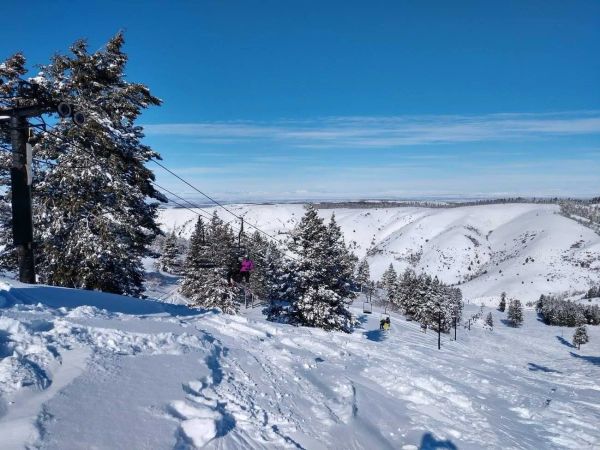
Kelly Canyon, Idaho, Adds Snowmaking, a Bigger Terrain Park and More Parking for 2026-27
Kelly Canyon had a rough 2025-26, and the Idaho resort has spent the summer making sure it doesn’t repeat. Snowmaking now reaches the top of Goldrush, the terrain park is doubling in size with a stereo system, lights and a snack shack, and the car park is getting bigger. Grooming is stepping up too. Target opening is December 4, conditions permitting.
9 Oct 2026
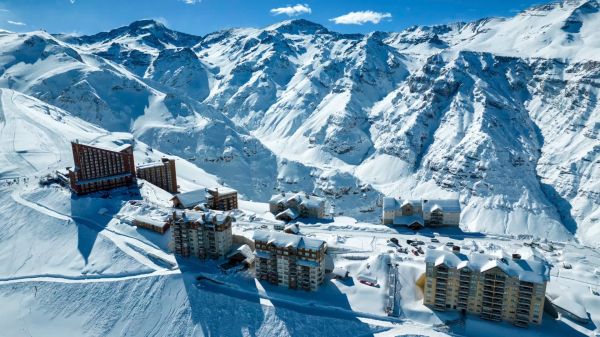
Valle Nevado Extends Season to November 8 After 108 cm in 48 Hours
Winter was meant to be winding down in Chile. Then Valle Nevado took 108 cm in 48 hours in early October, and the resort has pushed its closing date out to November 8 - its latest in 38 years of operation. That makes 143 days of skiing since opening day on June 19, with 690 cm banked for the season. Only part of the mountain is running while the storm settles, so check the mountain report before you plan a trip.
9 Oct 2026
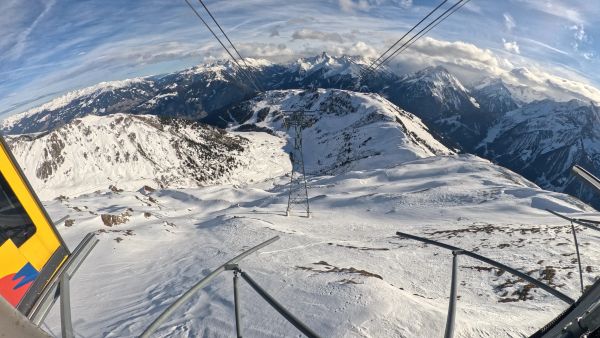
Alps Snow Forecast: Cold Front Brings Thursday Snow to the High Alps
The Alps look a lot more like winter today, for a day or so. A cold front is moving west to east, dropping up to 35 cm on high glaciers and peaks, with snow levels falling to around 1,500-1,800 m at times. Don’t plan a trip around it: mid-elevation snow will be thin and wet, every area is closed bar a limited Sölden glacier opening tomorrow, and warmer weather returns by Monday.
8 Oct 2026
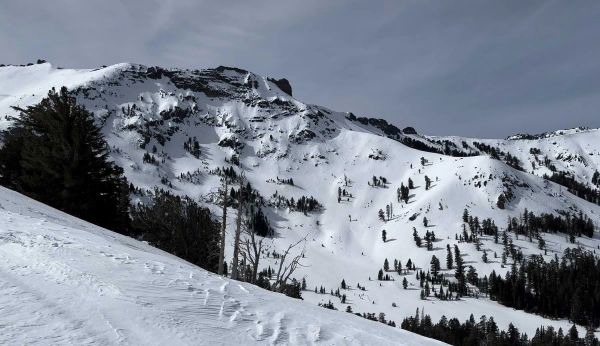
California Ski Resort Opening Dates 2026-27: Mammoth Leads, Tahoe Follows
Mammoth Mountain is first up in California, targeting Friday 13 November after a dusting of September snow. Heavenly and Northstar follow on 20 November, Palisades Tahoe on Wednesday 25 November and Sugar Bowl on 27 November, with Kirkwood on 4 December and June Mountain on 19 December. Plenty of smaller areas have no date yet. A super El Niño favours the Sierra, but a warmer storm track is the catch.
7 Oct 2026
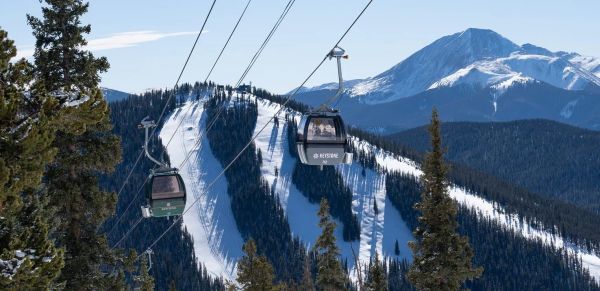
Colorado Ski Resort Opening Dates 2026-27: A-Basin and Keystone Race to Be First
Arapahoe Basin, Keystone and Winter Park are all chasing an October start, though none has a firm date yet. The first dated openers are Breckenridge and Copper on Friday 6 November, then Vail on 13 November, with most of the rest bunched around US Thanksgiving. Hesperus did not open at all last season. A super El Niño offers hope but no guarantee, and forecasters say the southern mountains have the better odds.
5 Oct 2026
Hunter Mountain Webcams
4 live angles across the mountain. Tap any camera to go full-screen.
About Hunter Mountain's live webcams
Check live conditions across Hunter Mountain with 4 real-time webcams showing snow, weather, and lift operations, updated every 10 minutes. Check high-elevation cams for powder visibility and base-area cams for crowd levels before you head up.
Camera guide
- Base1,601ft
- Monitor the bustling heart of Hunter Mountain through this essential Hunter Mountain webcam positioned at the main base area at 488 meters elevation in the Catskills. This Hunter Mountain live cam provides real-time views of lift loading, guest services, and arrival activity at New York's premier destination resort. Perfect for checking crowd levels and operational status, this Hunter Mountain web cam showcases the world-class base facilities and mountain atmosphere that make this resort a favorite destination just 2.5 hours from NYC.
- Mid Mountain3,199ft
- Experience commanding views from the Catskills' snowmaking capital through this spectacular Hunter Mountain webcam positioned at the mid-mountain area at 975 meters elevation. This Hunter Mountain live cam captures sweeping vistas across the resort's extensive trail network and the dramatic Hudson Valley beyond. Essential for checking visibility and snow conditions, this Hunter Mountain web cam provides the perfect perspective of the resort's diverse terrain and reliable snow coverage that defines this legendary Catskills destination.
- Hunter East1,801ft
- Explore Hunter Mountain's eastern terrain through this strategic Hunter Mountain webcam positioned at Hunter East at 549 meters elevation. This Hunter Mountain live cam provides excellent views of the resort's diverse trail offerings and mountain operations on the eastern face. Perfect for checking conditions across different sections of the mountain, this live snow cam showcases the varied terrain and comprehensive trail network that make Hunter Mountain the Catskills' premier ski destination for all ability levels.
- Summit3,999ft
- Experience breathtaking panoramic views from Hunter Mountain's highest point through this summit Hunter Mountain webcam positioned at 1219 meters elevation. This Hunter Mountain live cam offers commanding vistas across the Northern Catskills and Hudson Valley, showcasing the dramatic elevation that makes this resort special. Essential for advanced skiers checking weather and visibility conditions, this Hunter Mountain web cam captures the summit experience and challenging terrain that attract serious skiers to this iconic New York destination.
Hunter Mountain snow cams FAQ
How often do Hunter Mountain snow cams update?
All Hunter Mountain snow cams and webcams update every 10 minutes with fresh images showing current mountain conditions. This frequent update schedule ensures you have access to near real-time conditions for planning your ski day at Hunter Mountain.
Which Hunter Mountain webcam shows the best powder conditions?
The high-elevation Summit webcam at 1,219m provides the clearest view of powder conditions and snowfall. These Hunter Mountain webcams capture fresh snow accumulation and visibility better than base area cameras.
Can I see Hunter Mountain lift queues on the webcams?
Yes. Multiple Hunter Mountain snow cams specifically show lift queue areas and chairlift operations, helping you time your arrival and avoid peak queue periods.
When is the best time to check Hunter Mountain snow cams?
Check Hunter Mountain webcams early morning (7-8am) for overnight snowfall assessment, and mid-afternoon for current crowd levels and weather. The live cams are most useful after storm events to assess fresh powder.
How can I check current conditions before buying Hunter Mountain lift tickets?
Use our Hunter Mountain webcams alongside the live snow report to assess conditions before purchasing lift tickets. The webcams show real-time visibility, snow quality, and operational status.
Do Hunter Mountain webcams work on mobile devices?
Yes. All Hunter Mountain snow cams and webcams are optimized for mobile viewing, so you can check live conditions from anywhere using your phone or tablet.
More Hunter Mountain intelligence: snow report, lift tickets, trail map, resort overview.