
Park City
341 trails, 43 lifts, 983m vertical. Epic Pass access. 35 mins from Salt Lake City airport.

Current Conditions→
Season 2026 - 2027
Opens
27 Nov 2026
Closes
4 Apr 2027
Days open
128
Annual snow
267in
The Overview
Michael Fulton
Melbourne-based skier and snowboarder with 50+ resorts across 5 continents. Specialises in Australian resorts and international resort comparisons.
Park City spans 7,300 acres across a base elevation of 2,073 metres and a summit of 3,056 metres, delivering 983 metres of vertical drop. The resort claims 341 trails served by 43 lifts, making it the largest ski area in the United States following the 2015 merger of Park City Mountain Resort and Canyons Resort via the Quicksilver Gondola. Annual snowfall averages 355 inches, supported by snowmaking coverage across 18 per cent of terrain.
Terrain divides into 8 per cent beginner, 41 per cent intermediate, 28 per cent advanced, and 23 per cent expert runs, with intermediate cruisers dominating the mountain. The longest run stretches 3.5 miles from summit to base. Jupiter Peak provides expert terrain with steep chutes, whilst the Canyons side offers wide-open bowls across Iron Mountain and Tombstone zones. Six terrain parks and a halfpipe serve freestyle skiers.
Two distinct base villages anchor the resort: Park City Mountain Village connects directly to historic Main Street via the Town Lift, whilst Canyons Village offers modern slopeside lodging 6.5 miles away across the ridgeline. The resort hosted snowboarding and alpine events during the 2002 Winter Olympics, with U.S. Ski Team training courses still operating on-mountain. Summit House at 2,804 metres serves as the primary mid-mountain dining hub.
Park City operates on the Epic Pass alongside Vail Resorts' network of North American and international destinations. The season typically runs late November through early April, with January and February delivering peak snow conditions. The resort suits intermediates and mixed-ability groups, though limited beginner terrain requires first-timers to progress quickly or stick to designated learning zones at High Meadow Park and Hay Meadow Park.
3,225ft
Vertical
341
Runs
7,300 acres
Skiable
267in
Annual snow
Epic
Pass
The Terrain
341 runs across 7,300 acres skiable
Park City is one of the largest ski resorts in the United States, with 7,300 acres (2,954 hectares) of terrain and 341 runs across the Park City Mountain and Canyons sides, joined by the Quicksilver Gondola. Elevations run from 6,800 ft (2,073 m) at the base to 10,030 ft (3,056 m) at the top, giving 3,230 ft (983 m) of vertical. Terrain splits 8% beginner, 41% intermediate, 28% advanced and 23% expert, so intermediates have by far the most room, while beginners have limited choice beyond the dedicated learning areas. Snowfall averages about 360 inches a year.
Jupiter Bowl brings lift-served chutes and McConkey's Bowl adds tree skiing, while the Canyons side spreads wide-open bowls across the Iron Mountain and Tombstone zones. Cruisers will find fast laps on the Payday, Bonanza and Silverlode Express six-packs out of Mountain Village. The Town Lift, installed in 1985, loads straight from historic Main Street, and the 8.5-minute Quicksilver Gondola, installed in 2015, links the two sides. The mountain also holds the Olympic halfpipe and slopestyle courses and six terrain parks for freestyle skiers. Park City suits mixed-ability groups, intermediates after volume and variety, and visitors who want a lively town at the base.
Terrain split
341
runs
341 runs across 4 grades
Beginner27 runs · 8%
Intermediate140 runs · 41%
Advanced95 runs · 28%
Expert78 runs · 23%
Time it right
When to visit Park City
The 2025-26 season opened 22 November 2025 and closes 5 April 2026, spanning 19 weeks of operations. Park City typically opens in late November depending on snowmaking conditions and closes mid-April as spring temperatures thin coverage on lower-elevation runs. Night skiing operates on select evenings throughout winter.
Average annual snowfall reaches 355 inches, with the resort receiving 636 inches during the record-breaking 2022-23 season. January delivers the heaviest accumulation, averaging 63 inches, followed by February's 62 inches. Base elevation at 2,073 metres and summit at 3,056 metres provide a reliable snow climate, with Utah's dry powder benefiting from high-elevation cold air. Snowmaking covers 18 per cent of terrain, concentrated on lower runs and key connector trails between the two village bases.
January and February offer peak powder conditions, with consistent storms and cold temperatures maintaining quality snow across all elevations. March transitions to spring corn snow by month's end, with morning freeze-thaw cycles requiring strategic timing for soft snow between 10am and 2pm. December sees limited terrain as snowmaking crews build base depth, with full mountain access typically achieved by early January. April conditions deteriorate rapidly, with lower runs closing progressively and slushy afternoons dominating.
The Sundance Film Festival runs late January through early February, bringing crowds to Main Street but surprisingly light lift queues as festival-goers focus on screenings. Presidents' Day weekend in February matches Christmas week for congestion. Spring break crowds peak in March, though improved weather and longer days offset wait times. The resort closed select lifts early in recent seasons due to unseasonably warm conditions, making January and February the most reliable months for full terrain access.
Season 2026 - 2027
27 Nov 2026
Opens
4 Apr 2027
Closes
128
Days open
267 in
Annual snow
The record
Historical snowfall at Park City
Daily snow reports at Park City go back to 2010, 17 winters on the books. Open the record to compare winters, lifts and piste.
24 in
Snowiest day
21 Dec 2010
2 in
This winter · 2026-27
so far
267 in
Typical winter
average of complete seasons
Winter totals
in
Past wintersThis winter
Getting there
Getting to Park City, and where to stay
Park City sits on the Wasatch Back, the eastern slope of the Wasatch Mountains in Summit County, Utah, 35 miles east of Salt Lake City. The town occupies a valley at 2,134 metres elevation, surrounded by peaks exceeding 3,000 metres that once fuelled a 19th-century silver mining boom. The resort's two base villages, Park City Mountain Village and Canyons Village, lie 6.5 miles apart along the ridgeline, connected by the Quicksilver Gondola spanning Thaynes Canyon.
Park City's Historic Main Street sits 200 metres below the Park City Mountain Village base, accessible via the Town Lift which deposits skiers directly onto groomed runs. Coalville, the Summit County seat, lies 19 miles north, whilst Heber City in neighbouring Wasatch County sits 21 miles southeast. The Snyderville Basin, an unincorporated area housing roughly 15,000 residents, spreads between Park City and Canyons Village, forming the primary residential corridor for resort workers and commuters to Salt Lake City.
Interstate 80 provides the primary access route, with drivers following the highway 29 miles east from Salt Lake City before exiting onto Utah State Route 224 at Kimball Junction. The final 6-mile stretch along Route 224 climbs into Park City, passing Canyons Village en route to the town centre. Travel time averages 40 to 45 minutes under normal conditions, though winter storms through Parleys Canyon can extend the journey to over an hour. Parleys Summit crests at 2,134 metres, requiring winter tyres or chains during active traction restrictions.
Salt Lake City International Airport lies 37 miles west, offering direct flights from major U.S. cities and international destinations as a Delta Airlines hub. Ground transport options include rental cars, rideshares averaging $60 to $75, and shuttle services ranging from $90 to $170 per person. Utah Transit Authority operates the PC-SLC Connect bus requiring a transfer at Kimball Junction, whilst Park City's free transit system serves all resort base areas, lodging zones, and Main Street year-round.
Where to stay
Search all stays →Stays map loads when you scroll here
Hotels and lodges near Park City, powered by Stay22.
Latest News
From the SnowStash desk
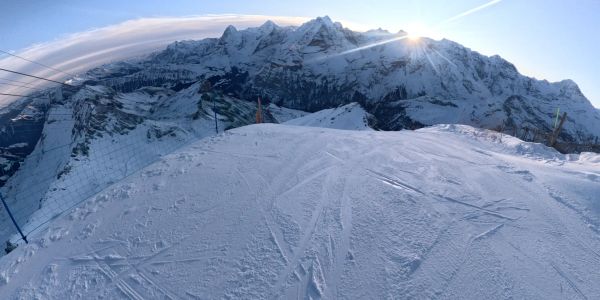
Swiss Avalanche Danger Hits Level 4 From Valais to Glarus
Level 4 of 5 avalanche danger is forecast for Monday 23 November from the Valais Alps to the Glarus Alps, and the SLF says to skip ski touring for now. Engelberg, Leukerbad and the Wildhorn are all on the list, while snow on the Bernina pass sent cars sliding off the road and shut it for two hours on Sunday. Early-season snow is welcome, but it is also what is loading the slopes. Here is where the danger sits and what to do about it.
23 Nov 2026
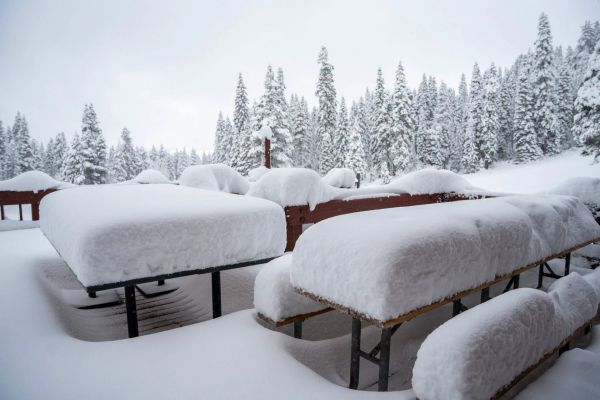
California Storm Cycle Delivers 86 Inches at Sugar Bowl and Pulls Openings Forward
A run of storms, including an atmospheric river, has buried the Sierra Nevada, with Sugar Bowl recording 86 inches (218 cm) between 14 and 20 November. Resorts across California and Nevada have pulled opening days forward after a dismal last winter. Here is what fell, who is open this weekend and what the forecast brings before Thanksgiving.
22 Nov 2026
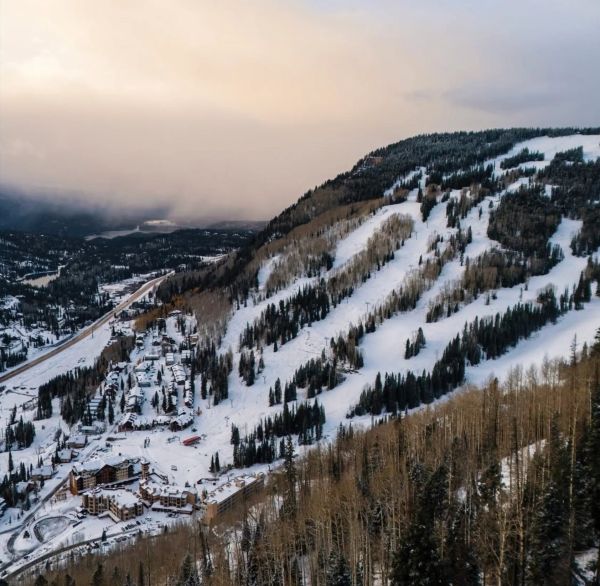
Purgatory Reveals Seven New Trails and a Colorado Couloir Chairlift Opening in December
Purgatory’s new trail map reads like a warning label. Seven new trails named after Dante’s Divine Comedy arrive with the Colorado Couloir chairlift in December, adding around 40 acres (16 ha) of steep pitches and gladed tree skiing. Five of them are black or double black. The resort opens for the season this Friday, 20 November.
19 Nov 2026
Brian Head Becomes First Utah Resort to Open for 2026-27, With Six Trails and a New Snowmaking Pipeline
Utah’s ski season has started, and it began in the south. Brian Head opened on Tuesday, 17 November, with six trails on the Navajo Express after 14 inches (36 cm) of storm snow and another half foot on opening day. It is the second year running the resort has beaten the rest of the state to first chair, and it has put nearly $1 million into a new snowmaking pipeline that can run 24 guns at once.
19 Nov 2026
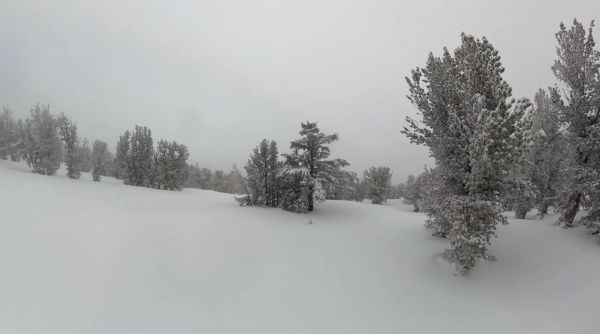
Heavenly and Northstar Open Friday as Lake Tahoe Snow Stacks Up, With Kirkwood Eyeing an Early Start
Tahoe has gone from dry to deep in a week. Heavenly and Northstar open this Friday, 20 November, with up to 24 inches (61 cm) already down at Kirkwood and 50+ inches (127 cm) in the 10-day forecast. Kirkwood normally waits until December, but this snow might change that. Heavenly is even talking about opening Stagecoach in Nevada early, which almost never happens this soon.
18 Nov 2026
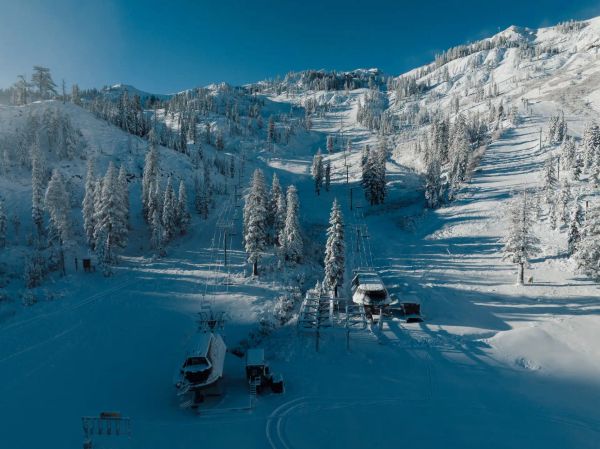
Palisades Tahoe Opens Saturday, Four Days Early, After 26 Inches of New Snow
Palisades Tahoe has pulled its opening forward by four days. Lifts spin this Saturday, 21 November, after 26 inches (66 cm) of new snow, with up to 50 more in the forecast. Opening terrain includes Treeline Cirque at Alpine and Gold Coast and Sunkid 1 at Palisades, though the resort says the weather could change the plan. Tickets are $99 through Tuesday.
18 Nov 2026
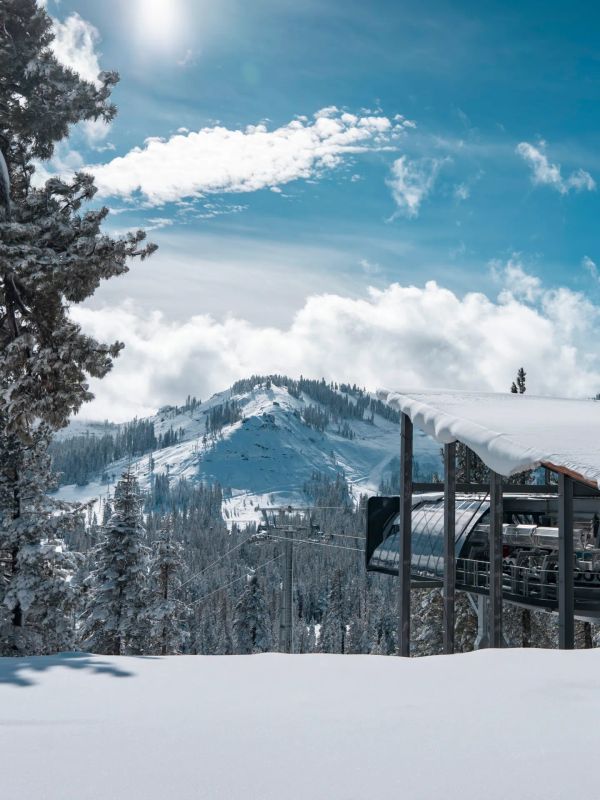
Sugar Bowl Gondola Slips to January 2027 as Opening Day Holds
Sugar Bowl still opens on 27 November, just without its new gondola. The eight-passenger Village Gondola is now targeting January 2027, with all eight towers up, the haul rope on and the first cabin hanging. Until it runs, everyone gets in through the Main Lodge, with curbside drop-off and parking lot shuttles. It replaces the first gondola in the western US, which dates from 1953.
16 Nov 2026
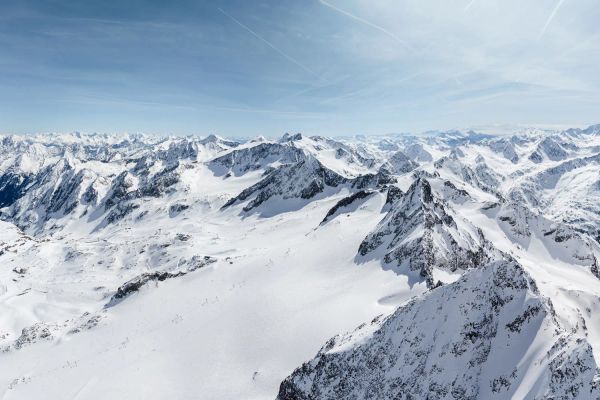
Stubai Glacier Avalanche Ends in Austria’s First Death of the Season
A 72-year-old American skier has died on Stubai Glacier after a small slab avalanche carried him over rocky ground and into a 20-metre crevasse. It is Austria’s first avalanche death of the 2026-27 season, and forecasters had flagged this exact setup two days earlier. Here is what happened near the Daunscharte, and what the snowpack was already telling anyone who was reading it.
15 Nov 2026
Park City Lift System
Park City operates 43 lifts comprising four gondolas, six six-pack chairlifts, 15 quad chairs, eight triple chairs, four double chairs, four surface lifts, and two T-bars. This infrastructure serves the merged terrain that created America's largest ski resort in 2015. The Orange Bubble Express at Canyons Village was North America's first quad chairlift with heated seats and weather protection bubbles when installed in 2010.
The eight-passenger Quicksilver Gondola spans 1.5 miles in eight minutes, connecting the Park City side at Silverlode Express to the Flatiron area on the Canyons side. Red Pine Gondola, Frostwood Gondola, and the newly opened Sunrise Gondola provide additional base-to-summit access from Canyons Village, with Sunrise carrying 3,000 riders per hour since December 2025. High-speed six-packs including Payday Express, Bonanza Express, and Silverlode Express handle uphill flow from Park City Mountain Village.
From Canyons Village, riders access terrain via Red Pine Gondola, Sunrise Gondola, or Orange Bubble Express, all depositing skiers at mid-mountain zones around 2,600 metres elevation. Park City side relies on Payday Express and Crescent Express from the base, funnelling traffic toward Bonanza and Silverlode sectors. King Con Express and McConkey's Express serve upper-mountain terrain above 2,900 metres. The Over and Out fixed-grip quad, installed in 2019, provides egress from Tombstone to Canyons Village base.
Vail Resorts invested $50 million during the 2015 merger, upgrading King Con and Motherlode from slower lifts to high-speed detachables. A new Canyons Village Skyway 10-passenger gondola is replacing the Cabriolet lift for the 2026-27 season. Proposed upgrades to Silverlode Express and Eagle Lift aim to increase capacity by 20 per cent, pending approval for the 2027-28 season. Bottlenecks form at Silverlode Express and Bonanza during peak periods, though the Quicksilver connection helps distribute crowds.
43lifts across 7 types
4
Gondolas
6
6-Person Chairs
15
Quad Chairs
8
Triple Chairs
4
Double Chairs
2
T-Bars
4
Surface Lifts
Park City lift system
Park City is served by 43 lifts, listed here by type. Check which lifts are turning against the live conditions before you plan your first laps - early lifts and high-speed chairs get you to the best snow fastest.
More Park City intelligence: trail map, snow report, webcams, resort overview.