
Park City
341 trails, 43 lifts, 983m vertical. Epic Pass access. 35 mins from Salt Lake City airport.

Season 2026 - 2027
Opens
27 Nov 2026
Closes
4 Apr 2027
Days open
128
Annual snow
289in
The Overview
Michael Fulton
Melbourne-based skier and snowboarder with 50+ resorts across 5 continents. Specialises in Australian resorts and international resort comparisons.
Park City spans 7,300 acres across a base elevation of 2,073 metres and a summit of 3,056 metres, delivering 983 metres of vertical drop. The resort claims 341 trails served by 43 lifts, making it the largest ski area in the United States following the 2015 merger of Park City Mountain Resort and Canyons Resort via the Quicksilver Gondola. Annual snowfall averages 355 inches, supported by snowmaking coverage across 18 per cent of terrain.
Terrain divides into 8 per cent beginner, 41 per cent intermediate, 28 per cent advanced, and 23 per cent expert runs, with intermediate cruisers dominating the mountain. The longest run stretches 3.5 miles from summit to base. Jupiter Peak provides expert terrain with steep chutes, whilst the Canyons side offers wide-open bowls across Iron Mountain and Tombstone zones. Six terrain parks and a halfpipe serve freestyle skiers.
Two distinct base villages anchor the resort: Park City Mountain Village connects directly to historic Main Street via the Town Lift, whilst Canyons Village offers modern slopeside lodging 6.5 miles away across the ridgeline. The resort hosted snowboarding and alpine events during the 2002 Winter Olympics, with U.S. Ski Team training courses still operating on-mountain. Summit House at 2,804 metres serves as the primary mid-mountain dining hub.
Park City operates on the Epic Pass alongside Vail Resorts' network of North American and international destinations. The season typically runs late November through early April, with January and February delivering peak snow conditions. The resort suits intermediates and mixed-ability groups, though limited beginner terrain requires first-timers to progress quickly or stick to designated learning zones at High Meadow Park and Hay Meadow Park.
3,225ft
Vertical
341
Runs
7,300 acres
Skiable
289in
Annual snow
Epic
Pass
The Terrain
341 runs across 7,300 acres skiable
Park City is one of the largest ski resorts in the United States, with 7,300 acres (2,954 hectares) of terrain and 341 runs across the Park City Mountain and Canyons sides, joined by the Quicksilver Gondola. Elevations run from 6,800 ft (2,073 m) at the base to 10,030 ft (3,056 m) at the top, giving 3,230 ft (983 m) of vertical. Terrain splits 8% beginner, 41% intermediate, 28% advanced and 23% expert, so intermediates have by far the most room, while beginners have limited choice beyond the dedicated learning areas. Snowfall averages about 360 inches a year.
Jupiter Bowl brings lift-served chutes and McConkey's Bowl adds tree skiing, while the Canyons side spreads wide-open bowls across the Iron Mountain and Tombstone zones. Cruisers will find fast laps on the Payday, Bonanza and Silverlode Express six-packs out of Mountain Village. The Town Lift, installed in 1985, loads straight from historic Main Street, and the 8.5-minute Quicksilver Gondola, installed in 2015, links the two sides. The mountain also holds the Olympic halfpipe and slopestyle courses and six terrain parks for freestyle skiers. Park City suits mixed-ability groups, intermediates after volume and variety, and visitors who want a lively town at the base.
Terrain split
341
runs
341 runs across 4 grades
Beginner27 runs · 8%
Intermediate140 runs · 41%
Advanced95 runs · 28%
Expert78 runs · 23%
Time it right
When to visit Park City
The 2025-26 season opened 22 November 2025 and closes 5 April 2026, spanning 19 weeks of operations. Park City typically opens in late November depending on snowmaking conditions and closes mid-April as spring temperatures thin coverage on lower-elevation runs. Night skiing operates on select evenings throughout winter.
Average annual snowfall reaches 355 inches, with the resort receiving 636 inches during the record-breaking 2022-23 season. January delivers the heaviest accumulation, averaging 63 inches, followed by February's 62 inches. Base elevation at 2,073 metres and summit at 3,056 metres provide a reliable snow climate, with Utah's dry powder benefiting from high-elevation cold air. Snowmaking covers 18 per cent of terrain, concentrated on lower runs and key connector trails between the two village bases.
January and February offer peak powder conditions, with consistent storms and cold temperatures maintaining quality snow across all elevations. March transitions to spring corn snow by month's end, with morning freeze-thaw cycles requiring strategic timing for soft snow between 10am and 2pm. December sees limited terrain as snowmaking crews build base depth, with full mountain access typically achieved by early January. April conditions deteriorate rapidly, with lower runs closing progressively and slushy afternoons dominating.
The Sundance Film Festival runs late January through early February, bringing crowds to Main Street but surprisingly light lift queues as festival-goers focus on screenings. Presidents' Day weekend in February matches Christmas week for congestion. Spring break crowds peak in March, though improved weather and longer days offset wait times. The resort closed select lifts early in recent seasons due to unseasonably warm conditions, making January and February the most reliable months for full terrain access.
Season 2026 - 2027
27 Nov 2026
Opens
4 Apr 2027
Closes
128
Days open
289 in
Annual snow
The record
Historical snowfall at Park City
Daily snow reports at Park City go back to 2010, 17 winters on the books. Open the record to compare winters, lifts and piste.
24 in
Snowiest day
21 Dec 2010
0 in
This winter · 2026-27
so far
267 in
Typical winter
average of complete seasons
Winter totals
in
Past wintersThis winter
Getting there
Getting to Park City, and where to stay
Park City sits on the Wasatch Back, the eastern slope of the Wasatch Mountains in Summit County, Utah, 35 miles east of Salt Lake City. The town occupies a valley at 2,134 metres elevation, surrounded by peaks exceeding 3,000 metres that once fuelled a 19th-century silver mining boom. The resort's two base villages, Park City Mountain Village and Canyons Village, lie 6.5 miles apart along the ridgeline, connected by the Quicksilver Gondola spanning Thaynes Canyon.
Park City's Historic Main Street sits 200 metres below the Park City Mountain Village base, accessible via the Town Lift which deposits skiers directly onto groomed runs. Coalville, the Summit County seat, lies 19 miles north, whilst Heber City in neighbouring Wasatch County sits 21 miles southeast. The Snyderville Basin, an unincorporated area housing roughly 15,000 residents, spreads between Park City and Canyons Village, forming the primary residential corridor for resort workers and commuters to Salt Lake City.
Interstate 80 provides the primary access route, with drivers following the highway 29 miles east from Salt Lake City before exiting onto Utah State Route 224 at Kimball Junction. The final 6-mile stretch along Route 224 climbs into Park City, passing Canyons Village en route to the town centre. Travel time averages 40 to 45 minutes under normal conditions, though winter storms through Parleys Canyon can extend the journey to over an hour. Parleys Summit crests at 2,134 metres, requiring winter tyres or chains during active traction restrictions.
Salt Lake City International Airport lies 37 miles west, offering direct flights from major U.S. cities and international destinations as a Delta Airlines hub. Ground transport options include rental cars, rideshares averaging $60 to $75, and shuttle services ranging from $90 to $170 per person. Utah Transit Authority operates the PC-SLC Connect bus requiring a transfer at Kimball Junction, whilst Park City's free transit system serves all resort base areas, lodging zones, and Main Street year-round.
Where to stay
Search all stays →Stays map loads when you scroll here
Hotels and lodges near Park City, powered by Stay22.
Latest News
From the SnowStash desk
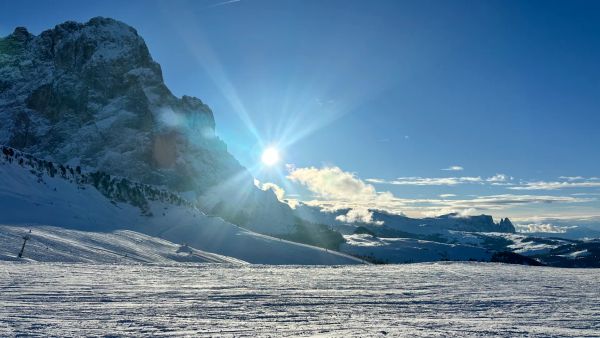
Val Gardena to Alpe di Siusi Lift Link Back in Play After Court Ruling
The Val Gardena-Alpe di Siusi lift link isn’t dead after all. A South Tyrol court has overturned Santa Cristina’s rejection of the new Monte Pana-Saltria link on procedural grounds, after the council skipped required public information sessions. Opponents want the missing sessions held and a fresh vote, and nothing has been approved. For now it’s still a bus between the two, but a plan first floated in 2017 is back in the conversation.
8 Nov 2026
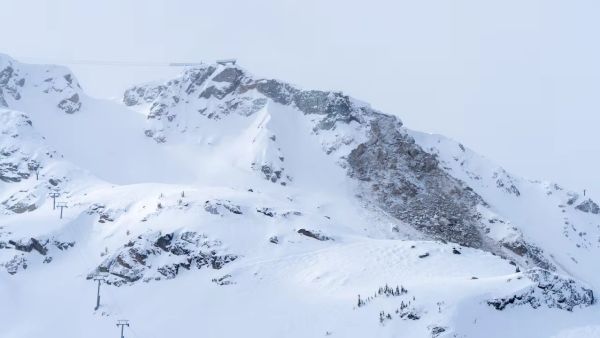
Whistler Blackcomb Rockslide Zone Stays Closed Through 2026-27 Season
A section of Whistler Peak terrain will stay closed all 2026-27 season, Vail Resorts has confirmed, with rockslide mitigation work continuing into summer 2027. Peak Express is still expected to run this winter, but locals are already arguing about what’s actually off limits, whether the Whistler Bowl is gone, and why the news landed after pass sales wound down. Here’s where things stand.
7 Nov 2026
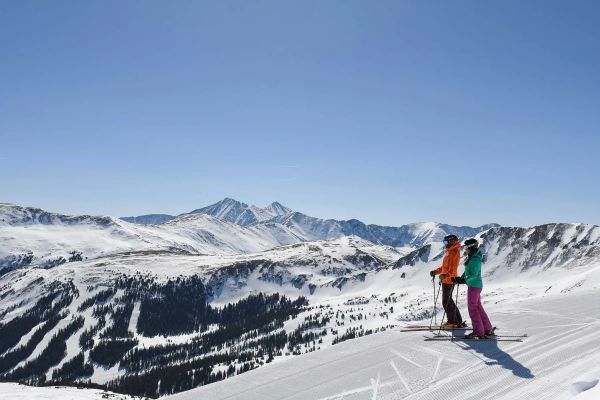
Loveland Ski Area Opens for 2026-27 and Marks 60 Years of Snowmaking
Loveland is open. The Colorado ski area started Chet’s Dream turning on Saturday 7 November to kick off 2026-27, with $60 adult lift tickets to mark 60 years of snowmaking. Expect three runs, nearly 1,000 vertical feet (about 300 metres) of top-to-bottom skiing, live music on the Basin Patio and no beginner terrain yet. Here’s what’s open, what it costs and when Loveland Valley follows.
7 Nov 2026
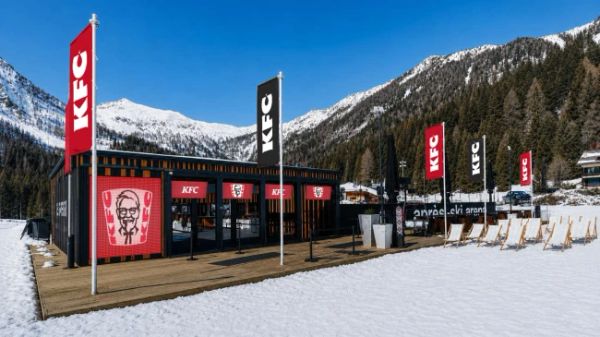
KFC Is Coming to the Slopes at Cortina and Madonna di Campiglio
Fried chicken is heading up the Dolomites. From 5 December KFC will run two restaurants on the slopes - one at 2,123 metres at Cortina, one at 1,700 metres at Madonna di Campiglio - and the polenta-and-canederli crowd has opinions. Local politicians, conservation groups and plenty of Facebook commenters are calling it a step too far, while others just want a cheaper lunch. Here’s what’s on the menu and what’s the fuss.
5 Nov 2026
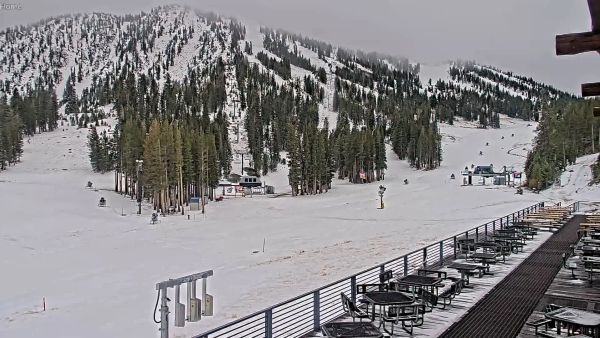
Mt Rose Aims to Open First in Tahoe on November 6
Mt Rose is going for the first-in-Tahoe title, with the Lakeview Express due to spin at 9 a.m. on Friday, November 6. One main lift, three runs and plenty of snowmaking, sitting on the highest base elevation in the region at 8,260 ft. Here is what is open, what is not (sorry, tubing fans), and how the early North American openings are stacking up.
4 Nov 2026
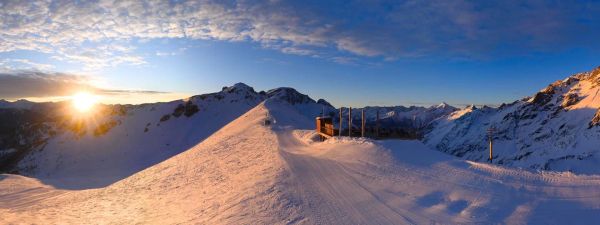
Europe Snow Forecast: Serre Chevalier Leads With 82 cm Over the Next 10 Days
Europe has had a quiet start to November, but our 10-day forecast has Serre Chevalier on 82 cm and Les 2 Alpes on 71 cm. Two pushes are lined up: a western Alps top-up from Friday, then a bigger, wider system on Thursday, November 12 and Friday, November 13 that reaches Italy and Switzerland. Full leaderboard inside.
4 Nov 2026
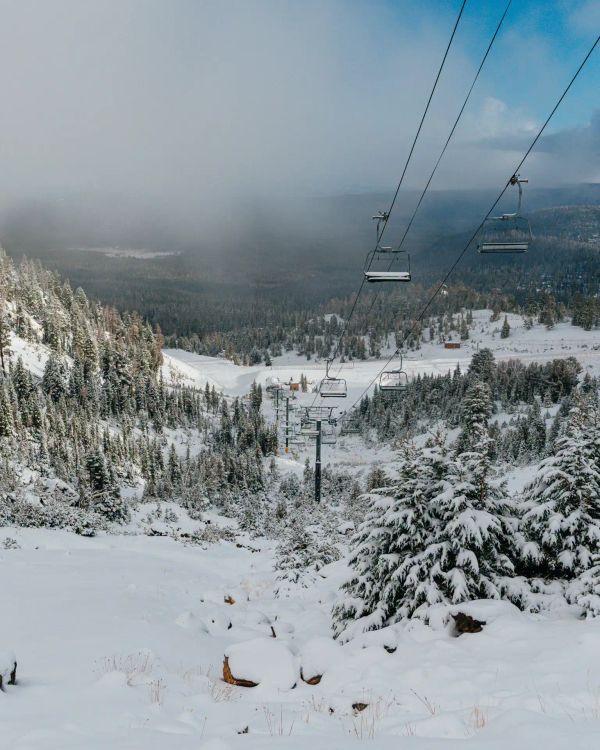
Mammoth Mountain Opens Early on November 5 With Up to 33 Inches of Snow in the Forecast
Mammoth just moved opening day forward to Thursday, November 5, eight days ahead of schedule. A snowy weekend and cold snowmaking nights did the work, and our forecast shows up to 33 inches more landing on November 13 and 14. Here is what opens, what the weather looks like and where Mammoth sits among the early Ikon Pass openers.
3 Nov 2026
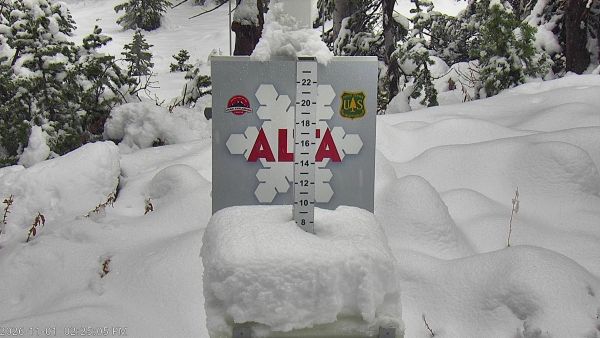
Utah Snow Storm Builds Early-Season Base Ahead of November Openings
Rain down low, snow up high, and a snow report full of zeros that mostly means ‘not updated yet’. Utah’s first proper storm of 2026-27 is rolling through the Wasatch, Snowbird’s snow stake is closing in on 10 inches, and Brian Head is five days from opening day. Early November snow rarely looks like much, but it is the layer every November opening date is built on. Here is where it stands.
1 Nov 2026
Park City Webcams
6 live angles across the mountain. Tap any camera to go full-screen.
About Park City's live webcams
Check live conditions across Park City with 6 real-time webcams showing snow, weather, and lift operations, updated every 10 minutes. Check high-elevation cams for powder visibility and base-area cams for crowd levels before you head up.
Camera guide
- Orange Bubble Express Summit
- Experience spectacular summit perspectives through this commanding Park City webcam positioned at the Orange Bubble Express summit. This high-altitude Park City live cam provides breathtaking views across America's largest ski resort, showcasing the vast terrain that spans over 7,300 acres of diverse skiing. Monitor upper mountain conditions and visibility through this essential Park City web cam as you prepare to explore the endless possibilities at this world-class Utah destination.
- Lookout Cabin
- Discover Park City's mid-mountain dining and activity hub through this strategic Lookout Cabin Park City webcam. This central Park City live cam captures the bustling atmosphere where skiers gather to refuel and plan their next runs across the resort's incredible terrain variety. Perfect for monitoring mountain activity and weather conditions, this Park City web cam helps visitors navigate America's largest ski resort while enjoying the vibrant mountain culture that defines this iconic Utah destination.
- Crescent Ridge
- Track conditions across Park City's popular intermediate terrain through this well-positioned Crescent Ridge Park City webcam. This strategic Park City live cam offers comprehensive views of the resort's family-friendly zone where skiers of all abilities can enjoy perfectly groomed runs and stunning mountain vistas. Monitor snow quality and trail activity through this Park City web cam while planning your approach to Utah's most accessible world-class skiing destination.
- Crescent Summit
- Experience commanding views from this elevated Crescent Summit Park City webcam positioned at one of the resort's key high points. This summit Park City live cam showcases the expansive terrain and impressive vertical that makes Park City a destination for serious skiers and casual enthusiasts alike. Check high-altitude conditions and visibility through this Park City web cam as you prepare to explore the diverse runs that flow from this spectacular Utah mountain summit.
- Park City Mountain Base
- Monitor the vibrant energy at Park City's main hub through this essential base area Park City webcam. This central Park City live cam captures the bustling activity where world-class skiing meets the charming mountain village atmosphere that attracts visitors from around the globe. Perfect for checking crowd levels and base operations, this Park City web cam helps plan your visit to Utah's premier ski destination where Olympic legacy meets modern mountain resort excellence.
- High Meadow
- Discover Park City's peaceful high-altitude terrain through this serene High Meadow Park City webcam. This elevated Park City live cam showcases the resort's more tranquil zones where skiers can escape crowds while still enjoying world-class snow conditions and stunning mountain scenery. Monitor conditions in this beautiful area through this Park City web cam while planning quiet moments during your Utah skiing adventure at America's largest resort.
Park City snow cams FAQ
How often do Park City snow cams update?
All Park City snow cams and webcams update every 10 minutes with fresh images showing current mountain conditions. This frequent update schedule ensures you have access to near real-time conditions for planning your ski day at Park City.
Which Park City webcam shows the best powder conditions?
High-elevation webcams at Park City typically provide the clearest view of powder conditions and snowfall. These cams capture fresh snow accumulation and visibility better than base area cameras.
Can I see Park City lift queues on the webcams?
Yes. Multiple Park City snow cams specifically show lift queue areas and chairlift operations, helping you time your arrival and avoid peak queue periods.
When is the best time to check Park City snow cams?
Check Park City webcams early morning (7-8am) for overnight snowfall assessment, and mid-afternoon for current crowd levels and weather. The live cams are most useful after storm events to assess fresh powder.
How can I check current conditions before buying Park City lift tickets?
Use our Park City webcams alongside the live snow report to assess conditions before purchasing lift tickets. The webcams show real-time visibility, snow quality, and operational status.
Do Park City webcams work on mobile devices?
Yes. All Park City snow cams and webcams are optimized for mobile viewing, so you can check live conditions from anywhere using your phone or tablet.
More Park City intelligence: snow report, lift tickets, trail map, resort overview.