
The Overview
Michael Fulton
Melbourne-based skier and snowboarder with 50+ resorts across 5 continents. Specialises in Australian resorts and international resort comparisons.
Park City spans 7,300 acres across a base elevation of 2,073 metres and a summit of 3,056 metres, delivering 983 metres of vertical drop. The resort claims 341 trails served by 43 lifts, making it the largest ski area in the United States following the 2015 merger of Park City Mountain Resort and Canyons Resort via the Quicksilver Gondola. Annual snowfall averages 355 inches, supported by snowmaking coverage across 18 per cent of terrain.
Terrain divides into 8 per cent beginner, 41 per cent intermediate, 28 per cent advanced, and 23 per cent expert runs, with intermediate cruisers dominating the mountain. The longest run stretches 3.5 miles from summit to base. Jupiter Peak provides expert terrain with steep chutes, whilst the Canyons side offers wide-open bowls across Iron Mountain and Tombstone zones. Six terrain parks and a halfpipe serve freestyle skiers.
Two distinct base villages anchor the resort: Park City Mountain Village connects directly to historic Main Street via the Town Lift, whilst Canyons Village offers modern slopeside lodging 6.5 miles away across the ridgeline. The resort hosted snowboarding and alpine events during the 2002 Winter Olympics, with U.S. Ski Team training courses still operating on-mountain. Summit House at 2,804 metres serves as the primary mid-mountain dining hub.
Park City operates on the Epic Pass alongside Vail Resorts' network of North American and international destinations. The season typically runs late November through early April, with January and February delivering peak snow conditions. The resort suits intermediates and mixed-ability groups, though limited beginner terrain requires first-timers to progress quickly or stick to designated learning zones at High Meadow Park and Hay Meadow Park.
3,225ft
Vertical
341
Runs
7,300 acres
Skiable
30ft
Annual snow
Epic
Pass
The Terrain
341 runs across 7,300 acres skiable
Park City is one of the largest ski resorts in the United States, with 7,300 acres (2,954 hectares) of terrain and 341 runs across the Park City Mountain and Canyons sides, joined by the Quicksilver Gondola. Elevations run from 6,800 ft (2,073 m) at the base to 10,030 ft (3,056 m) at the top, giving 3,230 ft (983 m) of vertical. Terrain splits 8% beginner, 41% intermediate, 28% advanced and 23% expert, so intermediates have by far the most room, while beginners have limited choice beyond the dedicated learning areas. Snowfall averages about 360 inches a year.
Jupiter Bowl brings lift-served chutes and McConkey's Bowl adds tree skiing, while the Canyons side spreads wide-open bowls across the Iron Mountain and Tombstone zones. Cruisers will find fast laps on the Payday, Bonanza and Silverlode Express six-packs out of Mountain Village. The Town Lift, installed in 1985, loads straight from historic Main Street, and the 8.5-minute Quicksilver Gondola, installed in 2015, links the two sides. The mountain also holds the Olympic halfpipe and slopestyle courses and six terrain parks for freestyle skiers. Park City suits mixed-ability groups, intermediates after volume and variety, and visitors who want a lively town at the base.
Terrain split
341
runs
341 runs across 4 grades
Beginner27 runs · 8%
Intermediate140 runs · 41%
Advanced95 runs · 28%
Expert78 runs · 23%
Time it right
When to visit Park City
The 2025-26 season opened 22 November 2025 and closes 5 April 2026, spanning 19 weeks of operations. Park City typically opens in late November depending on snowmaking conditions and closes mid-April as spring temperatures thin coverage on lower-elevation runs. Night skiing operates on select evenings throughout winter.
Average annual snowfall reaches 355 inches, with the resort receiving 636 inches during the record-breaking 2022-23 season. January delivers the heaviest accumulation, averaging 63 inches, followed by February's 62 inches. Base elevation at 2,073 metres and summit at 3,056 metres provide a reliable snow climate, with Utah's dry powder benefiting from high-elevation cold air. Snowmaking covers 18 per cent of terrain, concentrated on lower runs and key connector trails between the two village bases.
January and February offer peak powder conditions, with consistent storms and cold temperatures maintaining quality snow across all elevations. March transitions to spring corn snow by month's end, with morning freeze-thaw cycles requiring strategic timing for soft snow between 10am and 2pm. December sees limited terrain as snowmaking crews build base depth, with full mountain access typically achieved by early January. April conditions deteriorate rapidly, with lower runs closing progressively and slushy afternoons dominating.
The Sundance Film Festival runs late January through early February, bringing crowds to Main Street but surprisingly light lift queues as festival-goers focus on screenings. Presidents' Day weekend in February matches Christmas week for congestion. Spring break crowds peak in March, though improved weather and longer days offset wait times. The resort closed select lifts early in recent seasons due to unseasonably warm conditions, making January and February the most reliable months for full terrain access.
Season 2026 - 2027
27 Nov 2026
Opens
4 Apr 2027
Closes
128
Days open
30 ft
Annual snow
Getting there
Getting to Park City, and where to stay
Park City sits on the Wasatch Back, the eastern slope of the Wasatch Mountains in Summit County, Utah, 35 miles east of Salt Lake City. The town occupies a valley at 2,134 metres elevation, surrounded by peaks exceeding 3,000 metres that once fuelled a 19th-century silver mining boom. The resort's two base villages, Park City Mountain Village and Canyons Village, lie 6.5 miles apart along the ridgeline, connected by the Quicksilver Gondola spanning Thaynes Canyon.
Park City's Historic Main Street sits 200 metres below the Park City Mountain Village base, accessible via the Town Lift which deposits skiers directly onto groomed runs. Coalville, the Summit County seat, lies 19 miles north, whilst Heber City in neighbouring Wasatch County sits 21 miles southeast. The Snyderville Basin, an unincorporated area housing roughly 15,000 residents, spreads between Park City and Canyons Village, forming the primary residential corridor for resort workers and commuters to Salt Lake City.
Interstate 80 provides the primary access route, with drivers following the highway 29 miles east from Salt Lake City before exiting onto Utah State Route 224 at Kimball Junction. The final 6-mile stretch along Route 224 climbs into Park City, passing Canyons Village en route to the town centre. Travel time averages 40 to 45 minutes under normal conditions, though winter storms through Parleys Canyon can extend the journey to over an hour. Parleys Summit crests at 2,134 metres, requiring winter tyres or chains during active traction restrictions.
Salt Lake City International Airport lies 37 miles west, offering direct flights from major U.S. cities and international destinations as a Delta Airlines hub. Ground transport options include rental cars, rideshares averaging $60 to $75, and shuttle services ranging from $90 to $170 per person. Utah Transit Authority operates the PC-SLC Connect bus requiring a transfer at Kimball Junction, whilst Park City's free transit system serves all resort base areas, lodging zones, and Main Street year-round.
Where to stay
Search all stays →Hotels and lodges near Park City, powered by Stay22.
Latest News
From the SnowStash desk
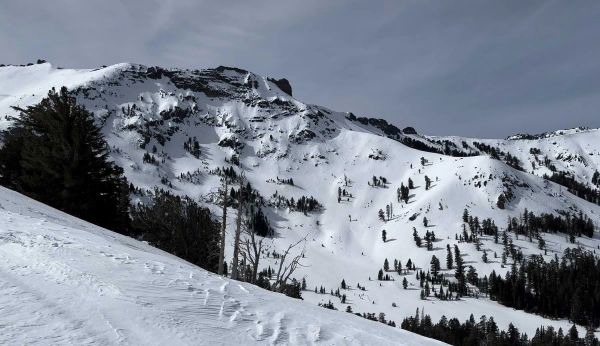
California Ski Resort Opening Dates 2026-27: Mammoth Leads, Tahoe Follows
Mammoth Mountain is first up in California, targeting Friday 13 November after a dusting of September snow. Heavenly and Northstar follow on 20 November, Palisades Tahoe on Wednesday 25 November and Sugar Bowl on 27 November, with Kirkwood on 4 December and June Mountain on 19 December. Plenty of smaller areas have no date yet. A super El Niño favours the Sierra, but a warmer storm track is the catch.
7 Oct 2026
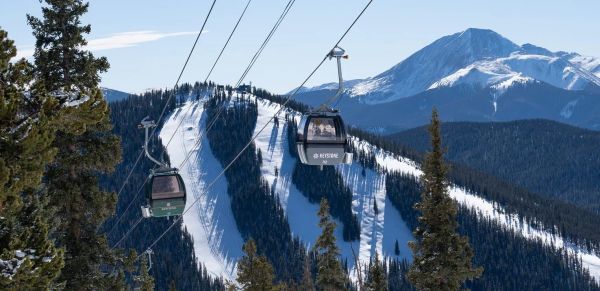
Colorado Ski Resort Opening Dates 2026-27: A-Basin and Keystone Race to Be First
Arapahoe Basin, Keystone and Winter Park are all chasing an October start, though none has a firm date yet. The first dated openers are Breckenridge and Copper on Friday 6 November, then Vail on 13 November, with most of the rest bunched around US Thanksgiving. Hesperus did not open at all last season. A super El Niño offers hope but no guarantee, and forecasters say the southern mountains have the better odds.
5 Oct 2026
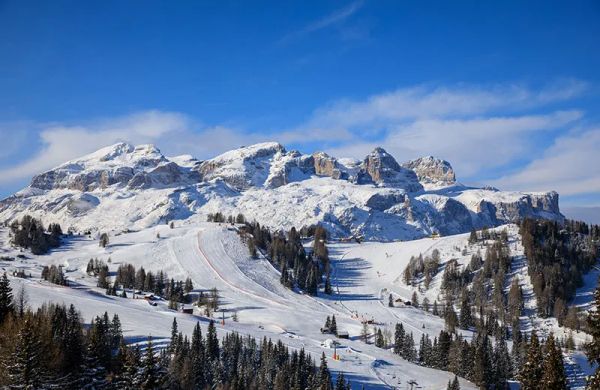
Dolomiti Superski 2026-27: Four New Gondolas, New Reservoirs and an €89 Peak Day Pass
Dolomiti Superski is spending around €100 million across its 12 areas before winter. Kronplatz gets a new 10-passenger gondola with a middle station, 3 Zinnen gets Helmissimo, and Val di Fassa swaps a chairlift for a gondola above Col Valvacin. New water-storage basins and upgraded snowmaking follow, and construction has started on the San Martino to Passo Rolle link. A peak adult day pass is €89.
4 Oct 2026
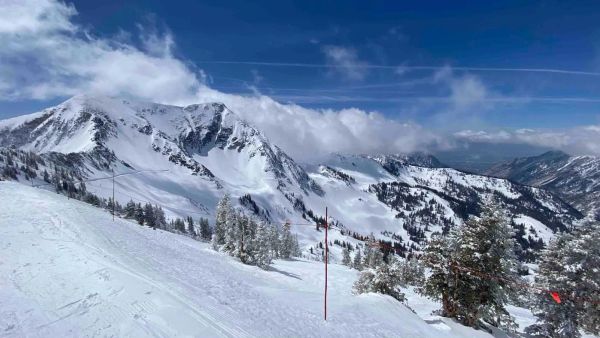
Utah Ski Resort Opening Dates 2026-27: Brian Head First, Eagle Point Out
Brian Head is targeting 6 November, though last year it aimed for 7 November and did not open until the 25th. Park City, Alta and Solitude are pencilled in for 20 November, Snowbird and Snowbasin for 27 November, and Deer Valley for 5 December. Eagle Point will stay closed after the Cottonwood Fire. A super El Niño is forecast, but the big snow is not expected until January.
4 Oct 2026
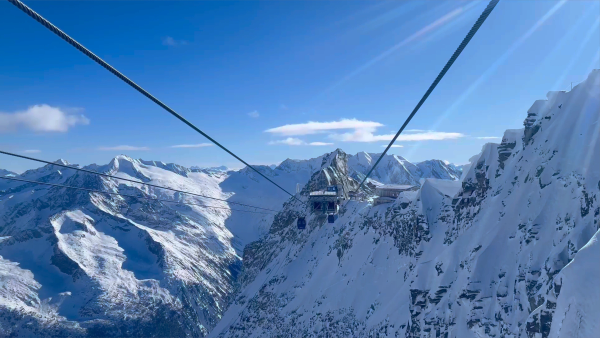
Hintertux Glacier Opens for 2026-27 With 12 Kilometres of Piste
Hintertux became Austria's second glacier to open for 2026-27 on Friday 2 October, after the Pitztal Glacier. Twelve kilometres of piste are running around the Olperer and Gefrorene Wand, served by one gondola and two drag lifts, with the Betterpark also open. Lifts officially run 8:15 am to 4:30 pm, but skiing stops at 2 pm for now.
4 Oct 2026
Vail Resorts Counts the Cost of a Thin Winter as Pass Sales Slide Further
A historically poor western winter cut Vail Resorts' annual net income from $280 million to $147.5 million and skier visits by 13.4 per cent. Now 2026-27 pass units are down 12 per cent as of 18 September, worse than the 10 per cent flagged in spring. Vail blames the weather and thinks some buyers are simply waiting, and it forecasts a rebound if the snow behaves.
3 Oct 2026
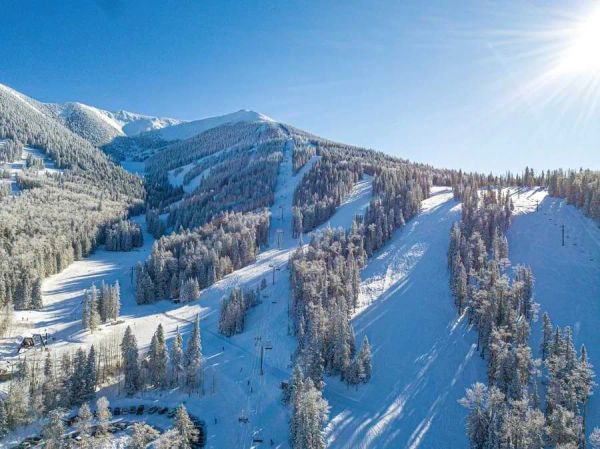
Arizona Snowbowl's $1 Lift Tickets Are Hard to Find, but $9 Days Are Not
Arizona Snowbowl advertised eight $1 lift ticket days this winter. Go looking and only three are showing - 10 March, 1 April and 10 April - so the rest may already have gone. The consolation is a calendar full of $9 days, including all but one day in April. Opening day is 20 November, weather permitting, and opening weekend is $19.
2 Oct 2026
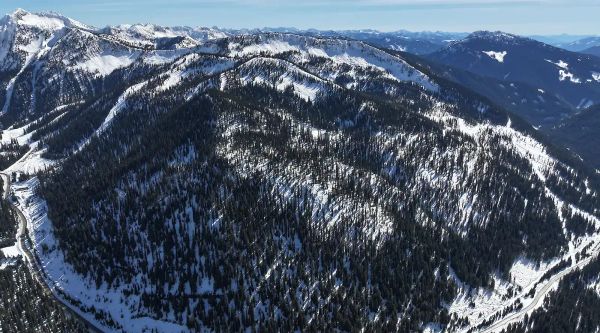
Whitewater Brings Its Short Side Inbounds, With Six New Runs for 2026-27
For years, Whitewater's Short Side was where you ducked a rope and hoped for the best: unmapped, ungroomed and unpatrolled. This winter it's inbounds. Six new runs of glades and fall-line skiing add 190 acres (about 77 hectares), taking the resort past 1,400 acres in total. F2 Logging spent a month in the trees to make it happen, and opening day is pencilled in for 4 December. Bonanza now needs less snow to groom, too.
1 Oct 2026
Park City Lift Tickets
Park City lift tickets & passes
Opening day for the winter 2026 - 2027 season is scheduled for Nov 27, 2026 (subject to change). Lift tickets at Park City typically go on sale well before the start of the ski season.
Our lift ticket pricing was last updated on Sep 28, 2026.
Day passes start from US$131, with peak rates up to US$249.
Epic12 pass options
Single-day passes
Adult 13–64
Adult 1-Day Lift Ticket (13-64)
US$202up to US$249 peak
1-Day Lift Ticket at Park City Mountain for the 2026/27 season, ages 13-64. Park City (Vail Resorts) uses fully dynamic date-based pricing; regular/peak reflect the confirmed low/high price observed on the resort's own booking calendar (Dec 1, 2026 non-holiday to Dec 25, 2026 holiday). December sample only - January/February peak weeks may run higher.
Buy passChild 5–12
Child 1-Day Lift Ticket (5-12)
US$131up to US$161 peak
1-Day Lift Ticket for children 5-12 at Park City Mountain for the 2026/27 season. Dynamic date-based pricing; regular/peak reflect the confirmed low/high price observed on the resort's own booking calendar (Dec 1, 2026 non-holiday to Dec 25, 2026 holiday). December sample only.
Buy passSenior 65–99
Senior 1-Day Lift Ticket (65+)
US$152up to US$186 peak
1-Day Lift Ticket for seniors 65+ at Park City Mountain for the 2026/27 season. Dynamic date-based pricing; regular/peak reflect the confirmed low/high price observed on the resort's own booking calendar (Dec 1, 2026 non-holiday to Dec 25, 2026 holiday). December sample only.
Buy passMulti-day passes
Adult 13–64
Adult 2-Day Ticket (13-64)
US$432
2-Day Lift Ticket for adults 13-64 at Park City Mountain for the 2026/27 season - total price for the pack (any 2 days within a 3-day window), dynamic date-based pricing. Confirmed sample price for a January 18, 2027 start date; price varies by start date across the season.
Buy passChild 5–12
Child 2-Day Ticket (5-12)
US$282
2-Day Lift Ticket for children 5-12 at Park City Mountain for the 2026/27 season - total price for the pack (any 2 days within a 3-day window), dynamic date-based pricing. Confirmed sample price for a January 18, 2027 start date; price varies by start date across the season.
Buy passSenior 65–99
Senior 2-Day Ticket (65+)
US$324
2-Day Lift Ticket for seniors 65+ at Park City Mountain for the 2026/27 season - total price for the pack (any 2 days within a 3-day window), dynamic date-based pricing. Confirmed sample price for a January 18, 2027 start date; price varies by start date across the season.
Buy passAdult 13–64
Adult 3-Day Ticket (13-64)
US$642
3-Day Lift Ticket for adults 13-64 at Park City Mountain for the 2026/27 season - total price for the pack (any 3 days within a 5-day window), dynamic date-based pricing. Confirmed sample price for a January 18, 2027 start date; price varies by start date across the season.
Buy passChild 5–12
Child 3-Day Ticket (5-12)
US$417
3-Day Lift Ticket for children 5-12 at Park City Mountain for the 2026/27 season - total price for the pack (any 3 days within a 5-day window), dynamic date-based pricing. Confirmed sample price for a January 18, 2027 start date; price varies by start date across the season.
Buy passSenior 65–99
Senior 3-Day Ticket (65+)
US$480
3-Day Lift Ticket for seniors 65+ at Park City Mountain for the 2026/27 season - total price for the pack (any 3 days within a 5-day window), dynamic date-based pricing. Confirmed sample price for a January 18, 2027 start date; price varies by start date across the season.
Buy passAdult 13–64
Epic Day Pass (Adult 13-64, Restricted, 1+ Days)
US$144
Epic Day Pass (Restricted, Adult 13-64) - a flexible 1-7+ day multi-resort pass covering Park City among other Epic destinations, with blackout dates on the restricted tier. Confirmed 26/27 starting price from the resort's own site for the 1-day restricted option; price varies by number of days and rises as the season progresses.
Buy passSeason passes
Adult 31–64
Epic Pass (Adult 31-64, Unlimited, Unrestricted)
US$1,145
Epic Pass (Adult 31-64) - Park City does not sell its own season pass; season-long access is via the Vail Resorts-network Epic Pass, which grants unlimited, unrestricted access to Park City plus 90+ mountains worldwide including 37 in North America. Confirmed current 26/27 price from epicorikon.com (post the September 7, 2026 increase); price is scheduled to rise again after October 7, 2026. Ages 13-30 receive a 20% discount off this price.
Buy passAdult 31–64
Epic Local Pass (Adult 31-64, Limited Blackouts)
US$849
Epic Local Pass (Adult 31-64) - a lower-cost alternative to the full Epic Pass; grants access to Park City with holiday blackout dates. Confirmed current 26/27 price from epicorikon.com (post the September 7, 2026 increase); price is scheduled to rise again after October 7, 2026. Ages 13-30 receive a 20% discount off this price.
Buy passLift tickets FAQ
How much does a Park City day pass cost?
Park City day passes range from US$131 to US$249 depending on the date and advance booking.
Can I buy Park City lift tickets online?
Yes, you can purchase tickets directly from the resort website or at the resort ticket office.
Are there discounts for multi-day passes?
Yes, multi-day packages typically offer significant savings compared to individual day passes. The per-day cost decreases with longer stays.
What is included with a Park City lift ticket?
Full access to all lifts and trails at Park City, including mountain safety and patrol services.
What is the difference between Park City lift tickets and ski passes?
"Lift tickets" and "ski passes" refer to the same thing at Park City - your access to the mountain's lifts and trails for your chosen duration.
When should I buy Park City lift tickets for the best price?
Purchase tickets at least 7 days in advance for the best rates, and consider weekday visits for further savings over weekend rates.
Does Park City offer group discounts on lift tickets?
Group discounts are typically available for parties of 10 or more. Contact Park City directly for group booking information and rates.
How can I check current conditions before buying tickets?
Before purchasing, check the live snow report and mountain webcams to see current weather, snow conditions, and lift operations at Park City.
More Park City intelligence: snow report, webcams, resort overview.