Jay Peak
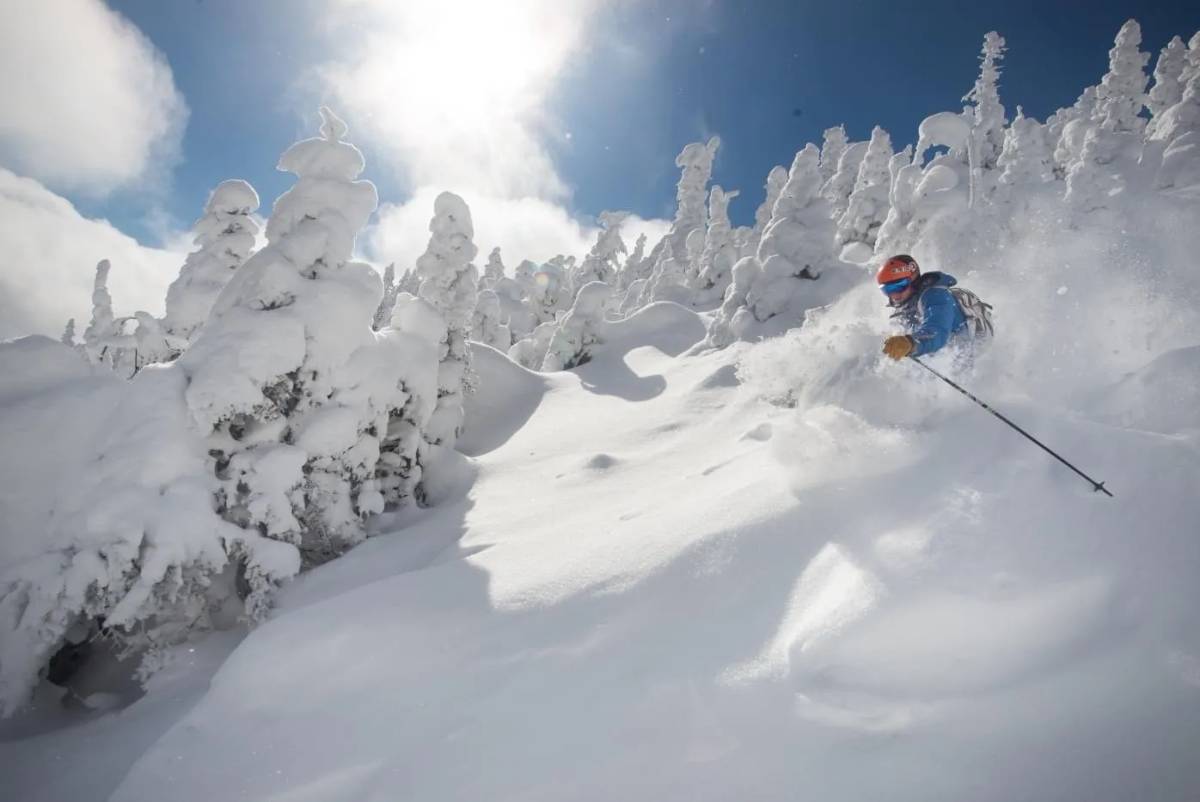
385 acres, 81 runs near the Canadian border. Vermont's snowiest resort, legendary glades, Indy Pass.
Season 2026 - 2027
Opens
22 Nov 2026
Closes
16 May 2027
Days open
175
Annual snow
359in
The Overview
Michael Fulton
Melbourne-based skier and snowboarder with 50+ resorts across 5 continents. Specialises in Australian resorts and international resort comparisons.
Jay Peak's summit reaches 3,966 feet, dropping roughly 2,153 vertical feet to a base at 1,814 feet across 81 runs spread over 385 acres near Jay, Vermont, close to the Canadian border. Terrain splits 50 per cent intermediate, 26 per cent beginner, 20 per cent advanced and 4 per cent expert, with average annual snowfall of roughly 359 inches, the highest of any ski area in the eastern United States. The resort carries Indy Pass affiliation. Nine lifts, including one aerial tram and four quad chairs, serve the mountain alongside one double chair, one triple chair and two surface lifts.
Jay Peak has earned a reputation as Vermont's snowiest resort, a distinction rooted in its far-northern location and prevailing weather patterns that deliver substantially more natural snowfall than mountains further south in the state. This snow reliability, combined with legendary gladed terrain, has built a devoted following among serious powder skiers.
Jay Peak opened for skiing in 1957. Following the sudden death in March 2006 of Jacques Hebert, the Canadian principal shareholder and operator, his heirs, lacking experience running a major resort business, decided to sell. In 2008, a group of investors headed by Ariel Quiros and resort CEO Bill Stenger purchased Jay Peak and undertook a major expansion funded through the EB-5 immigrant investor programme, adding hotels, condominiums, an ice rink and an indoor water park.
That expansion later proved to be the largest EB-5 fraud in American history, with roughly 350 million US dollars raised from investors and around 200 million US dollars misused on unrelated projects and personal expenses. The Securities and Exchange Commission seized Jay Peak in 2016, placing it under receivership until an auction in September 2022 saw Pacific Group Resorts, Inc. of Park City, Utah, acquire the resort for 76 million US dollars, with the sale completed that November and the bulk of proceeds distributed to defrauded investors. Adult daily tickets run from 99 to 149 US dollars, with a discount available for Vermont residents.
2,152ft
Vertical
81
Runs
385 acres
Skiable
359in
Annual snow
Indy
Pass
The Terrain
81 runs across 385 acres skiable
Jay Peak sits in Vermont's far north near the Canadian border, with 81 runs over 385 acres (156 hectares) and a summit at 3,970 ft (1,209 m). The base is at 1,810 ft (553 m), giving a vertical of 2,150 ft (656 m). Half the mountain is blue square at 50%, with 26% green, 20% black diamond and 4% expert. Snow is the real draw, with roughly 359 inches in an average winter, among the heaviest totals in the East. An aerial tram, four quads, a triple, a double and two surface lifts spread skiers across both sides of the mountain.
The mountain splits into two interconnected peaks, Stateside and Tramside, and the tram is the only aerial tramway in Vermont. The Face Chutes sit to the left of the tram, a steep open face with plenty of drops that stays sheltered from wind. Intermediates can ride from the top and keep right on Vermonter, one of the trademark runs. More than 100 acres of glades add low-angle tree skiing that holds powder well. Jay suits powder chasers and confident intermediates, though the 4% expert share means true steeps are limited.
Terrain split
81
runs
81 runs across 4 grades
Beginner21 runs · 26%
Intermediate41 runs · 50%
Advanced16 runs · 20%
Expert3 runs · 4%
Time it right
When to visit Jay Peak
The 2025-26 season at Jay Peak ran from 22 November 2025 to 10 May 2026, a remarkably long roughly twenty-four-week season supported by average annual snowfall of around 359 inches, the highest of any ski area in the eastern United States. This exceptional snowfall total, driven by the resort's far-northern location, supports one of the longest seasons in the Northeast.
Midwinter, from December through February, typically brings the deepest, most consistent conditions to Jay Peak's legendary gladed terrain. As an Indy Pass resort, Jay draws some visiting skiers holding that multi-resort pass alongside dedicated powder-focused visitors drawn specifically to the mountain's exceptional snow totals.
Given Jay Peak's remote location close to the Canadian border, the resort draws a genuinely dedicated visitor base willing to travel further than for many other Vermont mountains, rewarded by consistently deeper snow than areas further south. School holiday periods bring family visitation supported by the resort's indoor water park and hotel amenities.
Specific event programming beyond standard operations is not confirmed in available resort information. Since Pacific Group Resorts, Inc.'s November 2022 acquisition following the resort's EB-5 fraud scandal and subsequent federal receivership, Jay Peak has continued operating under stable ownership, building on nearly seven decades of history since its 1957 founding. The mountain's exceptional snowfall remains its defining seasonal characteristic.
Season 2026 - 2027
22 Nov 2026
Opens
16 May 2027
Closes
175
Days open
359 in
Annual snow
The record
Historical snowfall at Jay Peak
Daily snow reports at Jay Peak go back to 2025, 3 winters on the books. Open the record to compare winters, lifts and piste.
24 in
Snowiest day
18 Nov 2025
0 in
This winter · 2026-27
so far
375 in
Typical winter
average of complete seasons
Winter totals
in
Past wintersThis winter
Getting there
Getting to Jay Peak, and where to stay
Jay Peak sits near Jay, Vermont, close to the Canadian border, with a base elevation of 1,814 feet and a summit at 3,966 feet across a roughly 2,153-foot vertical drop over 385 acres. This far-northern setting places the resort in one of the snowiest corners of the eastern United States.
The town of Jay and the broader Northeast Kingdom region offer modest local lodging and dining, with the resort itself providing substantial on-site accommodation given its remote setting. Montreal, Canada, lies within a reasonable drive across the nearby border, adding an international dimension to the resort's visitor draw.
Vermont State Route 242 provides access to the resort through the Northeast Kingdom. Winter driving conditions on this route can include substantial snow and ice, consistent with the region's exceptional snowfall totals, and travellers should allow extra time given the resort's remote location. There is no direct public transport service to the mountain.
Montreal-Trudeau International Airport, across the Canadian border, and Burlington International Airport, within Vermont, both serve the broader region, with Jay Peak drawing a genuinely international visitor base given its proximity to Montreal alongside its core Vermont and Northeast skier base.
Where to stay
Search all stays →Hotels and lodges near Jay Peak, powered by Stay22.
Latest News
From the SnowStash desk
Sierra Nevada Halloween Storm: Dodge Ridge Forecast to Lead With 19 Inches
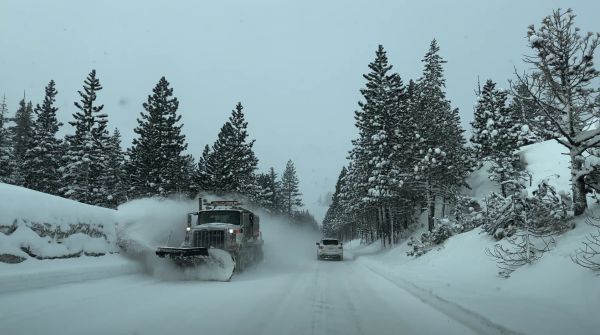
Halloween weekend brings a wet, windy storm to the Sierra Nevada. Our five-day forecast has Dodge Ridge on top with 19 in, followed by Bear Valley at 15 in and Mammoth Mountain at 12 in, with most of it landing on Saturday. A winter weather advisory covers the Tahoe Basin and Mono County until 7 AM Sunday, gusts could reach 47 mph and the freezing level swings between 4,900 and 8,700 ft, so some bases will see rain. A dry spell follows from Monday.
31 Oct 2026
Lake Louise Opens Early on 1 November With Juniper Express and Easy Street
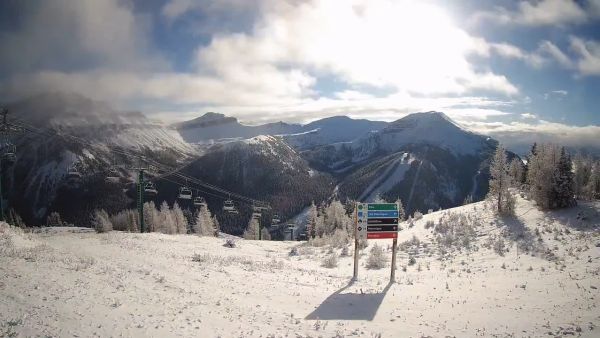
The Rockies get their first lift-served turns of the season early. Lake Louise opens Sunday 1 November, five days ahead of schedule, after a cold October and round-the-clock work from the snowmaking and mountain crews. Terrain is limited to Juniper Express Chair and Easy Street, with two small terrain parks and the beginner area for lessons. Opening-day tickets are over 60% off, with prices rising as more lifts open. First chair is at 9:30 am under the resort’s new lift hours.
31 Oct 2026
Kitzbüheler Horn Summit Cable Car to Be Replaced After 70 Years
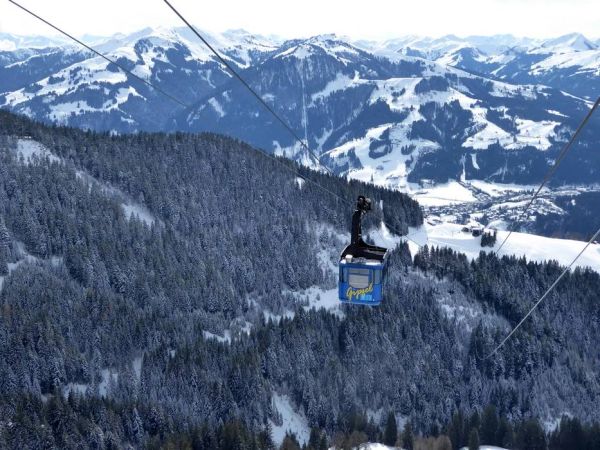
A Tyrolean summit lift that has been carrying guests up the Kitzbüheler Horn since 1955 is on borrowed time. Its licence runs to 2045, but a new inspection rule has made refurbishment uneconomic, so Bergbahn AG Kitzbühel will spend around €15 million on a replacement on the same line. It should hold roughly 100 people and keep running in winds that would stop today’s lift. Building starts in autumn 2027, which makes this winter and next summer the last chances to ride the old one.
30 Oct 2026
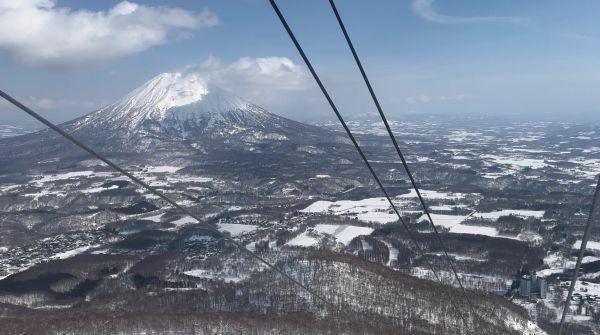
What’s New in Japan Skiing This Winter: Niseko Gondola, a Private Resort and a Bigger Ikon Pass
Niseko Village is replacing a lift from the early 1980s with an eight-person gondola, Tsugaike gets a six-person chairlift, Madarao joins the Ikon Pass and Togari opens Asia’s first private ski resort. Here’s what is actually new in Japan skiing for 2026/27, plus what is still a year or two away.
30 Oct 2026
Wolf Creek Opens on Halloween Weekend as Colorado’s Early Season Gathers Pace
Colorado’s early-season dominoes keep falling. Arapahoe Basin opened on Wednesday, Keystone follows on Friday, and now Wolf Creek is joining in on Saturday 31 October, just in time for Halloween. A storm on 23 and 24 October left 20 inches of natural snow in the San Juans, and three lifts will turn from 9:00 am, covering about 30% of the mountain. Expect rocks, unmarked obstacles and open water, but also Local Appreciation lift tickets at $73 for adults.
30 Oct 2026
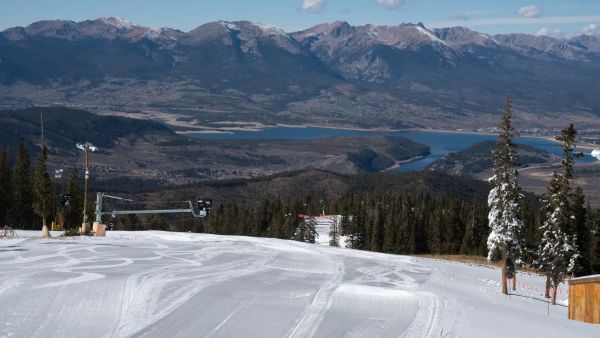
Keystone Resort Opens for 2026/27 With More Than Two Miles of Skiing
Keystone is next. After Arapahoe Basin claimed the first chairlift skiing of the season on Wednesday, Keystone opens on Friday 30 October at 9:00 am with more than two miles of snowmaking-built terrain on Schoolmarm and Silver Spoon, plus free donuts, coffee and a live DJ. Last year the order was reversed, when Keystone squeezed in a three-hour afternoon session to beat A-Basin by a day. Snowmaking has been running since 15 October.
29 Oct 2026
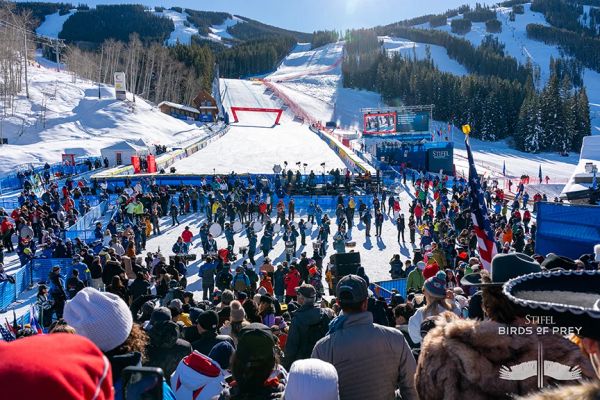
Beaver Creek Installs 16 Automated Snow Guns on Birds of Prey Ahead of Record World Cup
Beaver Creek is getting ready for the biggest Birds of Prey ever, and this time it is not leaving the snow to chance. Crews started making snow on 27 October with 16 newly installed automated guns on the lower third of the course, after last December’s warm spell forced a downhill off the schedule. Seven races across two weekends run from 3 to 13 December, the most the course has hosted since its 1997 debut, and the guns start themselves whenever the weather allows.
29 Oct 2026
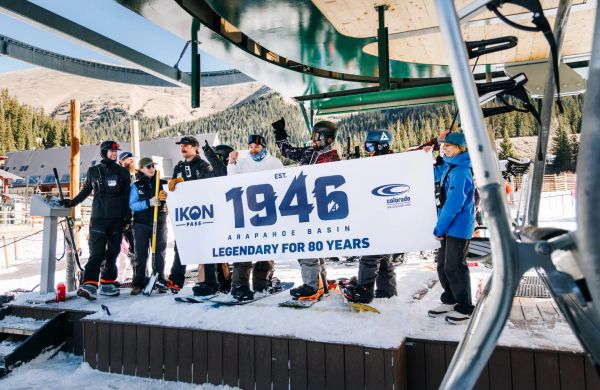
Arapahoe Basin Opens First for North America’s 2026/27 Ski Season
Winter has officially started in North America, and it is one blue run long. On Wednesday 28 October, Arapahoe Basin fired up the Black Mountain Express at around 10:30 am after a surprise announcement just hours earlier, becoming the first major North American resort open for 2026/27. Cold nights, a dusting of natural snow and a lot of snowmaking made it happen in the resort’s 80th winter. More terrain is promised as the snow guns keep running.
28 Oct 2026
Jay Peak Ski Trails
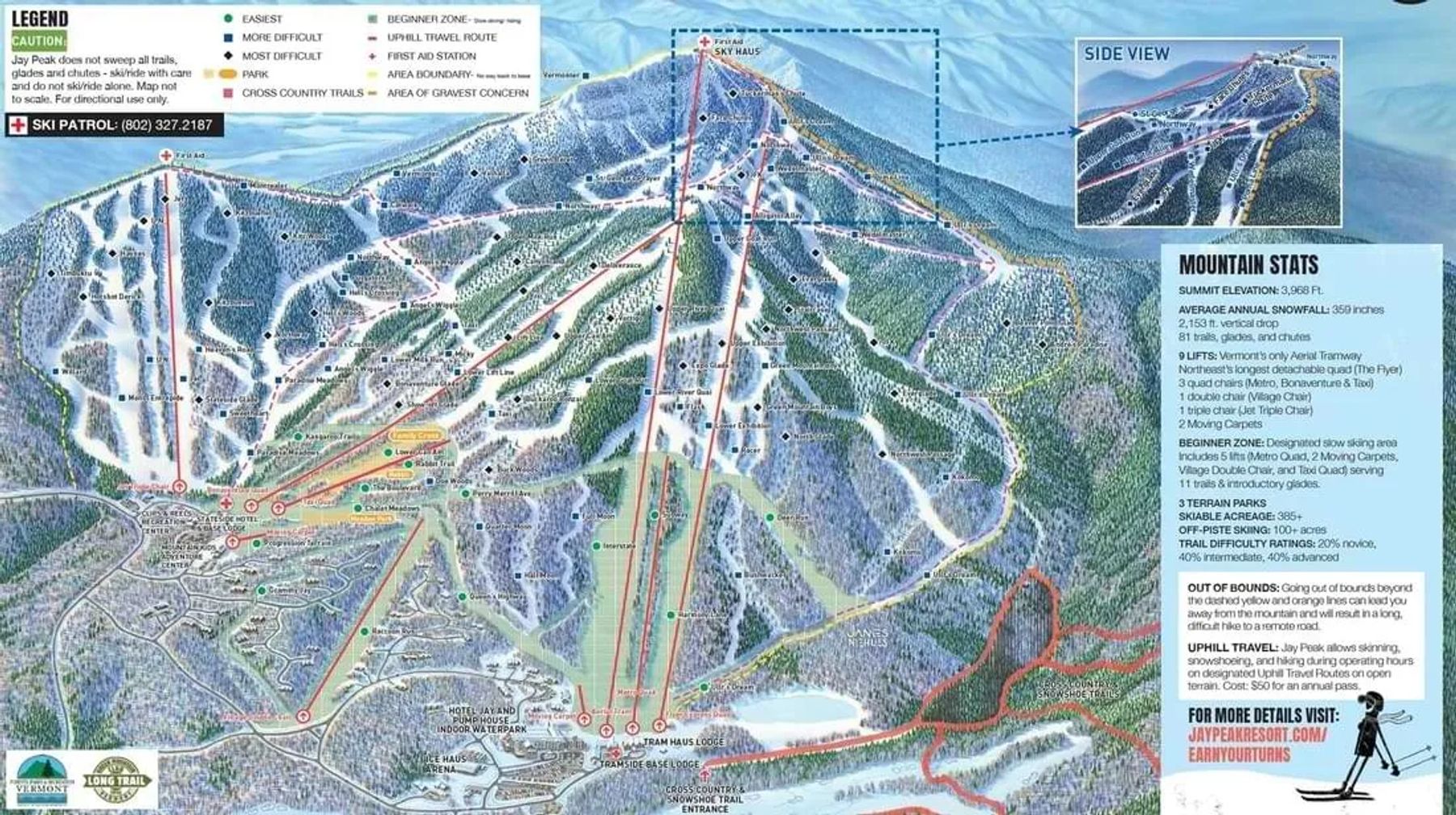
Downloadable Jay Peak trail map
Terrain split
81
runs
Beginner26%
Intermediate50%
Advanced20%
Expert4%
385 acres skiable156 hectares
Resort Stats
Elevation
Base1,814ft
Summit3,967ft
Annual snowfall
359in
Season
2026 - 2027
22 Nov 2026 - 16 May 2027
Trail coverage
81 runs
385 acres (156 ha)
Jay Peak ski trails
Jay Peak offers 81 runs across a mix of difficulties. The terrain split and trail map here show how the mountain breaks down so you can plan a day that suits your group.
- • Match runs to your ability - the terrain split shows how much of Jay Peak is beginner, intermediate and advanced.
- • Check grooming and open-run status against the live conditions before committing to the upper mountain.
- • Early season and after fresh snow, favour the lifts serving your preferred grade to make the most of the day.
More Jay Peak intelligence: trail map, lift system, resort overview.