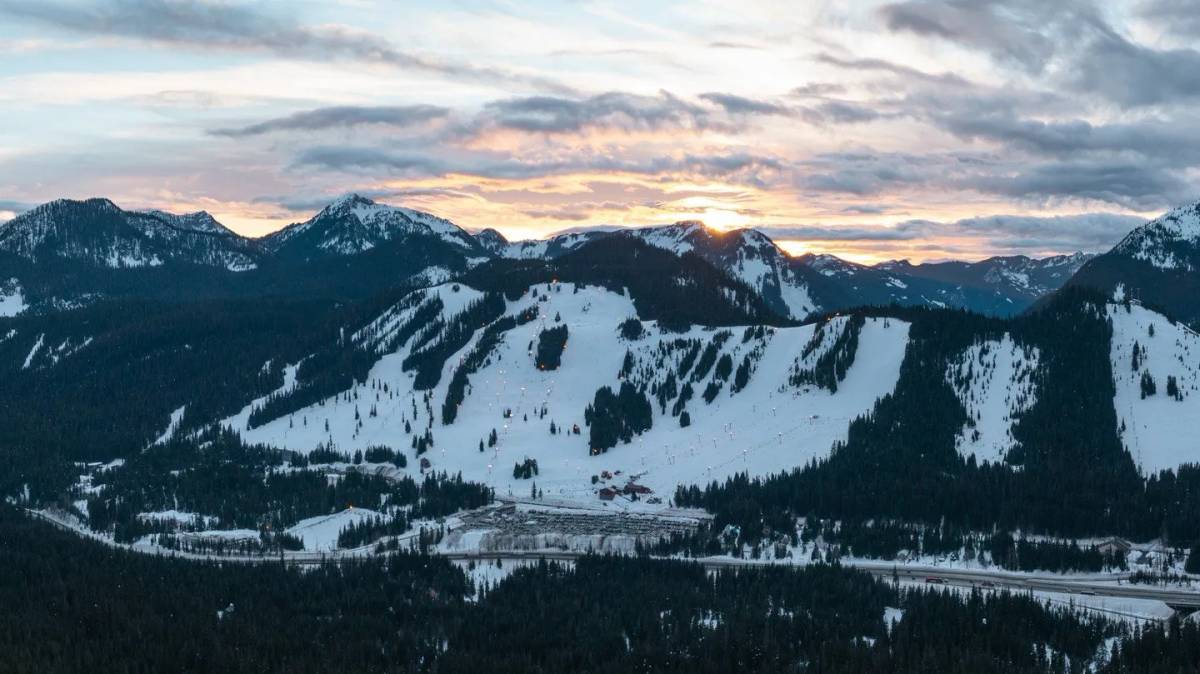
Summit at Snoqualmie
1,994 acres, 65 runs across 4 areas near Seattle. Ikon Pass access, night skiing, one hour from the city.

Season 2026 - 2027
Opens
26 Dec 2026
Closes
11 Apr 2027
Days open
106
Annual snow
450in
The Overview
Michael Fulton
Melbourne-based skier and snowboarder with 50+ resorts across 5 continents. Specialises in Australian resorts and international resort comparisons.
The Summit at Snoqualmie's summit reaches 3,865 feet, dropping 1,024 vertical feet to a base at 2,841 feet across 65 runs spread over 1,994 acres at Snoqualmie Pass, Washington. Terrain splits 42 per cent advanced, 33 per cent intermediate, 14 per cent beginner and 11 per cent expert, with average annual snowfall of roughly 450 inches. The resort carries Ikon Pass access. Twenty-five lifts, including nine double chairs, seven quad chairs and three triple chairs, serve four distinct base areas alongside six surface lifts.
The Summit is unusual among major resorts in combining four formerly separate ski areas into a single operation: Alpental, Summit West, Summit Central and Summit East each retain distinct character despite operating under one ownership and one lift ticket today. This structure gives visitors genuinely varied terrain, from Alpental's steep, advanced-focused slopes to the gentler beginner areas elsewhere on the pass. Its position roughly 52 miles east of Seattle on Interstate 90 makes it the closest major ski area to the city.
Each of the four areas has its own separate ownership history: Ski Lifts, Inc. bought Ski Acres in 1980, Alpental in 1983 and Hyak in 1992, gradually consolidating what had been independent ski hills along the pass. Booth Creek Ski Holdings purchased all four areas together in 1997, formally uniting them under a single company for the first time.
Boyne Resorts became the lease-holder and management company for The Summit at Snoqualmie in 2007, before purchasing the resort outright in March 2018. Adult daily tickets run from 89 to 125 US dollars, with the Unlimited Pass at 929 dollars, reflecting a resort built from four once-independent mountains into Seattle's primary local ski destination.
1,024ft
Vertical
65
Runs
1,994 acres
Skiable
450in
Annual snow
Ikon
Pass
The Terrain
65 runs across 1,994 acres skiable
The Summit at Snoqualmie links four areas on Snoqualmie Pass, about an hour east of Seattle, with 1,994 acres (807 hectares) and 65 runs. The base sits at 2,840 ft (866 m) and the top at 3,870 ft (1,178 m), a vertical of 1,020 ft (312 m). Terrain splits 14% beginner, 33% intermediate, 42% advanced and 11% expert, with 25 lifts, including seven quad chairs and nine double chairs, to move skiers around. Annual snowfall averages about 450 inches, which keeps the base reliable through most of the season.
Alpental is the steep one, known for vertical, cliffs and bumps, while Summit West, Summit Central and Summit East cover the gentler terrain. Summit Central is the largest area and has the tubing hill and Central Park terrain park. The S-90 lift links Summit West to seven miles of interconnect trails toward Summit East, which is closed on weekdays and for night skiing. About 541 acres are lit for evenings, and more than 500 acres of backcountry sit beyond the boundary. It suits families and Seattle commuters after quick laps.
Terrain split
65
runs
65 runs across 4 grades
Beginner9 runs · 14%
Intermediate21 runs · 33%
Advanced27 runs · 42%
Expert7 runs · 11%
Time it right
When to visit Summit at Snoqualmie
The 2025-26 season at The Summit at Snoqualmie ran from 19 December 2025 to 5 April 2026, a roughly fifteen-week season supported by average annual snowfall of around 450 inches. This substantial snowfall total supports reliable conditions across the resort's four base areas throughout the season. Season dates can shift depending on early and late-season weather.
Midwinter, from January through February, typically brings the most consistent conditions to the pass's varied terrain. As Seattle's closest major ski area and an Ikon Pass destination, The Summit sees very heavy weekend traffic from the Puget Sound region, with Interstate 90 access making it a straightforward day trip for a large metropolitan population. Night skiing extends operations across the resort's substantial terrain park, among the largest in the Pacific Northwest.
The resort's four-area structure means conditions and crowding can vary meaningfully between Alpental's steep terrain and the gentler slopes elsewhere on the pass, giving visitors flexibility depending on ability and preference. School holiday periods bring particularly heavy demand given the resort's proximity to Seattle's large population base. Nordic skiing and tubing add non-alpine options across the broader Snoqualmie Pass area.
Specific event programming beyond standard operations is not confirmed in available resort information. Boyne Resorts' ownership since 2018 has continued to invest across all four base areas while maintaining their distinct individual character. The Summit's role as Seattle's primary local mountain remains its defining seasonal identity despite its Ikon Pass destination status.
Season 2026 - 2027
26 Dec 2026
Opens
11 Apr 2027
Closes
106
Days open
450 in
Annual snow
The record
Historical snowfall at Summit at Snoqualmie
Daily snow reports at Summit at Snoqualmie go back to 2025, 2 winters on the books. Open the record to compare winters, lifts and piste.
20 in
Snowiest day
13 Mar 2026
0 in
This winter · 2026-27
so far
66 in
Typical winter
average of complete seasons
Winter totals
in
Past wintersThis winter
Getting there
Getting to Summit at Snoqualmie, and where to stay
The Summit at Snoqualmie sits at Snoqualmie Pass in the Washington Cascades, roughly 52 miles east of downtown Seattle on Interstate 90, with a base elevation of 2,841 feet and a summit at 3,865 feet across a 1,024-foot vertical drop over 1,994 acres spread across four base areas. This makes it the closest major ski area to Seattle of any resort in the state.
The pass itself has limited standalone town infrastructure, with most visitors day-tripping directly from the greater Seattle metropolitan area rather than staying overnight near the resort. North Bend, a smaller community at the base of the pass, offers some additional services. Seattle's western Washington population base supplies the overwhelming majority of the resort's visitors given the direct interstate access.
Interstate 90 provides direct, high-capacity access to the resort from both Seattle to the west and central Washington to the east, making Snoqualmie Pass one of the most straightforward major ski area approaches in the country. Winter driving conditions on the pass can include heavy snow and occasional chain requirements during storms, though the interstate is well maintained given its importance as a major transportation corridor.
Seattle-Tacoma International Airport is the nearest airport with extensive commercial service, roughly an hour's drive from the resort under normal conditions. This convenient combination of interstate access and airport proximity makes The Summit at Snoqualmie one of the most accessible major ski resorts in the country relative to a large metropolitan area.
Where to stay
Search all stays →Stays map loads when you scroll here
Hotels and lodges near Summit at Snoqualmie, powered by Stay22.
Latest News
From the SnowStash desk

Utah Snow Storm Builds Early-Season Base Ahead of November Openings
Rain down low, snow up high, and a snow report full of zeros that mostly means ‘not updated yet’. Utah’s first proper storm of 2026-27 is rolling through the Wasatch, Snowbird’s snow stake is closing in on 10 inches, and Brian Head is five days from opening day. Early November snow rarely looks like much, but it is the layer every November opening date is built on. Here is where it stands.
1 Nov 2026
Sierra Nevada Halloween Storm: Dodge Ridge Forecast to Lead With 19 Inches
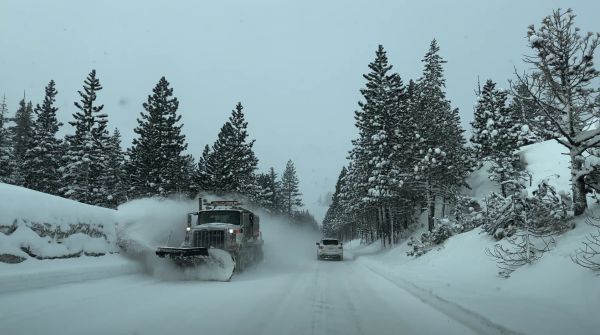
Halloween weekend brings a wet, windy storm to the Sierra Nevada. Our five-day forecast has Dodge Ridge on top with 19 in, followed by Bear Valley at 15 in and Mammoth Mountain at 12 in, with most of it landing on Saturday. A winter weather advisory covers the Tahoe Basin and Mono County until 7 AM Sunday, gusts could reach 47 mph and the freezing level swings between 4,900 and 8,700 ft, so some bases will see rain. A dry spell follows from Monday.
31 Oct 2026
Lake Louise Opens Early on 1 November With Juniper Express and Easy Street
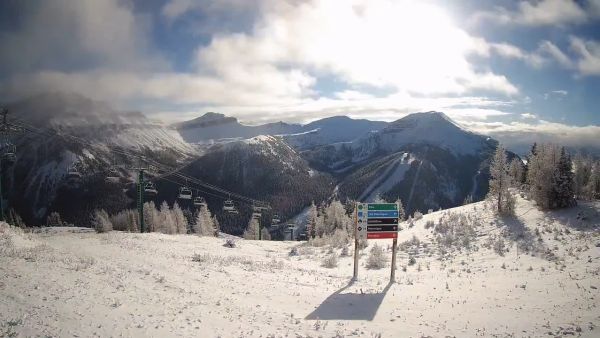
The Rockies get their first lift-served turns of the season early. Lake Louise opens Sunday 1 November, five days ahead of schedule, after a cold October and round-the-clock work from the snowmaking and mountain crews. Terrain is limited to Juniper Express Chair and Easy Street, with two small terrain parks and the beginner area for lessons. Opening-day tickets are over 60% off, with prices rising as more lifts open. First chair is at 9:30 am under the resort’s new lift hours.
31 Oct 2026
Kitzbüheler Horn Summit Cable Car to Be Replaced After 70 Years
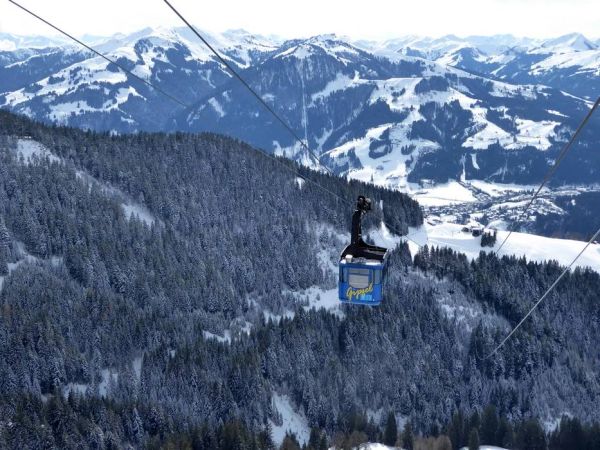
A Tyrolean summit lift that has been carrying guests up the Kitzbüheler Horn since 1955 is on borrowed time. Its licence runs to 2045, but a new inspection rule has made refurbishment uneconomic, so Bergbahn AG Kitzbühel will spend around €15 million on a replacement on the same line. It should hold roughly 100 people and keep running in winds that would stop today’s lift. Building starts in autumn 2027, which makes this winter and next summer the last chances to ride the old one.
30 Oct 2026
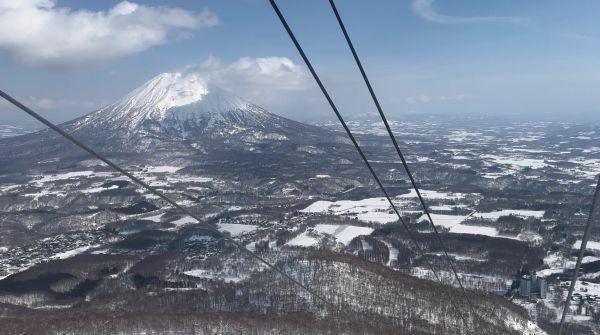
What’s New in Japan Skiing This Winter: Niseko Gondola, a Private Resort and a Bigger Ikon Pass
Niseko Village is replacing a lift from the early 1980s with an eight-person gondola, Tsugaike gets a six-person chairlift, Madarao joins the Ikon Pass and Togari opens Asia’s first private ski resort. Here’s what is actually new in Japan skiing for 2026/27, plus what is still a year or two away.
30 Oct 2026
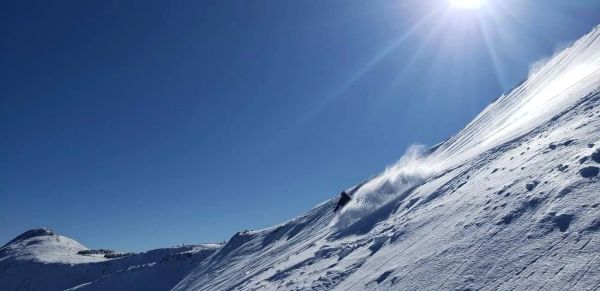
Wolf Creek Opens on Halloween Weekend as Colorado’s Early Season Gathers Pace
Colorado’s early-season dominoes keep falling. Arapahoe Basin opened on Wednesday, Keystone follows on Friday, and now Wolf Creek is joining in on Saturday 31 October, just in time for Halloween. A storm on 23 and 24 October left 20 inches of natural snow in the San Juans, and three lifts will turn from 9:00 am, covering about 30% of the mountain. Expect rocks, unmarked obstacles and open water, but also Local Appreciation lift tickets at $73 for adults.
30 Oct 2026
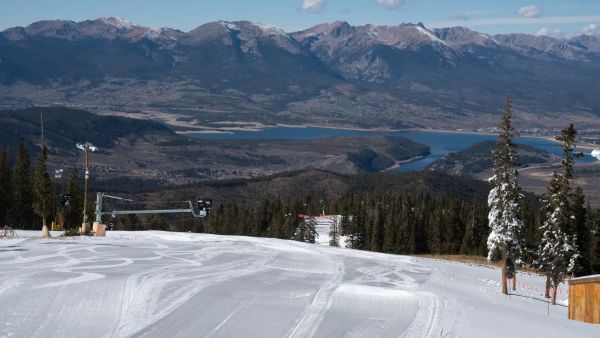
Keystone Resort Opens for 2026/27 With More Than Two Miles of Skiing
Keystone is next. After Arapahoe Basin claimed the first chairlift skiing of the season on Wednesday, Keystone opens on Friday 30 October at 9:00 am with more than two miles of snowmaking-built terrain on Schoolmarm and Silver Spoon, plus free donuts, coffee and a live DJ. Last year the order was reversed, when Keystone squeezed in a three-hour afternoon session to beat A-Basin by a day. Snowmaking has been running since 15 October.
29 Oct 2026
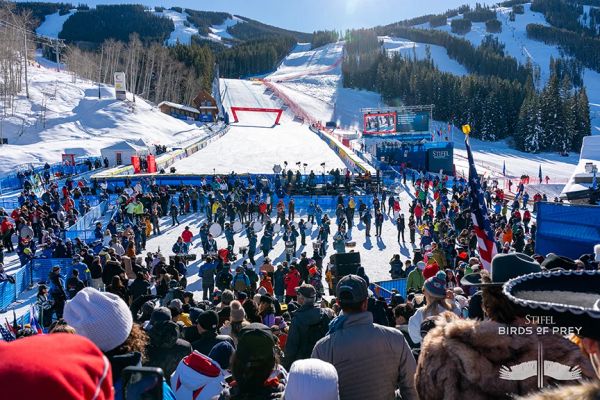
Beaver Creek Installs 16 Automated Snow Guns on Birds of Prey Ahead of Record World Cup
Beaver Creek is getting ready for the biggest Birds of Prey ever, and this time it is not leaving the snow to chance. Crews started making snow on 27 October with 16 newly installed automated guns on the lower third of the course, after last December’s warm spell forced a downhill off the schedule. Seven races across two weekends run from 3 to 13 December, the most the course has hosted since its 1997 debut, and the guns start themselves whenever the weather allows.
29 Oct 2026
Summit at Snoqualmie Lift System
The Summit at Snoqualmie runs twenty-five lifts across its four base areas: nine double chairs, seven quad chairs, three triple chairs and six surface lifts, serving 65 runs across 1,994 acres. This substantial combined network reflects the resort's origin as four separate ski areas, Alpental, Summit West, Summit Central and Summit East, each retaining its own lift infrastructure within the unified operation.
The consolidation of these four areas proceeded gradually: Ski Lifts, Inc. acquired Ski Acres in 1980, Alpental in 1983 and Hyak in 1992, before Booth Creek Ski Holdings purchased the combined operation in 1997. Boyne Resorts' management since 2007 and full ownership since March 2018 have continued to invest across all four areas' distinct lift networks.
Alpental's lifts serve the steepest, most advanced terrain on the pass, while Summit West, Summit Central and Summit East offer a broader mix of beginner, intermediate and advanced skiing across their combined double, quad, triple and surface lift network. This distributed structure allows skiers to choose terrain suited to their ability across four genuinely different mountain characters within a single ticket.
Specific recent lift replacement or expansion projects beyond the current twenty-five-lift network are not confirmed in available resort information. Boyne Resorts' ownership since 2018 has continued to support this unusually large combined network for a resort of the Summit's overall footprint. The Ikon Pass access gained under Boyne ownership has brought substantial additional destination visitor traffic to what remains fundamentally Seattle's local mountain.
25lifts across 4 types
7
Quad Chairs
3
Triple Chairs
9
Double Chairs
6
Surface Lifts
Summit at Snoqualmie lift system
Summit at Snoqualmie is served by 25 lifts, listed here by type. Check which lifts are turning against the live conditions before you plan your first laps - early lifts and high-speed chairs get you to the best snow fastest.
More Summit at Snoqualmie intelligence: trail map, snow report, webcams, resort overview.