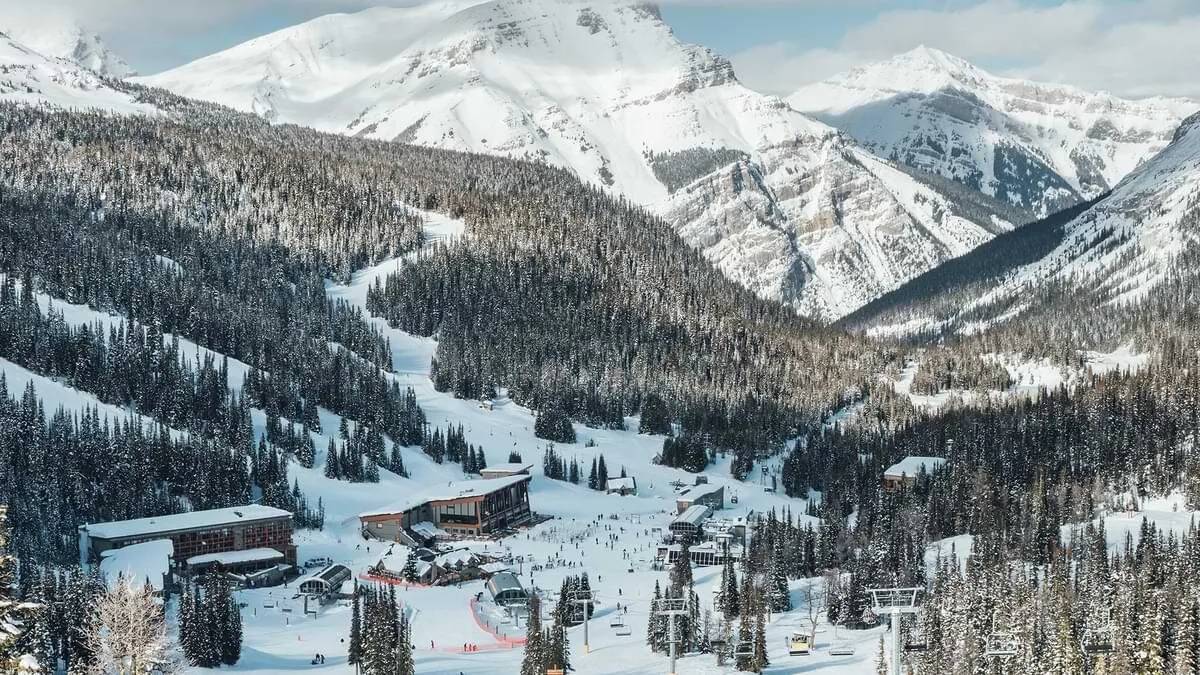
Banff Sunshine Village
1,360 hectares, 145 runs across three mountains in Banff National Park. Longest season in the Rockies, Ikon Pass.

Season 2026 - 2027
Opens
1 Nov 2026
Closes
16 May 2027
Days open
196
Annual snow
9.3m
The Overview
Michael Fulton
Melbourne-based skier and snowboarder with 50+ resorts across 5 continents. Specialises in Australian resorts and international resort comparisons.
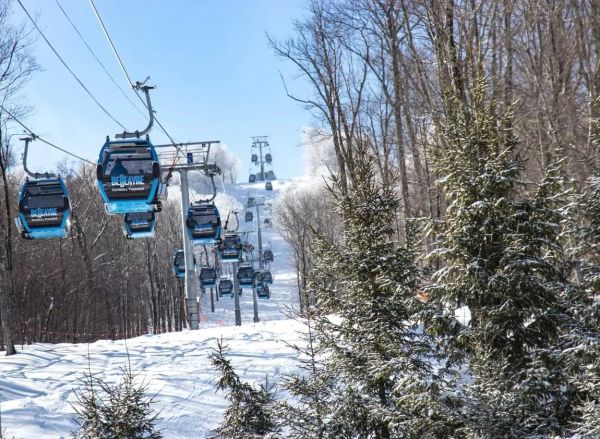
Banff Sunshine Village's summit reaches 2,730 metres, dropping 1,070 vertical metres to a base at 1,660 metres across 145 runs spread over roughly 1,360 hectares straddling the Alberta-British Columbia border inside Banff National Park. Terrain splits 48 per cent advanced, 26 per cent intermediate, 18 per cent beginner and 8 per cent expert, with average annual snowfall of roughly 9.3 metres. The resort carries Ikon and Mountain Collective affiliation. Twelve lifts, including nine quad chairs and one gondola, serve the mountain alongside two surface lifts.
Sunshine holds a genuinely distinctive position among Canadian Rockies resorts, spanning three separate mountains, Lookout, Goat's Eye and Standish, entirely above the treeline, which gives the resort naturally reliable snow retention. This above-treeline setting, combined with slope-side accommodation at Sunshine Mountain Lodge, has built the resort's reputation as one of the more self-contained major ski destinations in the Rockies.
The area began as a CP Rail summer lodge established around 1928-29, and ski pioneers explored the open terrain of Sunshine Meadows through the following decade. Jim and Pat Brewster leased the cabin from the CPR in 1934 and began offering ski holidays, buying the lodge outright in 1936, before hiring Swiss guide Bruno Engler as the resort's first ski instructor in 1939 and building a rope tow in 1941.
George Encil purchased the area in 1951, adding 'Village' to the name and installing the Ski-Kuli lift, before Banff businessman Cliff White Jr and his wife Bev bought the resort in 1961. The Scurfield family has controlled Sunshine since 1981, with Ralph Scurfield's leadership expanding the resort to include Goat's Eye Mountain and Wolverine Ridge. Adult daily tickets run from 140 to 170 Canadian dollars.
1070m
Vertical
145
Runs
3,358 acres
Skiable
9.3m
Annual snow
Ikon / Mountain Collective
Pass
The Terrain
145 runs across 3,358 acres skiable
Banff Sunshine Village spreads across roughly 1,359 hectares of high alpine ground on the Alberta and British Columbia border, with 145 runs falling 1,070 metres from the summit at 2,730 metres to the base at 1,660 metres. The grading leans steep: 48% advanced and 8% expert, against 26% intermediate and 18% beginner. Add around 9.3 metres of snow a year and the open, above-treeline slopes of Lookout Mountain, Goat's Eye and Standish keep holding their cover well. Beginners and intermediates together make up less than half the mountain.
Goat's Eye is where the confident skiers spend their day, with fall-line pitches and open faces that reward early starts on a powder morning. Wawa has its own bowl and a gentler blue run in Tin Can Alley, while tree lines such as Eagle Creek offer shelter when the wind blows. Delirium Dive is the real prize, an expert-only gated zone where avalanche gear is compulsory and some lines end in cliff drops. Sunshine suits strong intermediates stepping up, advanced skiers who want steeper lines and anyone chasing proper Rockies powder, while true beginners have a smaller choice of terrain.
Terrain split
145
runs
145 runs across 4 grades
Beginner26 runs · 18%
Intermediate38 runs · 26%
Advanced70 runs · 48%
Expert12 runs · 8%
Time it right
When to visit Banff Sunshine Village
The 2025-26 season at Banff Sunshine Village ran from 2 November 2025 to 18 May 2026, a remarkably long roughly twenty-eight-week season supported by average annual snowfall of around 9.3 metres. This extended season is widely regarded as the longest in the Canadian Rockies, reflecting Sunshine's above-treeline elevation and reliable early and late-season conditions.
Midwinter, from December through February, typically brings the most consistent conditions across Sunshine's three connected mountains. As an Ikon and Mountain Collective resort, Sunshine draws substantial visitation from pass holders alongside destination travellers seeking Banff National Park's alpine scenery.
Sunshine's slope-side lodge and above-treeline terrain continue to support strong visitor capacity through the peak winter months. School holiday periods bring substantial family visitation given the resort's varied terrain and considerable scale across three mountains.
Specific event programming beyond standard operations is not confirmed in available resort information. Since the Scurfield family took ownership in 1981, Sunshine has continued building on nearly a century of history since its origins as a CP Rail summer lodge around 1928-29. The resort's exceptionally long season and above-treeline setting remain central to its enduring popularity.
Season 2026 - 2027
1 Nov 2026
Opens
16 May 2027
Closes
196
Days open
9.3 m
Annual snow
The record
Historical snowfall at Banff Sunshine Village
Daily snow reports at Banff Sunshine Village go back to 2025, 3 winters on the books. Open the record to compare winters, lifts and piste.
58 cm
Snowiest day
8 Mar 2026
0 cm
This winter · 2026-27
so far
793 cm
Typical winter
average of complete seasons
Winter totals
cm
Past wintersThis winter
Getting there
Getting to Banff Sunshine Village, and where to stay
Banff Sunshine Village sits within Banff National Park, straddling the Alberta-British Columbia border, with a base elevation of 1,660 metres and a summit at 2,730 metres across a 1,070-metre vertical drop over roughly 1,360 hectares spread across three connected mountains. This setting places the resort among the most dramatically situated ski areas in the Canadian Rockies.
The town of Banff, a genuinely historic national park townsite, offers extensive lodging, dining and services within a short drive of the resort, while Sunshine Mountain Lodge provides slope-side accommodation directly at the base of the gondola.
The Trans-Canada Highway provides direct access to the resort's parking area near Banff. Winter driving conditions on this route can include snow and ice, though the well-travelled highway is regularly maintained given the resort's status as a major national park destination. A dedicated shuttle service connects the parking area to the gondola base.
Calgary International Airport, roughly a 90-minute drive away, is the primary gateway for visitors flying into the Canadian Rockies, with Sunshine's relative proximity to Calgary supporting substantial day-trip and destination visitation from across Western Canada and beyond.
Where to stay
Search all stays →Stays map loads when you scroll here
Hotels and lodges near Banff Sunshine Village, powered by Stay22.
Latest News
From the SnowStash desk
Purgatory Reveals Seven New Trails and a Colorado Couloir Chairlift Opening in December
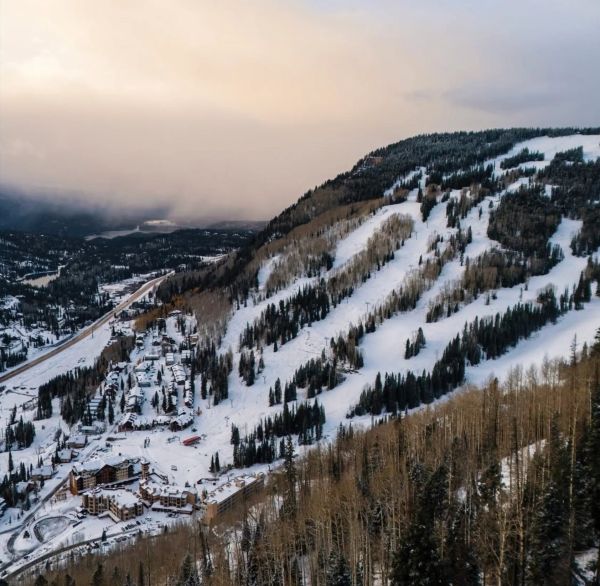
Purgatory’s new trail map reads like a warning label. Seven new trails named after Dante’s Divine Comedy arrive with the Colorado Couloir chairlift in December, adding around 40 acres (16 ha) of steep pitches and gladed tree skiing. Five of them are black or double black. The resort opens for the season this Friday, 20 November.
19 Nov 2026
Brian Head Becomes First Utah Resort to Open for 2026-27, With Six Trails and a New Snowmaking Pipeline
Utah’s ski season has started, and it began in the south. Brian Head opened on Tuesday, 17 November, with six trails on the Navajo Express after 14 inches (36 cm) of storm snow and another half foot on opening day. It is the second year running the resort has beaten the rest of the state to first chair, and it has put nearly $1 million into a new snowmaking pipeline that can run 24 guns at once.
19 Nov 2026
Heavenly and Northstar Open Friday as Lake Tahoe Snow Stacks Up, With Kirkwood Eyeing an Early Start
Tahoe has gone from dry to deep in a week. Heavenly and Northstar open this Friday, 20 November, with up to 24 inches (61 cm) already down at Kirkwood and 50+ inches (127 cm) in the 10-day forecast. Kirkwood normally waits until December, but this snow might change that. Heavenly is even talking about opening Stagecoach in Nevada early, which almost never happens this soon.
18 Nov 2026
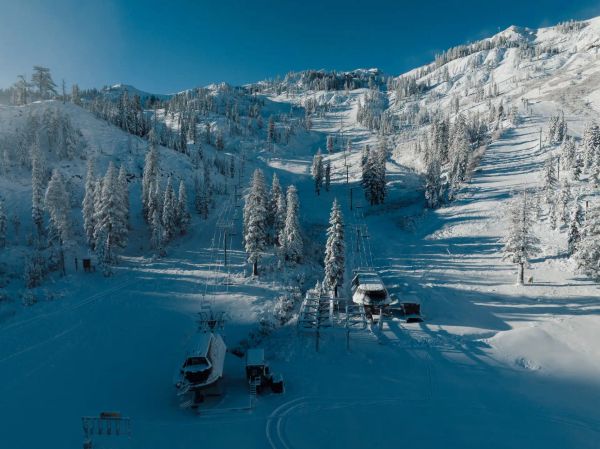
Palisades Tahoe Opens Saturday, Four Days Early, After 26 Inches of New Snow
Palisades Tahoe has pulled its opening forward by four days. Lifts spin this Saturday, 21 November, after 26 inches (66 cm) of new snow, with up to 50 more in the forecast. Opening terrain includes Treeline Cirque at Alpine and Gold Coast and Sunkid 1 at Palisades, though the resort says the weather could change the plan. Tickets are $99 through Tuesday.
18 Nov 2026
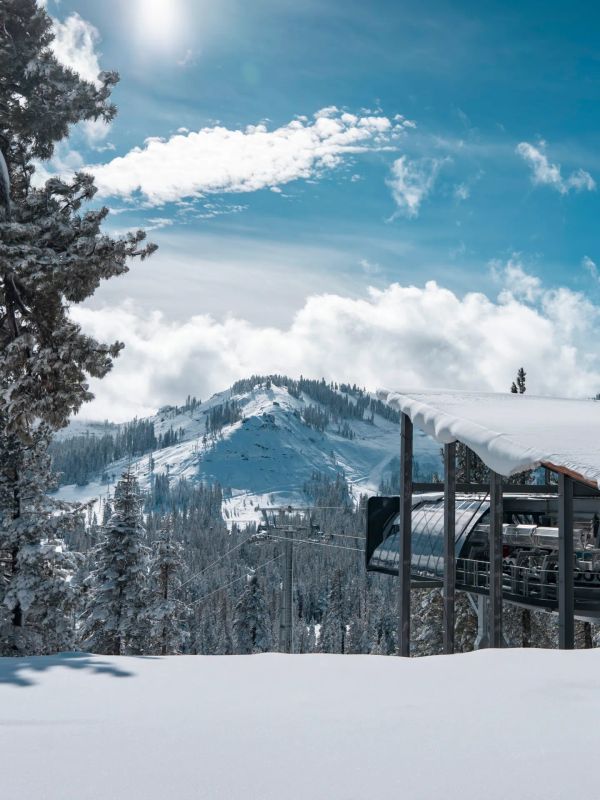
Sugar Bowl Gondola Slips to January 2027 as Opening Day Holds
Sugar Bowl still opens on 27 November, just without its new gondola. The eight-passenger Village Gondola is now targeting January 2027, with all eight towers up, the haul rope on and the first cabin hanging. Until it runs, everyone gets in through the Main Lodge, with curbside drop-off and parking lot shuttles. It replaces the first gondola in the western US, which dates from 1953.
16 Nov 2026
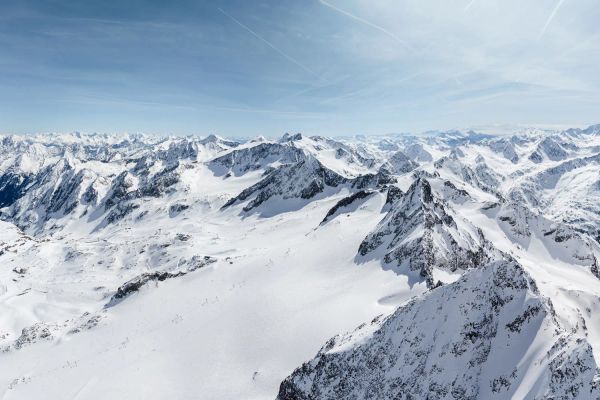
Stubai Glacier Avalanche Ends in Austria’s First Death of the Season
A 72-year-old American skier has died on Stubai Glacier after a small slab avalanche carried him over rocky ground and into a 20-metre crevasse. It is Austria’s first avalanche death of the 2026-27 season, and forecasters had flagged this exact setup two days earlier. Here is what happened near the Daunscharte, and what the snowpack was already telling anyone who was reading it.
15 Nov 2026
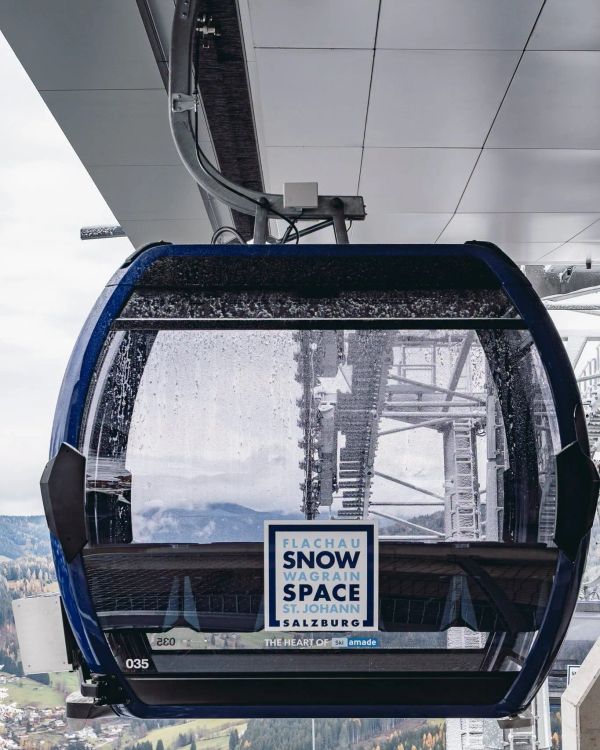
Wagrain’s New Grafenbergbahn Gondola Appears in First Photos
Wagrain’s new Grafenbergbahn is nearly here, and Snow Space Salzburg stamped “no AI” on the first photos, which says plenty about 2026. One 10-person gondola takes over from three old lifts, with 120 cabins moving up to 3,400 people an hour and a mid-station link into the G-Link. Dark blue cabins, fresh snow, no opening date yet.
14 Nov 2026
Indy Pass Adds 10 Alpine and 5 Nordic Partners for 2026-27
Indy Pass just got bigger. On 12 November it announced 10 new alpine resorts and 5 Nordic centres for 2026-27, including four in Norway and one in Austria. Three New York State mountains - Whiteface, Gore and Belleayre - also signed on to its Allied Program, with discounted tickets rather than included days. Waitlisted customers are being offered passes, and Learn to Turn news is due this week. Full list inside.
13 Nov 2026
Banff Sunshine Village Snow Report
Snow Report
Updated 21 Nov 2026
2730m
summit
+0cm
new snow · last 24 hours
Clear-17°C / -11°C · NE 16km/h
Snowfall
24 hours
0cm
48 hours
0cm
7 days
0cm
Base depth
0cm
Season total
0cm
Typical winter 793cm
Total lifts12
Live open status isn’t available right now.
1 Nov 2026 - 16 May 2027
Hour by Hour
Next 48 hours· Updated Nov 21, 2026 at 6:32 AM
Scroll for the full outlook · Open-Meteo
7-Day Outlook
2,516 mUpdated Nov 21, 2026 at 6:32 AMOpen-Meteo
Days 1–7
2.5cm
Days 8–14
1.7cm
Sat, Nov 21
Foggy
Temp-11° / -17°°C
Snow0.0cm(2%)
Wind16 km/h NE
Live snow from the resort feed; forecast from Open-Meteo, via Supabase.
Understanding the Banff Sunshine Village snow report
Banff Sunshine Village snow conditions, updated regularly: current snowfall, snow depth, temperatures, and the outlook for this Alberta resort on the Ikon / Mountain Collective.
Snow measurements
Our snow reports measure snowfall in centimeters over multiple time windows — last 24 hours, last 7 days, and the season total. Base depth reflects accumulation at the 1660m base area, while summit depth captures conditions 1070m higher at 2730m, where snow typically stays colder and lingers longer. Imperial conversions are shown alongside for convenience.
Weather conditions
Wind and temperature swings matter as much as fresh snowfall. Cold, calm conditions hold snow quality well, while wind-loading or a warm-up can change things quickly — especially given the elevation spread between Banff Sunshine Village's base and summit.
Data sources
Snowfall and depth figures for Banff Sunshine Village come from official mountain sources; weather and outlook data comes from independent forecasting services. The mountain is served by 12 lifts, including 9 quad chairlifts and a gondola.
When to check
Snow reports are typically updated early morning and late afternoon. For the most current conditions, check back regularly, especially if a winter storm is approaching.