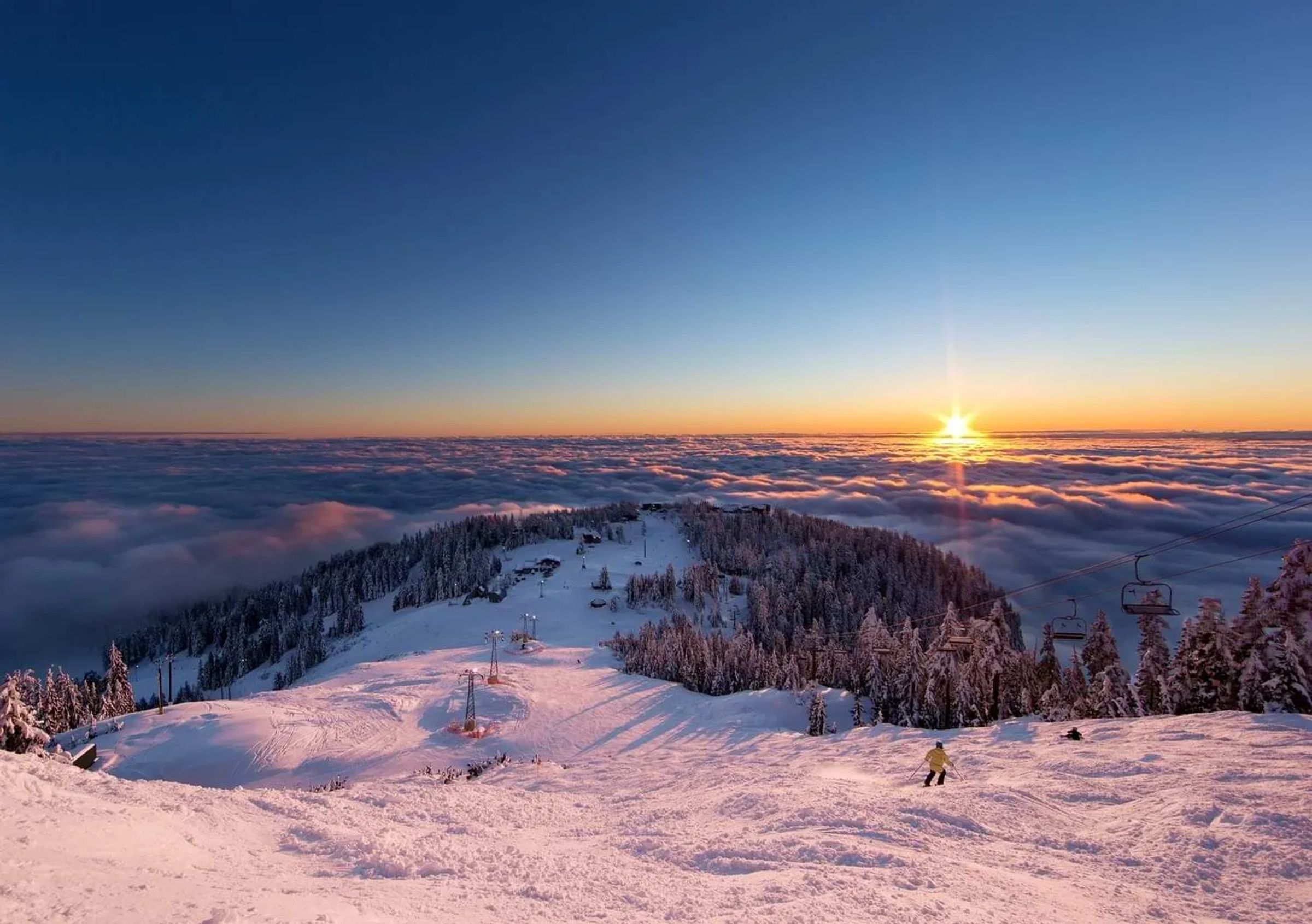
Grouse Mountain
86 hectares, 33 runs in North Vancouver. Celebrating 100 years in 2026, closest resort to downtown Vancouver.
Season 2025 - 2026
Opens
22 Nov 2025
Closes
5 Apr 2026
Days open
134
Annual snow
9m
The Overview
Michael Fulton
Melbourne-based skier and snowboarder with 50+ resorts across 5 continents. Specialises in Australian resorts and international resort comparisons.
Grouse Mountain's summit reaches 1,250 metres, dropping 369 vertical metres to a base at 881 metres across 33 runs spread over roughly 86 hectares in North Vancouver, British Columbia. Terrain splits 48 per cent intermediate, 30 per cent advanced, 12 per cent beginner and 10 per cent expert, with average annual snowfall of roughly 9.2 metres. Seven lifts, including one aerial tram, four quad chairs, one triple chair and one gondola, serve the mountain.
Grouse Mountain marks its 100th anniversary as a ski resort in 2026, having operated continuously since its inaugural season in 1926, and remains one of Vancouver's most visited natural attractions across all seasons. Its considerable proximity to downtown Vancouver has built Grouse's reputation as the city's most accessible mountain, drawing both dedicated skiers and casual day visitors.
The mountain was named in October 1894 by the first recorded hikers to reach its summit, who hunted a Blue Grouse along the way and honoured the bird in naming the peak. The Cromie family, then owners of the Vancouver Sun newspaper, purchased Grouse Mountain for 75,000 Canadian dollars in 1945, before Andrew Saxton Sr and a group of investors bought the mountain from the Cromies in 1964.
The McLaughlin family gained a controlling interest in 1974 and purchased the remaining shares in 1989 to achieve full private ownership. Grouse Mountain now operates as a Northland Properties company, remaining locally family owned. A new Grouse Gravity Coaster opened in spring 2026 as part of the resort's centennial celebrations. Adult daily tickets run from 89 to 109 Canadian dollars.
369m
Vertical
33
Runs
213 acres
Skiable
9m
Annual snow
The Terrain
33 runs across 213 acres skiable
Grouse Mountain spreads 33 runs across 213 acres skiable of terrain. It leans intermediate at 48%, with 4 beginner runs to find your feet and 13 advanced or expert runs when you want to push.
Terrain split
33
runs
33 runs across 4 grades
Beginner4 runs · 12%
Intermediate16 runs · 48%
Advanced10 runs · 30%
Expert3 runs · 10%
Time it right
When to visit Grouse Mountain
The 2025-26 season at Grouse Mountain ran from 22 November 2025 to 5 April 2026, a roughly nineteen-week season supported by average annual snowfall of around 9.2 metres. This season also marked Grouse's 100th anniversary as a ski resort, having first opened for skiing in 1926.
Midwinter, from December through February, typically brings the most consistent conditions to Grouse's intermediate-weighted terrain. Given its considerable proximity to Vancouver, Grouse draws a genuinely broad visitor base, from dedicated local skiers to casual visitors combining skiing with the mountain's other attractions.
Grouse's night-skiing programme continues to draw strong weekday evening visitation from Vancouver throughout the season. School holiday periods bring substantial family visitation given the resort's considerable proximity to the city and year-round attractions.
The resort's centennial celebrations, marketed as Grouse100, ran throughout the 2025-26 season alongside standard operations, including the spring 2026 opening of the new Grouse Gravity Coaster. Grouse Mountain continues to build on a full century of history since its 1926 founding under Northland Properties' family ownership. The resort's Vancouver proximity and centennial milestone remain central to its identity this season.
Season 2025 - 2026
22 Nov 2025
Opens
5 Apr 2026
Closes
134
Days open
9 m
Annual snow
Getting there
Getting to Grouse Mountain, and where to stay
Grouse Mountain sits in North Vancouver, British Columbia, on the North Shore mountains, with a base elevation of 881 metres and a summit at 1,250 metres across a 369-metre vertical drop over roughly 86 hectares. This setting places Grouse within Metro Vancouver, closer to downtown than any other resort in the region.
North Vancouver and the broader Metro Vancouver region offer extensive lodging, dining and services within a short drive of the resort, given Grouse's position essentially within the city's boundaries.
Nancy Greene Way provides direct access to the resort's base, from where the Skyride aerial tram carries visitors up the mountain. Winter driving conditions on the approach road can include snow and ice at higher elevations.
Vancouver International Airport, roughly a 45-minute drive away, is the primary gateway for visitors flying into the region, with Grouse's considerable proximity to downtown Vancouver making it a genuinely convenient option for international visitors and local skiers alike.
Where to stay
Search all stays →Hotels and lodges near Grouse Mountain, powered by Stay22.
Latest News
From the SnowStash desk
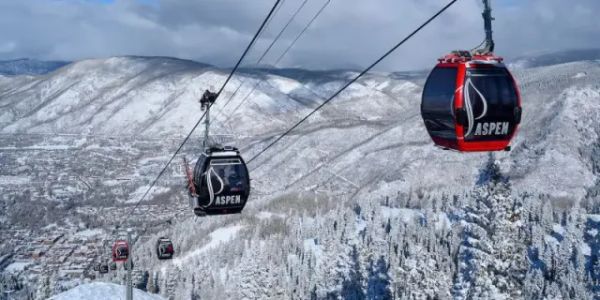
Aspen Snowmass Marks 80th Anniversary With $3.75 Throwback Lift Tickets
Aspen Snowmass turns 80 this December, and it's marking the milestone with $3.75 lift tickets on the anniversary itself - the original 1946 price. A discounted long weekend, $19.46 dining specials, lodging deals up to 46 percent off, and a season of anniversary programming round out the celebration across all four mountains.
17 Sept 2026
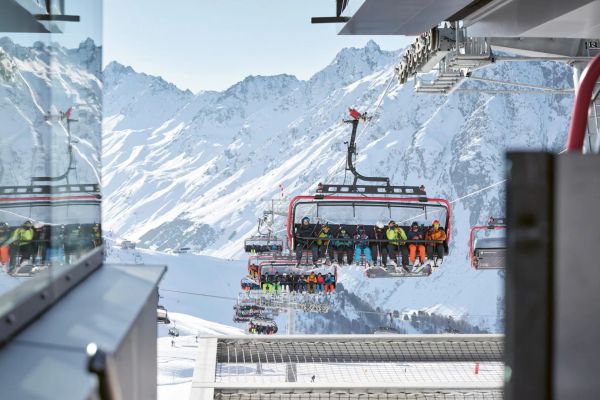
Doppelmayr Group Posts 9.1% Revenue Growth in 2025/26, Passing 1.3 Billion Euros
Doppelmayr closed its 2025/26 business year with revenue up 9.1 percent to 1.3 billion euros, driven by projects including the Big Sky Explorer Gondola, Deer Valley's Mayflower East Village Gondola, and the first TRI-Line installation at Hoch-Ybrig. Headcount grew too, with the ropeway manufacturer now employing almost 4,000 people worldwide.
16 Sept 2026
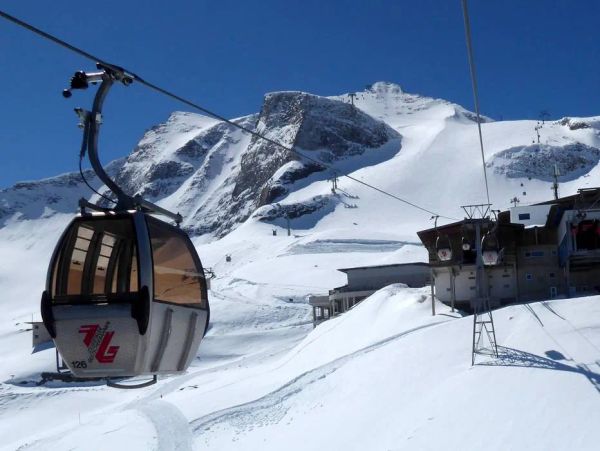
Hintertux Glacier Replaces 40-Year-Old Gondola to Tuxer Fernerhaus
Hintertux Glacier is retiring its 40-year-old gondola to the Tuxer Fernerhaus. The replacement carries 10 people per cabin instead of four, with seat heating and nearly 40 percent more hourly capacity. Doppelmayr's new line opens at the end of October 2026, right as the glacier's high-altitude terrain becomes accessible again for the new season.
16 Sept 2026
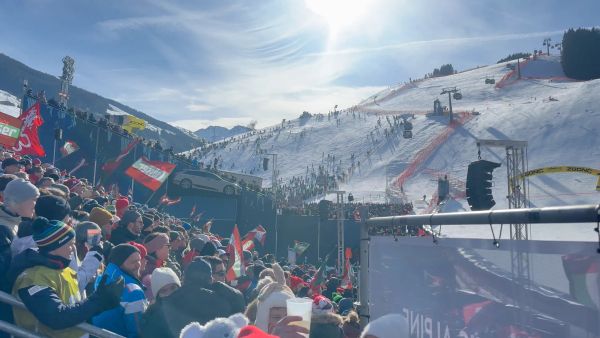
FIS Weighs Holding World Championships in Almost Every Winter, Starting 2032
The International Ski and Snowboard Federation is looking at a major shake-up to its title events calendar. From 2032, World Championships could run not just in odd-numbered years but in every non-Olympic winter too, effectively putting a global title event on the calendar almost every season. The FIS Council has approved the concept following a feasibility study, though an accelerated rollout as early as 2028 is also under consideration.
4 Sept 2026
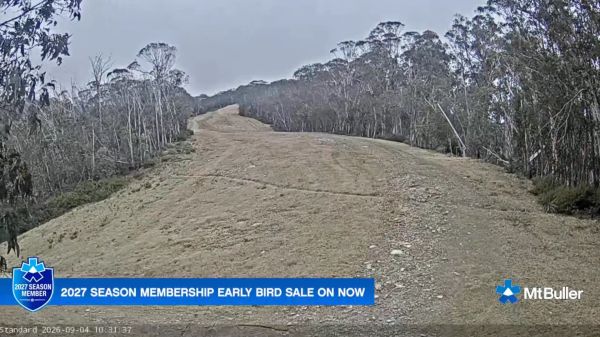
Mount Buller Becomes Latest Australian Resort to Call Time Early on 2026
Mount Buller closes out its 2026 season this Sunday, joining Falls Creek, Hotham and Charlotte Pass in a cluster of closures landing almost simultaneously and roughly a month ahead of schedule. The culprit is stark: Spencers Creek's benchmark snow depth hit 31.2cm on 3 September, just 18% of the 73-year average and an all-time low for this point in the season. Six of Victoria and NSW's best-known resorts will have shut their lifts early within a span of about two and a half weeks.
4 Sept 2026
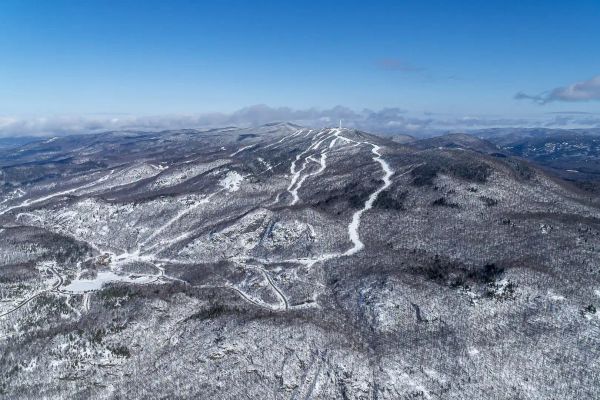
Tremblant to Add New Timber Summit Ski Sector for 2027/28 Season
Tremblant has confirmed a major expansion of its Quebec ski area, with a new Timber Summit sector adding 62 acres of terrain, eight trails and a high-speed quad chairlift for winter 2027/28. It's part of a CAD 42.5 million investment that also includes a new beginner learning zone at Versant Soleil opening this coming season. The project has grown considerably since it was first announced back in 2020, when it carried a far smaller budget and an opening date that never eventuated.
2 Sept 2026
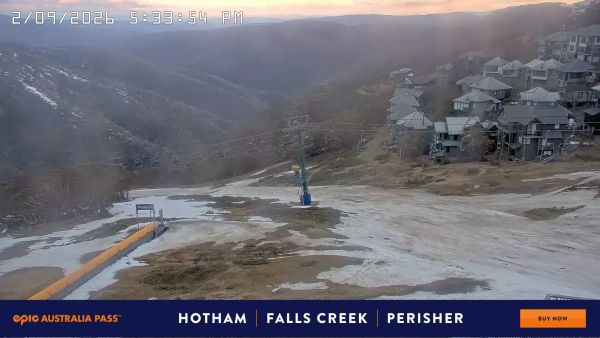
Mount Hotham to Close for the 2026 Season on Sunday, September 6
We knew when the Bird Bath Pond Skim showed up on Hotham's Instagram that the season was on its way out. It's been a rough one - I only managed two days on snow all year, at Falls Creek - and now Baw Baw, Selwyn and Hotham have all called it, possibly the worst Australian season I've seen in a decade. Hotham's last day of lift operations is Sunday, 6 September, with a Retro Day, Father's Day après and closing sales before the lifts stop turning for good.
1 Sept 2026
Thredbo to Replace Ageing Gunbarrel Quad With New Six-Seat Chairlift for 2028
Thredbo Alpine Resort has confirmed plans to replace its 37-year-old Gunbarrel quad chairlift with a new six-seat Doppelmayr D-Line, targeting winter 2028. The AUD 35 million project will keep travel time roughly the same but lift capacity from 2,800 to 3,000 skiers per hour. It's part of a broader investment push that also includes doubled snowmaking capacity at Friday Flat for 2027, with the ageing Kosciuszko Express now flagged as the resort's next major lift replacement after Gunbarrel.
31 Aug 2026
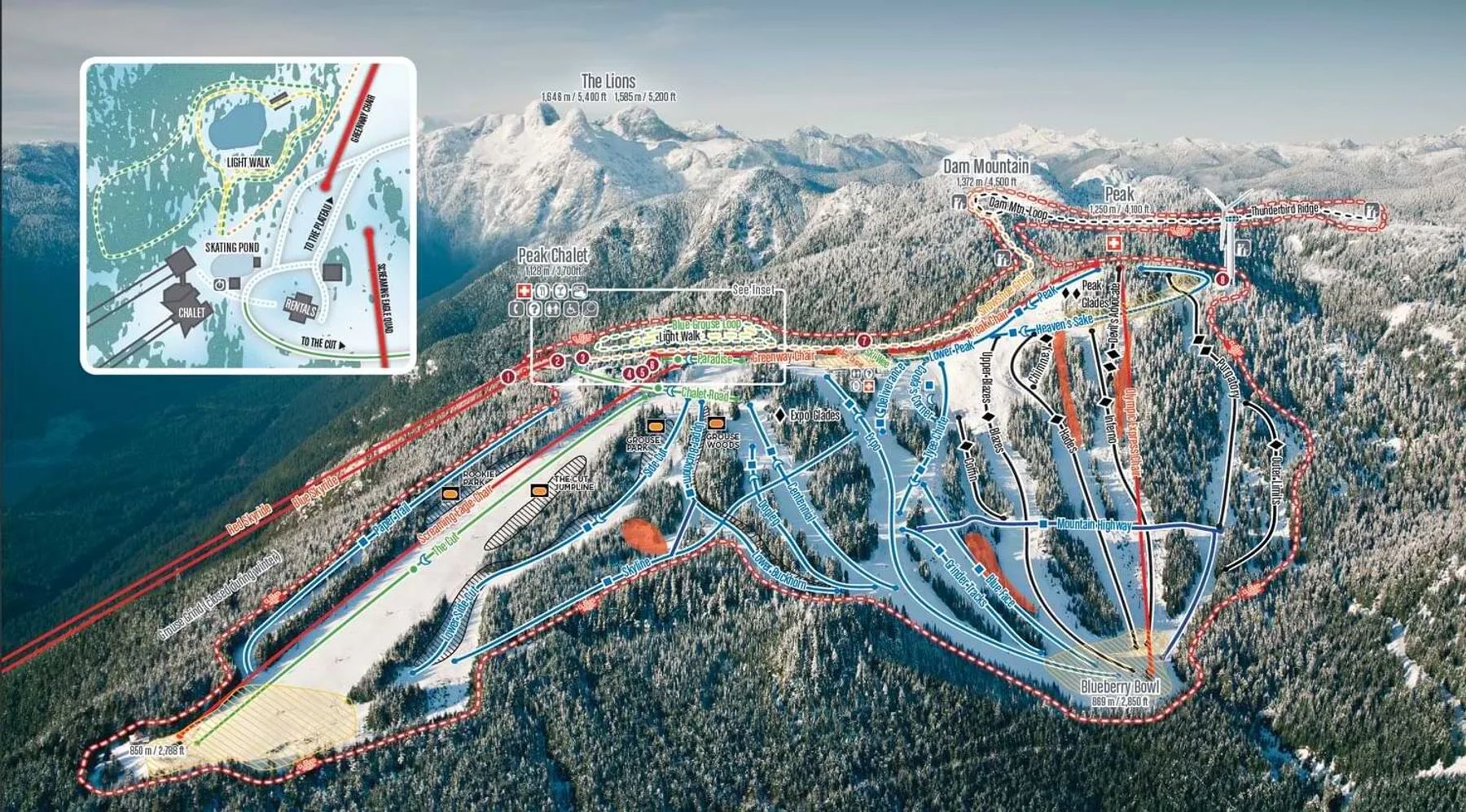
Grouse Mountain Ski Trails
Downloadable Grouse Mountain trail map
Terrain split
33
runs
Beginner12%
Intermediate48%
Advanced30%
Expert10%
213 acres skiable86 hectares
Resort Stats
Elevation
Base881m
Summit1250m
Annual snowfall
9m
Season
2025 - 2026
22 Nov 2025 - 5 Apr 2026
Trail coverage
33 runs
213 acres (86 ha)
Grouse Mountain ski trails
Grouse Mountain offers 33 runs across a mix of difficulties. The terrain split and trail map here show how the mountain breaks down so you can plan a day that suits your group.
- • Match runs to your ability - the terrain split shows how much of Grouse Mountain is beginner, intermediate and advanced.
- • Check grooming and open-run status against the live conditions before committing to the upper mountain.
- • Early season and after fresh snow, favour the lifts serving your preferred grade to make the most of the day.
More Grouse Mountain intelligence: trail map, lift system, resort overview.