
Dachstein West
Ski 51km of pistes across Gosau, Russbach and Annaberg in Austria's UNESCO Salzkammergut. 872m vertical, 24 lifts, family-friendly terrain.
Season 2026 - 2027
Opens
4 Dec 2026
Closes
29 Mar 2027
Days open
115
Annual snow
4m
The Overview
Michael Fulton
Melbourne-based skier and snowboarder with 50+ resorts across 5 continents. Specialises in Australian resorts and international resort comparisons.
Dachstein West spans 51 kilometres of pisted terrain across 46 runs between 745 and 1,617 metres, delivering 872 metres of vertical drop beneath the dramatic Dachstein massif. The regional lift pass unlocks 160 kilometres across eight interconnected ski areas including the Freesports Arena at Krippenstein.
Terrain splits 29% beginner, 65% intermediate and 6% advanced - ideal for families and improving skiers. The 44-kilometre Dachstein Tour ski circuit connects all three base villages while the Wilde Hilde run challenges experts with a 67% gradient.
Gosau, Russbach and Annaberg retain their traditional Upper Austrian character with rustic mountain huts and minimal après-ski. Children's areas include Fredy-Land and Zwisiland in Gosau, Bärencamp in Russbach, and Fuxi Kinderland in Annaberg - all with dedicated ski schools and magic carpets.
The resort operates within the UNESCO World Heritage Salzkammergut region, offering exceptional value compared to larger Austrian ski areas. The Marcel Hirscher race course with timing and mogul pistes like Donnergroll and Schwarzreiter add variety for confident skiers seeking challenge.
872m
Vertical
46
Runs
51 km
Piste
4m
Annual snow
The Terrain
46 runs across 51 km of piste
Two thirds of Dachstein West is graded intermediate (65%), and that defines how the ski area skis: long, rolling cruising between 745 and 1,617 metres rather than big alpine pitches. Across 46 runs and 51 kilometres, beginners take 29% and advanced skiers just 6%, with no terrain graded expert. Gosau, Russbach and Annaberg each have gentle lower slopes close to the villages, while the better runs sit higher around Hornspitz, Edtalm and Zwieselalm, where the pistes open into wide carving terrain and a few tree-lined descents.
The one run that breaks the pattern is Wilde Hilde, a black piste at Edtalm that starts beneath the snow park and reaches a 67% gradient. Around it, the Gaudi slopes spread timed slalom courses, snowcross, wave tracks and mogul pistes across the mountain, and Gosau keeps a floodlit run open for evening skiing. With 872 metres of vertical and so little steep ground, Dachstein West suits families, progressing intermediates and mixed-ability groups far better than anyone chasing difficulty or big off-piste days.
Terrain split
46
runs
46 runs across 4 grades
Beginner13 runs · 29%
Intermediate30 runs · 65%
Advanced3 runs · 6%
Expert0 runs · 0%
Time it right
When to visit Dachstein West
Dachstein West operates from 5 December 2025 through 6 April 2026, running continuous ski operations during peak periods with partial service in early and late season. The four-month season delivers approximately 120 days of skiing when conditions permit.
Annual snowfall averages around 315 centimetres with peak accumulation in January and February when summit depths typically reach 55 centimetres. Snowmaking across 122 kilometres compensates for the mid-mountain elevation, ensuring groomed pistes remain skiable throughout the season.
February offers the most reliable snow coverage alongside March's 19 sunny days on average - the brightest month of the season. January brings the Gosau Balloon Week featuring the spectacular Night of the Balloons with illuminated hot-air balloons above Hornspitz.
The Children's Snow Festival at Fredy-Land draws families in late December and early January with free activities including tubing and llama hikes. Ski touring enthusiasts gather in March for the charity ski touring event on Russbach's 3.6-kilometre Atomic Backland route.
Season 2026 - 2027
4 Dec 2026
Opens
29 Mar 2027
Closes
115
Days open
4 m
Annual snow
Getting there
Getting to Dachstein West, and where to stay
Dachstein West straddles the border between Upper Austria and Salzburg, with Gosau in Upper Austria and Russbach and Annaberg in Salzburger Land. The three villages sit within the UNESCO World Heritage Salzkammergut region beneath the 2,995-metre Dachstein glacier.
Hallstatt lies 15 kilometres east, while the imperial spa town of Bad Ischl sits 20 kilometres north. Salzburg city centre is approximately 70 kilometres northwest, reachable in under 90 minutes by car.
Motorway access comes via the A10 Tauernautobahn exit at Golling from the south or the A1 Westautobahn exit at Regau from Vienna and Linz. Free parking is available at all three village base stations with paid parking at seven euros per day in Gosau.
Salzburg Airport sits 70 kilometres away - approximately 45 minutes by car. Train connections run to Bad Ischl on the Salzkammergut railway, with free ski buses linking Bad Ischl, Hallstatt and Obertraun to all three resort villages throughout the season.
Where to stay
Search all stays →Hotels and lodges near Dachstein West, powered by Stay22.
Latest News
From the SnowStash desk

Four Dead After Avalanche Near Ski Portillo in Chile
A large avalanche struck near Laguna del Inca adjacent to Ski Portillo on Saturday afternoon, killing four people and injuring four others. The group were day visitors mountaineering in the backcountry after reportedly being warned about elevated avalanche risk by resort staff.
18 Oct 2026

Europe Ski Resorts Open Now: What Is Skiable in Mid-October 2026
Europe’s ski season is open, technically. After a record-warm summer, glaciers in Austria, Switzerland and Italy are running a few pistes apiece, Sölden, Stubai and Kitzsteinhorn started late, Titlis has pushed back to 24 October, and Zermatt reopens a few lifts on 14 October after more than two months shut. Finland’s Levi and Ruka are skiing on stored snow. Here is what is open, and what you actually get at each.
14 Oct 2026

Zermatt Plans World Cup Downhill Return on the Gornergrat for 2028
Zermatt is having another crack at a World Cup downhill, and this time nobody has to cross a border. Around 13 million Swiss francs is going into rebuilding the Gornergrat piste, including a jump fed by a roughly 300-metre in-run across the roof of the Gornergrat Railway gallery, with the Matterhorn lined up behind it for the TV cameras. First men’s race is pencilled in for March 2028, pending FIS homologation.
14 Oct 2026

Mt. Rose Begins Snowmaking for the 2026-27 Season at Lake Tahoe
Lake Tahoe’s highest base elevation is paying off early: Mt. Rose has started making snow for 2026-27 after the first flurries and a cold snap. The Nevada resort is backing it with nearly US$2 million in upgrades, including a replacement snowmaking main line, a new PistenBully groomer and restraint bars on every lift. Opening day is yet to be confirmed, though Heavenly and Northstar are already eyeing 20 November.
13 Oct 2026

Utah Ski Resorts 2026-27: What’s New at Alta, Deer Valley, Powder Mountain and More
Utah is still building flat out. For 2026-27, Powder Mountain opens a steep new Skytrac chair into more than 1,000 acres of advanced terrain, Deer Valley adds 200 acres on Hail Peak, Sundance gets a new quad and Park City adds a gondola from its new parking structure. Snowmaking is expanding almost everywhere, Eagle Point stays closed after the Cottonwood Fire, and the 2034 Games are setting the pace. Here’s what’s new, resort by resort.
13 Oct 2026

Mt Hutt Invests NZ$12 Million in Base Area, Tripling Its Sun Deck
Mt Hutt is getting busier, and its base lodge is about to catch up. NZ$12 million goes into a heated sun deck roughly three times the current size (430 m² to 1,300 m²), plus a new toilet block, heated steps down to snow level, extra storage and a new food and beverage outlet. Building starts after the 2026 season, with everything due for winter 2027.
11 Oct 2026

Vermont Ski Resort Opening Dates 2026-27: Few Dates Set, Killington Waits on the Cold
Vermont's season is slow to take shape. Stratton is tentatively targeting 18 November and Sugarbush 21 November, while Pico has Friday 11 December on the calendar. Killington never sets a date and opens when the snowmaking allows, and Vail Resorts has yet to name days for Stowe, Okemo and Mount Snow. The forecasts disagree about snow, and the main El Niño worry for the Green Mountains is warmth.
9 Oct 2026
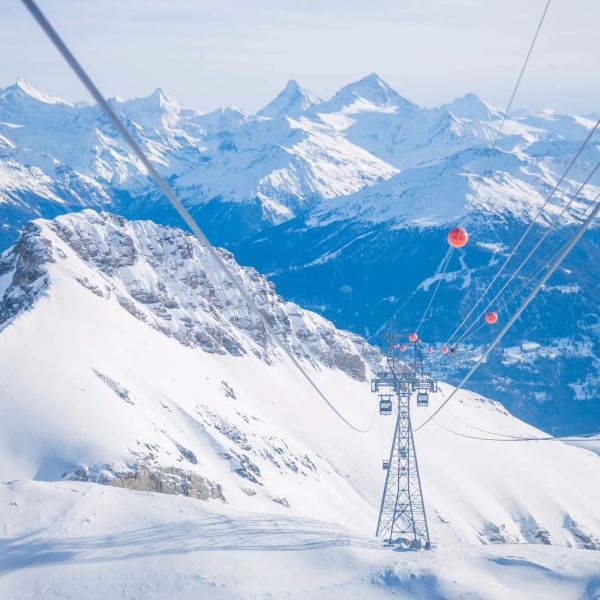
Crans-Montana 2027 World Championships President Resigns Ahead of Fraud Hearing
Less than four months out from the Crans-Montana 2027 World Championships, the man running the organising committee has stepped down. Claude-Alain Schmidhalter resigned as Swiss-Ski vice president and OC president after being indicted over a business dispute unrelated to skiing. He denies the allegations and faces court on October 27. Interim leaders are in place for the February 1-14 event.
9 Oct 2026