
Levi
Experience magical Lapland skiing under the Northern Lights. Discover pristine slopes, guaranteed snow, and unique Arctic atmosphere.
Season 2026 - 2027
Opens
2 Oct 2026
Closes
9 May 2027
Days open
219
Annual snow
2m
The Overview
Rising above the Arctic Circle in Finnish Lapland, Levi combines thrilling winter sports with the magic of the northern wilderness. As Finland's largest ski resort, it offers 43 slopes across both sides of the fell, creating a unique Arctic skiing experience where you can chase the Northern Lights or ski under the Midnight Sun, depending on the season. The resort's vibrant village atmosphere blends traditional Lappish culture with modern amenities, making it especially appealing for families and groups.
329m
Vertical
43
Runs
45 km
Piste
2m
Annual snow
The Terrain
43 runs across 45 km of piste
Levi is Finland's largest ski resort, with 43 runs and 45 kilometres of piste on a fell rising from 202 metres to 531 metres, a vertical of 329 metres. The grading is 45% beginner, 47% intermediate and 8% advanced, with no expert-rated runs, so it is firmly a groomed, family-friendly mountain. The lift network is built around four six-seater chairs, two gondolas, 17 T-bars and three surface lifts, which keeps queues moving. Sitting well north of the Arctic Circle at Sirkka, Levi trades big vertical for a long winter and a relaxed pace.
Most of the skiing is wide, forgiving cruising, with the longest run stretching to roughly 2 kilometres. Many slopes are floodlit, which matters in a Lapland winter when daylight is short and flat light is common, so night skiing is part of the routine rather than a novelty. Beginners and children have plenty of gentle slopes, and confident intermediates can lap the red runs all day. Advanced skiers will find only a handful of steeper pistes and little off-piste of note. Levi suits families, first-timers and anyone after an easy, social ski trip with plenty of time on snow.
Terrain split
43
runs
43 runs across 4 grades
Beginner19 runs · 45%
Intermediate20 runs · 47%
Advanced3 runs · 8%
Expert0 runs · 0%
Time it right
When to visit Levi
The ski season in Levi stretches from October to May, offering one of the longest seasons in Europe. Early-season skiing starts under Lapland's autumn colors, while midwinter brings the ethereal polar night period when slopes are illuminated for extended skiing hours. Spring presents perfect conditions with lengthening daylight and reliable snow coverage. Beyond winter, summer transforms Levi into an outdoor adventure destination with hiking, mountain biking, and golf under the Midnight Sun.
Season 2026 - 2027
2 Oct 2026
Opens
9 May 2027
Closes
219
Days open
2 m
Annual snow
Getting there
Getting to Levi, and where to stay
Situated 170 kilometers north of the Arctic Circle, Levi is remarkably accessible for such a northern destination. The resort is just a 15-minute drive from Kittilä Airport, which receives direct flights from major European cities during peak season. The resort center, Levi Village, concentrates accommodations, restaurants, and services within walking distance of the slopes, creating an intimate atmosphere where Arctic wilderness meets modern convenience.
Where to stay
Search all stays →Hotels and lodges near Levi, powered by Stay22.
Latest News
From the SnowStash desk
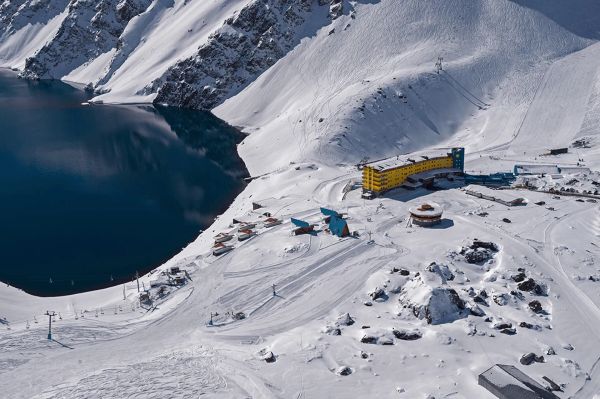
Four Dead After Avalanche Near Ski Portillo in Chile
A large avalanche struck near Laguna del Inca adjacent to Ski Portillo on Saturday afternoon, killing four people and injuring four others. The group were day visitors mountaineering in the backcountry after reportedly being warned about elevated avalanche risk by resort staff.
18 Oct 2026

Europe Ski Resorts Open Now: What Is Skiable in Mid-October 2026
Europe’s ski season is open, technically. After a record-warm summer, glaciers in Austria, Switzerland and Italy are running a few pistes apiece, Sölden, Stubai and Kitzsteinhorn started late, Titlis has pushed back to 24 October, and Zermatt reopens a few lifts on 14 October after more than two months shut. Finland’s Levi and Ruka are skiing on stored snow. Here is what is open, and what you actually get at each.
14 Oct 2026

Zermatt Plans World Cup Downhill Return on the Gornergrat for 2028
Zermatt is having another crack at a World Cup downhill, and this time nobody has to cross a border. Around 13 million Swiss francs is going into rebuilding the Gornergrat piste, including a jump fed by a roughly 300-metre in-run across the roof of the Gornergrat Railway gallery, with the Matterhorn lined up behind it for the TV cameras. First men’s race is pencilled in for March 2028, pending FIS homologation.
14 Oct 2026

Mt. Rose Begins Snowmaking for the 2026-27 Season at Lake Tahoe
Lake Tahoe’s highest base elevation is paying off early: Mt. Rose has started making snow for 2026-27 after the first flurries and a cold snap. The Nevada resort is backing it with nearly US$2 million in upgrades, including a replacement snowmaking main line, a new PistenBully groomer and restraint bars on every lift. Opening day is yet to be confirmed, though Heavenly and Northstar are already eyeing 20 November.
13 Oct 2026

Utah Ski Resorts 2026-27: What’s New at Alta, Deer Valley, Powder Mountain and More
Utah is still building flat out. For 2026-27, Powder Mountain opens a steep new Skytrac chair into more than 1,000 acres of advanced terrain, Deer Valley adds 200 acres on Hail Peak, Sundance gets a new quad and Park City adds a gondola from its new parking structure. Snowmaking is expanding almost everywhere, Eagle Point stays closed after the Cottonwood Fire, and the 2034 Games are setting the pace. Here’s what’s new, resort by resort.
13 Oct 2026

Mt Hutt Invests NZ$12 Million in Base Area, Tripling Its Sun Deck
Mt Hutt is getting busier, and its base lodge is about to catch up. NZ$12 million goes into a heated sun deck roughly three times the current size (430 m² to 1,300 m²), plus a new toilet block, heated steps down to snow level, extra storage and a new food and beverage outlet. Building starts after the 2026 season, with everything due for winter 2027.
11 Oct 2026

Vermont Ski Resort Opening Dates 2026-27: Few Dates Set, Killington Waits on the Cold
Vermont's season is slow to take shape. Stratton is tentatively targeting 18 November and Sugarbush 21 November, while Pico has Friday 11 December on the calendar. Killington never sets a date and opens when the snowmaking allows, and Vail Resorts has yet to name days for Stowe, Okemo and Mount Snow. The forecasts disagree about snow, and the main El Niño worry for the Green Mountains is warmth.
9 Oct 2026

Crans-Montana 2027 World Championships President Resigns Ahead of Fraud Hearing
Less than four months out from the Crans-Montana 2027 World Championships, the man running the organising committee has stepped down. Claude-Alain Schmidhalter resigned as Swiss-Ski vice president and OC president after being indicted over a business dispute unrelated to skiing. He denies the allegations and faces court on October 27. Interim leaders are in place for the February 1-14 event.
9 Oct 2026