
The Overview
Brauneck delivers a quintessential Bavarian skiing experience just 60km from Munich, with 34km of diverse slopes accommodating all ability levels. This accessible mountain features spectacular views across the Alpine foothills and crystal-clear Lake Tegernsee. The resort combines family-friendly terrain with several challenging descents, offering authentic mountain experiences without requiring long travel distances from Bavaria's capital.
1012m
Vertical
20
Runs
30.7 km
Piste
3m
Annual snow
The Terrain
20 runs across 30.7 km of piste
Brauneck in Lenggries is one of the bigger ski mountains in the Bavarian Pre-Alps, south of Munich, with 20 runs and 30.7 kilometres of piste across a vertical of 1,012 metres, from 700 up to 1,712 metres. Grading is 11% beginner, 67% intermediate and 22% advanced, with no expert terrain, so it is a red-run mountain at heart, with long, steady descents. A gondola, two six-seaters, two quads, a triple and 10 T-bars share the work. Few German areas offer this much vertical within easy reach of Munich.
From the summit, the Garland slope is the steep section, with mogul runs and a black World Cup piste dropping toward Lenggries. Idealhang and the middle slopes suit intermediates cruising on medium-pitch pistes, while the family run to Wegscheid is about four kilometres long and drops nearly 800 metres, a satisfying long finish to the day. Lower slopes at Streidl, Jauden and Draxl are wide and easy for learners. Brauneck suits strong intermediates, Munich day-trippers and families, though it can get busy on weekends. Experts will find the black runs short.
Terrain split
20
runs
20 runs across 4 grades
Beginner2 runs · 11%
Intermediate13 runs · 67%
Advanced4 runs · 22%
Expert0 runs · 0%
Time it right
When to visit Brauneck
The ski season at Brauneck typically extends from December through March, with the best conditions usually found in January and February. The resort receives an average snowfall of 3-4m annually, supplemented by comprehensive snowmaking that covers over 70% of all slopes. March often delivers brilliant spring skiing conditions with longer daylight hours and softening afternoon snow, making it perfect for casual skiers and families.
Season 2026 - 2027
12 Dec 2026
Opens
29 Mar 2027
Closes
107
Days open
3 m
Annual snow
Getting there
Getting to Brauneck, and where to stay
Situated just 60km south of Munich, Brauneck offers one of Germany's most accessible mountain experiences. The resort sits adjacent to the charming Bavarian town of Lenggries, with the turquoise waters of the Isar River flowing nearby. This convenient location makes Brauneck extremely popular for day trips and weekend visits from Munich. The surrounding region features stunning Alpine scenery, traditional farmhouses, and excellent cross-country skiing options, providing diverse winter activities beyond downhill skiing.
Where to stay
Search all stays →Hotels and lodges near Brauneck, powered by Stay22.
Latest News
From the SnowStash desk
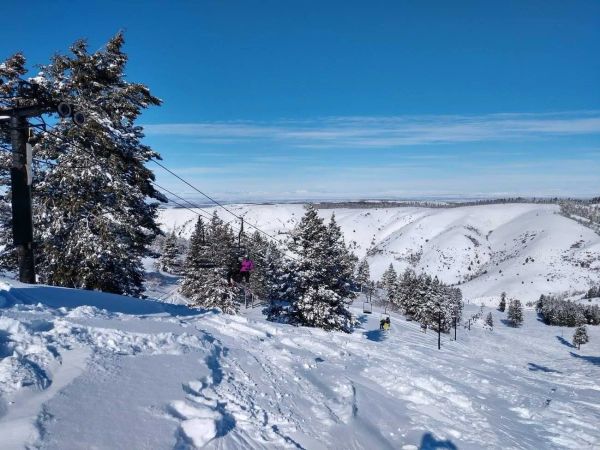
Kelly Canyon, Idaho, Adds Snowmaking, a Bigger Terrain Park and More Parking for 2026-27
Kelly Canyon had a rough 2025-26, and the Idaho resort has spent the summer making sure it doesn’t repeat. Snowmaking now reaches the top of Goldrush, the terrain park is doubling in size with a stereo system, lights and a snack shack, and the car park is getting bigger. Grooming is stepping up too. Target opening is December 4, conditions permitting.
9 Oct 2026
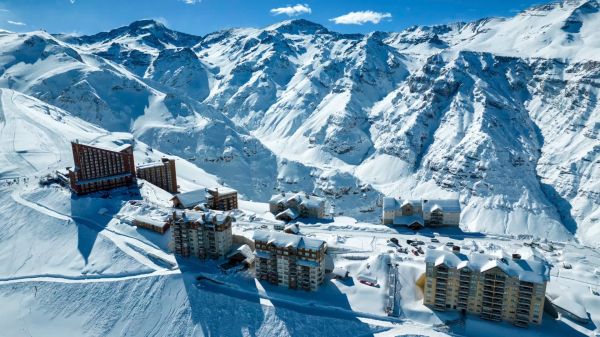
Valle Nevado Extends Season to November 8 After 108 cm in 48 Hours
Winter was meant to be winding down in Chile. Then Valle Nevado took 108 cm in 48 hours in early October, and the resort has pushed its closing date out to November 8 - its latest in 38 years of operation. That makes 143 days of skiing since opening day on June 19, with 690 cm banked for the season. Only part of the mountain is running while the storm settles, so check the mountain report before you plan a trip.
9 Oct 2026
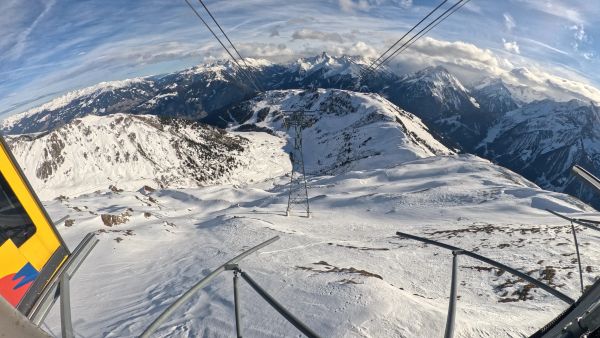
Alps Snow Forecast: Cold Front Brings Thursday Snow to the High Alps
The Alps look a lot more like winter today, for a day or so. A cold front is moving west to east, dropping up to 35 cm on high glaciers and peaks, with snow levels falling to around 1,500-1,800 m at times. Don’t plan a trip around it: mid-elevation snow will be thin and wet, every area is closed bar a limited Sölden glacier opening tomorrow, and warmer weather returns by Monday.
8 Oct 2026
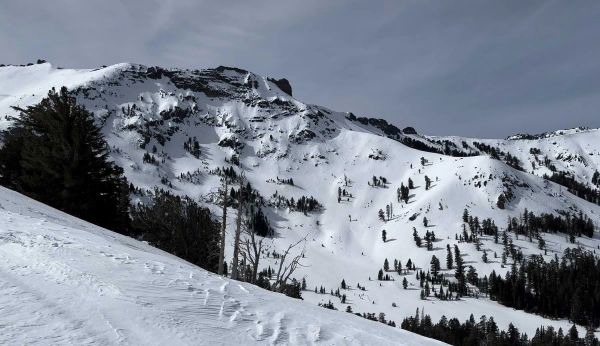
California Ski Resort Opening Dates 2026-27: Mammoth Leads, Tahoe Follows
Mammoth Mountain is first up in California, targeting Friday 13 November after a dusting of September snow. Heavenly and Northstar follow on 20 November, Palisades Tahoe on Wednesday 25 November and Sugar Bowl on 27 November, with Kirkwood on 4 December and June Mountain on 19 December. Plenty of smaller areas have no date yet. A super El Niño favours the Sierra, but a warmer storm track is the catch.
7 Oct 2026
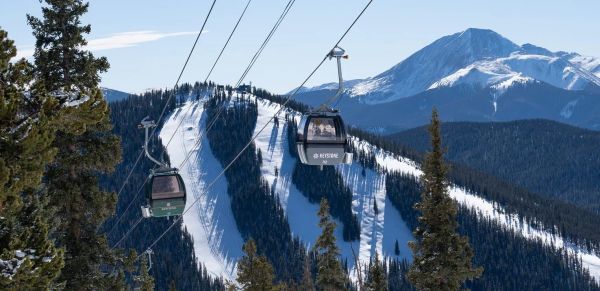
Colorado Ski Resort Opening Dates 2026-27: A-Basin and Keystone Race to Be First
Arapahoe Basin, Keystone and Winter Park are all chasing an October start, though none has a firm date yet. The first dated openers are Breckenridge and Copper on Friday 6 November, then Vail on 13 November, with most of the rest bunched around US Thanksgiving. Hesperus did not open at all last season. A super El Niño offers hope but no guarantee, and forecasters say the southern mountains have the better odds.
5 Oct 2026
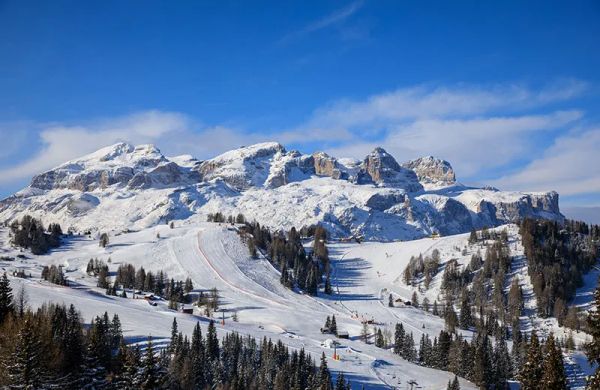
Dolomiti Superski 2026-27: Four New Gondolas, New Reservoirs and an €89 Peak Day Pass
Dolomiti Superski is spending around €100 million across its 12 areas before winter. Kronplatz gets a new 10-passenger gondola with a middle station, 3 Zinnen gets Helmissimo, and Val di Fassa swaps a chairlift for a gondola above Col Valvacin. New water-storage basins and upgraded snowmaking follow, and construction has started on the San Martino to Passo Rolle link. A peak adult day pass is €89.
4 Oct 2026
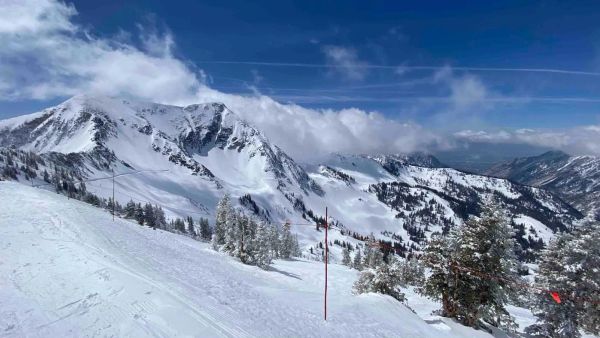
Utah Ski Resort Opening Dates 2026-27: Brian Head First, Eagle Point Out
Brian Head is targeting 6 November, though last year it aimed for 7 November and did not open until the 25th. Park City, Alta and Solitude are pencilled in for 20 November, Snowbird and Snowbasin for 27 November, and Deer Valley for 5 December. Eagle Point will stay closed after the Cottonwood Fire. A super El Niño is forecast, but the big snow is not expected until January.
4 Oct 2026
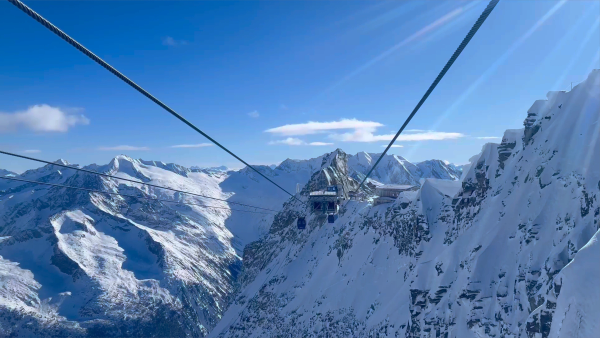
Hintertux Glacier Opens for 2026-27 With 12 Kilometres of Piste
Hintertux became Austria's second glacier to open for 2026-27 on Friday 2 October, after the Pitztal Glacier. Twelve kilometres of piste are running around the Olperer and Gefrorene Wand, served by one gondola and two drag lifts, with the Betterpark also open. Lifts officially run 8:15 am to 4:30 pm, but skiing stops at 2 pm for now.
4 Oct 2026