
Garmisch Partenkirchen
Experience Olympic heritage skiing beneath Germany's highest peak. Discover diverse terrain from gentle slopes to glacier skiing, traditional Bavarian charm, and access to Zugspitze.
Season 2026 - 2027
Opens
12 Dec 2026
Closes
29 Mar 2027
Days open
107
Annual snow
5m
The Overview
Garmisch-Partenkirchen is a world-class winter sports destination located in the heart of the Bavarian Alps in southern Germany. This picturesque resort is known for its stunning mountain scenery, diverse ski terrain, and charming Bavarian village atmosphere. With nearly 90 kilometers of well-groomed slopes and 40 modern lifts, Garmisch-Partenkirchen offers a fantastic skiing and snowboarding experience for all skill levels. The resort's three main ski areas - Classic, Zugspitze, and Alpspitze - provide a wide variety of runs, from gentle beginner slopes to challenging expert terrain, including the famous Kandahar downhill course, which hosts the annual World Cup alpine skiing races. Whether you're a seasoned pro or a first-time skier, Garmisch-Partenkirchen Ski Resort promises an unforgettable winter adventure in the heart of the Bavarian Alps.
1310m
Vertical
30
Runs
40 km
Piste
5m
Annual snow
Garmisch Classic
Pass
The Terrain
30 runs across 40 km of piste
Garmisch Partenkirchen is the Bavarian town beneath the Garmisch-Classic ski area, which is spread over the Hausberg, Kreuzeck and Alpspitz, with 30 runs and 40 kilometres of piste between 740 and 2,050 metres. That gives a vertical of 1,310 metres, among the largest in Germany. The grading is 30% beginner, 45% intermediate, 20% advanced and 5% expert, one of the few German areas with an expert rating at all. Cable cars, gondolas, chairs and T-bars serve three separate mountains, so planning your day by sector helps.
The Kandahar at Kreuzeck is the headline run, a steep and long race piste used for World Cup events that only strong skiers should attempt. The Olympia Abfahrt, from the 1936 Winter Olympics course, splits off lower down and is a little gentler. The Hausberg is the beginner mountain, with practice areas, a children's zone and a ski school. Intermediates will find plenty of mid-pitch cruising on Kreuzeck and Alpspitz. Garmisch-Classic suits mixed groups, ambitious intermediates and advanced skiers wanting steeper pistes close to Munich. It can be busy on weekends, and lift lines build at the main cable cars.
Terrain split
30
runs
30 runs across 4 grades
Beginner9 runs · 30%
Intermediate14 runs · 45%
Advanced6 runs · 20%
Expert2 runs · 5%
Time it right
When to visit Garmisch Partenkirchen
The ski season at Garmisch-Partenkirchen ski resort typically runs from late November to early May, offering a long and varied winter sports experience. Thanks to its high elevation and extensive snowmaking capabilities, the resort ensures reliable snow conditions throughout the season. The Zugspitze glacier, in particular, offers skiing and snowboarding opportunities well into the spring months. Garmisch-Partenkirchen receives an average annual snowfall of around 4 meters, providing excellent conditions for both groomed runs and off-piste adventures. The resort's diverse terrain caters to all skill levels, from wide, gentle slopes for beginners to steep, challenging runs for experts. Whether you visit during the peak winter months or the early and late seasons, Garmisch-Partenkirchen Ski Resort guarantees a memorable and enjoyable snow experience in a stunning Alpine setting.
Season 2026 - 2027
12 Dec 2026
Opens
29 Mar 2027
Closes
107
Days open
5 m
Annual snow
Getting there
Getting to Garmisch Partenkirchen, and where to stay
Garmisch-Partenkirchen is located in the heart of the Bavarian Alps, approximately 90 kilometers southwest of Munich, Germany. The resort is easily accessible by both car and public transportation, making it a popular destination for both local and international visitors. If you're driving, the resort is just a 1-hour drive from Munich via the A95 motorway. For those traveling by train, the Garmisch-Partenkirchen railway station is conveniently located in the center of town, with regular connections to Munich and other major cities in Germany. The resort's prime location in the picturesque Bavarian Alps offers not only world-class skiing and snowboarding but also a wide range of other winter activities, such as cross-country skiing, winter hiking, and ice skating. With its stunning natural beauty, charming Bavarian architecture, and easy accessibility, Garmisch-Partenkirchen Ski Resort is an ideal destination for an unforgettable winter holiday in Germany.
Where to stay
Search all stays →Hotels and lodges near Garmisch Partenkirchen, powered by Stay22.
Latest News
From the SnowStash desk
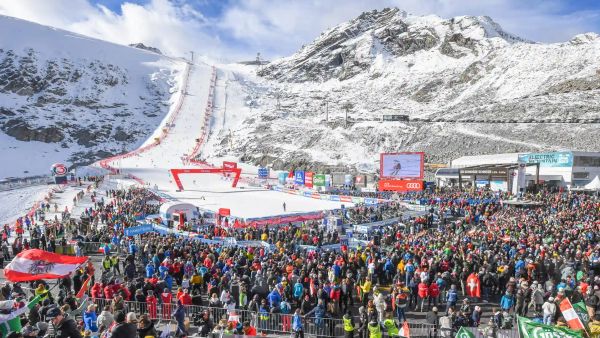
Pinheiro Braathen Wins Sölden Giant Slalom Opener by 0.48 Seconds
Two days at Sölden, two races decided by a hundredth somewhere on the podium, and one very quick Brazilian. Lucas Pinheiro Braathen led from the first run to win the men’s World Cup opener by 0.48 seconds, with Loïc Meillard second and Marco Odermatt third. River Radamus charged from 15th to fourth on a rutted course, and Britain’s Freddy Carrick-Smith banked his first World Cup points. Braathen still hasn’t lost a giant slalom since Olympic gold.
25 Oct 2026
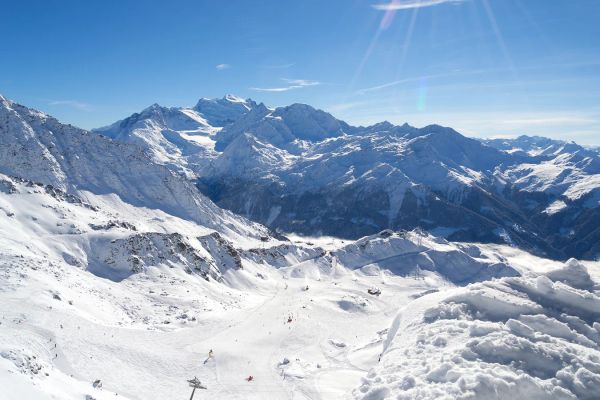
Alps Snow Forecast: Up to 64 cm Headed for the High Glaciers as the Snow Line Drops
The Alps are about to swap mild, sunny October weather for something far more wintry. A cold front arrives Tuesday, and SnowStash forecasts have Monterosa Ski out in front with 64 cm over 14 days, ahead of Blatten Belalp (55 cm) and Verbier (43 cm). The snow line should fall below 2000 metres by Wednesday night, and glaciers across Switzerland, Italy and Austria are in line for the best of it. The wind will have a say too.
20 Oct 2026
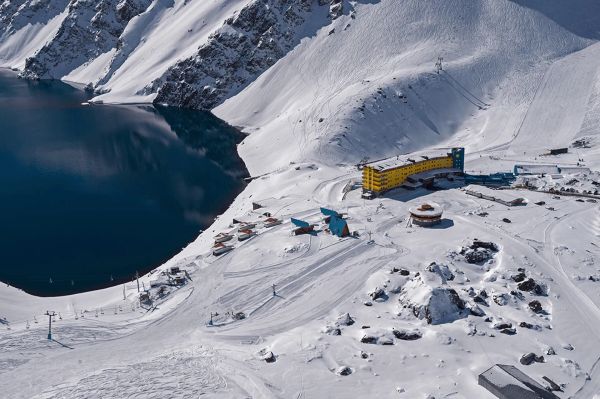
Four Dead After Avalanche Near Ski Portillo in Chile
A large avalanche struck near Laguna del Inca adjacent to Ski Portillo on Saturday afternoon, killing four people and injuring four others. The group were day visitors mountaineering in the backcountry after reportedly being warned about elevated avalanche risk by resort staff.
18 Oct 2026
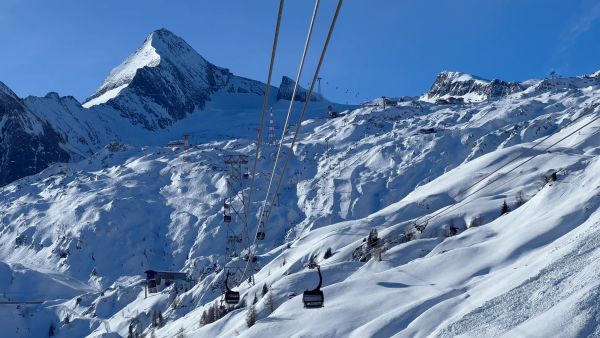
Europe Ski Resorts Open Now: What Is Skiable in Mid-October 2026
Europe’s ski season is open, technically. After a record-warm summer, glaciers in Austria, Switzerland and Italy are running a few pistes apiece, Sölden, Stubai and Kitzsteinhorn started late, Titlis has pushed back to 24 October, and Zermatt reopens a few lifts on 14 October after more than two months shut. Finland’s Levi and Ruka are skiing on stored snow. Here is what is open, and what you actually get at each.
14 Oct 2026
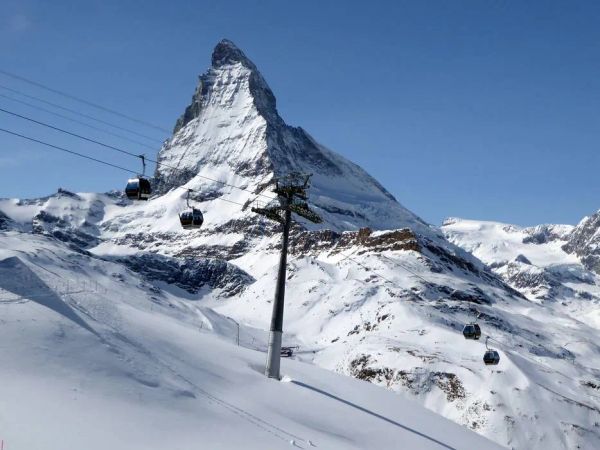
Zermatt Plans World Cup Downhill Return on the Gornergrat for 2028
Zermatt is having another crack at a World Cup downhill, and this time nobody has to cross a border. Around 13 million Swiss francs is going into rebuilding the Gornergrat piste, including a jump fed by a roughly 300-metre in-run across the roof of the Gornergrat Railway gallery, with the Matterhorn lined up behind it for the TV cameras. First men’s race is pencilled in for March 2028, pending FIS homologation.
14 Oct 2026
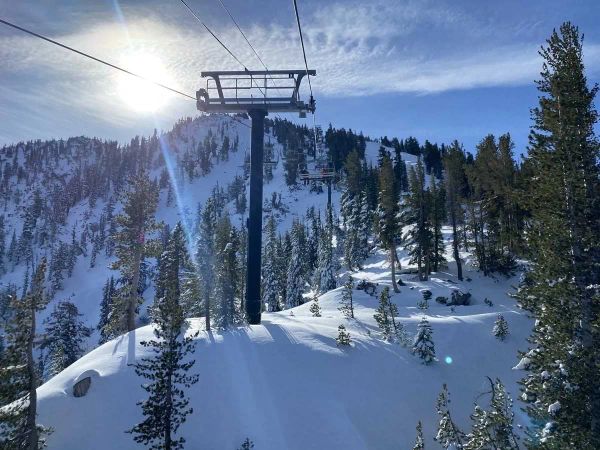
Mt. Rose Begins Snowmaking for the 2026-27 Season at Lake Tahoe
Lake Tahoe’s highest base elevation is paying off early: Mt. Rose has started making snow for 2026-27 after the first flurries and a cold snap. The Nevada resort is backing it with nearly US$2 million in upgrades, including a replacement snowmaking main line, a new PistenBully groomer and restraint bars on every lift. Opening day is yet to be confirmed, though Heavenly and Northstar are already eyeing 20 November.
13 Oct 2026
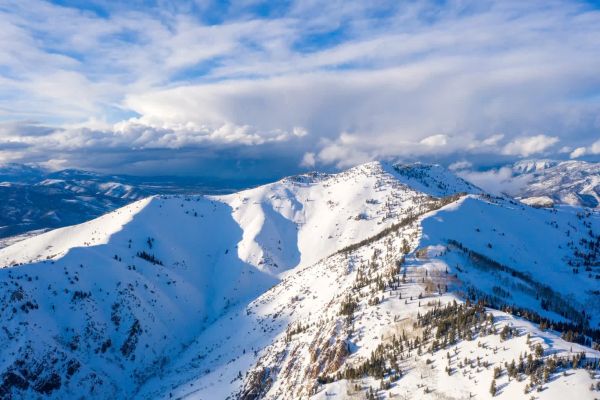
Utah Ski Resorts 2026-27: What’s New at Alta, Deer Valley, Powder Mountain and More
Utah is still building flat out. For 2026-27, Powder Mountain opens a steep new Skytrac chair into more than 1,000 acres of advanced terrain, Deer Valley adds 200 acres on Hail Peak, Sundance gets a new quad and Park City adds a gondola from its new parking structure. Snowmaking is expanding almost everywhere, Eagle Point stays closed after the Cottonwood Fire, and the 2034 Games are setting the pace. Here’s what’s new, resort by resort.
13 Oct 2026
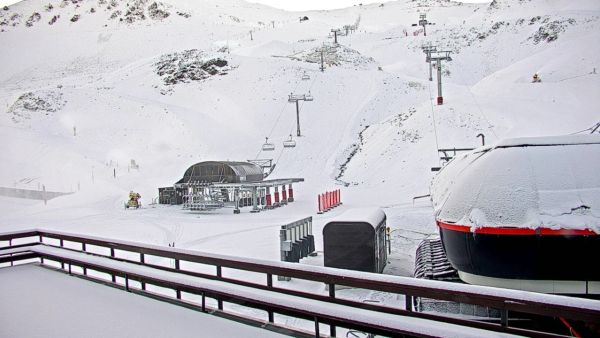
Mt Hutt Invests NZ$12 Million in Base Area, Tripling Its Sun Deck
Mt Hutt is getting busier, and its base lodge is about to catch up. NZ$12 million goes into a heated sun deck roughly three times the current size (430 m² to 1,300 m²), plus a new toilet block, heated steps down to snow level, extra storage and a new food and beverage outlet. Building starts after the 2026 season, with everything due for winter 2027.
11 Oct 2026
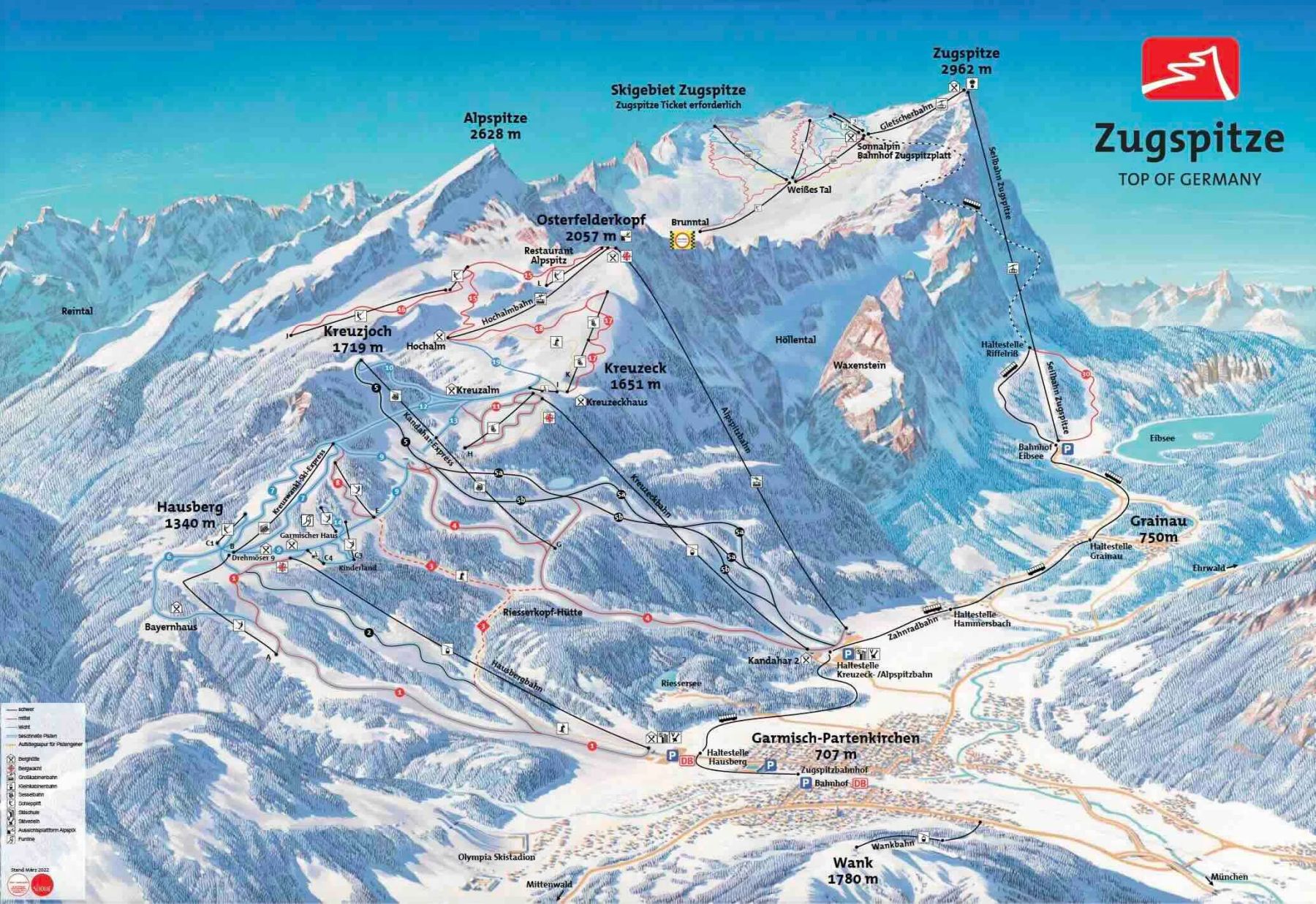
Garmisch Partenkirchen Trail Map
Live Garmisch Partenkirchen trail map
Loading trail map...
Downloadable Garmisch Partenkirchen trail map
Terrain split
30
runs
Beginner30%
Intermediate45%
Advanced20%
Expert5%
40 km of piste
Resort Stats
Elevation
Base740m
Summit2050m
Annual snowfall
5m
Season
2026 - 2027
12 Dec 2026 - 29 Mar 2027
Trail coverage
30 runs
40 km
About Garmisch Partenkirchen's trail map
Explore Garmisch Partenkirchen's full trail map with 30 runs across the mountain, colour-coded by difficulty and shown alongside the terrain split. Use it to plan a day that matches your ability, find lift-served pockets of your favourite grade, and see how the resort links together. Download the piste map (PDF) ↗
More Garmisch Partenkirchen intelligence: snow report, lift system, webcams, resort overview.