
Nebelhorn
Allgäu's highest ski resort at 2,224m. 7.5km longest valley run, 400-peak views, modern lifts. Ski Dec-May Oberstdorf.
Season 2026 - 2027
Opens
12 Dec 2026
Closes
2 May 2027
Days open
141
Annual snow
4m
The Overview
Nebelhorn delivers Germany's most spectacular high-altitude skiing experience, reaching 2,224 metres above sea level as the highest ski resort in the Allgäu region. This remarkable mountain serves as the "grandstand of the Alps," offering panoramic views of over 400 peaks whilst providing 12.9 kilometres of varied terrain with an impressive 1,396-metre vertical drop. The resort combines challenging expert runs with extensive beginner areas, all enhanced by Germany's longest valley run stretching 7.5 kilometres from summit to base. Nebelhorn's elevated position ensures reliable snow conditions from December through May, making it one of Germany's most snow-secure destinations with artificial snowmaking covering 11 kilometres of pistes.
1396m
Vertical
10
Runs
12.9 km
Piste
4m
Annual snow
The Terrain
10 runs across 12.9 km of piste
Nebelhorn is the serious mountain above Oberstdorf, rising from 828 metres to 2,224 metres for a vertical of 1,396 metres, one of the biggest in Germany. There are 10 runs and 12.9 kilometres of piste, graded 22% beginner, 40% intermediate and 38% advanced, with no expert-rated runs. That is a rare advanced share for a German hill. Access is by a cable car, two gondolas, a quad chair, a double chair and a T-bar, with the cable car carrying skiers from the valley to the summit in stages. The terrain feels properly alpine, with long, exposed upper slopes.
The Höfatsblick sector and the Koblat chairlift give access to the higher, more open slopes, while lower sections offer gentler runs for less confident skiers. When snow cover allows, a long run returns toward Oberstdorf, giving a real sense of vertical. The mountain suits strong intermediates and advanced skiers looking for genuine challenge in Germany, and it has serious ski touring and off-piste potential for those with proper equipment and avalanche knowledge. The summit panorama over the Allgäu Alps is a major drawcard, so plan to leave plenty of time for lunch with a view.
Terrain split
10
runs
10 runs across 4 grades
Beginner2 runs · 22%
Intermediate4 runs · 40%
Advanced4 runs · 38%
Expert0 runs · 0%
Time it right
When to visit Nebelhorn
Nebelhorn operates one of Germany's longest ski seasons, typically running from mid-December through early May with exceptional snow reliability throughout. The resort benefits from its position as the Allgäu's highest skiing destination, receiving substantial natural snowfall that combines with comprehensive artificial snowmaking across 11 kilometres of pistes. Peak conditions occur from January through March, when the predominantly north-facing slopes maintain excellent powder quality and firm piste surfaces. The resort's high altitude and strategic aspect ensure consistent skiing well into spring, often providing the region's last available skiing when lower resorts have closed. Clear weather days offer extraordinary visibility across the Alpine panorama, whilst the elevated position creates a unique microclimate that preserves snow quality longer than surrounding areas.
Season 2026 - 2027
12 Dec 2026
Opens
2 May 2027
Closes
141
Days open
4 m
Annual snow
Getting there
Getting to Nebelhorn, and where to stay
Located in the heart of the Bavarian Alps near Oberstdorf in the Oberallgäu district, Nebelhorn sits approximately 164 kilometres southeast of Munich and just 0.8 kilometres from Oberstdorf's town centre. The resort enjoys exceptional accessibility with direct train connections from Munich taking 2 hours 27 minutes, whilst Munich Airport is reachable via train in 3 hours 20 minutes with one connection. The Nebelhornbahn base station integrates seamlessly with Oberstdorf's transport network, including regular ski bus services and convenient parking facilities near the cable car terminal. This strategic location places visitors at the centre of the Oberstdorf-Kleinwalsertal ski region, providing access to seven mountains and over 130 kilometres of interconnected pistes through a unified lift pass system, all whilst being based in one of Germany's most celebrated Alpine towns renowned for hosting the Four Hills Tournament ski jumping competition.
Where to stay
Search all stays →Hotels and lodges near Nebelhorn, powered by Stay22.
Latest News
From the SnowStash desk

Europe Ski Resorts Open Now: What Is Skiable in Mid-October 2026
Europe’s ski season is open, technically. After a record-warm summer, glaciers in Austria, Switzerland and Italy are running a few pistes apiece, Sölden, Stubai and Kitzsteinhorn started late, Titlis has pushed back to 24 October, and Zermatt reopens a few lifts on 14 October after more than two months shut. Finland’s Levi and Ruka are skiing on stored snow. Here is what is open, and what you actually get at each.
14 Oct 2026

Zermatt Plans World Cup Downhill Return on the Gornergrat for 2028
Zermatt is having another crack at a World Cup downhill, and this time nobody has to cross a border. Around 13 million Swiss francs is going into rebuilding the Gornergrat piste, including a jump fed by a roughly 300-metre in-run across the roof of the Gornergrat Railway gallery, with the Matterhorn lined up behind it for the TV cameras. First men’s race is pencilled in for March 2028, pending FIS homologation.
14 Oct 2026

Mt. Rose Begins Snowmaking for the 2026-27 Season at Lake Tahoe
Lake Tahoe’s highest base elevation is paying off early: Mt. Rose has started making snow for 2026-27 after the first flurries and a cold snap. The Nevada resort is backing it with nearly US$2 million in upgrades, including a replacement snowmaking main line, a new PistenBully groomer and restraint bars on every lift. Opening day is yet to be confirmed, though Heavenly and Northstar are already eyeing 20 November.
13 Oct 2026

Utah Ski Resorts 2026-27: What’s New at Alta, Deer Valley, Powder Mountain and More
Utah is still building flat out. For 2026-27, Powder Mountain opens a steep new Skytrac chair into more than 1,000 acres of advanced terrain, Deer Valley adds 200 acres on Hail Peak, Sundance gets a new quad and Park City adds a gondola from its new parking structure. Snowmaking is expanding almost everywhere, Eagle Point stays closed after the Cottonwood Fire, and the 2034 Games are setting the pace. Here’s what’s new, resort by resort.
13 Oct 2026

Mt Hutt Invests NZ$12 Million in Base Area, Tripling Its Sun Deck
Mt Hutt is getting busier, and its base lodge is about to catch up. NZ$12 million goes into a heated sun deck roughly three times the current size (430 m² to 1,300 m²), plus a new toilet block, heated steps down to snow level, extra storage and a new food and beverage outlet. Building starts after the 2026 season, with everything due for winter 2027.
11 Oct 2026

Vermont Ski Resort Opening Dates 2026-27: Few Dates Set, Killington Waits on the Cold
Vermont's season is slow to take shape. Stratton is tentatively targeting 18 November and Sugarbush 21 November, while Pico has Friday 11 December on the calendar. Killington never sets a date and opens when the snowmaking allows, and Vail Resorts has yet to name days for Stowe, Okemo and Mount Snow. The forecasts disagree about snow, and the main El Niño worry for the Green Mountains is warmth.
9 Oct 2026
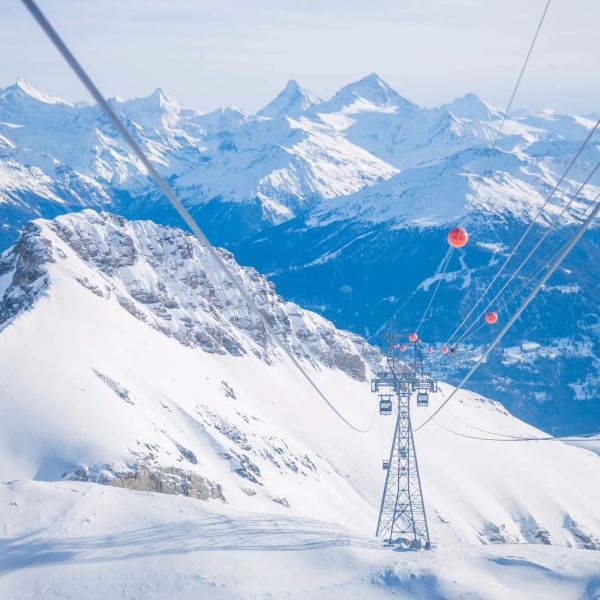
Crans-Montana 2027 World Championships President Resigns Ahead of Fraud Hearing
Less than four months out from the Crans-Montana 2027 World Championships, the man running the organising committee has stepped down. Claude-Alain Schmidhalter resigned as Swiss-Ski vice president and OC president after being indicted over a business dispute unrelated to skiing. He denies the allegations and faces court on October 27. Interim leaders are in place for the February 1-14 event.
9 Oct 2026
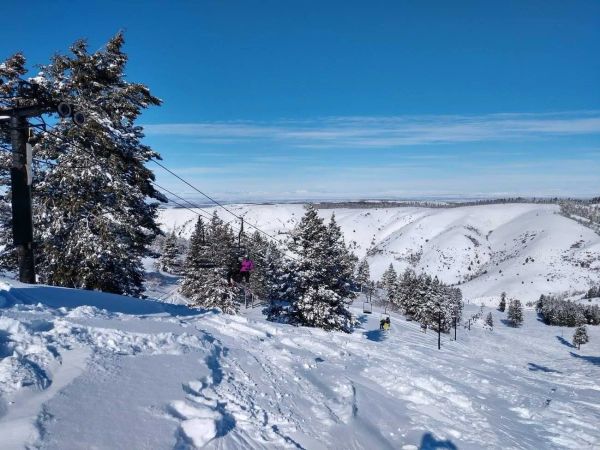
Kelly Canyon, Idaho, Adds Snowmaking, a Bigger Terrain Park and More Parking for 2026-27
Kelly Canyon had a rough 2025-26, and the Idaho resort has spent the summer making sure it doesn’t repeat. Snowmaking now reaches the top of Goldrush, the terrain park is doubling in size with a stereo system, lights and a snack shack, and the car park is getting bigger. Grooming is stepping up too. Target opening is December 4, conditions permitting.
9 Oct 2026