Courmayeur
Experience Courmayeur ski resort in Italy's Aosta Valley, featuring 100km of diverse slopes, authentic alpine charm, and breathtaking Mont Blanc views.
Season 2026 - 2027
Opens
28 Nov 2026
Closes
11 Apr 2027
Days open
134
Annual snow
6.3m
The Overview
Michael Fulton
Melbourne-based skier and snowboarder with 50+ resorts across 5 continents. Specialises in Australian resorts and international resort comparisons.
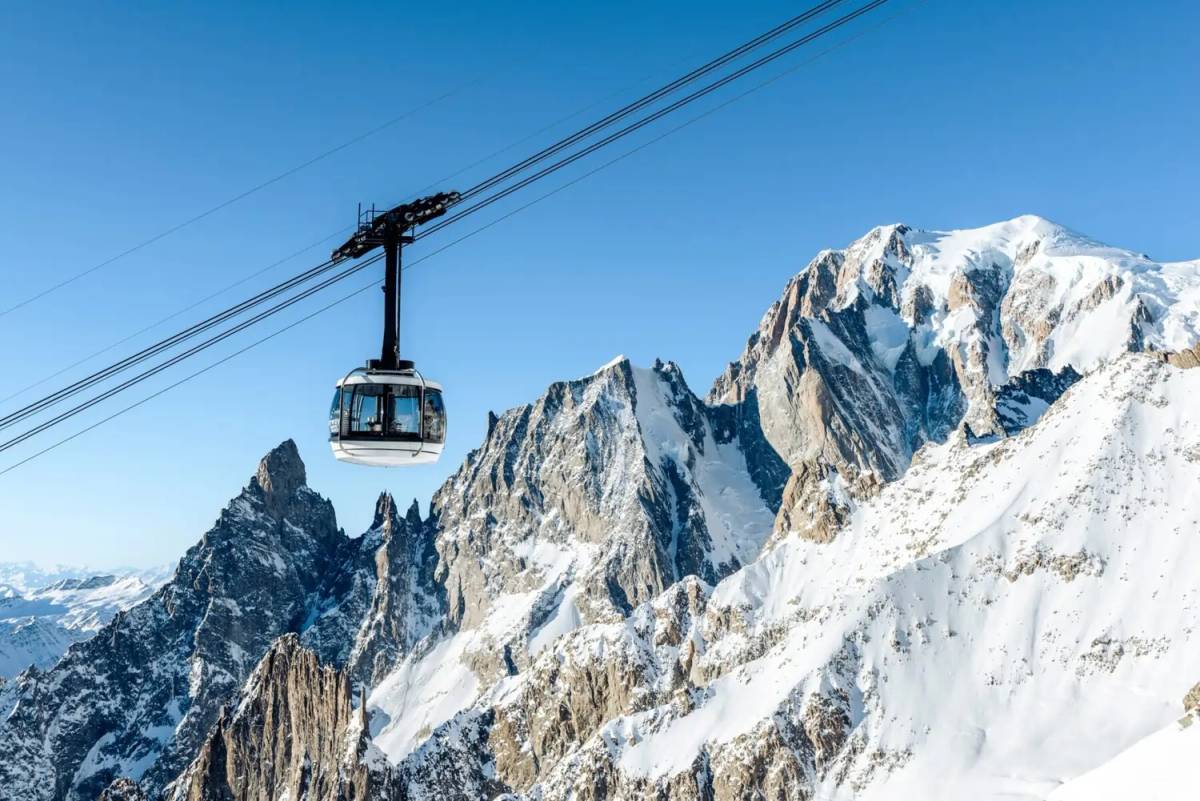
Courmayeur commands an exceptional position on the sunny Italian flank of Mont Blanc, with 100km of diverse terrain spreading across two distinct sectors between 1,205m and 2,755m. This refined Aosta Valley resort combines world-class off-piste skiing with sophisticated Italian hospitality, delivering authentic Alpine experiences beneath Europe's highest peak at 4,810m.
The resort's ski area divides between the open Plan Checrouit sector and the dramatic north-facing forested slopes of Val Veny, creating varied terrain accessed by 20 modern lifts including four aerial trams, four gondolas, and multiple chairlifts that efficiently transport skiers across the mountain's spectacular faces.
The predominantly intermediate terrain with 51% red runs and 38% blue runs suits confident skiers, while limited but genuine black runs and extraordinary off-piste opportunities attract advanced riders seeking technical challenges. Access from three valley bases at Courmayeur town, Dolonne village, and Entrèves hamlet provides flexible entry to slopes that consistently showcase breathtaking Mont Blanc massif views. The spectacular Skyway Monte Bianco cable car ascending 2,100m to Punta Helbronner at 3,462m creates access to legendary glacier descents including the Toula Glacier and connections to France's Vallée Blanche, establishing Courmayeur as a serious big-mountain destination.
The resort's car-free historic centre features cobbled streets, designer boutiques lining Via Roma, and renowned mountain restaurants including the legendary Maison Vieille, reflecting Courmayeur's sophisticated character as one of Italy's most refined ski destinations with over 150 years of Alpine tourism heritage.
1550m
Vertical
33
Runs
41.5 km
Piste
6.3m
Annual snow
The Terrain
33 runs across 41.5 km of piste
Courmayeur sits on the Italian side of Mont Blanc, with 33 runs over roughly 41.5 kilometres between 1,205 and 2,755 metres. That is a 1,550 metre vertical on a compact area, divided into the Plan Checrouit side and the north-facing Val Veny. Intermediates dominate at 51%, with 38% beginner, 8% advanced and 3% expert, so the groomed skiing is moderate. The numbers undersell the mountain, because much of its appeal lies off the piste and in the views across the Mont Blanc massif. It suits confident intermediates and anyone happy to hire a guide for the bigger days.
Access is by cable car from Courmayeur and Entrèves, or by the Dolonne gondola. The old Youla and Arp trams carry skiers to the top, where off-piste lines drop towards Val Veny; these routes need avalanche gear and a guide. Val Veny's north-facing slopes hold their snow and run through larch forest, while Plan Checrouit offers open, sunny cruising and mountain huts for long lunches. Beginners have gentle slopes near mid-station. Skiers wanting big mileage should look elsewhere, but those chasing scenery, steep terrain beyond the pistes and a refined town at the bottom will be well served.
Terrain split
33
runs
33 runs across 4 grades
Beginner13 runs · 38%
Intermediate17 runs · 51%
Advanced3 runs · 8%
Expert1 run · 3%
Time it right
When to visit Courmayeur
Courmayeur typically operates from late November through early April, delivering one of the most reliable ski seasons in the Italian Alps with peak conditions concentrated in January through March. The resort benefits from its protected position on Mont Blanc's southern flank, with predominantly north-facing Val Veny slopes maintaining excellent snow quality while the sunnier Plan Checrouit sector receives comprehensive snowmaking coverage across 70% of terrain ensuring consistent conditions throughout the season. The elevation range from 1,205m to 2,755m creates varied snow conditions, with upper slopes and Val Veny's forested runs preserving quality through favorable aspects and strategic snowmaking.
The resort's proximity to Mont Blanc massif creates distinctive microclimates, with Val Veny's north and northwest aspects holding snow exceptionally well even during marginal periods, while Plan Checrouit's southeast exposure makes it less suitable for late-season skiing but perfect during cold January and February conditions. Clear weather reveals extraordinary panoramic views across the glacier-clad peaks of the Mont Blanc range, including the Miage Glacier visible from Cresta d'Arp and the towering summit of Mont Blanc dominating Val Veny's skyline.
The predominantly intermediate terrain with wide, well-groomed pistes appeals throughout the season, while the resort's legendary off-piste descents—including classic routes from Cresta d'Arp dropping 1,500m to valley floors—require specific snow conditions and professional guiding. Spring skiing extends into early April thanks to north-facing Val Veny slopes and high-altitude terrain, though the resort's relatively modest maximum elevation compared to neighboring French resorts makes timing crucial for optimal conditions.
Season 2026 - 2027
28 Nov 2026
Opens
11 Apr 2027
Closes
134
Days open
6.3 m
Annual snow
The record
Historical snowfall at Courmayeur
Daily snow reports at Courmayeur go back to 1996, 31 winters on the books. Open the record to compare winters, lifts and piste.
58 cm
Snowiest day
4 Jan 2018
58 cm
This winter · 2026-27
so far
628 cm
Typical winter
average of complete seasons
Winter totals
cm
Past wintersThis winter
Getting there
Getting to Courmayeur, and where to stay
Located at the head of the Aosta Valley in northwestern Italy at 1,224m altitude, Courmayeur sits directly beneath the southern flank of Mont Blanc just 25km from Chamonix through the Mont Blanc Tunnel. The elegant mountain town preserves its historic character through a traffic-free centre featuring cobbled streets, 18th-century architecture, and the distinctive Church of Saint-Pantaléon, while offering refined accommodations spanning luxury hotels to traditional guesthouses in the town and nearby hamlets of Dolonne and Entrèves.
Geneva Airport provides the primary international gateway just 118km away with transfer times of 90 minutes through the Mont Blanc Tunnel, establishing Courmayeur as one of Europe's most accessible major Alpine destinations. Turin Airport offers alternative Italian access 151km distant with similar transfer times, while Milan Malpensa Airport serves long-haul travelers 214km away. The resort's strategic position creates exceptional connectivity to other Aosta Valley destinations including La Thuile, Pila, and Cervinia within easy day-trip distance, while cross-border access to Chamonix's extensive terrain lies just beyond the tunnel.
The town's sophisticated character reflects over 150 years of Alpine tourism heritage, with Via Roma's designer boutiques, refined restaurants serving traditional Aosta Valley cuisine, and civilized après-ski culture centered around elegant café-bars offering proper Italian aperitivi. The spectacular Skyway Monte Bianco cable car—one of the world's most technologically advanced installations—creates year-round access to 3,462m at Punta Helbronner, offering extraordinary panoramic views and establishing Courmayeur's reputation beyond skiing through this remarkable engineering achievement completed in 2015.
Where to stay
Search all stays →Hotels and lodges near Courmayeur, powered by Stay22.
Good to know
Frequently asked
When is Courmayeur's ski season?
Courmayeur's 2026 - 2027 season typically runs from November 28 through April 11. That window is roughly 134 calendar days, though daily operations depend on snow cover, weather, and lift maintenance.
Resorts in Italy, Europe often announce firm dates closer to winter; check the live snow report before you travel if you are planning around opening weekend or spring closure.
How much skiable terrain does Courmayeur have?
Courmayeur lists about 41.5 km of piste of marked terrain spread across 33 named runs. That footprint is what most riders experience on a lift-served day. Side-country or hike-to terrain may sit outside these published numbers.
Use the trail map to see how the mountain is laid out and where the longest fall-line runs connect back to base.
What is the terrain like at Courmayeur?
Trail grading at Courmayeur breaks down roughly as 38% beginner, 51% intermediate, 8% advanced, 3% expert. With a strong beginner share, Courmayeur suits families and first-time visitors who want forgiving warm-up terrain before exploring further upslope.
Percentages describe the resort's published piste mix, not vertical metres. A mountain with modest "expert" stats can still feel demanding if the steep terrain is long or exposed. Read the trail map alongside these numbers when planning your route.
How many lifts does Courmayeur have?
Courmayeur operates 20 lifts across 8 lift types. The fleet includes 4 aerial trams, 4 gondolas, 4 quad chairs, 3 t-bars, 2 double chairs, 1 6-person chair, 1 triple chair, and 1 surface lift.
Lift mix affects how quickly you can lap your favourite zones. Gondolas and trams move big crowds to mid-mountain, while shorter chairs and surface lifts often serve learning areas or local pods. Check the live snow report on ski days for real-time open/closed status.
What is the elevation and vertical drop at Courmayeur?
Base elevation at Courmayeur is about 1,205 m (3,953 ft), with the summit around 2,755 m (9,039 ft), giving roughly 1,550 m (5,085 ft) of vertical from base to top.
Higher start heights usually mean colder, drier snow holding longer into spring, but also thinner air and faster weather changes. Pack layers if you are riding from village level to summit lifts in one day.
How much snow does Courmayeur get each season?
Courmayeur averages about 628 cm (247 inches) of natural snowfall per season. That is a long-term climate figure. Any single winter can run well above or below it depending on storm track and temperature.
For trip planning, pair this baseline with the live snow report and webcams: fresh cycles show up in overnight totals and summit cameras long before season averages tell you much about today's surface.
Where can I buy Courmayeur lift tickets and how much do they cost?
Published single-day adult pricing on SnowStash currently spans €42 to €82, depending on date band and whether you are buying peak or regular windows. Multi-day products (multi-day passes, season passes) usually lower the per-day cost if you are staying several days. Tickets can be bought online through the resort's official checkout (linked from our lift tickets page) or at on-mountain ticket windows, subject to availability.
Buying ahead of peak holidays and weekends generally saves money and guarantees access on sold-out days. Before you commit, scan the snow report and webcams so you are paying for conditions that match your expectations.
How can I check snow and mountain conditions at Courmayeur before I go?
SnowStash pulls together 7 live mountain webcams, a downloadable piste map, and the daily snow report for Courmayeur so you can plan from home. Webcams refresh on a short interval and are the fastest way to judge visibility, wind exposure, and whether storm snow is still falling.
The snow report adds structured totals, base depth where available, and lift/trail status when the resort publishes it. Use both together: cameras show what it looks like right now, and the report summarises numbers your group can compare day to day.
Does Courmayeur have a trail map?
Yes. The downloadable PDF/image map is better for offline planning, marking meeting points, and understanding the full mountain layout at a glance.
Both versions are on the trail map page for Courmayeur. If you are navigating with kids or meeting friends across separate lifts, screenshot or print the static map and keep the live map open on your phone for operational updates.
Where is Courmayeur located?
Courmayeur sits in Italy, Europe. That regional context matters for travel planning: airport transfers, snow tyres, and typical storm patterns all follow geography as much as resort marketing.
Browse nearby accommodation from the resort page if you are comparing village-base vs valley-base stays; where you sleep changes your first lift of the day more than most trail stats do.
Latest News
From the SnowStash desk
Pinheiro Braathen Wins Sölden Giant Slalom Opener by 0.48 Seconds
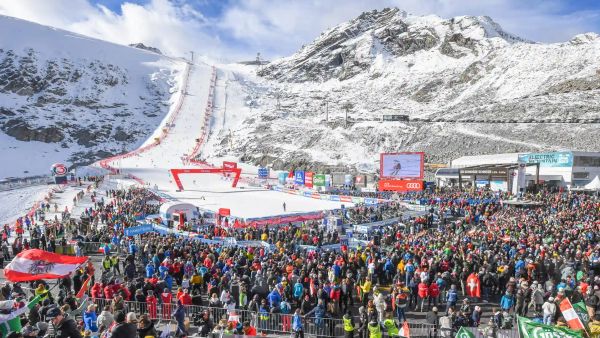
Two days at Sölden, two races decided by a hundredth somewhere on the podium, and one very quick Brazilian. Lucas Pinheiro Braathen led from the first run to win the men’s World Cup opener by 0.48 seconds, with Loïc Meillard second and Marco Odermatt third. River Radamus charged from 15th to fourth on a rutted course, and Britain’s Freddy Carrick-Smith banked his first World Cup points. Braathen still hasn’t lost a giant slalom since Olympic gold.
25 Oct 2026
Alps Snow Forecast: Up to 64 cm Headed for the High Glaciers as the Snow Line Drops
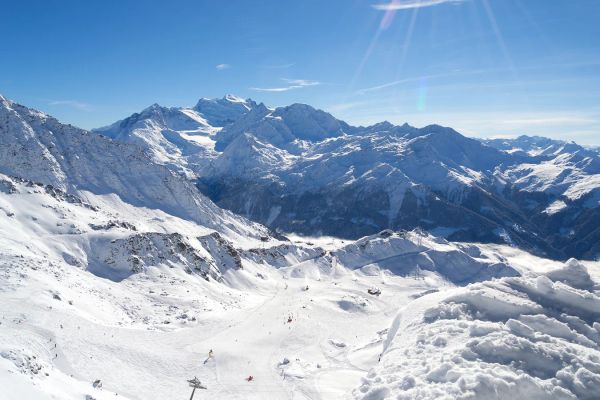
The Alps are about to swap mild, sunny October weather for something far more wintry. A cold front arrives Tuesday, and SnowStash forecasts have Monterosa Ski out in front with 64 cm over 14 days, ahead of Blatten Belalp (55 cm) and Verbier (43 cm). The snow line should fall below 2000 metres by Wednesday night, and glaciers across Switzerland, Italy and Austria are in line for the best of it. The wind will have a say too.
20 Oct 2026
Four Dead After Avalanche Near Ski Portillo in Chile
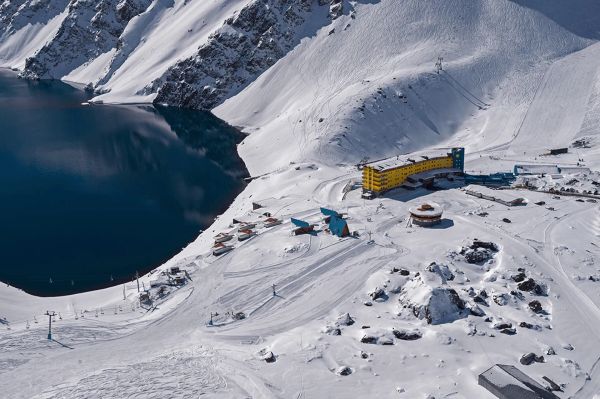
A large avalanche struck near Laguna del Inca adjacent to Ski Portillo on Saturday afternoon, killing four people and injuring four others. The group were day visitors mountaineering in the backcountry after reportedly being warned about elevated avalanche risk by resort staff.
18 Oct 2026
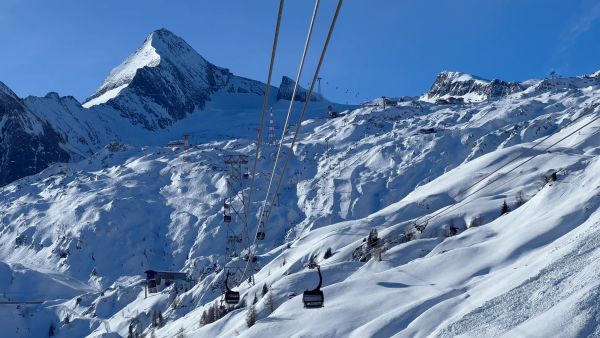
Europe Ski Resorts Open Now: What Is Skiable in Mid-October 2026
Europe’s ski season is open, technically. After a record-warm summer, glaciers in Austria, Switzerland and Italy are running a few pistes apiece, Sölden, Stubai and Kitzsteinhorn started late, Titlis has pushed back to 24 October, and Zermatt reopens a few lifts on 14 October after more than two months shut. Finland’s Levi and Ruka are skiing on stored snow. Here is what is open, and what you actually get at each.
14 Oct 2026
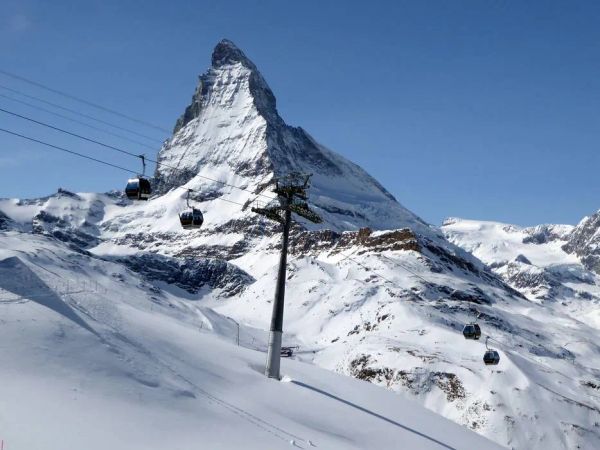
Zermatt Plans World Cup Downhill Return on the Gornergrat for 2028
Zermatt is having another crack at a World Cup downhill, and this time nobody has to cross a border. Around 13 million Swiss francs is going into rebuilding the Gornergrat piste, including a jump fed by a roughly 300-metre in-run across the roof of the Gornergrat Railway gallery, with the Matterhorn lined up behind it for the TV cameras. First men’s race is pencilled in for March 2028, pending FIS homologation.
14 Oct 2026
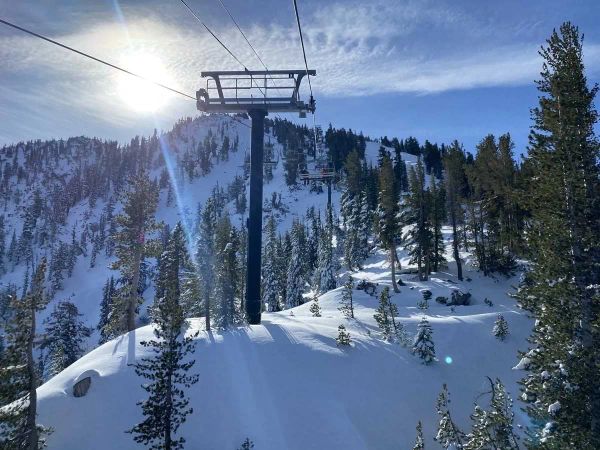
Mt. Rose Begins Snowmaking for the 2026-27 Season at Lake Tahoe
Lake Tahoe’s highest base elevation is paying off early: Mt. Rose has started making snow for 2026-27 after the first flurries and a cold snap. The Nevada resort is backing it with nearly US$2 million in upgrades, including a replacement snowmaking main line, a new PistenBully groomer and restraint bars on every lift. Opening day is yet to be confirmed, though Heavenly and Northstar are already eyeing 20 November.
13 Oct 2026
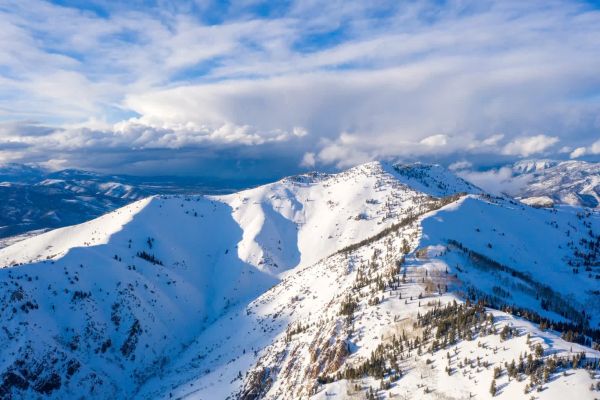
Utah Ski Resorts 2026-27: What’s New at Alta, Deer Valley, Powder Mountain and More
Utah is still building flat out. For 2026-27, Powder Mountain opens a steep new Skytrac chair into more than 1,000 acres of advanced terrain, Deer Valley adds 200 acres on Hail Peak, Sundance gets a new quad and Park City adds a gondola from its new parking structure. Snowmaking is expanding almost everywhere, Eagle Point stays closed after the Cottonwood Fire, and the 2034 Games are setting the pace. Here’s what’s new, resort by resort.
13 Oct 2026
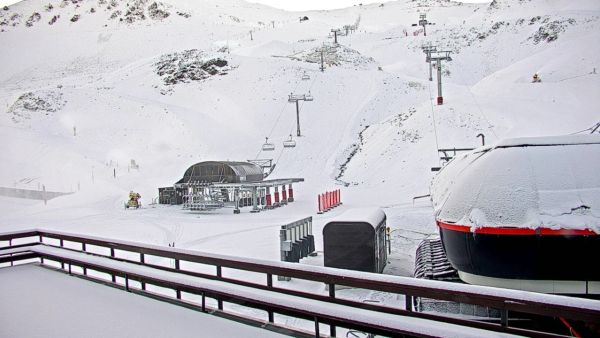
Mt Hutt Invests NZ$12 Million in Base Area, Tripling Its Sun Deck
Mt Hutt is getting busier, and its base lodge is about to catch up. NZ$12 million goes into a heated sun deck roughly three times the current size (430 m² to 1,300 m²), plus a new toilet block, heated steps down to snow level, extra storage and a new food and beverage outlet. Building starts after the 2026 season, with everything due for winter 2027.
11 Oct 2026