
Kronplatz
Kronplatz: South Tyrol's #1 ski resort with 121km slopes and Dolomiti Superski from €77. 360° Dolomites panorama, kids under 8 free.
Season 2026 - 2027
Opens
28 Nov 2026
Closes
11 Apr 2027
Days open
134
Annual snow
4m
The Overview
Michael Fulton
Melbourne-based skier and snowboarder with 50+ resorts across 5 continents. Specialises in Australian resorts and international resort comparisons.
Kronplatz delivers South Tyrol's most comprehensive skiing experience across 121km of immaculately groomed terrain on a distinctive pyramid-shaped mountain reaching 2,275m elevation. Rated the region's #1 ski resort with five-star recognition from Skiresort.de, this sophisticated destination combines 31 modern lifts with spectacular 360-degree panoramas encompassing the Zillertal Alps north and UNESCO World Heritage Dolomites south. The terrain distribution of 48% beginner, 28% intermediate, and 24% advanced runs across 51 trails creates ideal conditions for all abilities whilst maintaining the famous Black Five challenge that attracts expert skiers from across Europe.
The resort's unique three-valley access via Bruneck, Olang, Perca, and San Vigilio distributes arrivals efficiently, with lifts transporting 71,000 skiers hourly without excessive queuing. Comprehensive snowmaking across 100% of the 121km ski area ensures reliable conditions December through April, whilst the predominantly treeless upper slopes provide unobstructed skiing across broad, gently winding descents. Kronplatz's integration within the massive Dolomiti Superski network provides access to 1,220km of interconnected terrain, making single-day tickets valid across an unprecedented scale of Dolomite skiing.
Cultural dimension distinguishes Kronplatz from purely sports-focused destinations, with the summit hosting Reinhold Messner's MMM Corones museum designed by Zaha Hadid alongside the LUMEN photography museum and Concordia 2000 Peace Bell. Six valley runs extending up to 6.5km from summit to base create exceptional vertical experiences, whilst the innovative Ski-Pustertal-Express train connection links Kronplatz to the Three Peaks Dolomites area, expanding skiing opportunities beyond the immediate resort.
1302m
Vertical
51
Runs
121 km
Piste
4m
Annual snow
Dolomiti Superski Pass
Pass
Watch
See Kronplatz in motion
The Terrain
51 runs across 121 km of piste
Kronplatz is a pyramid-shaped mountain in the Pustertal with 121 kilometres of piste across 51 runs, rising from 973 to 2,275 metres for a 1,302 metre vertical. Almost half the terrain is beginner at 48%, with 28% intermediate and 24% advanced, and nothing rated expert. The summit is treeless, so slopes fan out in every direction from the top, and gondolas and eight-seat chairs feed them from valley bases around the mountain. It is a strong choice for families and mixed-ability groups, and for skiers who want a lot of mileage on groomed corduroy rather than steep, technical terrain.
The Black Five are the main test for advanced skiers: Sylvester and Herrnegg, each over 7 kilometres, plus Pre da Peres, Erta and Piculin. Ski all five in a day and there is a reward waiting. Freestylers have the Belvedere park, and the Sella Ronda is reachable by a shuttle from Piculin to Sompunt. Freeride terrain is minimal, as the mountain is groomed and busy. Intermediates and families will enjoy the long cruising descents back to the valleys, while expert riders wanting real challenge should look to the neighbouring Dolomites. Trains to Perca make car-free visits easy too.
Terrain split
51
runs
51 runs across 4 grades
Beginner24 runs · 48%
Intermediate14 runs · 28%
Advanced12 runs · 24%
Expert0 runs · 0%
Time it right
When to visit Kronplatz
Kronplatz typically operates from late November through mid-April, with peak conditions occurring January through March when the Dolomite microclimate delivers consistent snowfall averaging 3.5m annually. The elevation range between 973m and 2,275m provides sufficient altitude for natural snow preservation, supplemented by comprehensive snowmaking across the entire 121km network with 216 installations guaranteeing coverage throughout winter. The season length represents exceptional reliability for alpine skiing, with operations maintained even during lean natural snowfall periods.
The predominantly north-facing upper slopes maintain excellent snow quality well into April, whilst the resort's exceptional grooming standards utilise 32 snow groomers and approximately 250 dedicated workers maintaining immaculate piste conditions daily. The Women's Ski World Cup held annually on the challenging Erta run demonstrates Kronplatz's capability to maintain world-class racing conditions throughout peak season. Spring skiing extends through mid-April with pleasant temperatures and softening snow creating ideal recreational conditions.
Weekend and holiday periods attract substantial visitor numbers from throughout northern Italy, Austria, and Germany, though the extensive lift capacity and terrain distribution maintain comfortable skiing conditions. The Dolomite position creates distinctive weather patterns with the UNESCO World Heritage mountain backdrop providing microclimatic benefits that enhance snow preservation throughout the extended season.
Season 2026 - 2027
28 Nov 2026
Opens
11 Apr 2027
Closes
134
Days open
4 m
Annual snow
Getting there
Getting to Kronplatz, and where to stay
Situated in the Pustertal Valley approximately 80km east of Bolzano, Kronplatz occupies a strategic position in the heart of the Dolomites with exceptional accessibility from multiple international airports. Bolzano Airport lies 81km west with drive times around 70 minutes, whilst Innsbruck Airport sits 108km north with transfers approaching 90 minutes. Verona Airport 227km south provides alternative international connections, with Venice 205km southeast, Munich 302km north, and Milan approximately 350km west positioning Kronplatz as a weekend destination for major European population centres.
The historic town of Bruneck at 835m elevation serves as the geographical centrepiece, offering comprehensive accommodation and services within a charming historical centre. Multiple surrounding villages including St. Vigil, Reischach, Olang, and Perca provide additional lodging options within comfortable proximity of main lift installations, with many properties offering genuine ski-in ski-out access. Road access via the A22 Brenner motorway exits at Bressanone before continuing 30km east on state road SS49-E66 to Bruneck.
Public transport connectivity includes direct train services to Bruneck and Perca stations, with the Perca stop featuring direct gondola lift connections eliminating road transfers. The innovative Ski-Pustertal-Express train service links Kronplatz to the Three Peaks Dolomites ski area via 30-minute journeys, creating expanded skiing opportunities whilst reducing road traffic. The trilingual region (German-Italian-Ladin) creates distinctive cultural character reflected in signage, cuisine, and local traditions, offering authentic South Tyrolean experiences within one of Europe's most sophisticated ski resort environments.
Where to stay
Search all stays →Hotels and lodges near Kronplatz, powered by Stay22.
Latest News
From the SnowStash desk
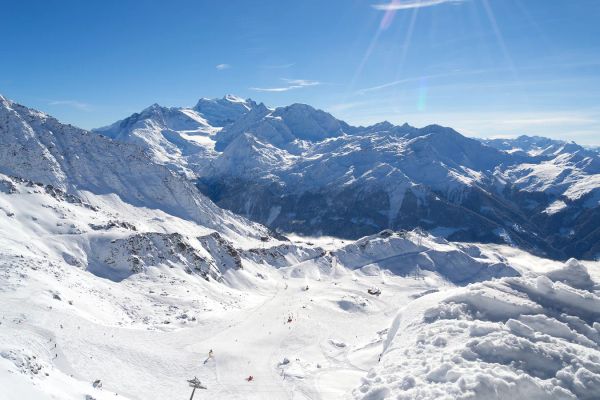
Alps Snow Forecast: Up to 64 cm Headed for the High Glaciers as the Snow Line Drops
The Alps are about to swap mild, sunny October weather for something far more wintry. A cold front arrives Tuesday, and SnowStash forecasts have Monterosa Ski out in front with 64 cm over 14 days, ahead of Blatten Belalp (55 cm) and Verbier (43 cm). The snow line should fall below 2000 metres by Wednesday night, and glaciers across Switzerland, Italy and Austria are in line for the best of it. The wind will have a say too.
20 Oct 2026
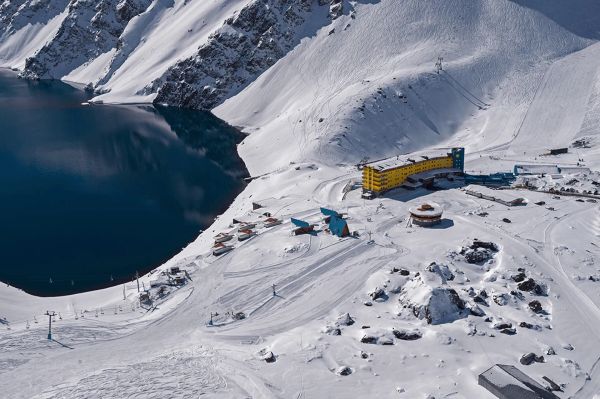
Four Dead After Avalanche Near Ski Portillo in Chile
A large avalanche struck near Laguna del Inca adjacent to Ski Portillo on Saturday afternoon, killing four people and injuring four others. The group were day visitors mountaineering in the backcountry after reportedly being warned about elevated avalanche risk by resort staff.
18 Oct 2026
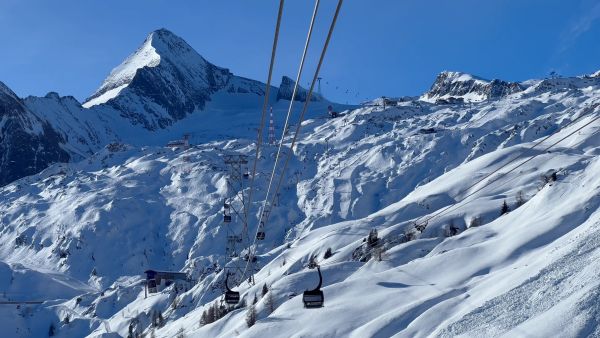
Europe Ski Resorts Open Now: What Is Skiable in Mid-October 2026
Europe’s ski season is open, technically. After a record-warm summer, glaciers in Austria, Switzerland and Italy are running a few pistes apiece, Sölden, Stubai and Kitzsteinhorn started late, Titlis has pushed back to 24 October, and Zermatt reopens a few lifts on 14 October after more than two months shut. Finland’s Levi and Ruka are skiing on stored snow. Here is what is open, and what you actually get at each.
14 Oct 2026
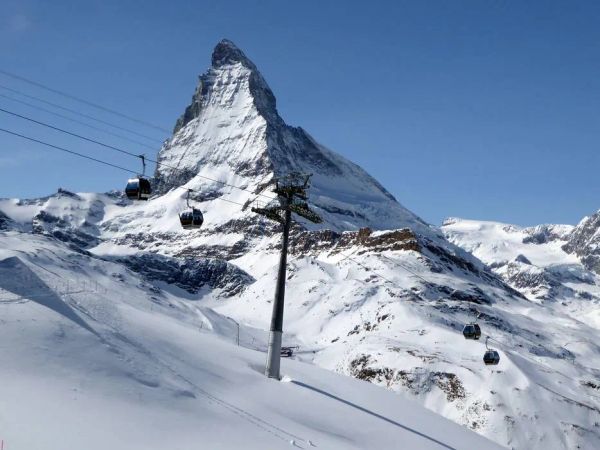
Zermatt Plans World Cup Downhill Return on the Gornergrat for 2028
Zermatt is having another crack at a World Cup downhill, and this time nobody has to cross a border. Around 13 million Swiss francs is going into rebuilding the Gornergrat piste, including a jump fed by a roughly 300-metre in-run across the roof of the Gornergrat Railway gallery, with the Matterhorn lined up behind it for the TV cameras. First men’s race is pencilled in for March 2028, pending FIS homologation.
14 Oct 2026
Mt. Rose Begins Snowmaking for the 2026-27 Season at Lake Tahoe
Lake Tahoe’s highest base elevation is paying off early: Mt. Rose has started making snow for 2026-27 after the first flurries and a cold snap. The Nevada resort is backing it with nearly US$2 million in upgrades, including a replacement snowmaking main line, a new PistenBully groomer and restraint bars on every lift. Opening day is yet to be confirmed, though Heavenly and Northstar are already eyeing 20 November.
13 Oct 2026

Utah Ski Resorts 2026-27: What’s New at Alta, Deer Valley, Powder Mountain and More
Utah is still building flat out. For 2026-27, Powder Mountain opens a steep new Skytrac chair into more than 1,000 acres of advanced terrain, Deer Valley adds 200 acres on Hail Peak, Sundance gets a new quad and Park City adds a gondola from its new parking structure. Snowmaking is expanding almost everywhere, Eagle Point stays closed after the Cottonwood Fire, and the 2034 Games are setting the pace. Here’s what’s new, resort by resort.
13 Oct 2026
Mt Hutt Invests NZ$12 Million in Base Area, Tripling Its Sun Deck
Mt Hutt is getting busier, and its base lodge is about to catch up. NZ$12 million goes into a heated sun deck roughly three times the current size (430 m² to 1,300 m²), plus a new toilet block, heated steps down to snow level, extra storage and a new food and beverage outlet. Building starts after the 2026 season, with everything due for winter 2027.
11 Oct 2026

Vermont Ski Resort Opening Dates 2026-27: Few Dates Set, Killington Waits on the Cold
Vermont's season is slow to take shape. Stratton is tentatively targeting 18 November and Sugarbush 21 November, while Pico has Friday 11 December on the calendar. Killington never sets a date and opens when the snowmaking allows, and Vail Resorts has yet to name days for Stowe, Okemo and Mount Snow. The forecasts disagree about snow, and the main El Niño worry for the Green Mountains is warmth.
9 Oct 2026