
The Overview
Michael Fulton
Melbourne-based skier and snowboarder with 50+ resorts across 5 continents. Specialises in Australian resorts and international resort comparisons.
Monterosa Ski links three valleys — Valle d'Ayas, Valle di Gressoney and Valsesia — across 180km of slopes at the foot of Monte Rosa, the second highest massif in the Alps. The ski area spans from 1,212m at Alagna, the lowest base in the domain, to 3,275m at Punta Indren on the edge of the Monte Rosa glacier — a vertical range of more than 2,000m across three interconnected resorts: Champoluc, Gressoney-La-Trinité and Alagna.
The on-piste terrain is predominantly intermediate, with 67% of marked runs graded red and long, well-groomed descents connecting the three valleys. But Monterosa's defining character is off-piste: the terrain above Passo dei Salati and across the Indren glacier is among the most extensive and accessible high-alpine freeride terrain in the Alps, and has featured as a stop on the Freeride World Tour.
Alagna, at the eastern end of the domain, is the most demanding sector and the gateway to the glacier. Champoluc, in the western Valle d'Ayas, carries the most beginner and intermediate terrain and is the most practical base for mixed-ability groups. Gressoney-La-Trinité sits at the centre, acting as the main hub between the two other valleys, with the lift connections to Passo dei Salati branching toward both Indren and Alagna.
A single lift pass covers all three interconnected valleys as well as smaller satellite areas including Antagnod, Brusson and Gressoney-Saint-Jean. Traversing the full domain from Champoluc to Alagna in a single day is achievable for confident skiers and covers close to 20km of terrain as the crow flies.
2063m
Vertical
51
Runs
132 km
Piste
4m
Annual snow
The Terrain
51 runs across 132 km of piste
Monterosa Ski links the valleys of Champoluc, Gressoney and Alagna beneath the Monte Rosa massif, with 132 kilometres of piste over 51 runs. The vertical is the headline: 2,063 metres between the 1,212-metre valley floor and the 3,275-metre high point. On snow, the grading is mostly red, at 22% beginner, 67% intermediate and 11% advanced, with no marked expert runs. Long, well-groomed descents tie the three valleys together, and the high altitude keeps the upper slopes holding snow well into spring. The area rewards skiers who like covering ground rather than lapping a single sector.
The real draw here is off the groomed runs. From the Indren lift, the La Balma itinerary drops more than 2,000 metres of vertical towards Alagna, and the high terrain around Passo dei Salati offers some of the most open unpatrolled skiing in Italy. Treat all of it as guided country with full avalanche gear. Lower down, tree skiing above Gressoney-La-Trinité suits storm days. The longest groomed descent, from Olen to Alagna, runs about eight kilometres. Strong intermediates cruise happily, while freeriders and ski tourers get the most from Monterosa.
Terrain split
51
runs
51 runs across 4 grades
Beginner11 runs · 22%
Intermediate34 runs · 67%
Advanced6 runs · 11%
Expert0 runs · 0%
Time it right
When to visit Monterosa Ski
Monterosa Ski operates from early December through to late April, with the 2025–26 season running from 6 December 2025 to 21 April 2026. The extended spring window is supported by the domain's high-altitude terrain — particularly the Indren glacier zone above 3,000m, which holds snow reliably deep into April — and by 170km of snowmaking coverage across the pisted area.
Annual snowfall averages 3.5 metres across the domain, with the north-facing slopes of Alagna and the high terrain around Passo dei Salati typically holding the best snow quality longest. The combination of glacier access, extensive snowmaking and high elevation makes Monterosa one of the more snow-reliable mid-sized resorts in the western Italian Alps.
Mid-season conditions from January through March offer the most consistent all-mountain access, with the Indren Funifor operational when wind and snowpack allow. Spring skiing from late March onward draws a dedicated freeride crowd to the Alagna side, where the long off-piste descents from Indren — some running to 2,000m vertical — are at their most accessible under stabilised snowpack.
The resort has hosted stages of the Freeride World Tour, reflecting the calibre of its backcountry terrain. The three valley villages retain an authentically Italian character throughout the season — quiet on weekdays, lively at weekends when day-trippers arrive from Milan and Turin — which contributes to an unhurried atmosphere on the mountain that larger, better-known resorts in the region rarely match.
Season 2026 - 2027
28 Nov 2026
Opens
18 Apr 2027
Closes
141
Days open
4 m
Annual snow
Getting there
Getting to Monterosa Ski, and where to stay
Monterosa Ski straddles the border of Valle d'Aosta and Piedmont in north-west Italy, with its three base villages — Champoluc, Gressoney-La-Trinité and Alagna Valsesia — each accessed via separate valley roads off the A5 Turin–Aosta motorway. The gateway junction is the Verrès tollbooth on the A5, from where the Ayas Valley road leads to Champoluc and the Gressoney Valley road runs to Stafal. Alagna is accessed separately from the Piedmont side via Varallo and Valsesia.
Turin Caselle Airport is the closest major international gateway for Champoluc and Gressoney, at 107km and approximately 90 minutes by car. Milan Malpensa is the more practical option for Alagna at 110km, around two hours' drive. Geneva Airport is within reach for those routing through France via the Mont Blanc Tunnel into Aosta, at approximately 217km.
Train connections run on the Turin–Aosta line to Verrès for Champoluc, or to Pont-Saint-Martin for Gressoney, with onward bus services to each valley. Alagna is served by bus from Varallo, reached via train from Milan or Turin through Novara. Driving remains the most practical option for most visitors, particularly those splitting time between more than one valley.
The three resort villages are distinctly low-key — Champoluc and Gressoney-La-Trinité are small, traditional alpine communities with limited but good-quality accommodation and restaurants serving local Valdostana cuisine. The relative obscurity of the area compared to higher-profile Italian resorts is a deliberate draw for those seeking serious terrain without the crowds.
Where to stay
Search all stays →Hotels and lodges near Monterosa Ski, powered by Stay22.
Latest News
From the SnowStash desk

Vermont Ski Resort Opening Dates 2026-27: Few Dates Set, Killington Waits on the Cold
Vermont's season is slow to take shape. Stratton is tentatively targeting 18 November and Sugarbush 21 November, while Pico has Friday 11 December on the calendar. Killington never sets a date and opens when the snowmaking allows, and Vail Resorts has yet to name days for Stowe, Okemo and Mount Snow. The forecasts disagree about snow, and the main El Niño worry for the Green Mountains is warmth.
9 Oct 2026
Crans-Montana 2027 World Championships President Resigns Ahead of Fraud Hearing
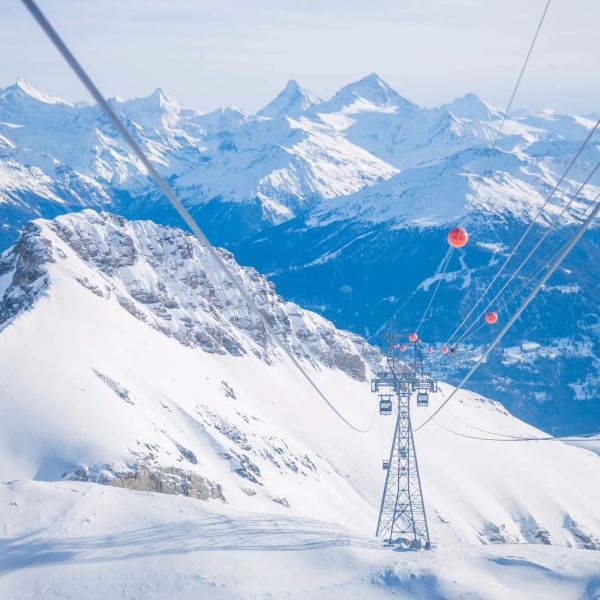
Less than four months out from the Crans-Montana 2027 World Championships, the man running the organising committee has stepped down. Claude-Alain Schmidhalter resigned as Swiss-Ski vice president and OC president after being indicted over a business dispute unrelated to skiing. He denies the allegations and faces court on October 27. Interim leaders are in place for the February 1-14 event.
9 Oct 2026
Kelly Canyon, Idaho, Adds Snowmaking, a Bigger Terrain Park and More Parking for 2026-27
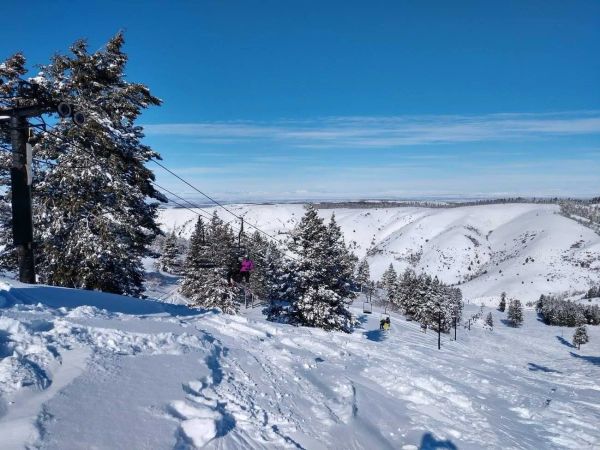
Kelly Canyon had a rough 2025-26, and the Idaho resort has spent the summer making sure it doesn’t repeat. Snowmaking now reaches the top of Goldrush, the terrain park is doubling in size with a stereo system, lights and a snack shack, and the car park is getting bigger. Grooming is stepping up too. Target opening is December 4, conditions permitting.
9 Oct 2026
Valle Nevado Extends Season to November 8 After 108 cm in 48 Hours
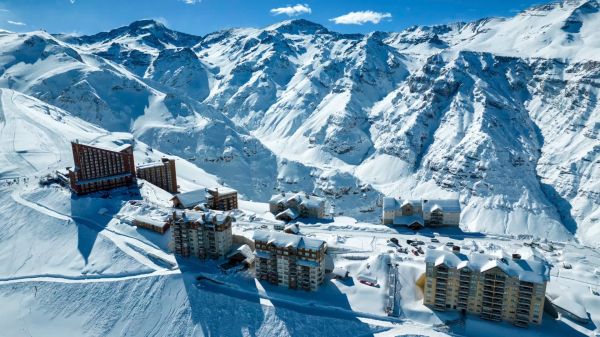
Winter was meant to be winding down in Chile. Then Valle Nevado took 108 cm in 48 hours in early October, and the resort has pushed its closing date out to November 8 - its latest in 38 years of operation. That makes 143 days of skiing since opening day on June 19, with 690 cm banked for the season. Only part of the mountain is running while the storm settles, so check the mountain report before you plan a trip.
9 Oct 2026
Alps Snow Forecast: Cold Front Brings Thursday Snow to the High Alps
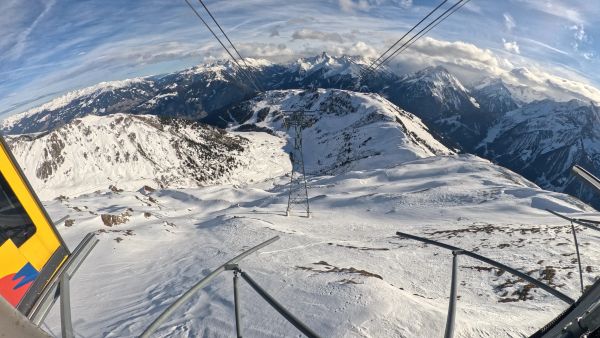
The Alps look a lot more like winter today, for a day or so. A cold front is moving west to east, dropping up to 35 cm on high glaciers and peaks, with snow levels falling to around 1,500-1,800 m at times. Don’t plan a trip around it: mid-elevation snow will be thin and wet, every area is closed bar a limited Sölden glacier opening tomorrow, and warmer weather returns by Monday.
8 Oct 2026
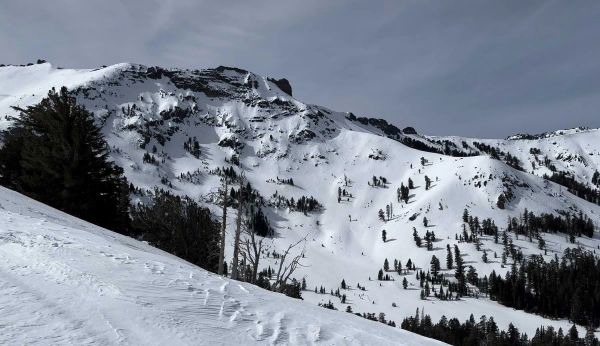
California Ski Resort Opening Dates 2026-27: Mammoth Leads, Tahoe Follows
Mammoth Mountain is first up in California, targeting Friday 13 November after a dusting of September snow. Heavenly and Northstar follow on 20 November, Palisades Tahoe on Wednesday 25 November and Sugar Bowl on 27 November, with Kirkwood on 4 December and June Mountain on 19 December. Plenty of smaller areas have no date yet. A super El Niño favours the Sierra, but a warmer storm track is the catch.
7 Oct 2026
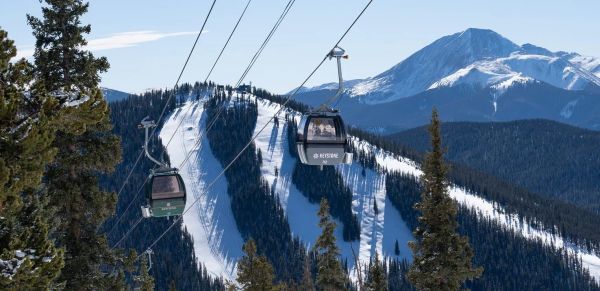
Colorado Ski Resort Opening Dates 2026-27: A-Basin and Keystone Race to Be First
Arapahoe Basin, Keystone and Winter Park are all chasing an October start, though none has a firm date yet. The first dated openers are Breckenridge and Copper on Friday 6 November, then Vail on 13 November, with most of the rest bunched around US Thanksgiving. Hesperus did not open at all last season. A super El Niño offers hope but no guarantee, and forecasters say the southern mountains have the better odds.
5 Oct 2026
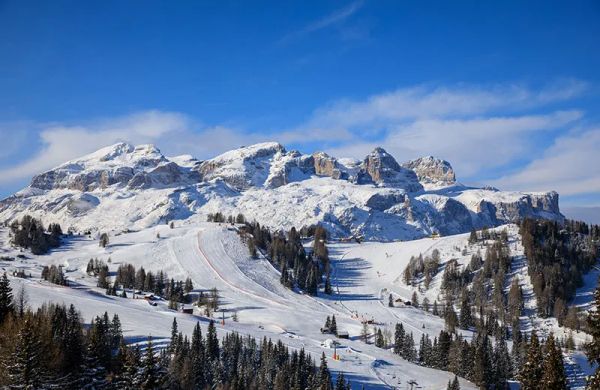
Dolomiti Superski 2026-27: Four New Gondolas, New Reservoirs and an €89 Peak Day Pass
Dolomiti Superski is spending around €100 million across its 12 areas before winter. Kronplatz gets a new 10-passenger gondola with a middle station, 3 Zinnen gets Helmissimo, and Val di Fassa swaps a chairlift for a gondola above Col Valvacin. New water-storage basins and upgraded snowmaking follow, and construction has started on the San Martino to Passo Rolle link. A peak adult day pass is €89.
4 Oct 2026
Monterosa Ski Webcams
5 live angles across the mountain. Tap any camera to go full-screen.
About Monterosa Ski's live webcams
Check live conditions across Monterosa Ski with 5 real-time webcams showing snow, weather, and lift operations, updated every 10 minutes. Check high-elevation cams for powder visibility and base-area cams for crowd levels before you head up.
Camera guide
- Champoluc: Crest2000m
- This Monterosa Ski webcam at 2,000m sits at the Crest cable car top station, the gateway to the Valle d'Ayas terrain and the starting point for the long cross-valley runs connecting Champoluc to Gressoney. Monitor current visibility and snow conditions across the resort's most beginner and intermediate-friendly sector before committing to the full domain crossing. One of the most practical Monterosa Ski live cams for gauging morning conditions on the western side of this three-valley Italian ski area.
- Gressoney-La-Trinité: Punta Indren3275m
- Positioned at the top of the Funifor at 3,275m, this Monterosa Ski webcam sits at the highest accessible point in the entire domain and the departure point for the resort's celebrated glacier descents toward Alagna. Check visibility and wind conditions at Punta Indren before heading up - the Funifor operates subject to weather and this Monterosa live cam is the best advance indicator of whether the glacier terrain is open. Essential viewing for freeride skiers planning the legendary Indren off-piste runs, some dropping over 2,000 vertical meters to the valley floor below.
- Gressoney-La-Trinité: Sant Anna2182m
- Monitoring the central hub of the Monterosa Ski domain from 2,182m, this webcam covers the mid-mountain terrain around the main Gressoney lift junction where traffic between all three valleys converges. Check current conditions and visibility across this critical crossroads before planning your route between Champoluc, Gressoney and Alagna. A reliable daily reference on the Monterosa Ski webcam network for assessing whether the inter-valley connections are running in good visibility.
- Gressoney-La-Trinité: Colle Betta2730m
- From 2,730m at Colle Bettaforca, this high-altitude Monterosa Ski webcam covers the key saddle where the Valle d'Ayas and Valle di Gressoney meet - the most important crossing point in the entire ski area. Monitor snow quality and visibility at this exposed col before attempting the valley-to-valley traverse, where conditions can differ significantly from those at lower elevations. One of the Monterosa live cams most critical for planning the full domain crossing from Champoluc to Gressoney and beyond.
- Gressoney-La-Trinité: Gabiet2371m
- This Monterosa Ski webcam at Gabiet Lake sits at 2,371m on the main lift spine between Stafal and Passo dei Salati, monitoring one of the domain's busiest circulation points. Check real-time snow conditions and lift queue levels at this mid-point between the Gressoney valley floor and the high-altitude terrain above before planning your ascent toward the glacier. A key checkpoint on the Monterosa Ski live cams network for anyone routing through Gressoney-La-Trinité toward the Indren Funifor and Alagna side.
Monterosa Ski snow cams FAQ
How often do Monterosa Ski snow cams update?
All Monterosa Ski snow cams and webcams update every 10 minutes with fresh images showing current mountain conditions. This frequent update schedule ensures you have access to near real-time conditions for planning your ski day at Monterosa Ski.
Which Monterosa Ski webcam shows the best powder conditions?
The high-elevation Gressoney-La-Trinité: Punta Indren webcam at 3,275m provides the clearest view of powder conditions and snowfall. These Monterosa Ski webcams capture fresh snow accumulation and visibility better than base area cameras.
Can I see Monterosa Ski lift queues on the webcams?
Yes. Multiple Monterosa Ski snow cams specifically show lift queue areas and chairlift operations, helping you time your arrival and avoid peak queue periods.
When is the best time to check Monterosa Ski snow cams?
Check Monterosa Ski webcams early morning (7-8am) for overnight snowfall assessment, and mid-afternoon for current crowd levels and weather. The live cams are most useful after storm events to assess fresh powder.
How can I check current conditions before buying Monterosa Ski lift tickets?
Use our Monterosa Ski webcams alongside the live snow report to assess conditions before purchasing lift tickets. The webcams show real-time visibility, snow quality, and operational status.
Do Monterosa Ski webcams work on mobile devices?
Yes. All Monterosa Ski snow cams and webcams are optimized for mobile viewing, so you can check live conditions from anywhere using your phone or tablet.
More Monterosa Ski intelligence: snow report, lift tickets, trail map, resort overview.