
Paganella - Andalo
Ski 50km above Andalo in the Brenta Dolomites, 1,040-2,125m, with Skirama Dolomiti access and the Norwegian national team's training slopes.
Season 2026 - 2027
Opens
28 Nov 2026
Closes
4 Apr 2027
Days open
127
Annual snow
4m
The Overview
Michael Fulton
Melbourne-based skier and snowboarder with 50+ resorts across 5 continents. Specialises in Australian resorts and international resort comparisons.
Paganella sits on the Altopiano della Paganella in Trentino, above the village of Andalo and backed by the Brenta Dolomites - a UNESCO World Heritage massif that forms the western horizon from the upper mountain. The ski area spans 1,040m to 2,125m across 50km of pistes, with runs descending 1,100m of vertical on two faces of the Cima Paganella summit and returning to both Andalo and Fai della Paganella.
The terrain runs heavily intermediate, with 19 red pistes making up the bulk of the ski area alongside 11 blue runs and a single black - the Pala di Santa. Named pistes with established reputations include the 3-Tre, a race-format slope with FIS history, and the Olimpionica 2, which serves as the official European training base for the Norwegian National Alpine Ski Team and has also been used by the USA men's alpine squad. The endorsement from national teams is reflected in the quality of grooming, which the resort maintains as a signature standard across the area.
From the Cima Paganella summit at 2,125m, on a clear day the panorama takes in the Marmolada glacier to the east, the Brenta Dolomites to the west, and Lake Garda to the south - one of the more unusual viewpoints in the Trentino ski area network. Snow coverage across 100% of marked pistes is maintained by an extensive snowmaking system, critical for a south-facing area at relatively moderate altitude.
The Paganella ski pass connects into the Skirama Dolomiti Adamello Brenta carousel, which covers 380km of slopes across eight areas including Madonna di Campiglio, Pinzolo, Folgarida-Marilleva, Passo Tonale and Monte Bondone - all accessible under a single Superskirama pass.
1085m
Vertical
31
Runs
50 km
Piste
4m
Annual snow
The Terrain
31 runs across 50 km of piste
Paganella rises above Andalo and Fai della Paganella in Trentino, with 50 kilometres of piste over 31 runs from a 1,040-metre base to the 2,125-metre summit. The 1,085-metre vertical is enough to feel like a proper mountain, yet the grading is gentle: 28% beginner, 68% intermediate and just 4% advanced, with no expert terrain. Almost everything here is a groomed red or blue, and the modern lift network of gondolas and fast quads keeps the whole mountain moving. It is a tidy, well-organised area in which most intermediates will find their rhythm quickly and stay comfortable all day.
From Cima Paganella, three red pistes run down towards Andalo and Fai, with Lake Garda on one side of the view and the Brenta Dolomites on the other. The Olimpionica pistes are the ones to seek out for fast, even-pitched carving. Advanced skiers will run out of challenge sooner than the numbers suggest, and freeride terrain is not a feature. Paganella suits families, progressing intermediates and groups with mixed ability, particularly those who value reliable grooming, a short transfer from the Brenner motorway and a sociable village base over big steeps.
Terrain split
31
runs
31 runs across 4 grades
Beginner9 runs · 28%
Intermediate21 runs · 68%
Advanced1 run · 4%
Expert0 runs · 0%
Time it right
When to visit Paganella - Andalo
Paganella operates from early December through to late March, with the 2025-26 season running from 6 December 2025 to 30 March 2026. The season window is shorter than glacier-adjacent areas in the region, reflecting the resort's moderate summit altitude of 2,125m and predominantly south-facing aspect. Snowmaking covers 100% of marked pistes and is the primary mechanism keeping the area operational through the full season.
Annual snowfall averages 3.5 metres, with December typically the sunniest month and February delivering the deepest base. The south-facing slopes on the Andalo side benefit from morning sun and firm early conditions, while the Fai della Paganella face holds cooler temperatures and tends to preserve snow quality longer into the day. Cross-country tracks running around Andalo lake and into the Adamello-Brenta Nature Park supplement the ski area on days when conditions favour Nordic skiing.
The Paganella plateau setting - at around 1,000m before the ski area begins - means the resort villages of Andalo and Fai della Paganella sit above the valley fog that can affect lower Trentino towns during winter high-pressure periods. Night skiing on Tuesdays and Fridays adds evening programming that extends the usable ski day beyond standard afternoon close.
Proximity to Trento - around 30-40 minutes by road - means Paganella draws a strong weekend crowd from the city and surrounding valley towns. Weekday visits offer uncrowded conditions on the same pistes that the Norwegian national squad has used for European training preparation since 2011.
Season 2026 - 2027
28 Nov 2026
Opens
4 Apr 2027
Closes
127
Days open
4 m
Annual snow
Getting there
Getting to Paganella - Andalo, and where to stay
Paganella sits on the Altopiano della Paganella plateau in Trentino, accessed from the A22 Brenner motorway via the San Michele all'Adige exit. From the motorway, the resort is approximately 20 minutes by road to the Andalo base station - one of the most straightforward approach drives of any Trentino ski area. Andalo is around 35km north of Trento and 30km from the Brenner motorway's main north-south corridor.
The nearest international airports are Verona Villafranca to the south, around 130km via the A22, and Innsbruck in Austria to the north, around 100km across the Brenner Pass. Both offer direct motorway access to the San Michele exit. Bolzano Airport, smaller and with limited connections, sits around 45km to the north-east.
Trento is the primary rail hub for the area, served by frequent Trenitalia services on the Verona-Innsbruck Brenner line. From Trento station, bus services run to Andalo throughout the ski season, with the journey taking around 50 minutes. A local ski bus network links Andalo, Fai della Paganella, Molveno and surrounding plateau villages throughout the winter.
Andalo is a purpose-built resort town of around 1,000 permanent residents with a compact centre, hotels, apartments and direct ski-in access from the main gondola base. Fai della Paganella, 6km to the west at similar altitude, is a smaller and quieter base with access to the western side of the ski area. Both villages sit within the boundaries of the Adamello-Brenta Nature Park, giving the broader area a protected landscape character that extends into summer hiking and via ferrata use.
Where to stay
Search all stays →Hotels and lodges near Paganella - Andalo, powered by Stay22.
Latest News
From the SnowStash desk
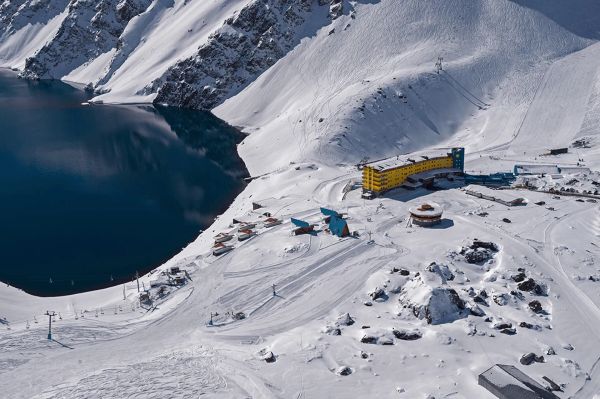
Four Dead After Avalanche Near Ski Portillo in Chile
A large avalanche struck near Laguna del Inca adjacent to Ski Portillo on Saturday afternoon, killing four people and injuring four others. The group were day visitors mountaineering in the backcountry after reportedly being warned about elevated avalanche risk by resort staff.
18 Oct 2026

Europe Ski Resorts Open Now: What Is Skiable in Mid-October 2026
Europe’s ski season is open, technically. After a record-warm summer, glaciers in Austria, Switzerland and Italy are running a few pistes apiece, Sölden, Stubai and Kitzsteinhorn started late, Titlis has pushed back to 24 October, and Zermatt reopens a few lifts on 14 October after more than two months shut. Finland’s Levi and Ruka are skiing on stored snow. Here is what is open, and what you actually get at each.
14 Oct 2026

Zermatt Plans World Cup Downhill Return on the Gornergrat for 2028
Zermatt is having another crack at a World Cup downhill, and this time nobody has to cross a border. Around 13 million Swiss francs is going into rebuilding the Gornergrat piste, including a jump fed by a roughly 300-metre in-run across the roof of the Gornergrat Railway gallery, with the Matterhorn lined up behind it for the TV cameras. First men’s race is pencilled in for March 2028, pending FIS homologation.
14 Oct 2026

Mt. Rose Begins Snowmaking for the 2026-27 Season at Lake Tahoe
Lake Tahoe’s highest base elevation is paying off early: Mt. Rose has started making snow for 2026-27 after the first flurries and a cold snap. The Nevada resort is backing it with nearly US$2 million in upgrades, including a replacement snowmaking main line, a new PistenBully groomer and restraint bars on every lift. Opening day is yet to be confirmed, though Heavenly and Northstar are already eyeing 20 November.
13 Oct 2026

Utah Ski Resorts 2026-27: What’s New at Alta, Deer Valley, Powder Mountain and More
Utah is still building flat out. For 2026-27, Powder Mountain opens a steep new Skytrac chair into more than 1,000 acres of advanced terrain, Deer Valley adds 200 acres on Hail Peak, Sundance gets a new quad and Park City adds a gondola from its new parking structure. Snowmaking is expanding almost everywhere, Eagle Point stays closed after the Cottonwood Fire, and the 2034 Games are setting the pace. Here’s what’s new, resort by resort.
13 Oct 2026

Mt Hutt Invests NZ$12 Million in Base Area, Tripling Its Sun Deck
Mt Hutt is getting busier, and its base lodge is about to catch up. NZ$12 million goes into a heated sun deck roughly three times the current size (430 m² to 1,300 m²), plus a new toilet block, heated steps down to snow level, extra storage and a new food and beverage outlet. Building starts after the 2026 season, with everything due for winter 2027.
11 Oct 2026

Vermont Ski Resort Opening Dates 2026-27: Few Dates Set, Killington Waits on the Cold
Vermont's season is slow to take shape. Stratton is tentatively targeting 18 November and Sugarbush 21 November, while Pico has Friday 11 December on the calendar. Killington never sets a date and opens when the snowmaking allows, and Vail Resorts has yet to name days for Stowe, Okemo and Mount Snow. The forecasts disagree about snow, and the main El Niño worry for the Green Mountains is warmth.
9 Oct 2026
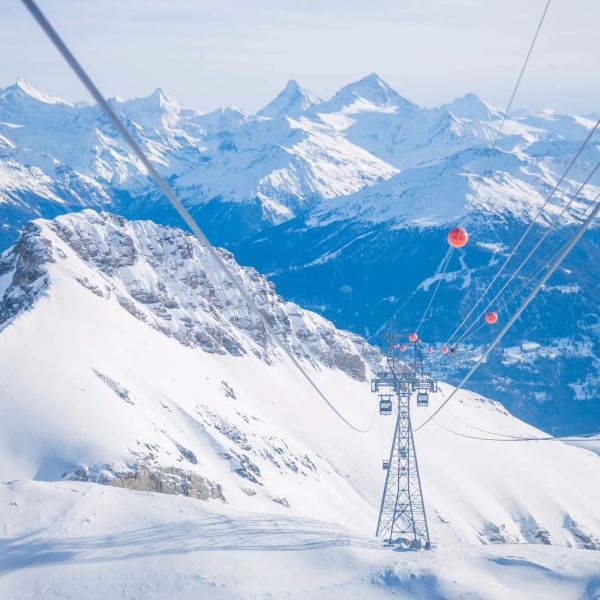
Crans-Montana 2027 World Championships President Resigns Ahead of Fraud Hearing
Less than four months out from the Crans-Montana 2027 World Championships, the man running the organising committee has stepped down. Claude-Alain Schmidhalter resigned as Swiss-Ski vice president and OC president after being indicted over a business dispute unrelated to skiing. He denies the allegations and faces court on October 27. Interim leaders are in place for the February 1-14 event.
9 Oct 2026