
The Overview
Michael Fulton
Melbourne-based skier and snowboarder with 50+ resorts across 5 continents. Specialises in Australian resorts and international resort comparisons.
Pontedilegno-Tonale spans the border of Lombardy and Trentino across four linked ski areas - Ponte di Legno, Passo Tonale, Presena Glacier and Temù - delivering 100km of pistes between 1,121m and 3,000m. The terrain climbs from forested valley runs at Ponte di Legno and Temù through the wide open snowfields of Passo Tonale and up onto the Presena Glacier, which tops out at Cima Presena at 3,069m.
The resort's signature run, the Pista Paradiso, drops 737m over 3km from Passo Paradiso at 2,585m - a north-facing black that has been drawing skiers since it opened in 1963 and holds snow from November through to mid-May. The longest descent in the ski area follows an 11km line from 3,000m at Passo Presena all the way down to the Sozzine chairlift at 1,309m - one of the lengthiest continuous descents in the Italian Alps.
The terrain profile sits firmly in intermediate territory - 60% blue, 25% red and 8% black across 41 marked runs - making the ski area particularly well suited to progressing skiers and mixed-ability groups.
A single pass covers all four zones, with an optional Skirama Dolomiti Adamello-Brenta extension adding access to Madonna di Campiglio, Folgarida-Marilleva and several other Trentino resorts. Children born after April 2016 ski free when accompanied by a paying adult.
1879m
Vertical
41
Runs
100 km
Piste
4m
Annual snow
Dolomiti Superski
Pass
The Terrain
41 runs across 100 km of piste
Ponte di Legno Tonale stitches together four areas across Lombardy and Trentino, with 100 kilometres of piste across 41 runs between 1,121 and 3,000 metres. The 1,879-metre vertical is among the biggest in Italy, running from forested valley slopes through the open Tonale amphitheatre to the Presena Glacier. Grading is mostly intermediate: 24% beginner, 60% intermediate and 16% advanced, with no expert pistes. A fleet of quad chairs, gondolas and eight-seaters keeps the network moving, and the glacier extends the season into late spring, well after lower-altitude resorts nearby have closed their lifts for the winter.
The Pista Paradiso is the one to chase: a black, north-facing run with gradients up to 45% that connects from the glacier all the way down to Ponte di Legno in a single 11-kilometre descent. Freeriders can look to the upper Val Presena, where the Cantiere itinerary is the best-known line, and guided groups will find options at various levels. Tonale has a snow park as well. Ponte di Legno Tonale suits intermediates wanting vertical and variety, progressing families and keen skiers who value snow security on a glacier.
Terrain split
41
runs
41 runs across 4 grades
Beginner10 runs · 24%
Intermediate25 runs · 60%
Advanced7 runs · 16%
Expert0 runs · 0%
Time it right
When to visit Ponte di Legno Tonale
The 2025-26 season at Pontedilegno-Tonale runs from 30 November 2025 to 3 May 2026, with the Presena Glacier typically holding skiable snow from late October and operating into late spring.
The glacier's elevation and north-facing orientation are the primary drivers of season length - Passo Tonale sits at 1,880m with reliable natural snowfall, while the glacier terrain above 2,500m preserves cold temperatures and snow quality well into April and May. The resort records average annual snowfall of 3.5 metres across the ski area, with the upper mountain receiving considerably more. Snowmaking covers the key links and valley runs.
January and February deliver the best all-mountain conditions, with all sectors fully operational and cold temperatures locking in snow quality on the north-facing Pontedilegno and Temù runs. Spring skiing on the glacier draws a dedicated crowd after the lower-altitude areas wind down, with wide open runs above 2,500m and typically uncrowded lifts.
The Presena Glacier's summer conservation programme - covering the ice surface with geotextile fabric from June to September - has been running since 2008 as a direct response to glacial retreat, and contributes to the reliability of early-season openings each autumn.
Season 2026 - 2027
21 Nov 2026
Opens
2 May 2027
Closes
162
Days open
4 m
Annual snow
Getting there
Getting to Ponte di Legno Tonale, and where to stay
Pontedilegno-Tonale occupies the upper reaches of two connected Alpine valleys: the Alta Valle Camonica in Lombardy, where Ponte di Legno (1,256m) and Temù sit along the valley floor, and the Alta Val di Sole in Trentino, accessed via Passo del Tonale at 1,883m. The two valleys meet at the pass, which serves as the geographic and logistical hub of the ski area. The surrounding peaks include Monte Adamello at 3,539m and Cima Presanella at 3,556m, with the ski area bordered to the east by Stelvio National Park - Italy's largest national park.
Milan Bergamo Airport (BGY/Orio al Serio) is the closest international gateway, approximately 95-111km from the resort depending on entry point, with a drive time of around two hours. Verona Airport (VRN) is roughly 126km to the east. From Lombardy, the standard road route follows the A4 motorway to the Ospitaletto exit near Brescia, then the SS42 up through the Val Camonica to Ponte di Legno - approximately 108km from the motorway exit. From Trentino and the north, the A22 Brennero-Modena motorway exits at San Michele all'Adige, continuing via Val di Sole to Passo Tonale, around 70km from the motorway. Train services from Brescia reach Edolo via the Trenord line, from where ski shuttles run to Ponte di Legno; from Trentino, trains reach Malè with onward bus connections to Passo Tonale. A Fly Sky Shuttle service operates from Bergamo Airport during the winter season.
Where to stay
Search all stays →Hotels and lodges near Ponte di Legno Tonale, powered by Stay22.
Latest News
From the SnowStash desk
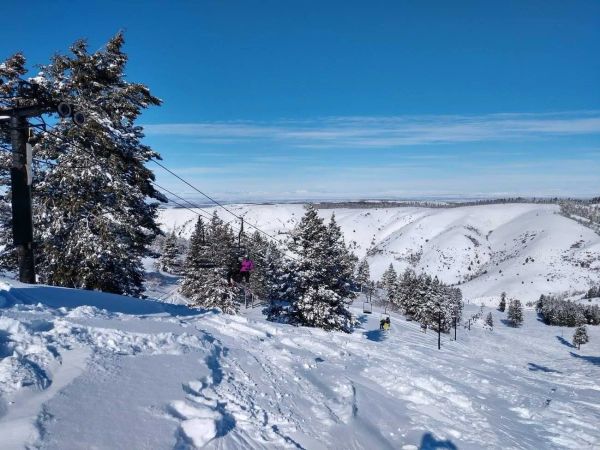
Kelly Canyon, Idaho, Adds Snowmaking, a Bigger Terrain Park and More Parking for 2026-27
Kelly Canyon had a rough 2025-26, and the Idaho resort has spent the summer making sure it doesn’t repeat. Snowmaking now reaches the top of Goldrush, the terrain park is doubling in size with a stereo system, lights and a snack shack, and the car park is getting bigger. Grooming is stepping up too. Target opening is December 4, conditions permitting.
9 Oct 2026
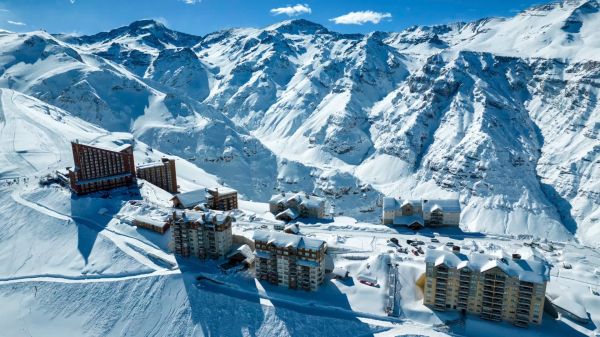
Valle Nevado Extends Season to November 8 After 108 cm in 48 Hours
Winter was meant to be winding down in Chile. Then Valle Nevado took 108 cm in 48 hours in early October, and the resort has pushed its closing date out to November 8 - its latest in 38 years of operation. That makes 143 days of skiing since opening day on June 19, with 690 cm banked for the season. Only part of the mountain is running while the storm settles, so check the mountain report before you plan a trip.
9 Oct 2026
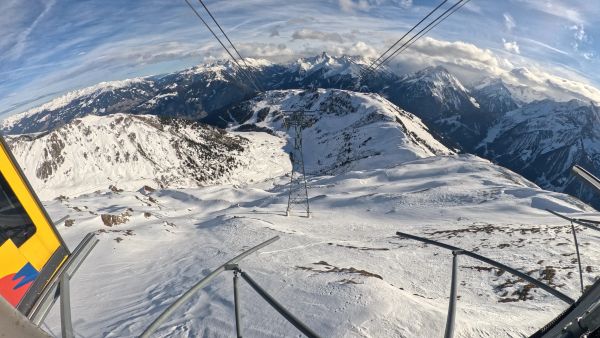
Alps Snow Forecast: Cold Front Brings Thursday Snow to the High Alps
The Alps look a lot more like winter today, for a day or so. A cold front is moving west to east, dropping up to 35 cm on high glaciers and peaks, with snow levels falling to around 1,500-1,800 m at times. Don’t plan a trip around it: mid-elevation snow will be thin and wet, every area is closed bar a limited Sölden glacier opening tomorrow, and warmer weather returns by Monday.
8 Oct 2026
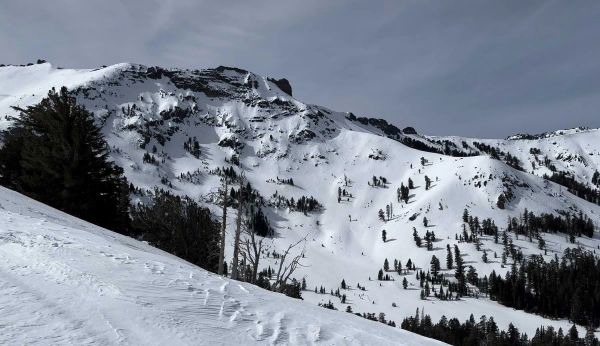
California Ski Resort Opening Dates 2026-27: Mammoth Leads, Tahoe Follows
Mammoth Mountain is first up in California, targeting Friday 13 November after a dusting of September snow. Heavenly and Northstar follow on 20 November, Palisades Tahoe on Wednesday 25 November and Sugar Bowl on 27 November, with Kirkwood on 4 December and June Mountain on 19 December. Plenty of smaller areas have no date yet. A super El Niño favours the Sierra, but a warmer storm track is the catch.
7 Oct 2026
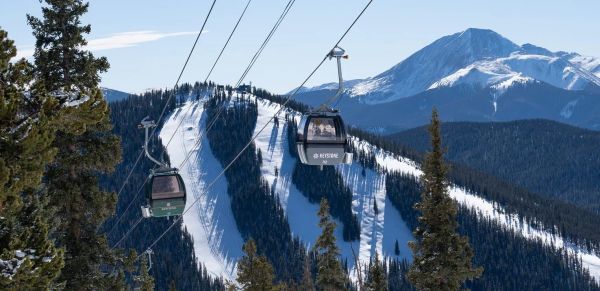
Colorado Ski Resort Opening Dates 2026-27: A-Basin and Keystone Race to Be First
Arapahoe Basin, Keystone and Winter Park are all chasing an October start, though none has a firm date yet. The first dated openers are Breckenridge and Copper on Friday 6 November, then Vail on 13 November, with most of the rest bunched around US Thanksgiving. Hesperus did not open at all last season. A super El Niño offers hope but no guarantee, and forecasters say the southern mountains have the better odds.
5 Oct 2026
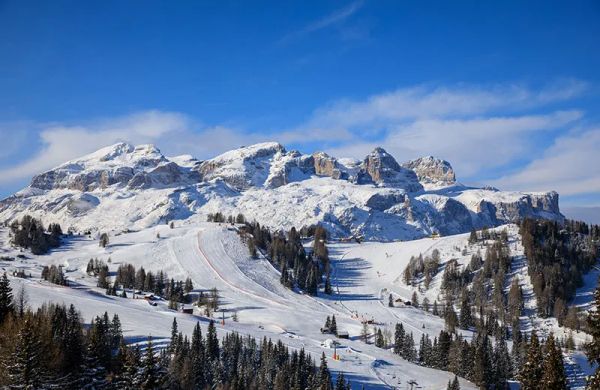
Dolomiti Superski 2026-27: Four New Gondolas, New Reservoirs and an €89 Peak Day Pass
Dolomiti Superski is spending around €100 million across its 12 areas before winter. Kronplatz gets a new 10-passenger gondola with a middle station, 3 Zinnen gets Helmissimo, and Val di Fassa swaps a chairlift for a gondola above Col Valvacin. New water-storage basins and upgraded snowmaking follow, and construction has started on the San Martino to Passo Rolle link. A peak adult day pass is €89.
4 Oct 2026
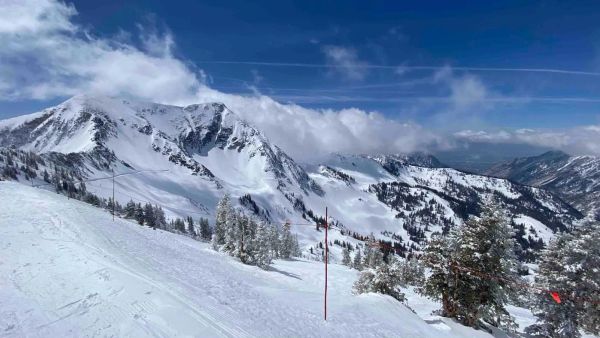
Utah Ski Resort Opening Dates 2026-27: Brian Head First, Eagle Point Out
Brian Head is targeting 6 November, though last year it aimed for 7 November and did not open until the 25th. Park City, Alta and Solitude are pencilled in for 20 November, Snowbird and Snowbasin for 27 November, and Deer Valley for 5 December. Eagle Point will stay closed after the Cottonwood Fire. A super El Niño is forecast, but the big snow is not expected until January.
4 Oct 2026
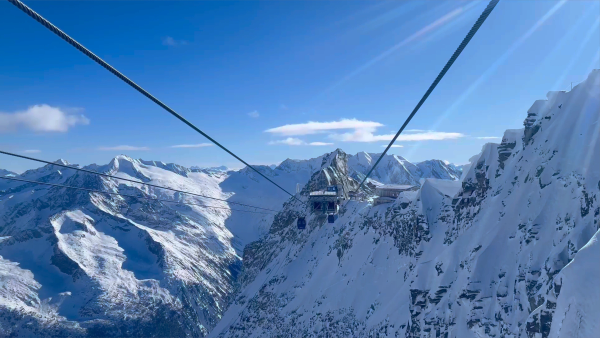
Hintertux Glacier Opens for 2026-27 With 12 Kilometres of Piste
Hintertux became Austria's second glacier to open for 2026-27 on Friday 2 October, after the Pitztal Glacier. Twelve kilometres of piste are running around the Olperer and Gefrorene Wand, served by one gondola and two drag lifts, with the Betterpark also open. Lifts officially run 8:15 am to 4:30 pm, but skiing stops at 2 pm for now.
4 Oct 2026