San Martino di Castrozza
60km of pistes in the Pale di San Martino UNESCO Dolomites, 1,404-2,357m. Dolomiti Superski pass valid. New Valcigolera gondola from 2024.

Season 2026 - 2027
Opens
28 Nov 2026
Closes
11 Apr 2027
Days open
134
Annual snow
3.3m
The Overview
Michael Fulton
Melbourne-based skier and snowboarder with 50+ resorts across 5 continents. Specialises in Australian resorts and international resort comparisons.
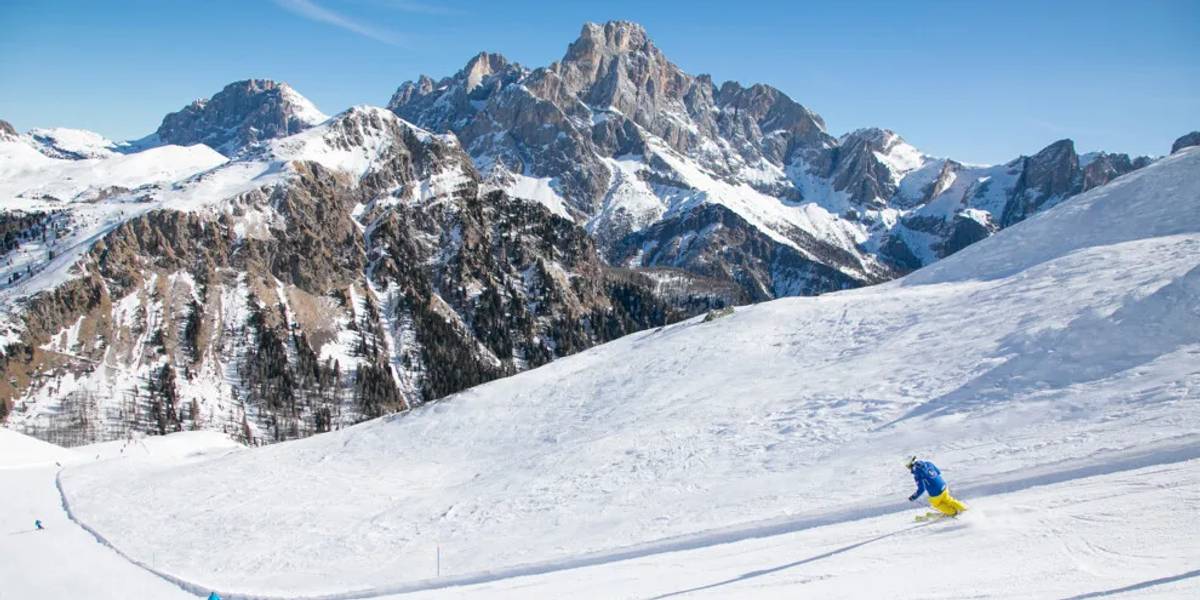
San Martino di Castrozza sits at 1,467m in a sheltered bowl in the Primiero Valley of Trentino, enclosed on three sides by the Pale di San Martino - the largest dolomitic massif in the Dolomites at 240 square kilometres. The ski area runs from 1,404m to 2,357m across 60km of pistes and 37 runs, with the terrain split across two main sectors: Tognola-Ces on the western side of the village and the Col Verde-Rosetta sector to the east, plus the separate high-altitude slopes at Passo Rolle, 9km to the north.
The terrain is predominantly intermediate - 53% blue, 20% red - with the longest descent, the Fantasia 2000, covering 5km with 934m of vertical from the upper Tognola area back toward the village. The Rosetta cable car accesses a north-facing sector at 2,357m where snow quality holds well into spring, and the off-piste descent from the Rosetta summit onto the Pale plateau is one of the more accessible powder itineraries in the southern Dolomites.
Night skiing operates on the Col Verde slope directly above the village, lit on weekend evenings. The resort carries a long competitive skiing tradition - a ski school has operated here since 1932 and today runs 100 instructors. San Martino is part of the Dolomiti Superski network, Italy's largest lift pass system, connecting 12 ski areas across more than 1,200km of pistes.
The Pale di San Martino group sits within the UNESCO Dolomites World Heritage Site and the Paneveggio-Pale di San Martino nature park. The phenomenon locals call "enrosadira" - the pink and violet glow of the limestone towers at dusk - is one of the more photographed scenes in the Italian Alps and visible from the slopes across the full ski day.
953m
Vertical
37
Runs
60 km
Piste
3.3m
Annual snow
Dolomiti Superski
Pass
The Terrain
37 runs across 60 km of piste
San Martino di Castrozza skis from 1,404 metres up to 2,357 metres on the southern edge of the Dolomites, giving a vertical of 953 metres. Across 37 runs and 60 kilometres of piste, the grading is 27% beginner, 53% intermediate and 20% advanced, with no expert-rated runs. That makes it a mid-grade mountain built around red and blue cruising rather than steeps. The area splits into three main sectors reached from the village: Tognola, Col Verde and the Rosetta plateau. Lifts include four gondolas and an aerial tram, so getting up from the centre is straightforward.
Tognola is the intermediate playground, with wide blues such as Cigolera and Tognola Uno, plus Cristiania and Rododendro for a bit more pace. Col Verde drops straight into the village and is floodlit for night skiing around the Christmas period. Rosetta sits higher and suits stronger skiers. Freeriders get three named itineraries: the easy Boschetto Tognola, Val Cigolera, and the Rosetta descent, which needs experience and a guide. San Martino suits families, progressing intermediates and anyone wanting Dolomite scenery without the crowds of the bigger valleys. Strong advanced skiers will exhaust the pistes quickly.
Terrain split
37
runs
37 runs across 4 grades
Beginner10 runs · 27%
Intermediate20 runs · 53%
Advanced7 runs · 20%
Expert0 runs · 0%
Time it right
When to visit San Martino di Castrozza
The 2025-26 season at San Martino ran from 30 November 2025 to 27 April 2026. The resort's position on the southern slopes of the Dolomites exposes it to weather systems from both the Adriatic to the south and the main Alpine chain to the north, producing average annual snowfall of 3.5 metres across the ski area. Snowmaking covers 58km of the 60km piste network, making early-season and thin-snow-year operations reliable from the village to the upper sectors.
The Rosetta sector's north-facing aspect is the resort's most snow-secure zone, holding cold temperatures and preserved snow quality through February and March when the sun-exposed lower slopes soften earlier in the day. Passo Rolle, sitting at 1,984m and exposed to the pass winds, also tends to hold snow later into spring than the main village sectors.
January and February deliver the most reliable all-mountain conditions, with the full 60km accessible and cold overnight temperatures resetting the groomed pistes each morning. The snowiest week on record is the first week of February, averaging 44cm of accumulation. March shifts toward spring conditions, with firmer morning snow on the upper runs and softer afternoons on the south-facing village slopes.
San Martino has operated a weekend shuttle service connecting Venice, Verona, Treviso, Bergamo, Milan and Trento airports and train stations to the resort throughout the winter season, making it accessible without a car for weekend visitors.
Season 2026 - 2027
28 Nov 2026
Opens
11 Apr 2027
Closes
134
Days open
3.3 m
Annual snow
The record
Historical snowfall at San Martino di Castrozza
Daily snow reports at San Martino di Castrozza go back to 1996, 31 winters on the books. Open the record to compare winters, lifts and piste.
72 cm
Snowiest day
15 Nov 2019
16 cm
This winter · 2026-27
so far
334 cm
Typical winter
average of complete seasons
Winter totals
cm
Past wintersThis winter
Getting there
Getting to San Martino di Castrozza, and where to stay
San Martino di Castrozza sits at the head of the Primiero Valley in the Province of Trento, flanked by the Pale di San Martino to the north and the Lagorai range to the south. It is the southernmost ski resort in the Dolomiti Superski network - closer geographically to Venice than to Bolzano. Passo Rolle (1,984m) lies 9km north of the village on the SS50, connecting the Primiero Valley to Val di Fiemme and the wider Dolomites road network.
Venice Marco Polo Airport is the closest major international gateway, approximately 134km to the southeast - around two hours by road via the A27 motorway to Belluno and then through Feltre and the Primiero Valley. Treviso Airport is a similar distance and travel time. Verona Catullo Airport is approximately 155km to the southwest.
From Trento, the route runs approximately 110km via the SS47 Valsugana through Borgo Valsugana and Cismon del Grappa to Primiero and San Martino - around two hours on a clear day. Approaching from Bolzano via Passo Rolle adds scenic value but also travel time, and chains or winter tyres are required on the pass road. Train services from both Trento and the Venice-Belluno line reach Feltre, from where Trentino Trasporti buses connect to Primiero and San Martino.
The village itself is compact and largely pedestrianised, with accommodation concentrated close to the Col Verde gondola base on one side and within walking distance of the Fratazza gondola departure on the other. Rifugio Tognola at mid-mountain and Malga Ces above the village are the main on-mountain dining points, both accessible by lift without descending to the valley.
Where to stay
Search all stays →Stays map loads when you scroll here
Hotels and lodges near San Martino di Castrozza, powered by Stay22.
Latest News
From the SnowStash desk
Mt Rose Aims to Open First in Tahoe on November 6
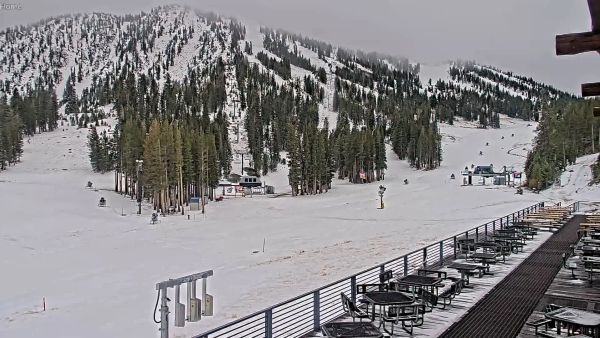
Mt Rose is going for the first-in-Tahoe title, with the Lakeview Express due to spin at 9 a.m. on Friday, November 6. One main lift, three runs and plenty of snowmaking, sitting on the highest base elevation in the region at 8,260 ft. Here is what is open, what is not (sorry, tubing fans), and how the early North American openings are stacking up.
4 Nov 2026
Europe Snow Forecast: Serre Chevalier Leads With 82 cm Over the Next 10 Days
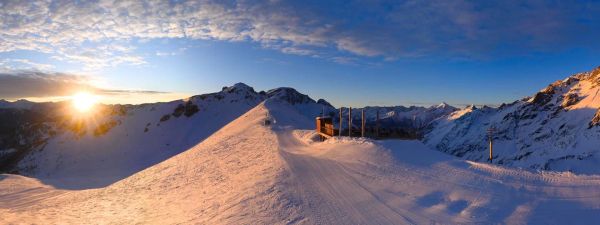
Europe has had a quiet start to November, but our 10-day forecast has Serre Chevalier on 82 cm and Les 2 Alpes on 71 cm. Two pushes are lined up: a western Alps top-up from Friday, then a bigger, wider system on Thursday, November 12 and Friday, November 13 that reaches Italy and Switzerland. Full leaderboard inside.
4 Nov 2026
Mammoth Mountain Opens Early on November 5 With Up to 33 Inches of Snow in the Forecast
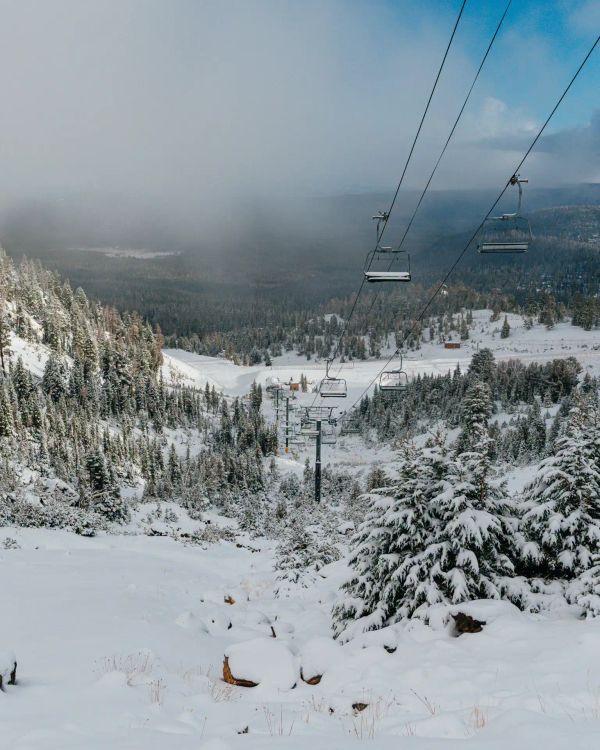
Mammoth just moved opening day forward to Thursday, November 5, eight days ahead of schedule. A snowy weekend and cold snowmaking nights did the work, and our forecast shows up to 33 inches more landing on November 13 and 14. Here is what opens, what the weather looks like and where Mammoth sits among the early Ikon Pass openers.
3 Nov 2026

Utah Snow Storm Builds Early-Season Base Ahead of November Openings
Rain down low, snow up high, and a snow report full of zeros that mostly means ‘not updated yet’. Utah’s first proper storm of 2026-27 is rolling through the Wasatch, Snowbird’s snow stake is closing in on 10 inches, and Brian Head is five days from opening day. Early November snow rarely looks like much, but it is the layer every November opening date is built on. Here is where it stands.
1 Nov 2026
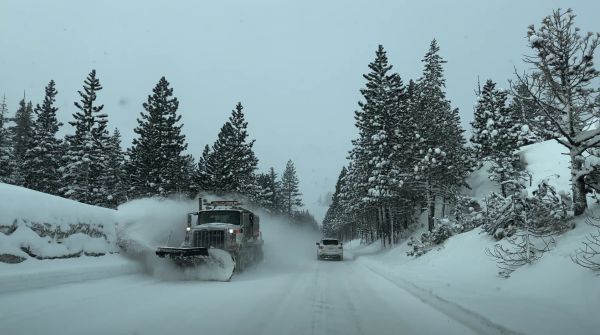
Sierra Nevada Halloween Storm: Dodge Ridge Forecast to Lead With 19 Inches
Halloween weekend brings a wet, windy storm to the Sierra Nevada. Our five-day forecast has Dodge Ridge on top with 19 in, followed by Bear Valley at 15 in and Mammoth Mountain at 12 in, with most of it landing on Saturday. A winter weather advisory covers the Tahoe Basin and Mono County until 7 AM Sunday, gusts could reach 47 mph and the freezing level swings between 4,900 and 8,700 ft, so some bases will see rain. A dry spell follows from Monday.
31 Oct 2026
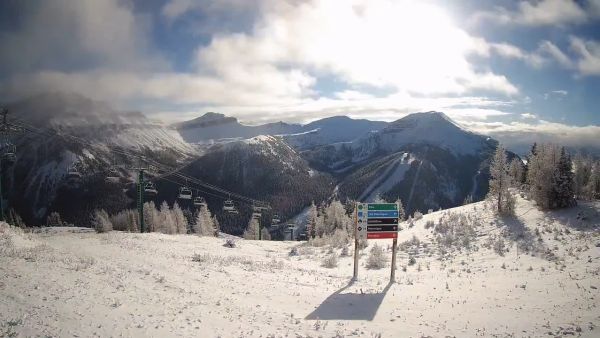
Lake Louise Opens Early on 1 November With Juniper Express and Easy Street
The Rockies get their first lift-served turns of the season early. Lake Louise opens Sunday 1 November, five days ahead of schedule, after a cold October and round-the-clock work from the snowmaking and mountain crews. Terrain is limited to Juniper Express Chair and Easy Street, with two small terrain parks and the beginner area for lessons. Opening-day tickets are over 60% off, with prices rising as more lifts open. First chair is at 9:30 am under the resort’s new lift hours.
31 Oct 2026
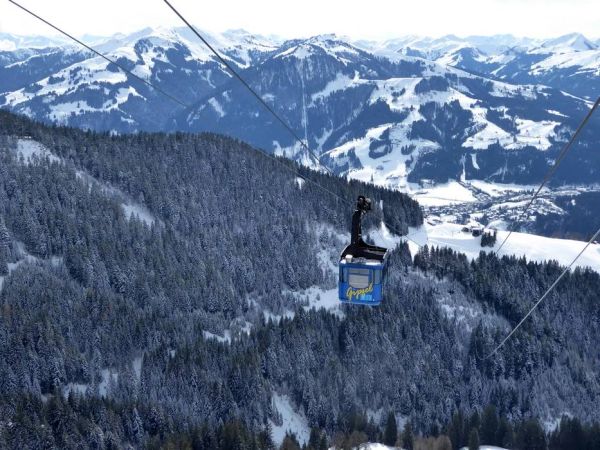
Kitzbüheler Horn Summit Cable Car to Be Replaced After 70 Years
A Tyrolean summit lift that has been carrying guests up the Kitzbüheler Horn since 1955 is on borrowed time. Its licence runs to 2045, but a new inspection rule has made refurbishment uneconomic, so Bergbahn AG Kitzbühel will spend around €15 million on a replacement on the same line. It should hold roughly 100 people and keep running in winds that would stop today’s lift. Building starts in autumn 2027, which makes this winter and next summer the last chances to ride the old one.
30 Oct 2026
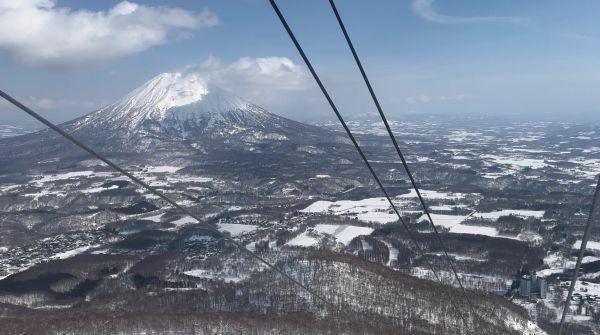
What’s New in Japan Skiing This Winter: Niseko Gondola, a Private Resort and a Bigger Ikon Pass
Niseko Village is replacing a lift from the early 1980s with an eight-person gondola, Tsugaike gets a six-person chairlift, Madarao joins the Ikon Pass and Togari opens Asia’s first private ski resort. Here’s what is actually new in Japan skiing for 2026/27, plus what is still a year or two away.
30 Oct 2026
San Martino di Castrozza Snow Report
Snow Report
Updated 6 Nov 2026
2357m
summit
+0cm
new snow · last 24 hours
Overcast-1°C / 6°C · E 8km/h
Snowfall
24 hours
0cm
48 hours
0cm
7 days
1cm
Base depth
0cm
Season total
16cm
Typical winter 334cm
Total lifts24
Live open status isn’t available right now.
28 Nov 2026 - 11 Apr 2027
Hour by Hour
Next 45 hours· Updated Nov 6, 2026 at 5:02 PM
Scroll for the full outlook · Open-Meteo
7-Day Outlook
2,166 mUpdated Nov 6, 2026 at 5:02 PMOpen-Meteo
Days 1–7
1.1cm
Days 8–14
2.5cm
Fri, Nov 6
Slight Snow
Temp6° / -1°°C
Snow0.2cm(15%)
Wind8 km/h E
Live snow from the resort feed; forecast from Open-Meteo, via Supabase.
Understanding the San Martino di Castrozza snow report
See what's happening on the mountain at San Martino di Castrozza right now — snowfall, snow depth, and weather data to help you plan your day in Italy.
Snow measurements
Our snow reports measure snowfall in centimeters over multiple time windows — last 24 hours, last 7 days, and the season total. Base depth reflects accumulation at the 1404m base area, while summit depth captures conditions 953m higher at 2357m, where snow typically stays colder and lingers longer. Imperial conversions are shown alongside for convenience.
Weather conditions
Current weather conditions affect snow quality. Cold temperatures with low wind typically preserve snow quality, while warm temperatures or rain can impact conditions negatively — something worth watching closely at San Martino di Castrozza's 1404m base elevation, where temperatures run milder than the summit.
Data sources
Snowfall and depth figures for San Martino di Castrozza come from official mountain sources; weather and outlook data comes from independent forecasting services. The mountain is served by 24 lifts, including an aerial tram and a 8-person chairlift.
When to check
The biggest swings usually happen right after a storm. Check San Martino di Castrozza's report in the morning for the freshest numbers, and again in the afternoon as conditions evolve.