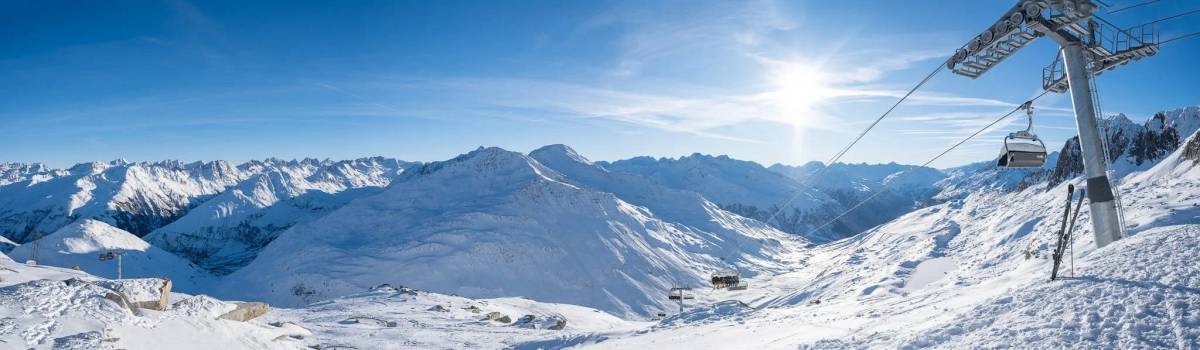
Andermatt
101km of piste, 2,961m summit, 1,517m vertical. Central Switzerland's largest ski area with Epic Pass access.

Current Conditions→
Season 2026 - 2027
Opens
14 Nov 2026
Closes
18 Apr 2027
Days open
155
Annual snow
6.5m
The Overview
Michael Fulton
Melbourne-based skier and snowboarder with 50+ resorts across 5 continents. Specialises in Australian resorts and international resort comparisons.
Andermatt spans 1,444 to 2,961 metres elevation across 101 kilometres of piste accessed via 21 lifts serving 43 marked runs. The vertical drop of 1,517 metres ranks amongst the largest in Switzerland, with the north-facing Gemsstock delivering descents that hold powder for days after storms. Annual snowfall averages 8 metres, concentrated at high elevation where the Gurschenfirn glacier ensures snow reliability from mid-November through April. Andermatt joined the Epic Pass network in 2023, offering unlimited access to passholders and solidifying its position as central Switzerland's largest ski area.
Terrain splits 26 per cent beginner, 50 per cent intermediate, 17 per cent advanced and 7 per cent expert across two distinct sectors. The Gemsstock side provides steep blacks and freeride terrain from the 2,961-metre summit, including the Bernhard Russi Run and marked routes into the Felsental. Across the valley, the Nätschen-Gütsch-Oberalppass corridor offers sun-soaked cruisers and the family-friendly KidsArena Matti at mid-station. Ski lifts link directly to Sedrun since 2018, creating a continuous 10-kilometre ski connection over Oberalppass.
The base village sits at 1,437 metres in the Urseren Valley where the Reuss River flows beneath the St Gotthard Massif. Andermatt retains its historic military-town character with cobbled streets and traditional architecture, now complemented by contemporary hotel developments on former army land. The Matterhorn Gotthard Bahn station integrates with lift infrastructure via underground passages, and weekend crowds from Zurich can queue at the Gemsstock cable car. Four webcams monitor conditions from Gemsstock summit to valley base.
Full Epic Pass provides unlimited skiing at Andermatt-Sedrun-Disentis with access extending to neighbouring Disentis via lift pass and optional Matterhorn Gotthard Bahn train upgrade. The resort runs from 16 November through 21 April, with Gemsstock often extending into May on weekends. Terrain and infrastructure suit confident intermediates and expert freeriders best, whilst beginners face limited nursery options beyond Nätschen. Pricing starts at CHF 89 for advance-purchase day tickets, with children under six skiing free.
1517m
Vertical
43
Runs
101 km
Piste
6.5m
Annual snow
Epic Pass
Pass
The Terrain
43 runs across 101 km of piste
Gemsstock rises to 2,961 metres above the old garrison town of Andermatt, and the mountain around it is the most serious high-alpine terrain in this part of Switzerland. The area covers 101 kilometres of piste across 43 runs, with 1,517 metres of vertical from the 1,444-metre base. Grades skew harder than most Swiss areas of this size: 26% beginner, 50% intermediate, 17% advanced and 7% expert. Snow averages 8 metres a year, among the highest figures in this batch. The mountain has two characters: Gemsstock is steep and exposed, while the Nätschen and Gütsch side is sunnier and far more forgiving.
Gemsstock is the draw for experts. The Bernhard Russi Run drops from the summit over the Gurschen glacier to the mid-station, and the mountain is known for powder lines such as the Felsental, Giraffe, Guspis and Geissberg. These are unpatrolled backcountry descents and call for a guide, avalanche gear and a careful read of conditions. Nätschen and Gütsch handle novices and intermediates, and the connection continues towards Sedrun over the Oberalp pass. Strong intermediates, advanced skiers and freeriders get the most from it, while beginners are better off staying on the sunny side.
Terrain split
43
runs
43 runs across 4 grades
Beginner11 runs · 26%
Intermediate22 runs · 50%
Advanced7 runs · 17%
Expert3 runs · 7%
Time it right
When to visit Andermatt
Andermatt operates from 16 November 2025 through 21 April 2026, with Gemsstock often extending weekend operations into early May due to its north-facing aspect and glacier terrain. This 22-week season ranks amongst Switzerland's longest, benefiting from the resort's position near the main Alpine divide where storms from Atlantic and Mediterranean systems converge. Pre-season weekends at Disentis begin late November before full area opening mid-December. The Matterhorn Gotthard Bahn provides year-round rail access even when passes close.
Annual snowfall averages 8 metres with peak accumulation January through March, though reported seasonal totals vary by source from 4.4 to 5 metres depending on measurement location. The second week of January typically delivers the snowiest conditions with 49 centimetres falling across 3.6 snowy days. The Gemsstock's north-facing orientation preserves powder quality well into April above 2,400 metres, whilst lower elevations benefit from extensive snowmaking. Current season data shows 408 centimetres total snowfall with 120-centimetre base depth.
December offers quiet slopes and festive atmosphere before holiday crowds arrive, whilst January delivers cold temperatures and optimal powder conditions across all elevations. February brings half-term family visitors and busier weekends, particularly on the Nätschen beginner terrain. March and April provide longer daylight, softer snow and milder temperatures ideal for intermediates and spring skiing on Gemsstock's sustained vertical. The Oberalppass and Sedrun sectors receive more sunshine than the shadowed Gemsstock base.
New Year's Eve celebrations take place at mountain restaurants including Nätschen, Gütsch and Gurschen with extended sledging until 12:30am. Weekly Snownight Sedrun runs Thursdays with floodlit pistes between Dieni and Milez. The resort hosts freeride events including King of the Mountain competition, whilst the Avalanche Training Centre at Gurschen offers safety courses. Premium day pricing reaches CHF 99 during peak periods, with advance purchase reducing costs to CHF 89.
Season 2026 - 2027
14 Nov 2026
Opens
18 Apr 2027
Closes
155
Days open
6.5 m
Annual snow
The record
Historical snowfall at Andermatt
Daily snow reports at Andermatt go back to 1996, 31 winters on the books. Open the record to compare winters, lifts and piste.
63 cm
Snowiest day
4 Apr 2019
73 cm
This winter · 2026-27
so far
647 cm
Typical winter
average of complete seasons
Winter totals
cm
Past wintersThis winter
Getting there
Getting to Andermatt, and where to stay
Andermatt occupies the Urseren Valley floor at 1,437 metres in Uri canton, positioned where the St Gotthard, Oberalp and Furka passes converge beneath the St Gotthard Massif. The village sits 28 kilometres south of Altdorf, Uri's capital, surrounded by the Lepontine Alps with the Reuss River flowing north through the dramatic Schöllenen Gorge. Three Alpine passes link in all directions - Oberalp at 2,044 metres east to Graubünden, St Gotthard at 2,106 metres south to Ticino, and Furka at 2,436 metres west to Valais. This crossroads position has shaped Andermatt's role as a transit hub since medieval times.
The nearest substantial town is Göschenen 7 kilometres north down the Reuss Valley, whilst Altdorf lies 28 kilometres away on Lake Lucerne's southern shore. Hospental sits 3 kilometres east, and Realp 8 kilometres up-valley. Disentis in Graubünden lies 25 minutes east by train, now lift-linked via Sedrun since 2019. The Glacier Express scenic railway stops at Andermatt connecting Zermatt to St Moritz, whilst the historic Gotthard route passes directly beneath via the 15-kilometre rail tunnel opened 1882.
Road access follows the A2 motorway from Zurich through the Gotthard tunnel, with the Andermatt exit requiring 90 minutes' drive covering 120 kilometres. Munich lies 4 hours north via A2 and German motorways, Milan 2 hours south through the Gotthard or San Bernardino tunnels covering 185-195 kilometres. The Oberalp, Furka and St Gotthard passes close November through May, leaving tunnel routes as winter access. Parking at Gemsstock base costs CHF 30 per night for hotel guests.
Zurich Airport sits 117 kilometres north with train connections requiring 2 hours 17 minutes minimum via Zurich Hauptbahnhof and Göschenen, though typical journey time reaches 2.5-3 hours with transfers. Milan Malpensa Airport lies 195 kilometres south with 2-hour drive times or train connections via Bellinzona. Basel Airport serves as an alternative 2.5 hours northwest. The private airfield at Buochs sits 45 minutes north with a 2,000-metre runway. SBB operates hourly trains from Göschenen with 10-minute journey times, whilst the Matterhorn Gotthard Bahn provides direct service from Brig, Visp and Disentis.
Where to stay
Search all stays →Stays map loads when you scroll here
Hotels and lodges near Andermatt, powered by Stay22.
Latest News
From the SnowStash desk

Val Gardena to Alpe di Siusi Lift Link Back in Play After Court Ruling
The Val Gardena-Alpe di Siusi lift link isn’t dead after all. A South Tyrol court has overturned Santa Cristina’s rejection of the new Monte Pana-Saltria link on procedural grounds, after the council skipped required public information sessions. Opponents want the missing sessions held and a fresh vote, and nothing has been approved. For now it’s still a bus between the two, but a plan first floated in 2017 is back in the conversation.
8 Nov 2026
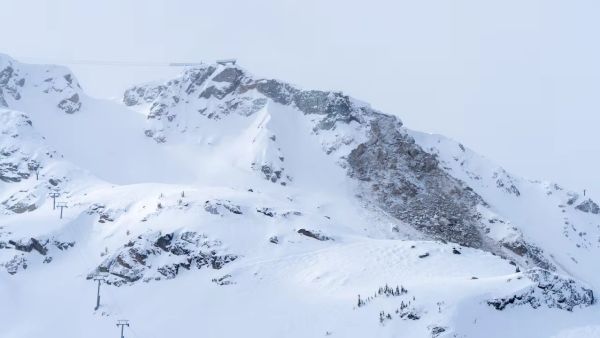
Whistler Blackcomb Rockslide Zone Stays Closed Through 2026-27 Season
A section of Whistler Peak terrain will stay closed all 2026-27 season, Vail Resorts has confirmed, with rockslide mitigation work continuing into summer 2027. Peak Express is still expected to run this winter, but locals are already arguing about what’s actually off limits, whether the Whistler Bowl is gone, and why the news landed after pass sales wound down. Here’s where things stand.
7 Nov 2026
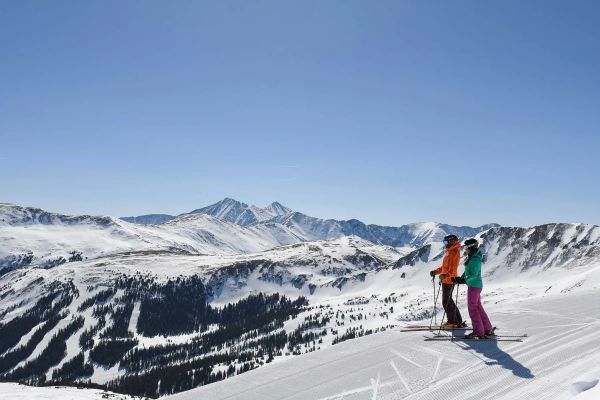
Loveland Ski Area Opens for 2026-27 and Marks 60 Years of Snowmaking
Loveland is open. The Colorado ski area started Chet’s Dream turning on Saturday 7 November to kick off 2026-27, with $60 adult lift tickets to mark 60 years of snowmaking. Expect three runs, nearly 1,000 vertical feet (about 300 metres) of top-to-bottom skiing, live music on the Basin Patio and no beginner terrain yet. Here’s what’s open, what it costs and when Loveland Valley follows.
7 Nov 2026
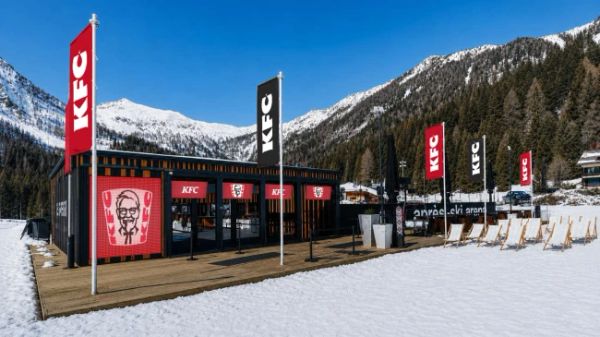
KFC Is Coming to the Slopes at Cortina and Madonna di Campiglio
Fried chicken is heading up the Dolomites. From 5 December KFC will run two restaurants on the slopes - one at 2,123 metres at Cortina, one at 1,700 metres at Madonna di Campiglio - and the polenta-and-canederli crowd has opinions. Local politicians, conservation groups and plenty of Facebook commenters are calling it a step too far, while others just want a cheaper lunch. Here’s what’s on the menu and what’s the fuss.
5 Nov 2026

Mt Rose Aims to Open First in Tahoe on November 6
Mt Rose is going for the first-in-Tahoe title, with the Lakeview Express due to spin at 9 a.m. on Friday, November 6. One main lift, three runs and plenty of snowmaking, sitting on the highest base elevation in the region at 8,260 ft. Here is what is open, what is not (sorry, tubing fans), and how the early North American openings are stacking up.
4 Nov 2026

Europe Snow Forecast: Serre Chevalier Leads With 82 cm Over the Next 10 Days
Europe has had a quiet start to November, but our 10-day forecast has Serre Chevalier on 82 cm and Les 2 Alpes on 71 cm. Two pushes are lined up: a western Alps top-up from Friday, then a bigger, wider system on Thursday, November 12 and Friday, November 13 that reaches Italy and Switzerland. Full leaderboard inside.
4 Nov 2026

Mammoth Mountain Opens Early on November 5 With Up to 33 Inches of Snow in the Forecast
Mammoth just moved opening day forward to Thursday, November 5, eight days ahead of schedule. A snowy weekend and cold snowmaking nights did the work, and our forecast shows up to 33 inches more landing on November 13 and 14. Here is what opens, what the weather looks like and where Mammoth sits among the early Ikon Pass openers.
3 Nov 2026

Utah Snow Storm Builds Early-Season Base Ahead of November Openings
Rain down low, snow up high, and a snow report full of zeros that mostly means ‘not updated yet’. Utah’s first proper storm of 2026-27 is rolling through the Wasatch, Snowbird’s snow stake is closing in on 10 inches, and Brian Head is five days from opening day. Early November snow rarely looks like much, but it is the layer every November opening date is built on. Here is where it stands.
1 Nov 2026
Andermatt Webcams
4 live angles across the mountain. Tap any camera to go full-screen.
About Andermatt's live webcams
Check live conditions across Andermatt with 4 real-time webcams showing snow, weather, and lift operations, updated every 10 minutes. Check high-elevation cams for powder visibility and base-area cams for crowd levels before you head up.
Camera guide
- Gemsstock Summit2961m
- This Andermatt webcam, situated at the peak of Gemsstock, offers a sweeping view of the entire ski resort and the majestic surrounding Swiss Alps.
- Andermatt Village1810m
- Looking down on the Andermatt village from high in the resort.
- Nätschen-Gütsch Area1842m
- Get a live look at the family-friendly slopes of Nätschen-Gütsch with this Andermatt webcam. Perfect for checking conditions on the gentler terrain.
- Webcam Andermatt Gütsch2344m
- Looking down from the summit of the Gütsch region at Andermatt ski area.
Andermatt snow cams FAQ
How often do Andermatt snow cams update?
All Andermatt snow cams and webcams update every 10 minutes with fresh images showing current mountain conditions. This frequent update schedule ensures you have access to near real-time conditions for planning your ski day at Andermatt.
Which Andermatt webcam shows the best powder conditions?
The high-elevation Gemsstock Summit webcam at 2,961m provides the clearest view of powder conditions and snowfall. These Andermatt webcams capture fresh snow accumulation and visibility better than base area cameras.
Can I see Andermatt lift queues on the webcams?
Yes. Multiple Andermatt snow cams specifically show lift queue areas and chairlift operations, helping you time your arrival and avoid peak queue periods.
When is the best time to check Andermatt snow cams?
Check Andermatt webcams early morning (7-8am) for overnight snowfall assessment, and mid-afternoon for current crowd levels and weather. The live cams are most useful after storm events to assess fresh powder.
How can I check current conditions before buying Andermatt lift tickets?
Use our Andermatt webcams alongside the live snow report to assess conditions before purchasing lift tickets. The webcams show real-time visibility, snow quality, and operational status.
Do Andermatt webcams work on mobile devices?
Yes. All Andermatt snow cams and webcams are optimized for mobile viewing, so you can check live conditions from anywhere using your phone or tablet.
More Andermatt intelligence: snow report, lift tickets, trail map, resort overview.