Leysin
60km of pistes, 948m vertical, 72% beginner terrain. South-facing slopes in Canton Vaud with Magic Pass access.
Season 2026 - 2027
Opens
28 Nov 2026
Closes
11 Apr 2027
Days open
134
Annual snow
1.9m
The Overview
Michael Fulton
Melbourne-based skier and snowboarder with 50+ resorts across 5 continents. Specialises in Australian resorts and international resort comparisons.
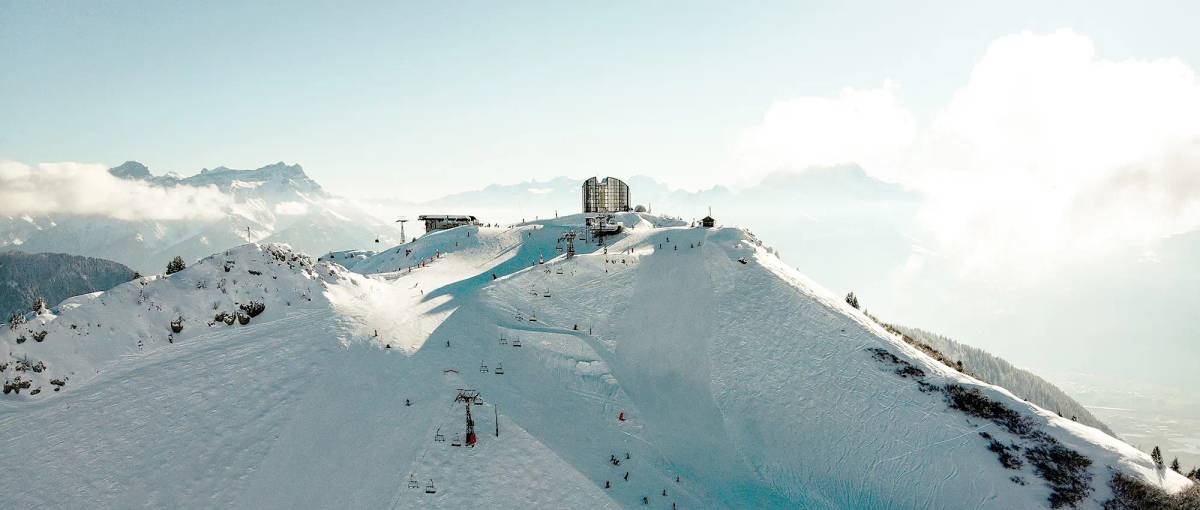
Leysin operates from 1,250 to 2,198 metres across 60 kilometres of pistes and 948 metres of vertical drop in the Vaud Alps. The resort combines with Les Mosses and La Lécherette via shuttle bus to form a 100-kilometre ski area. Snowmaking covers a portion of the terrain, whilst the south-facing slopes deliver 1,900 hours of annual sunshine. Magic Pass holders access the full network without additional day tickets.
Beginner terrain dominates with 72 per cent of marked runs, leaving 25 per cent for intermediates and three per cent rated advanced. The ski area fans across two main sectors accessed from Leysin village: the Berneuse gondola serves wide upper slopes and tree-lined descents, whilst the Tête d'Aï chairlift opens terrain towards the 2,331-metre Tour d'Aï peak. Les Chaux and La Berneuse rank among the most frequented descents. Off-piste routes from La Berneuse at 2,048 metres attract experienced riders.
Leysin hosts several international boarding schools and maintains a youthful, diverse atmosphere on the mountain. The Kuklos revolving restaurant at 2,048 metres completes a 360-degree rotation in 90 minutes with views across Lake Geneva, Mont Blanc, the Matterhorn and the Eiger. Terrain parks traditionally featured half-pipes and jump lines, though conditions vary seasonally. The village sprawls across a sunny plateau at 1,260 metres above the Rhone Valley.
The Alpes Vaudoises regional pass extends access to Villars, Gryon, Les Diablerets and Glacier 3000, covering more than 225 kilometres of terrain within a 30-minute radius. The 2025-26 season runs from 7 December to 6 April. Leysin suits learners, families and intermediates seeking accessible Swiss skiing without the scale or price point of larger resorts. Limited expert pistes and moderate elevation require attention to snow forecasts in marginal conditions.
948m
Vertical
0
Runs
60 km
Piste
1.9m
Annual snow
The Terrain
0 runs across 60 km of piste
Leysin offers 60 kilometres of piste above the Rhône valley, dropping 948 metres from 2,198 metres to a village base at 1,250 metres. The terrain is gentle, at 72% beginner, 25% intermediate and 3% advanced, with no expert runs. One gondola, a six-seat chair, four quads and two double chairs carry the traffic, and the south-facing slopes soak up plenty of sun. It is a straightforward area to read, with few surprises for anyone arriving from a flatter ski background, and a handy base for learners who want views and space.
The area splits into the Berneuse and Tête d'Aï sectors, both reached from the village, and the Berneuse summit looks across the Rhône valley, with the revolving Kuklos restaurant a handy lunch stop. A shuttle bus connects to Les Mosses and La Lécherette, and the Alpes Vaudoises passes stretch the range further for those who buy them. Steep skiing is scarce, though some off-piste leaves the Berneuse ridge for experienced riders. Families, beginners and intermediates after relaxed cruising in the Vaud Alps will get the most from a stay.
Terrain split
0
runs
0 runs across 4 grades
Beginner0 runs · 72%
Intermediate0 runs · 25%
Advanced0 runs · 3%
Expert0 runs · 0%
Time it right
When to visit Leysin
The 2025-26 season operates from 7 December 2025 to 6 April 2026, spanning four months. Typical opening lands in early December, with closures extending into mid-April depending on snow cover. Historical records show opening dates as early as late November in strong snow years. Late and early season quality suffers due to the 1,250-metre base elevation and south-facing exposure.
Annual snowfall averages 4.3 metres, with week two of December historically the snowiest period, delivering 40 centimetres across 3.4 snowy days. February provides the deepest mid-season base, averaging 145 centimetres at summit elevation and 40 centimetres at the base. Snowmaking equipment covers five kilometres of priority runs with 68 snow cannons, focusing on lower slopes and high-traffic zones. Natural accumulation remains the primary source, with elevation and aspect influencing reliability.
January through March offer the most consistent conditions, with February delivering peak depth and cold temperatures. December suits early-season visitors willing to accept limited terrain, whilst March combines longer daylight and spring snow with the resort's famed sunshine. Weekday skiing avoids the school groups and weekend crowds that frequent Leysin due to its proximity to international schools. Midweek visits in January and February provide the best balance of snow quality and empty pistes.
Night skiing operates on floodlit slopes near the village, with tobogganing open from 10:00 to 20:00. The Giant X Tour snowboard and ski event finals traditionally occur at Leysin. Terrain park features remain condition-dependent, with recent seasons seeing closures in January. Cross-country trails extend 10 kilometres within the immediate area, with 39 kilometres across the broader region. The resort officially holds Swiss Tourism Federation family-friendly certification since 2001.
Season 2026 - 2027
28 Nov 2026
Opens
11 Apr 2027
Closes
134
Days open
1.9 m
Annual snow
The record
Historical snowfall at Leysin
Daily snow reports at Leysin go back to 2017, 10 winters on the books. Open the record to compare winters, lifts and piste.
100 cm
Snowiest day
11 Dec 2021
37 cm
This winter · 2026-27
so far
191 cm
Typical winter
average of complete seasons
Winter totals
cm
Past wintersThis winter
Getting there
Getting to Leysin, and where to stay
Leysin sits in the Aigle district of Canton Vaud at 1,260 metres on a south-facing plateau above the Rhone Valley. The village occupies a natural terrace beneath the Tour d'Aï massif at 2,331 metres, with views extending across Lake Geneva to the Dents du Midi, Mont Blanc and the Bernese Alps. The Grande-Eau river runs through the valley below. Leysin forms part of the Vaud Alps in western Switzerland, positioned at the eastern end of Lac Léman.
Aigle lies 14 kilometres downhill in the Rhone Valley, serving as the primary rail hub and connecting point for regional trains. Montreux sits 20 kilometres west along the lake shore, nine minutes by train from Aigle. Lausanne is 45 kilometres northwest, whilst Geneva sits 97 kilometres west. The resort village itself spreads across three kilometres of mountainside with hamlets at Veyges, Feydey, Aï and Mayen. Several international schools and former sanatorium buildings occupy the lower slopes.
Road access follows the cantonal route from Aigle via Le Sépey, climbing through switchbacks to Leysin village. From Geneva, the A1 and A9 motorways connect via exit 17 at Aigle, with total drive time of 90 minutes covering 97 kilometres. Bern lies 120 minutes northeast via the A12 to Lausanne, then A9 towards Montreux. The route passes vineyards in the Chablais wine region and Aigle Castle. Parking concentrates near lift bases.
Geneva Airport is 122 kilometres west with transfers averaging 90 minutes by road or two hours 18 minutes by train via Aigle. Bern Airport sits two hours away, Zurich 150 minutes. Direct Swiss Federal Railway trains from Geneva to Aigle depart hourly, taking 80 minutes. The Aigle-Leysin cog railway climbs to the resort in 27 minutes, stopping at Leysin Village, Versmont and Leysin-Feydey stations. Trains run hourly at 56 minutes past. Free shuttle buses 170 and 171 link stations to gondola terminals.
Where to stay
Search all stays →Hotels and lodges near Leysin, powered by Stay22.
Latest News
From the SnowStash desk
Sierra Nevada Halloween Storm: Dodge Ridge Forecast to Lead With 19 Inches
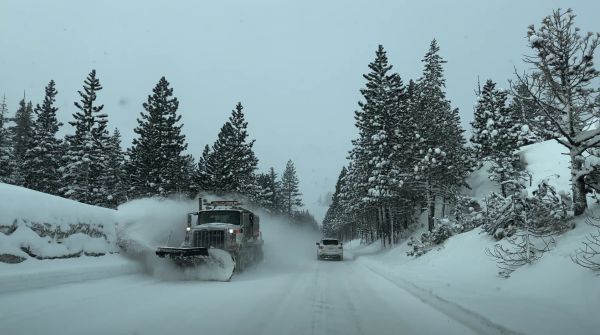
Halloween weekend brings a wet, windy storm to the Sierra Nevada. Our five-day forecast has Dodge Ridge on top with 19 in, followed by Bear Valley at 15 in and Mammoth Mountain at 12 in, with most of it landing on Saturday. A winter weather advisory covers the Tahoe Basin and Mono County until 7 AM Sunday, gusts could reach 47 mph and the freezing level swings between 4,900 and 8,700 ft, so some bases will see rain. A dry spell follows from Monday.
31 Oct 2026
Lake Louise Opens Early on 1 November With Juniper Express and Easy Street
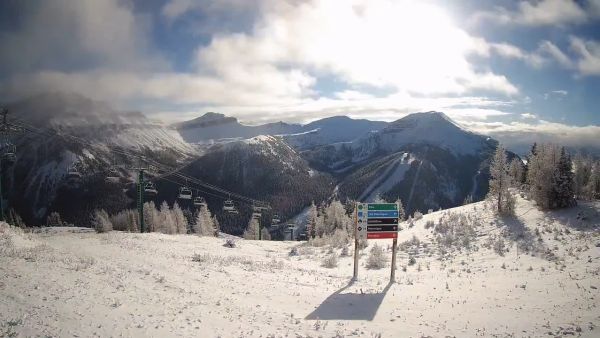
The Rockies get their first lift-served turns of the season early. Lake Louise opens Sunday 1 November, five days ahead of schedule, after a cold October and round-the-clock work from the snowmaking and mountain crews. Terrain is limited to Juniper Express Chair and Easy Street, with two small terrain parks and the beginner area for lessons. Opening-day tickets are over 60% off, with prices rising as more lifts open. First chair is at 9:30 am under the resort’s new lift hours.
31 Oct 2026
Kitzbüheler Horn Summit Cable Car to Be Replaced After 70 Years
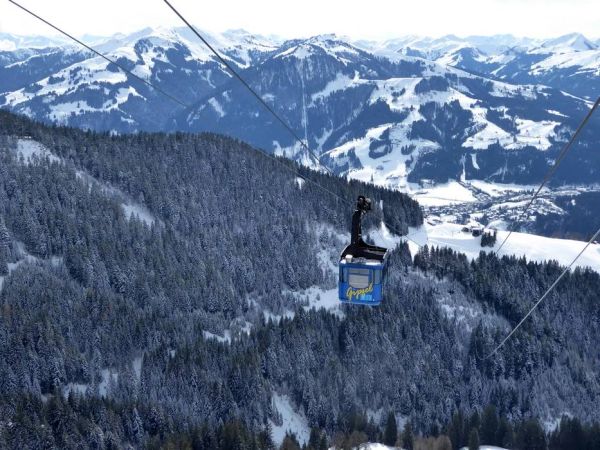
A Tyrolean summit lift that has been carrying guests up the Kitzbüheler Horn since 1955 is on borrowed time. Its licence runs to 2045, but a new inspection rule has made refurbishment uneconomic, so Bergbahn AG Kitzbühel will spend around €15 million on a replacement on the same line. It should hold roughly 100 people and keep running in winds that would stop today’s lift. Building starts in autumn 2027, which makes this winter and next summer the last chances to ride the old one.
30 Oct 2026
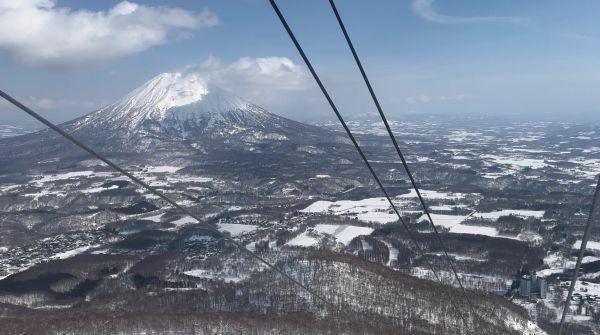
What’s New in Japan Skiing This Winter: Niseko Gondola, a Private Resort and a Bigger Ikon Pass
Niseko Village is replacing a lift from the early 1980s with an eight-person gondola, Tsugaike gets a six-person chairlift, Madarao joins the Ikon Pass and Togari opens Asia’s first private ski resort. Here’s what is actually new in Japan skiing for 2026/27, plus what is still a year or two away.
30 Oct 2026
Wolf Creek Opens on Halloween Weekend as Colorado’s Early Season Gathers Pace
Colorado’s early-season dominoes keep falling. Arapahoe Basin opened on Wednesday, Keystone follows on Friday, and now Wolf Creek is joining in on Saturday 31 October, just in time for Halloween. A storm on 23 and 24 October left 20 inches of natural snow in the San Juans, and three lifts will turn from 9:00 am, covering about 30% of the mountain. Expect rocks, unmarked obstacles and open water, but also Local Appreciation lift tickets at $73 for adults.
30 Oct 2026
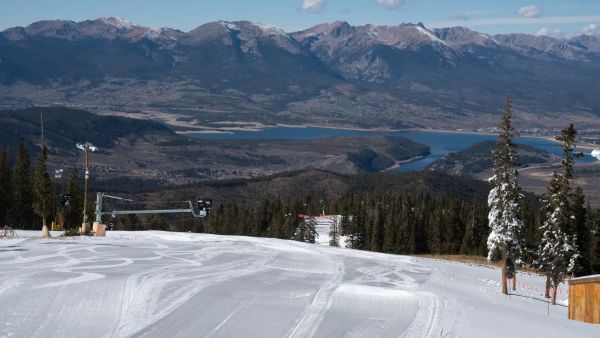
Keystone Resort Opens for 2026/27 With More Than Two Miles of Skiing
Keystone is next. After Arapahoe Basin claimed the first chairlift skiing of the season on Wednesday, Keystone opens on Friday 30 October at 9:00 am with more than two miles of snowmaking-built terrain on Schoolmarm and Silver Spoon, plus free donuts, coffee and a live DJ. Last year the order was reversed, when Keystone squeezed in a three-hour afternoon session to beat A-Basin by a day. Snowmaking has been running since 15 October.
29 Oct 2026
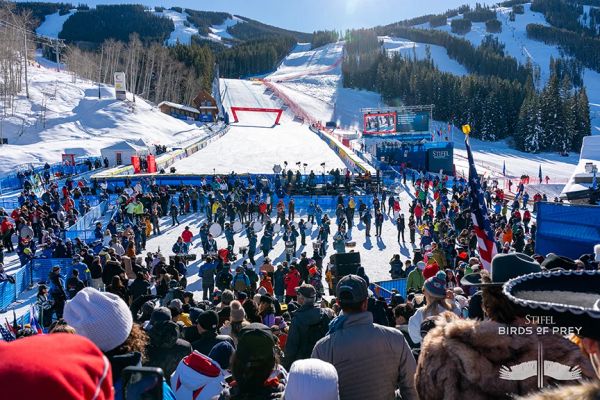
Beaver Creek Installs 16 Automated Snow Guns on Birds of Prey Ahead of Record World Cup
Beaver Creek is getting ready for the biggest Birds of Prey ever, and this time it is not leaving the snow to chance. Crews started making snow on 27 October with 16 newly installed automated guns on the lower third of the course, after last December’s warm spell forced a downhill off the schedule. Seven races across two weekends run from 3 to 13 December, the most the course has hosted since its 1997 debut, and the guns start themselves whenever the weather allows.
29 Oct 2026
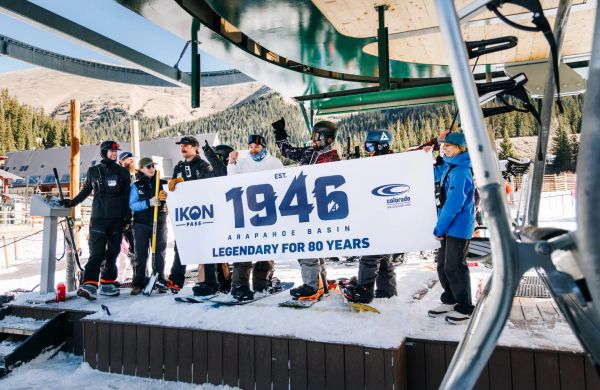
Arapahoe Basin Opens First for North America’s 2026/27 Ski Season
Winter has officially started in North America, and it is one blue run long. On Wednesday 28 October, Arapahoe Basin fired up the Black Mountain Express at around 10:30 am after a surprise announcement just hours earlier, becoming the first major North American resort open for 2026/27. Cold nights, a dusting of natural snow and a lot of snowmaking made it happen in the resort’s 80th winter. More terrain is promised as the snow guns keep running.
28 Oct 2026
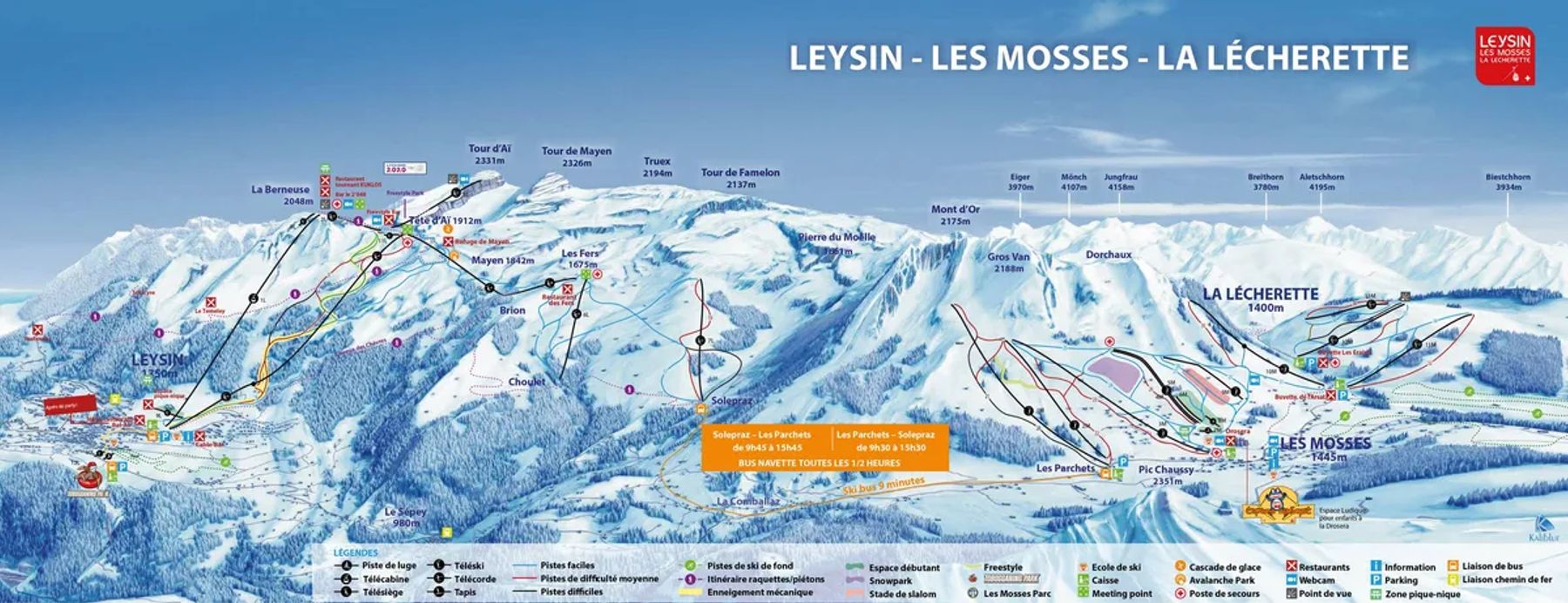
Leysin Trail Map
Downloadable Leysin trail map
Terrain split
0
runs
Beginner72%
Intermediate25%
Advanced3%
Expert0%
60 km of piste
Resort Stats
Elevation
Base1250m
Summit2198m
Annual snowfall
1.9m
Season
2026 - 2027
28 Nov 2026 - 11 Apr 2027
Trail coverage
0 runs
60 km
About Leysin's trail map
Explore Leysin's full trail map with every run across the mountain, colour-coded by difficulty and shown alongside the terrain split. Use it to plan a day that matches your ability, find lift-served pockets of your favourite grade, and see how the resort links together. Download the piste map (PDF) ↗
More Leysin intelligence: snow report, lift system, webcams, resort overview.