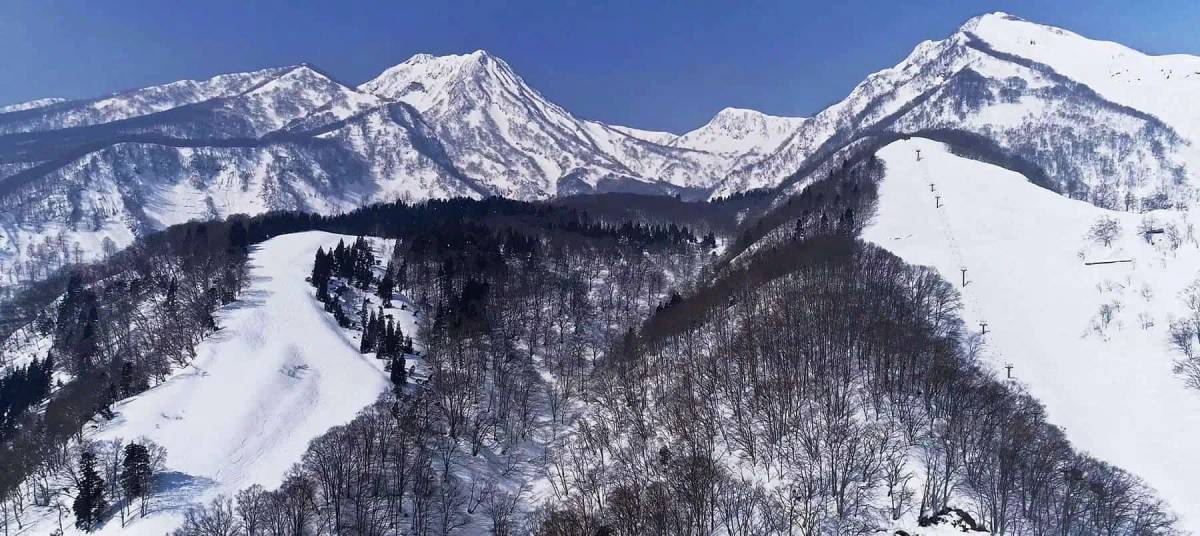
Seki Onsen
310m vertical, 14-16m annual snow, two lifts, ungroomed powder terrain. Family-run since 1917 in Myoko, Niigata Prefecture.

Season 2025-2026
Opens
5 Dec 2025
Closes
29 Mar 2026
Days open
114
Annual snow
12.9m
The Overview
Michael Fulton
Melbourne-based skier and snowboarder with 50+ resorts across 5 continents. Specialises in Australian resorts and international resort comparisons.
Seki Onsen operates across 310 metres of vertical drop from a 900-metre base to a 1,210-metre summit. The area records 14 to 16 metres of annual snowfall and comprises four official runs serviced by two chairlifts, spanning approximately 30 hectares. The ski area sits 30 kilometres from the Sea of Japan on the northeastern slopes of Mount Myoko in Niigata Prefecture, capturing Siberian storm systems that deliver exceptional powder depth. The resort operates from early December through early May, often extending its season well beyond neighbouring areas.
Terrain splits 30 per cent beginner, 40 per cent intermediate and 30 per cent advanced across short but steep runs. The Silver Fan Course remains ungroomed throughout the season, offering the steepest gradients and deepest powder within the Myoko mountain range. Most slopes receive minimal grooming, preserving natural snow conditions for powder skiing. The area allows unrestricted off-piste access through marked sidecountry zones and tree skiing terrain, unusual among Japanese resorts.
Seki Onsen has operated continuously since 1917, making it one of Japan's oldest ski areas. The Inoue family has owned and managed the resort for nearly 50 years, maintaining a low-key operation with no ski patrol presence. A single on-mountain restaurant serves homemade meals, whilst the base village contains minimal facilities. The area attracts international powder skiers seeking untracked terrain and an authentic mountain experience free from modern resort infrastructure.
The resort functions independently with no pass affiliations to neighbouring Myoko resorts. Day tickets cost ¥4,500 for adults, reflecting the minimal lift infrastructure and facilities. Seki suits advanced skiers and snowboarders comfortable navigating steep, ungroomed terrain without patrol oversight. The tiny scale means fresh snow tracks out quickly on popular powder days, typically within hours of opening.
310m
Vertical
4
Runs
74 acres
Skiable
12.9m
Annual snow
The Terrain
4 runs across 74 acres skiable
Seki Onsen is a tiny, family-run area on the north-eastern side of the Myoko range, with only four runs over just 30 hectares and a vertical of 310 metres, from 900 metres to 1,210 metres. Despite the size, the snow is the draw. The split is 20% beginner, 50% intermediate and 30% advanced, and the lift system of doubles, triples and quads simply repeats those short, steep pitches. Marked pistes matter less than ungroomed snow, so think of it as a place to ski powder rather than to tick off runs.
The Silver Fan Course is the name to know, an advanced run left ungroomed to hold the steepest slopes and deepest snow on the mountain. Around it are tree runs and sidecountry lines, with moguls forming in spring. Facilities are minimal, with a single on-mountain restaurant and a low-key atmosphere. Seki Onsen suits strong intermediates through to advanced skiers who want a powder-first day without the crowds of larger Myoko areas. Beginners will find it limiting, and anyone heading beyond the marked terrain should carry avalanche gear and go with a guide. Check lift status before travelling, as the season runs long into spring.
Terrain split
4
runs
4 runs across 4 grades
Beginner1 run · 20%
Intermediate2 runs · 50%
Advanced1 run · 30%
Expert0 runs · 0%
Time it right
When to visit Seki Onsen
The 2025-2026 season runs from 5 December 2025 through 29 March 2026, though operations frequently extend into early May when snowpack permits. Lifts operate 9:00 AM to 4:30 PM daily. Seki regularly outlasts all other Myoko resorts due to its exceptional snow retention and north-facing aspect. The area celebrated 100 years of skiing operations in 2017.
Annual snowfall averages 14 to 16 metres, among the highest totals in Japan. The resort's position at 1,000 metres elevation where cold Siberian air meets moisture from the Sea of Japan creates ideal powder conditions. Minimal snowmaking exists as natural accumulation proves sufficient throughout winter. Base depths regularly exceed two metres by mid-season, with the upper single chair sometimes buried during storm cycles.
January and February deliver peak powder conditions with frequent storm cycles refreshing terrain every few days. December offers early-season depth whilst March provides longer daylight and spring corn conditions. Late-season skiing continues through April when mogul fields develop on ungroomed slopes. The area's compact size means fresh lines disappear quickly after storms, making timing critical for untracked snow.
Mid-March onwards brings increased activity as other resorts close, with banked slalom competitions and a fireworks festival marking the late season. No night skiing operates. The resort publishes minimal advance scheduling, reflecting its owner-operated flexibility. Powder board test rides and terrain park features appear intermittently depending on conditions and staffing.
Season 2025-2026
5 Dec 2025
Opens
29 Mar 2026
Closes
114
Days open
12.9 m
Annual snow
The record
Historical snowfall at Seki Onsen
Daily snow reports at Seki Onsen go back to 2012, 14 winters on the books. Open the record to compare winters, lifts and piste.
120 cm
Snowiest day
25 Jan 2026
1090 cm
This winter · 2025-26
so far
1293 cm
Typical winter
average of complete seasons
Winter totals
cm
Past wintersThis winter
Getting there
Getting to Seki Onsen, and where to stay
Seki Onsen sits in Myoko city, Niigata Prefecture, on the northeastern flank of Mount Myoko, a 2,454-metre active stratovolcano. The base village rests at 900 metres elevation in a narrow valley formed by the Myoko mountain range. The Joshinetsu National Park surrounds the area, with the resort positioned 30 kilometres inland from the Sea of Japan coast. Traditional hot spring baths line the village streets, which opened in 1729 as one of Myoko's oldest onsen settlements.
Sekiyama Station on the Myoko Haneuma Line provides the nearest rail access, 10 to 15 minutes by bus or taxi from the resort. Akakura Onsen village, the main accommodation hub for Myoko, lies 12 kilometres south and 30 minutes by road. The town of Myokokogen sits 12 kilometres southeast near the rail station. Tsubame Onsen, another hot spring village, is located 3 kilometres uphill from Seki via Prefecture Road 39.
Road access follows Route 18 to either Myoko Kogen Interchange or Nakago Interchange on the Joshinetsu Expressway, then 15 to 20 kilometres via Prefecture Road 39. Drive times from Nagano city average one hour, whilst Tokyo lies approximately four to five hours south. Winter road conditions require caution as heavy snowfall frequently impacts Route 39. Limited parking at the resort base fills quickly on powder days.
Tokyo's Narita and Haneda airports serve as primary international gateways, approximately 300 kilometres south. Direct shuttle buses operate from both airports to Myoko, taking five to six hours. Niigata Airport sits 160 kilometres northeast, offering limited international flights and two-hour road transfers. Train connections require the Hokuriku Shinkansen to Nagano Station, then the Kita-Shinano Line 45 minutes to Myoko-Kogen Station, followed by a local train to Sekiyama.
Where to stay
Search all stays →Stays map loads when you scroll here
Hotels and lodges near Seki Onsen, powered by Stay22.
Latest News
From the SnowStash desk
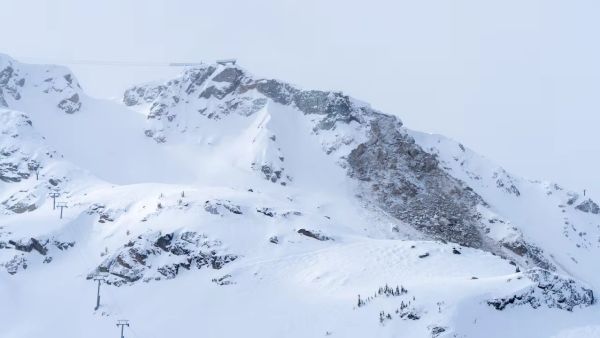
Whistler Blackcomb Rockslide Zone Stays Closed Through 2026-27 Season
A section of Whistler Peak terrain will stay closed all 2026-27 season, Vail Resorts has confirmed, with rockslide mitigation work continuing into summer 2027. Peak Express is still expected to run this winter, but locals are already arguing about what’s actually off limits, whether the Whistler Bowl is gone, and why the news landed after pass sales wound down. Here’s where things stand.
7 Nov 2026
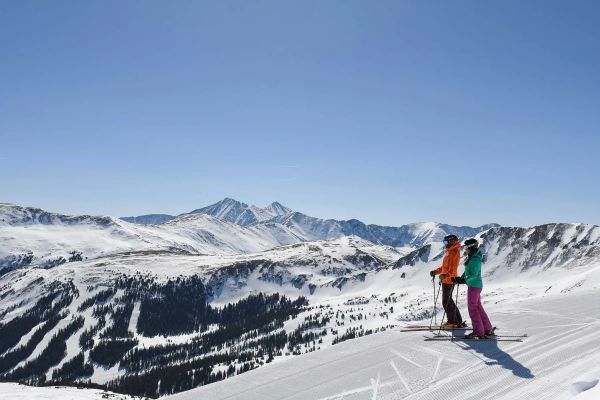
Loveland Ski Area Opens for 2026-27 and Marks 60 Years of Snowmaking
Loveland is open. The Colorado ski area started Chet’s Dream turning on Saturday 7 November to kick off 2026-27, with $60 adult lift tickets to mark 60 years of snowmaking. Expect three runs, nearly 1,000 vertical feet (about 300 metres) of top-to-bottom skiing, live music on the Basin Patio and no beginner terrain yet. Here’s what’s open, what it costs and when Loveland Valley follows.
7 Nov 2026
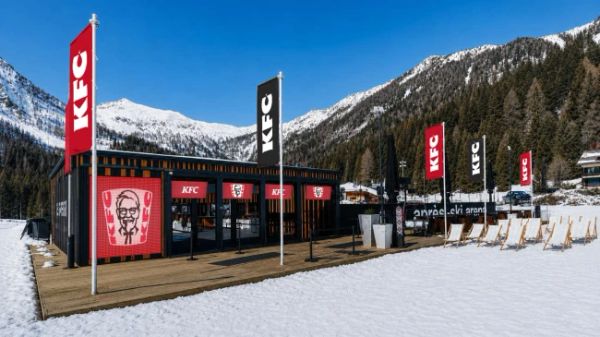
KFC Is Coming to the Slopes at Cortina and Madonna di Campiglio
Fried chicken is heading up the Dolomites. From 5 December KFC will run two restaurants on the slopes - one at 2,123 metres at Cortina, one at 1,700 metres at Madonna di Campiglio - and the polenta-and-canederli crowd has opinions. Local politicians, conservation groups and plenty of Facebook commenters are calling it a step too far, while others just want a cheaper lunch. Here’s what’s on the menu and what’s the fuss.
5 Nov 2026
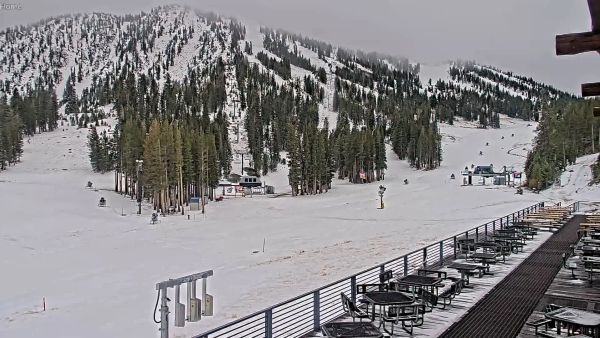
Mt Rose Aims to Open First in Tahoe on November 6
Mt Rose is going for the first-in-Tahoe title, with the Lakeview Express due to spin at 9 a.m. on Friday, November 6. One main lift, three runs and plenty of snowmaking, sitting on the highest base elevation in the region at 8,260 ft. Here is what is open, what is not (sorry, tubing fans), and how the early North American openings are stacking up.
4 Nov 2026
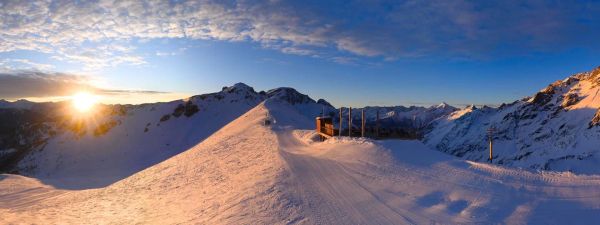
Europe Snow Forecast: Serre Chevalier Leads With 82 cm Over the Next 10 Days
Europe has had a quiet start to November, but our 10-day forecast has Serre Chevalier on 82 cm and Les 2 Alpes on 71 cm. Two pushes are lined up: a western Alps top-up from Friday, then a bigger, wider system on Thursday, November 12 and Friday, November 13 that reaches Italy and Switzerland. Full leaderboard inside.
4 Nov 2026
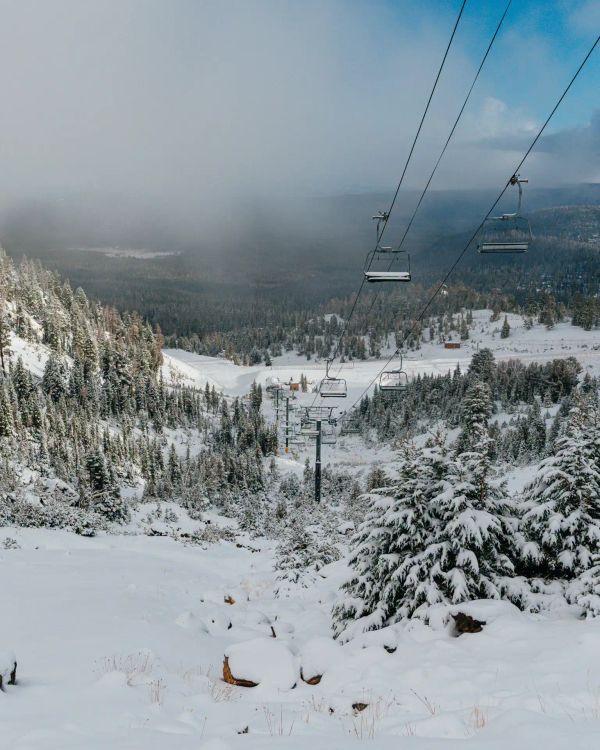
Mammoth Mountain Opens Early on November 5 With Up to 33 Inches of Snow in the Forecast
Mammoth just moved opening day forward to Thursday, November 5, eight days ahead of schedule. A snowy weekend and cold snowmaking nights did the work, and our forecast shows up to 33 inches more landing on November 13 and 14. Here is what opens, what the weather looks like and where Mammoth sits among the early Ikon Pass openers.
3 Nov 2026

Utah Snow Storm Builds Early-Season Base Ahead of November Openings
Rain down low, snow up high, and a snow report full of zeros that mostly means ‘not updated yet’. Utah’s first proper storm of 2026-27 is rolling through the Wasatch, Snowbird’s snow stake is closing in on 10 inches, and Brian Head is five days from opening day. Early November snow rarely looks like much, but it is the layer every November opening date is built on. Here is where it stands.
1 Nov 2026
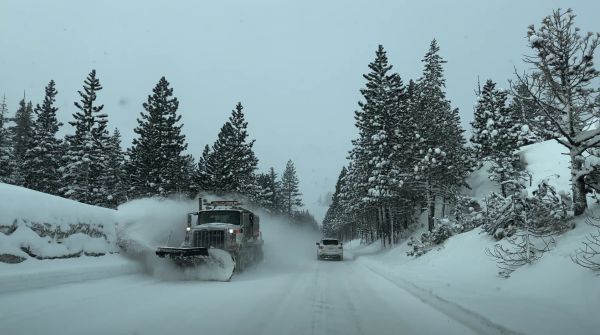
Sierra Nevada Halloween Storm: Dodge Ridge Forecast to Lead With 19 Inches
Halloween weekend brings a wet, windy storm to the Sierra Nevada. Our five-day forecast has Dodge Ridge on top with 19 in, followed by Bear Valley at 15 in and Mammoth Mountain at 12 in, with most of it landing on Saturday. A winter weather advisory covers the Tahoe Basin and Mono County until 7 AM Sunday, gusts could reach 47 mph and the freezing level swings between 4,900 and 8,700 ft, so some bases will see rain. A dry spell follows from Monday.
31 Oct 2026
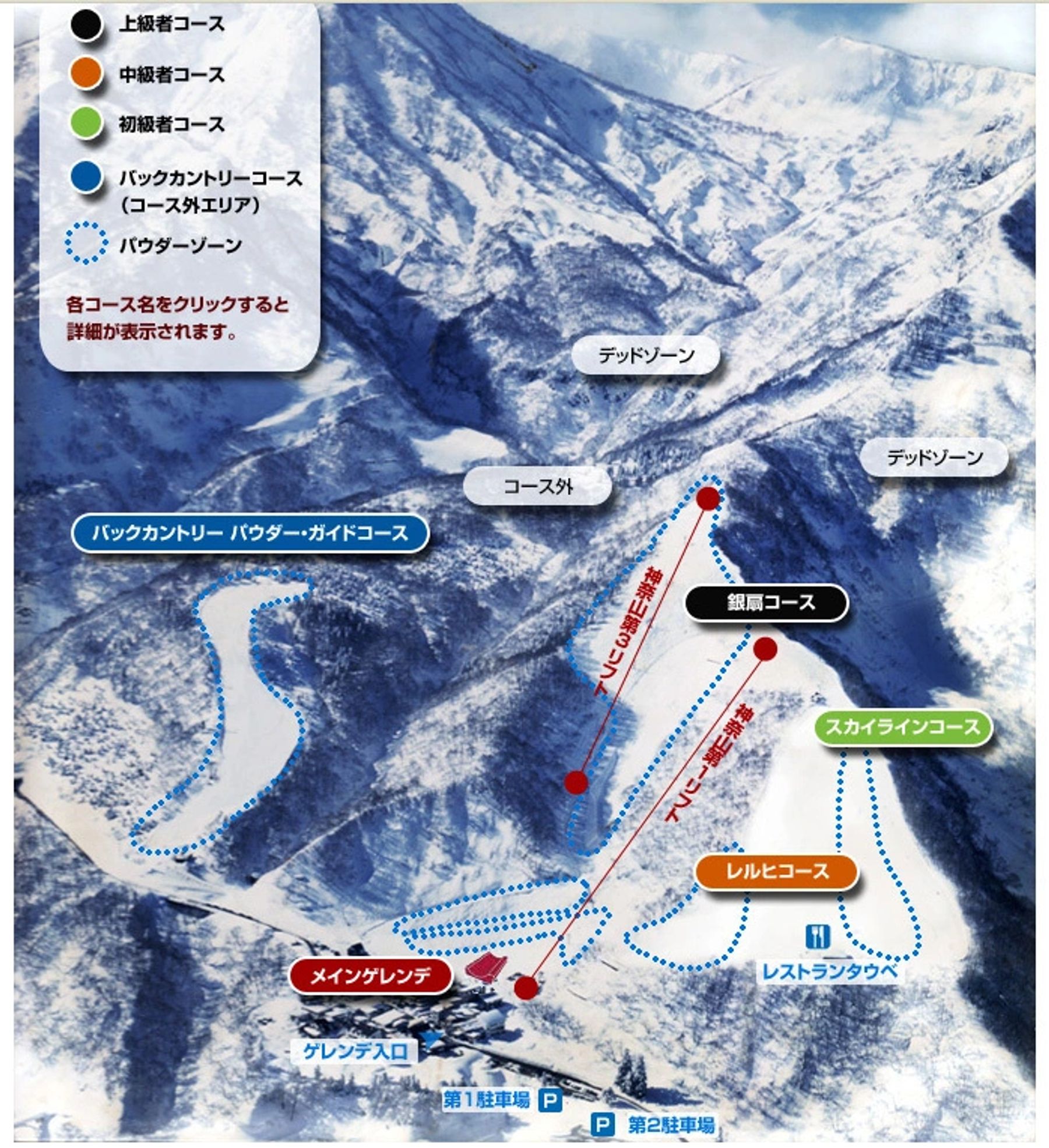
Seki Onsen Trail Map
Downloadable Seki Onsen trail map
Terrain split
4
runs
Beginner20%
Intermediate50%
Advanced30%
Expert0%
74 acres skiable30 hectares
Resort Stats
Elevation
Base900m
Summit1210m
Annual snowfall
12.9m
Season
2025-2026
5 Dec 2025 - 29 Mar 2026
Trail coverage
4 runs
74 acres (30 ha)
About Seki Onsen's trail map
Explore Seki Onsen's full trail map with 4 runs across the mountain, colour-coded by difficulty and shown alongside the terrain split. Use it to plan a day that matches your ability, find lift-served pockets of your favourite grade, and see how the resort links together. Download the piste map (PDF) ↗
More Seki Onsen intelligence: snow report, lift system, webcams, resort overview.