Hokkaido, Japan
Hoshino Tomamu
Hoshino Tomamu: 29 runs, 585m vertical, 14m annual snowfall. Central Hokkaido's premier resort with twin tower hotels.
Season 2025-2026
Opens
5 Dec 2025
Closes
29 Mar 2026
Days open
114
Annual snow
14m
The Overview
Michael Fulton
Melbourne-based skier and snowboarder with 50+ resorts across 5 continents. Specialises in Australian resorts and international resort comparisons.
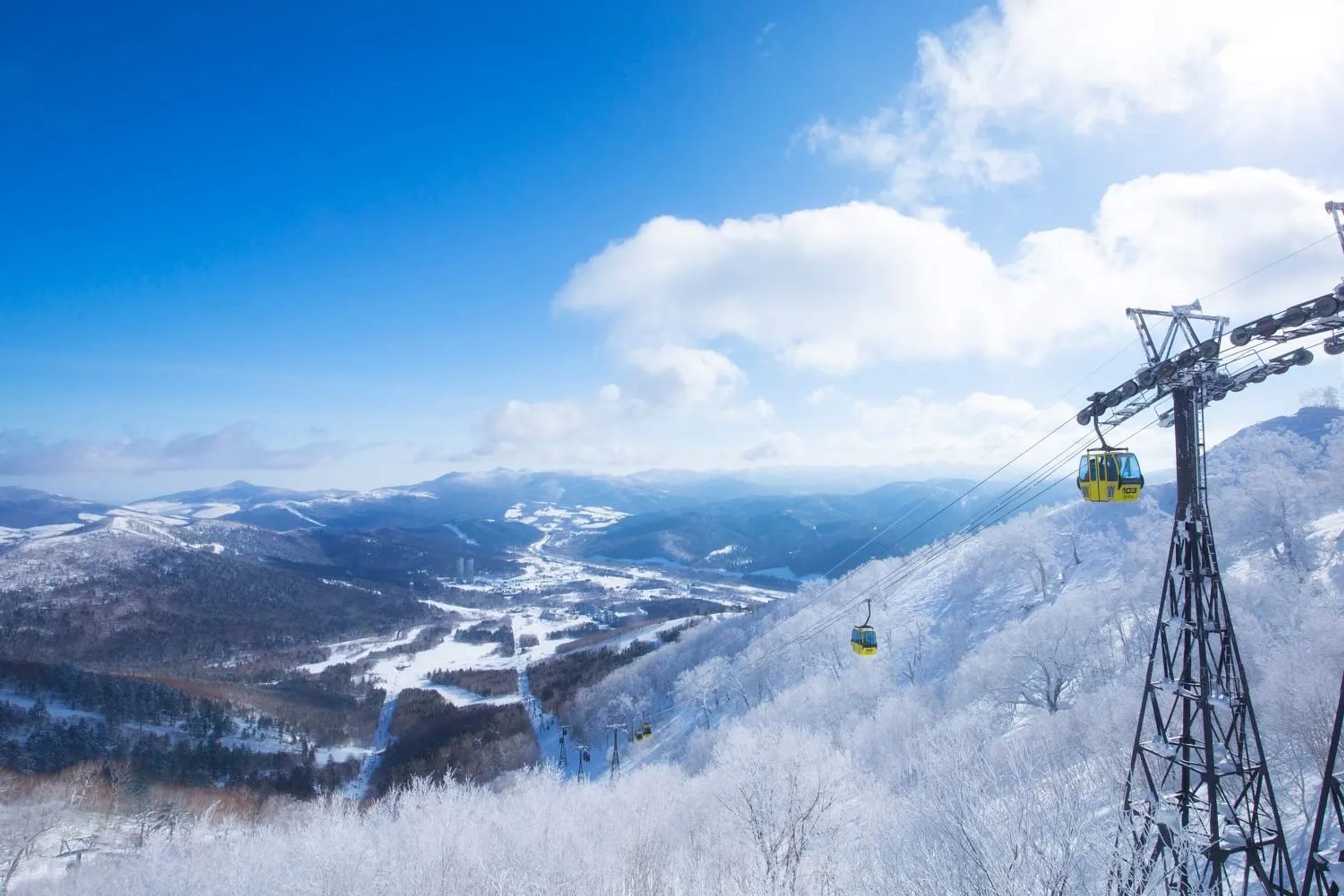
Hoshino Tomamu operates 29 runs across 306 acres spanning two peaks in central Hokkaido, with a vertical drop of 585 metres between its 586-metre base and 1,171-metre summit. The resort receives an average 14 metres of annual snowfall and sits within the 200-kilometre Hokkaido Powder Belt, where inland conditions and temperatures dropping to minus 30 degrees Celsius produce exceptionally dry powder. The ski area totals 21.5 kilometres of piste, including a 4,200-metre top-to-bottom descent, and participates in the Hokkaido Powder Belt Pass alongside Furano and Kamui Ski Links.
Terrain distribution favours progression, with 38 per cent beginner runs, 48 per cent intermediate and 14 per cent advanced. Tomamu Mountain and Tower Mountain form two distinct sectors connected by the Romance chairlift, with the former housing the gondola-accessed summit terrain and Powder Express quad, whilst Tower Mountain concentrates gentler slopes near the hotel towers. Registered experts access designated sidecountry zones including Powder Heaven at Tower Mountain's summit, plus snowcat operations on Mount Karifuri.
The resort anchors a 1,000-hectare development dominated by twin 40-storey hotel towers housing Tomamu the Tower and Risonare Tomamu properties, alongside Club Med Hokkaido Tomamu at mountain base. Hotaru Street provides ski-in dining and retail, whilst the Mina-Mina Beach indoor wave pool, Ice Village winter attraction and Terrace of Frost Tree at 1,088 metres elevation expand the non-skiing programme. Night skiing operates 16:00 to 18:00 on Tower Mountain from late December through March.
The 38,000-yen Hokkaido Powder Belt Pass grants five days' skiing within ten days at Tomamu, Furano and Kamui, valid throughout the December-to-March season. Adult day passes run 6,800 yen regular rate to 7,500 yen peak, with season passes priced at 85,000 yen. Tomamu suits families seeking resort infrastructure and intermediates chasing groomed cruisers, though limited steep terrain constrains experts compared to Niseko or Rusutsu.
585m
Vertical
29
Runs
306 acres
Skiable
14m
Annual snow
The Terrain
29 runs across 306 acres skiable
Hoshino Tomamu spreads 29 runs across 306 acres skiable of terrain. It leans intermediate at 48%, with 11 beginner runs to find your feet and 4 advanced or expert runs when you want to push.
Terrain split
29
runs
29 runs across 4 grades
Beginner11 runs · 38%
Intermediate14 runs · 48%
Advanced4 runs · 14%
Expert0 runs · 0%
Time it right
When to visit Hoshino Tomamu
The 2025-2026 season spans 5 December 2025 to 29 March 2026, offering 116 days of operations. This four-month window aligns with Hokkaido's prolonged cold inland climate, where March temperatures remain sufficiently low to preserve snow quality into spring. Tomamu's season length exceeds coastal resorts that close earlier as temperatures rise.
Annual snowfall averages 14 metres at mid-mountain elevations, with the 2024-2025 season recording 749 centimetres total accumulation. The resort's inland position within Shimukappu Village shields it from maritime moisture, producing lighter, drier snow than coastal equivalents despite marginally lower precipitation totals. Temperatures between minus 20 and minus 30 degrees Celsius maintain powder structure throughout winter, with snowmaking supplementing natural coverage on key pistes.
January and February deliver peak powder conditions when Siberian cold fronts dominate, though the resort maintains quality snow into late March due to persistent cold. Early December offers quieter slopes as the season builds, whilst mid-season holiday periods around New Year bring maximum crowds. The Ice Village attraction operates January to February when temperatures support ice construction.
Night skiing runs two hours nightly from 26 December through 31 March on lit Tower Mountain terrain. The resort's 40 per cent probability of witnessing the Unkai sea-of-clouds phenomenon attracts summer gondola riders from May to October, extending Tomamu's calendar beyond winter operations. Spring conditions favour long groomed turns on Tomamu Mountain's extended fall-line runs.
Season 2025-2026
5 Dec 2025
Opens
29 Mar 2026
Closes
114
Days open
14 m
Annual snow
Getting there
Getting to Hoshino Tomamu, and where to stay
Hoshino Tomamu occupies Shimukappu Village in the Yufutsu District, central Hokkaido, at the southern slopes of Mount Tomamu within the Daisetsuzan mountain range buffer zone. The base village sits at 586 metres elevation in a forested inland valley approximately 200 kilometres north-south within the designated Hokkaido Powder Belt. Shimukappu, population 1,251, gained resort status in the 1980s when Alpha Resort Tomamu opened, later acquired by Hoshino Resorts.
Tomamu Station on the JR Sekisho Line provides direct rail links, with the resort located five minutes' drive north. Sapporo lies 90 minutes north by limited express train, whilst Obihiro sits 60 minutes east on the same line. Furano resort operates 90 minutes northwest via Routes 237, 38, 1117 and 136, making multi-resort tours practical for mobile skiers.
Road access follows the Doto Expressway from New Chitose Airport via Chitose-higashi interchange, reaching Tomamu interchange in 100 minutes covering approximately 110 kilometres. Sapporo drivers take the Douou and Doutou expressways from Sapporo-kita interchange, completing 120 minutes to Tomamu interchange. Route 136 connects the interchange to resort base, with 1,500 parking spaces available.
New Chitose Airport, Hokkaido's primary international gateway, lies 90 minutes south by car or train with one transfer at Minami-Chitose Station. Hokkaido Access Network operates direct resort shuttle buses requiring two hours, departing three times daily at 5,500 yen per person. Limited express services Super Tokachi and Super Ozora stop at Tomamu Station throughout the day, with all trains requiring reserved seating and free resort shuttles meeting arrivals.
Where to stay
Search all stays →Hotels and lodges near Hoshino Tomamu, powered by Stay22.
Latest News
From the SnowStash desk
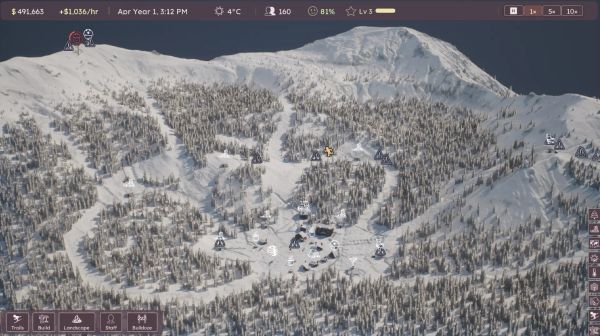
Ski-E-O! Is the Ski Resort Tycoon Game We Didn't Know We Needed
I'm not a gamer. I'm a skier and snowboarder who happens to have a laptop. So when a ski resort management game called Ski-E-O! landed on Steam, I wasn't expecting to lose an afternoon to it - but here we are. Real mountain terrain, a full weather system, storms that roll in and wreck your snow base, avalanche danger, and enough depth to make RollerCoaster Tycoon feel simple by comparison. Early access lands in November. Here's what a few hours in the free demo actually looks like.
23 Aug 2026
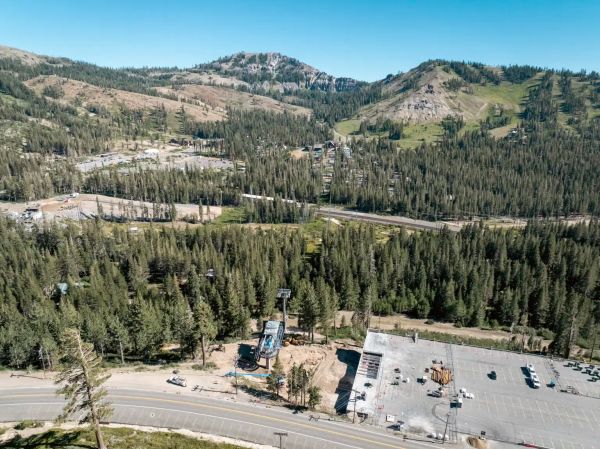
Sugar Bowl, California, Rebuilds Its Historic Village Gondola
The rumours are true: Sugar Bowl is tearing out its Emerald gondola, in place since 1983, and replacing it with a new 8-person Doppelmayr system - nearly doubling uphill capacity to 1,800 people an hour. It's the fourth generation of a gondola line that dates back to 1953, when Sugar Bowl became the first resort on the West Coast to run one at all, and it's just one piece of a $100 million overhaul touching lodges, parking and snowmaking. Here's what's changing, and what's staying the same.
23 Aug 2026
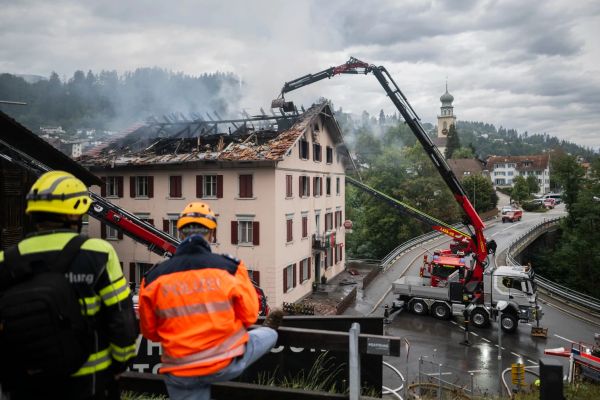
Two Confirmed Dead as Search Continues After Swiss Alps Fire
The death toll from Thursday night's fire at Restaurant Beverin in Thusis, Switzerland, has begun to firm up. One Swiss outlet, citing Graubünden Cantonal Police, reports that two of the five people initially reported missing have now been confirmed dead, leaving three unaccounted for. The building's collapsed stairwell and structural instability have slowed recovery efforts throughout. Here's what's changed since the fire broke out, and what's still unconfirmed.
22 Aug 2026
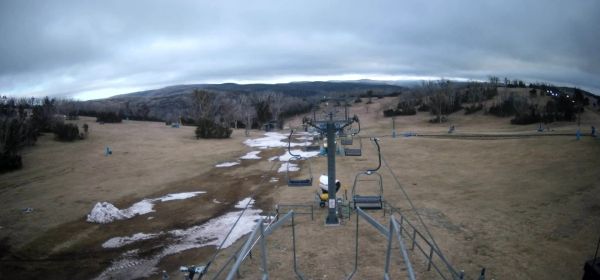
Selwyn Snow Resort Closes Early as Rain Ends Its 2026 Season
Selwyn Snow Resort has called an early end to its 2026 season, a day after Victoria's Mount Baw Baw did the same. Rain on Thursday stripped what was left of the snowpack, and the cold nights needed to rebuild it through snowmaking never arrived. It's a rough result for a resort that only just found its footing again after being burned to the ground in the 2019-20 Black Summer bushfires and a multi-year rebuild. Here's how the season fell apart, and where Selwyn's been since the fire.
22 Aug 2026
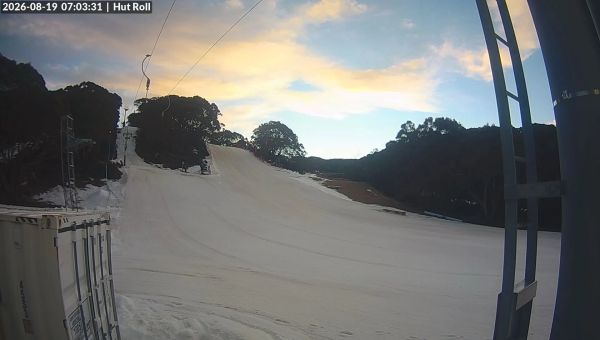
Mt Baw Baw Becomes First Australian Resort to Close for 2026
Mt Baw Baw is calling time on its 2026 season this Sunday at 5pm, becoming the first Australian resort to close for the year after warm spells and rain wore through its snowpack. Lifts stop, but the resort stays open, entry fees get waived, and there's one last Bollywood Weekend before the lights go out. Fifty-seven days after opening, here's how the season ended and what it means for the rest of Australia's struggling snowpack.
21 Aug 2026
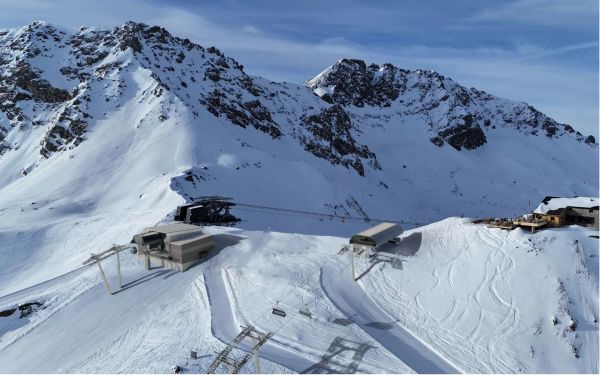
Arosa to Replace 40-Year-Old Hörnli Lifts With New Gondola and Chair
Arosa's Hörnli sector is getting its biggest overhaul in decades. The 1986 gondola and 1994 chairlift linking toward Lenzerheide are both being replaced, with capacity up, tower count down and a new base station lower on the hill. At roughly CHF 67 million, it is the largest single investment Arosa Bergbahnen has ever made - and the target opening has already slipped a year, to December 2028. Here is what is changing, and why the timeline moved.
20 Aug 2026
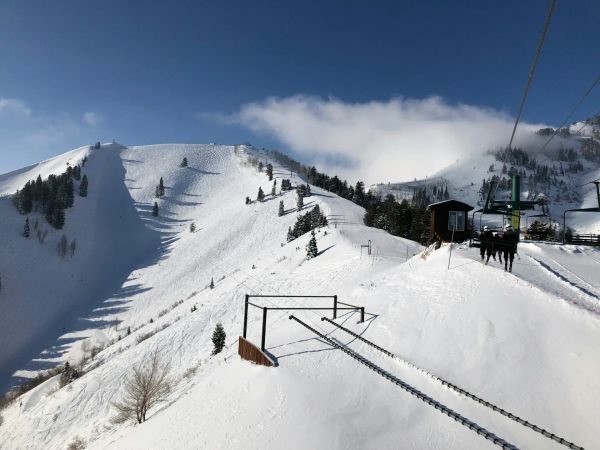
Sundance Mountain Resort Is Getting a New High-Speed Quad and More Back Mountain Terrain This Winter
Sundance Mountain Resort's back mountain is finally getting a proper lift. The Electric Horseman Express opens for 2026-27, unlocking a new bowl next to Bishop's Bowl and three expert gladed chutes across roughly 105 fresh acres - on top of the Storyteller ridge run that debuted in preview form last season. It's Sundance's biggest expansion since 1985, and it turns a three-lift slog into a single six-minute ride to Bearclaw Summit.
19 Aug 2026
Levi and Ruka Confirm October 2 Opening on Farmed Summer Snow
Finland's Levi and Ruka open for the 2026-27 season on October 2, more than seven weeks before most of Europe sees a lift turn. Neither resort is waiting on autumn snowfall - both are skiing on snow buried since last spring, insulated through the Finnish summer and dug back out for opening day. It is not a shortcut. It is a decades-old system now spreading from the Arctic Circle to Idaho, Utah, Vermont and Colorado. Here is how snow farming actually works, and why it is catching on.
19 Aug 2026
Trail map & terrain
Terrain split
29
runs
Beginner38%
Intermediate48%
Advanced14%
Expert0%
306 acres skiable124 hectares
Resort Stats
Elevation
Base586m
Summit1171m
Annual snowfall
14m
Season
2025-2026
5 Dec 2025 - 29 Mar 2026
Trail coverage
29 runs
306 acres (124 ha)
Hoshino Tomamu ski trails
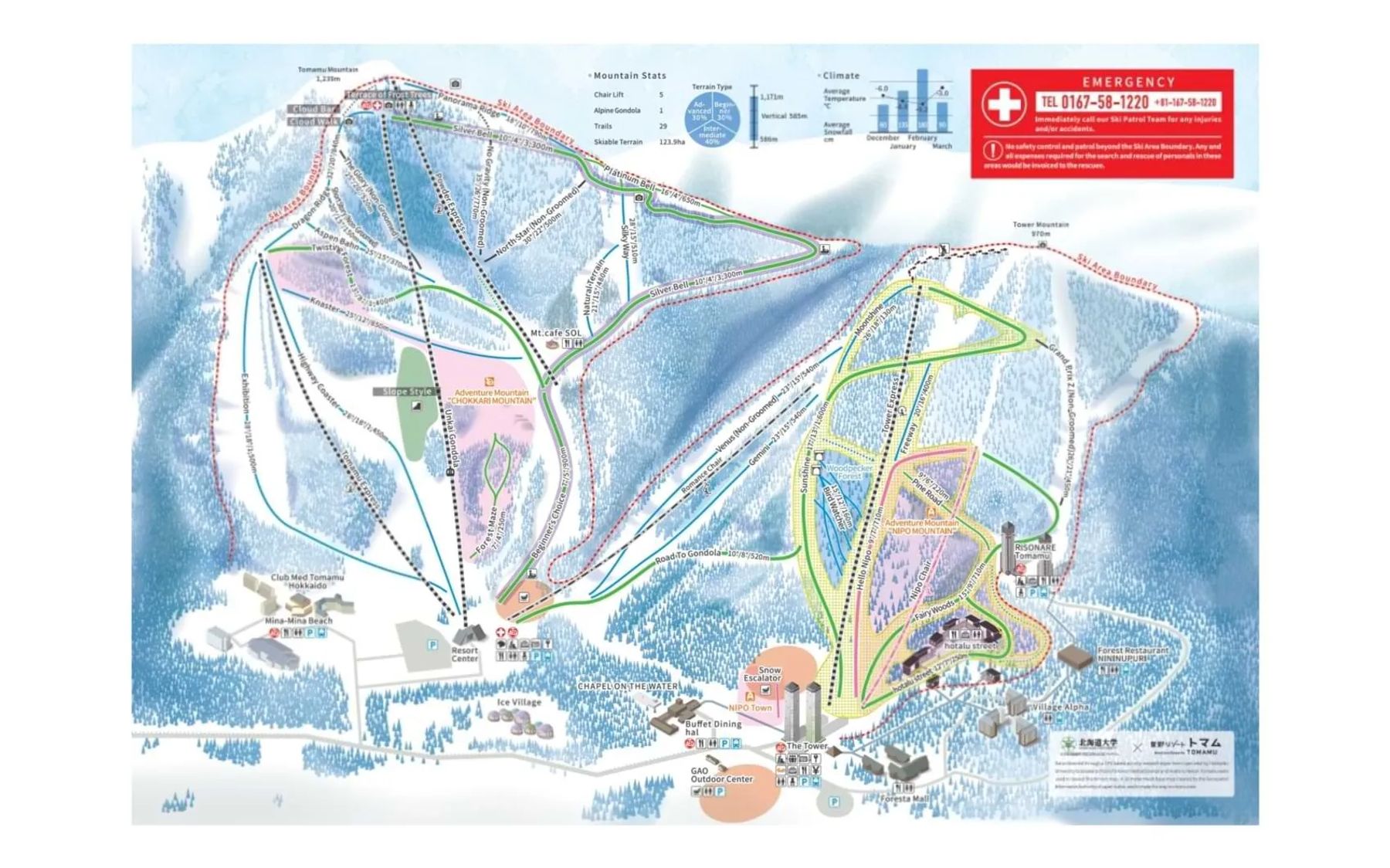
Hoshino Tomamu offers 29 runs across a mix of difficulties. The terrain split and trail map here show how the mountain breaks down so you can plan a day that suits your group.
- • Match runs to your ability - the terrain split shows how much of Hoshino Tomamu is beginner, intermediate and advanced.
- • Check grooming and open-run status against the live conditions before committing to the upper mountain.
- • Early season and after fresh snow, favour the lifts serving your preferred grade to make the most of the day.
More Hoshino Tomamu intelligence: trail map, lift system, resort overview.