
Turoa
Ski 500 hectares of volcanic terrain with 722m of vertical on Mt Ruapehu, from NZ's highest chairlift at 2,322m.
Season 2026
Opens
28 June 2026
Closes
4 Oct 2026
Days open
98
Annual snow
4m
The Overview
Michael Fulton
Melbourne-based skier and snowboarder with 50+ resorts across 5 continents. Specialises in Australian resorts and international resort comparisons.
Tūroa covers 500 hectares on the south-western slopes of Mt Ruapehu, offering New Zealand's highest lifted point at 2,322m and the longest vertical drop in Australasia at 722 metres. The ski field spans 43 runs graded 11% beginner, 32% intermediate, 36% advanced and 21% expert — a split that skews heavily toward confident skiers and riders compared to its North Island neighbour Whakapapa on the mountain's opposite flank.
The upper mountain is defined by the volcanic landscape — natural halfpipes, steep drops, open powder faces and rock-formed gullies that give the freeride terrain a character distinct from any South Island resort. Several terrain parks and dedicated freeride zones keep advanced riders occupied, while the lower mountain funnels traffic through narrower intermediate trails back to the base.
Alpine Meadow, the dedicated beginner area at the base, provides a sheltered introduction for first-timers with magic carpets and gentle slopes. The progression gap between beginner and intermediate terrain is steeper than at some resorts, making lessons a worthwhile investment for developing skiers before venturing onto the main mountain.
Since 2024, Tūroa has been operated by Pure Turoa under a ten-year Department of Conservation concession, following the liquidation of the previous operator Ruapehu Alpine Lifts. The resort operates independently from Whakapapa — lift passes are not interchangeable between the two ski areas despite both sitting on Mt Ruapehu.
722m
Vertical
43
Runs
1,236 acres
Skiable
4m
Annual snow
The Terrain
43 runs across 1,236 acres skiable
Tūroa is the bigger and steeper of Mt Ruapehu's two commercial fields, covering about 500 hectares on the south-western slopes above Ohakune. It climbs from 1,600 to 2,322 metres, a 722-metre vertical that is the longest in Australasia, and offers 43 runs. Sanity has the difficulty at 11% beginner, 32% intermediate, 36% advanced and 21% expert, which tilts clearly toward confident skiers. The terrain is volcanic, with open faces, ridges and long fall lines running down toward the base. Seven lifts, led by the High Noon Express six-seater, carry riders to New Zealand's highest lifted point.
Above the High Noon Express the mountain opens into natural halfpipes, rock-formed gullies and wide powder faces, and two lift-accessed backcountry zones, Solitude and the Triangle, tempt strong freeriders. A freestyle park sits below the top of the Giant chairlift, and intermediates get long cruising laps through the middle of the mountain. Alpine Meadow, with its magic carpet, is the dedicated learner area at the base. Expect an exposed, weather-driven mountain where wind and cloud decide the day. It best suits advanced skiers and riders chasing steep volcanic terrain, plus progressing intermediates who want vertical.
Terrain split
43
runs
43 runs across 4 grades
Beginner5 runs · 11%
Intermediate14 runs · 32%
Advanced15 runs · 36%
Expert9 runs · 21%
Time it right
When to visit Turoa
Tūroa operates from late June through to Labour Weekend in October, with the 2026 season running from 28 June to 4 October. The resort's high-altitude terrain and south-western exposure deliver reliable natural snowfall, with the deepest and most consistent coverage typically between late July and early September.
The 3.5-metre average annual snowfall is comparable to Whakapapa, and the volcanic summit environment means significant dumps can arrive rapidly from weather systems crossing the Tasman Sea. As with all Ruapehu skiing, conditions can change quickly — the exposed upper mountain is susceptible to wind closures, and visitors should check the daily snow report and road conditions before making the drive.
Spring skiing through September and into October offers warmer temperatures, softer snow and a more relaxed atmosphere on the mountain. The upper lifts provide panoramic views across the Tongariro volcanic plateau, and the Snowflake Café at the top station is a popular stop for sightseers and skiers alike.
Weekends and school holidays are the busiest periods. Midweek skiing — available at lower ticket prices than weekends — offers a quieter mountain with shorter lift queues, particularly on the upper chairlifts.
Season 2026
28 June 2026
Opens
4 Oct 2026
Closes
98
Days open
4 m
Annual snow
Getting there
Getting to Turoa, and where to stay
Tūroa sits 19km from Ohakune, accessed via the fully sealed Ohakune Mountain Road which winds through native bush to the base area at 1,600m. The drive takes approximately 20 minutes; chains or snow socks may be required on the upper section after heavy snowfall, and shuttle services operate from Ohakune during the season.
Ohakune — a small mountain town with strong après-ski character — serves as the primary base, with accommodation, restaurants and gear hire shops geared to the winter season. National Park Village is approximately 30 minutes away, and Taupo around 90 minutes to the north.
There is no major airport nearby. Taupo (approximately 90 minutes) and Palmerston North (approximately two and a half hours) offer the nearest domestic connections. International visitors typically fly into Wellington (four hours) or Auckland (five hours) and drive. Air Chathams has partnered with Pure Turoa to improve access options from regional centres.
The Tongariro National Park setting — a dual UNESCO World Heritage site — provides a dramatic volcanic backdrop. The view from the High Noon Express summit takes in the Crater Lake, the surrounding volcanic peaks and, on clear days, a panorama stretching across the central North Island to the distant coast.
Where to stay
Search all stays →Hotels and lodges near Turoa, powered by Stay22.
Latest News
From the SnowStash desk
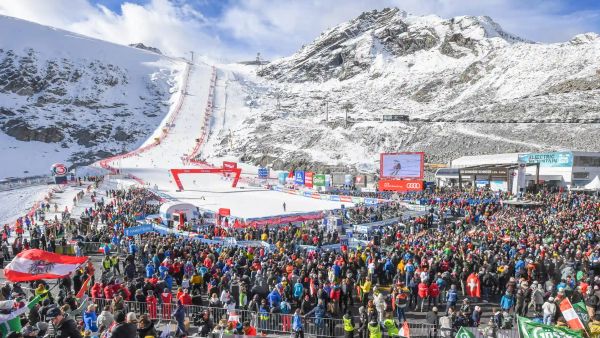
Pinheiro Braathen Wins Sölden Giant Slalom Opener by 0.48 Seconds
Two days at Sölden, two races decided by a hundredth somewhere on the podium, and one very quick Brazilian. Lucas Pinheiro Braathen led from the first run to win the men’s World Cup opener by 0.48 seconds, with Loïc Meillard second and Marco Odermatt third. River Radamus charged from 15th to fourth on a rutted course, and Britain’s Freddy Carrick-Smith banked his first World Cup points. Braathen still hasn’t lost a giant slalom since Olympic gold.
25 Oct 2026
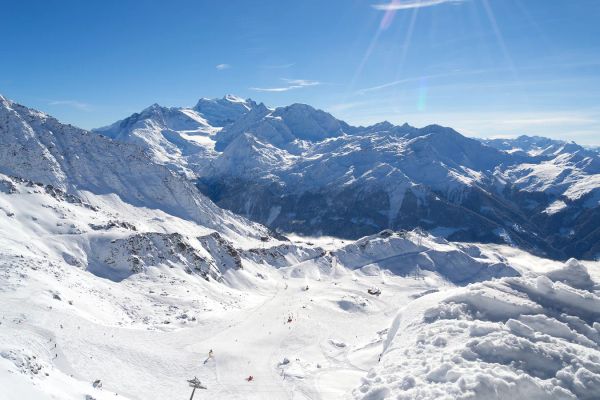
Alps Snow Forecast: Up to 64 cm Headed for the High Glaciers as the Snow Line Drops
The Alps are about to swap mild, sunny October weather for something far more wintry. A cold front arrives Tuesday, and SnowStash forecasts have Monterosa Ski out in front with 64 cm over 14 days, ahead of Blatten Belalp (55 cm) and Verbier (43 cm). The snow line should fall below 2000 metres by Wednesday night, and glaciers across Switzerland, Italy and Austria are in line for the best of it. The wind will have a say too.
20 Oct 2026
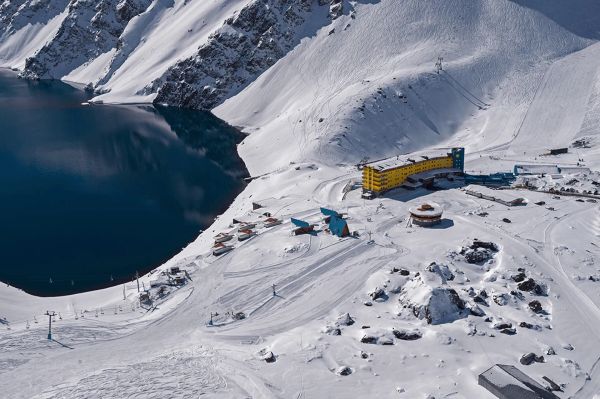
Four Dead After Avalanche Near Ski Portillo in Chile
A large avalanche struck near Laguna del Inca adjacent to Ski Portillo on Saturday afternoon, killing four people and injuring four others. The group were day visitors mountaineering in the backcountry after reportedly being warned about elevated avalanche risk by resort staff.
18 Oct 2026
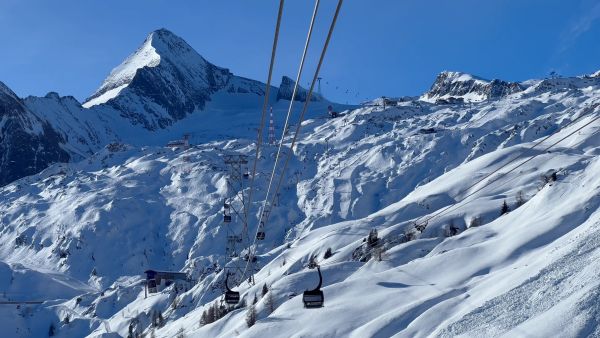
Europe Ski Resorts Open Now: What Is Skiable in Mid-October 2026
Europe’s ski season is open, technically. After a record-warm summer, glaciers in Austria, Switzerland and Italy are running a few pistes apiece, Sölden, Stubai and Kitzsteinhorn started late, Titlis has pushed back to 24 October, and Zermatt reopens a few lifts on 14 October after more than two months shut. Finland’s Levi and Ruka are skiing on stored snow. Here is what is open, and what you actually get at each.
14 Oct 2026
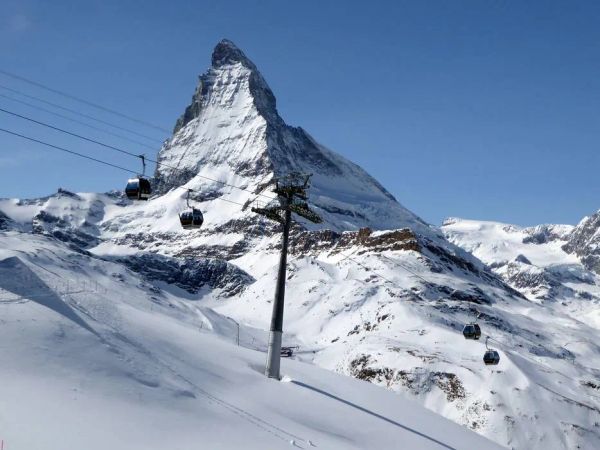
Zermatt Plans World Cup Downhill Return on the Gornergrat for 2028
Zermatt is having another crack at a World Cup downhill, and this time nobody has to cross a border. Around 13 million Swiss francs is going into rebuilding the Gornergrat piste, including a jump fed by a roughly 300-metre in-run across the roof of the Gornergrat Railway gallery, with the Matterhorn lined up behind it for the TV cameras. First men’s race is pencilled in for March 2028, pending FIS homologation.
14 Oct 2026
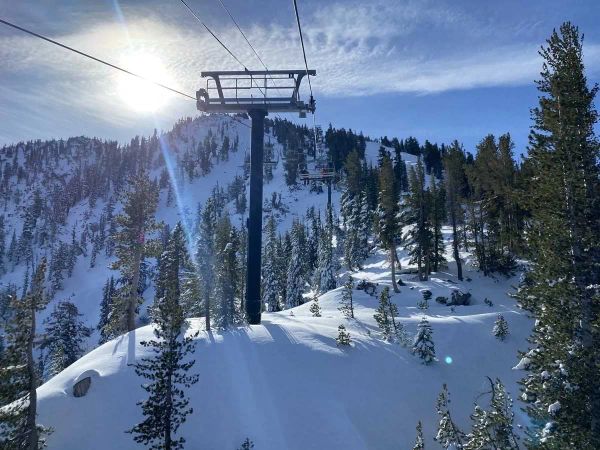
Mt. Rose Begins Snowmaking for the 2026-27 Season at Lake Tahoe
Lake Tahoe’s highest base elevation is paying off early: Mt. Rose has started making snow for 2026-27 after the first flurries and a cold snap. The Nevada resort is backing it with nearly US$2 million in upgrades, including a replacement snowmaking main line, a new PistenBully groomer and restraint bars on every lift. Opening day is yet to be confirmed, though Heavenly and Northstar are already eyeing 20 November.
13 Oct 2026
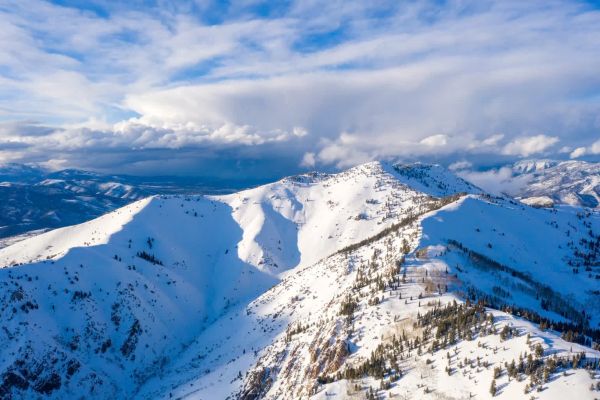
Utah Ski Resorts 2026-27: What’s New at Alta, Deer Valley, Powder Mountain and More
Utah is still building flat out. For 2026-27, Powder Mountain opens a steep new Skytrac chair into more than 1,000 acres of advanced terrain, Deer Valley adds 200 acres on Hail Peak, Sundance gets a new quad and Park City adds a gondola from its new parking structure. Snowmaking is expanding almost everywhere, Eagle Point stays closed after the Cottonwood Fire, and the 2034 Games are setting the pace. Here’s what’s new, resort by resort.
13 Oct 2026
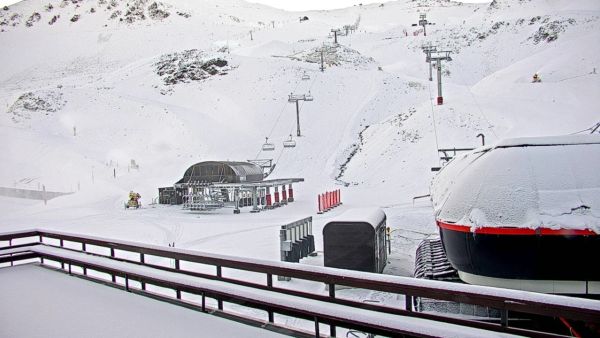
Mt Hutt Invests NZ$12 Million in Base Area, Tripling Its Sun Deck
Mt Hutt is getting busier, and its base lodge is about to catch up. NZ$12 million goes into a heated sun deck roughly three times the current size (430 m² to 1,300 m²), plus a new toilet block, heated steps down to snow level, extra storage and a new food and beverage outlet. Building starts after the 2026 season, with everything due for winter 2027.
11 Oct 2026
Turoa Lift System
Seven lifts serve Tūroa's 500 hectares, led by the High Noon Express — a six-person chairlift that reaches 2,322m, the highest lifted point at any New Zealand ski area. The High Noon accesses the upper-mountain freeride terrain and the resort's signature long descents back to base. Two quad chairlifts provide the main mid-mountain circulation, while two triple chairlifts handle the lower slopes and progression terrain.
Two T-bars extend into additional upper-mountain zones, and magic carpets service the Alpine Meadow learner area at the base. Two parallel chairlifts run from the base station, splitting traffic between the lower and mid-mountain sectors from the outset.
Snowmaking is present but limited compared to South Island commercial resorts. Average annual snowfall of 3.5 metres — bolstered by the mountain's altitude and volcanic weather patterns — provides the primary snow source. The south-western aspect holds snow well through the season, particularly on the upper slopes above 2,000m.
Pure Turoa has signalled plans for three new lifts before 2030, including a quad express west of the High Noon Express to improve access to terrain previously served by the now-removed Jumbo T-bar. These investments will expand the rideable area and improve circulation on the upper mountain.
9lifts across 4 types
1
6-Person Chair
2
Quad Chairs
2
Triple Chairs
4
T-Bars
Turoa lift system
Turoa is served by 9 lifts, listed here by type. Check which lifts are turning against the live conditions before you plan your first laps - early lifts and high-speed chairs get you to the best snow fastest.
More Turoa intelligence: trail map, snow report, webcams, resort overview.