
Turoa
Ski 500 hectares of volcanic terrain with 722m of vertical on Mt Ruapehu, from NZ's highest chairlift at 2,322m.
Season 2026
Opens
28 June 2026
Closes
4 Oct 2026
Days open
98
Annual snow
4m
The Overview
Michael Fulton
Melbourne-based skier and snowboarder with 50+ resorts across 5 continents. Specialises in Australian resorts and international resort comparisons.
Tūroa covers 500 hectares on the south-western slopes of Mt Ruapehu, offering New Zealand's highest lifted point at 2,322m and the longest vertical drop in Australasia at 722 metres. The ski field spans 43 runs graded 11% beginner, 32% intermediate, 36% advanced and 21% expert — a split that skews heavily toward confident skiers and riders compared to its North Island neighbour Whakapapa on the mountain's opposite flank.
The upper mountain is defined by the volcanic landscape — natural halfpipes, steep drops, open powder faces and rock-formed gullies that give the freeride terrain a character distinct from any South Island resort. Several terrain parks and dedicated freeride zones keep advanced riders occupied, while the lower mountain funnels traffic through narrower intermediate trails back to the base.
Alpine Meadow, the dedicated beginner area at the base, provides a sheltered introduction for first-timers with magic carpets and gentle slopes. The progression gap between beginner and intermediate terrain is steeper than at some resorts, making lessons a worthwhile investment for developing skiers before venturing onto the main mountain.
Since 2024, Tūroa has been operated by Pure Turoa under a ten-year Department of Conservation concession, following the liquidation of the previous operator Ruapehu Alpine Lifts. The resort operates independently from Whakapapa — lift passes are not interchangeable between the two ski areas despite both sitting on Mt Ruapehu.
722m
Vertical
43
Runs
1,236 acres
Skiable
4m
Annual snow
The Terrain
43 runs across 1,236 acres skiable
Tūroa is the bigger and steeper of Mt Ruapehu's two commercial fields, covering about 500 hectares on the south-western slopes above Ohakune. It climbs from 1,600 to 2,322 metres, a 722-metre vertical that is the longest in Australasia, and offers 43 runs. Sanity has the difficulty at 11% beginner, 32% intermediate, 36% advanced and 21% expert, which tilts clearly toward confident skiers. The terrain is volcanic, with open faces, ridges and long fall lines running down toward the base. Seven lifts, led by the High Noon Express six-seater, carry riders to New Zealand's highest lifted point.
Above the High Noon Express the mountain opens into natural halfpipes, rock-formed gullies and wide powder faces, and two lift-accessed backcountry zones, Solitude and the Triangle, tempt strong freeriders. A freestyle park sits below the top of the Giant chairlift, and intermediates get long cruising laps through the middle of the mountain. Alpine Meadow, with its magic carpet, is the dedicated learner area at the base. Expect an exposed, weather-driven mountain where wind and cloud decide the day. It best suits advanced skiers and riders chasing steep volcanic terrain, plus progressing intermediates who want vertical.
Terrain split
43
runs
43 runs across 4 grades
Beginner5 runs · 11%
Intermediate14 runs · 32%
Advanced15 runs · 36%
Expert9 runs · 21%
Time it right
When to visit Turoa
Tūroa operates from late June through to Labour Weekend in October, with the 2026 season running from 28 June to 4 October. The resort's high-altitude terrain and south-western exposure deliver reliable natural snowfall, with the deepest and most consistent coverage typically between late July and early September.
The 3.5-metre average annual snowfall is comparable to Whakapapa, and the volcanic summit environment means significant dumps can arrive rapidly from weather systems crossing the Tasman Sea. As with all Ruapehu skiing, conditions can change quickly — the exposed upper mountain is susceptible to wind closures, and visitors should check the daily snow report and road conditions before making the drive.
Spring skiing through September and into October offers warmer temperatures, softer snow and a more relaxed atmosphere on the mountain. The upper lifts provide panoramic views across the Tongariro volcanic plateau, and the Snowflake Café at the top station is a popular stop for sightseers and skiers alike.
Weekends and school holidays are the busiest periods. Midweek skiing — available at lower ticket prices than weekends — offers a quieter mountain with shorter lift queues, particularly on the upper chairlifts.
Season 2026
28 June 2026
Opens
4 Oct 2026
Closes
98
Days open
4 m
Annual snow
Getting there
Getting to Turoa, and where to stay
Tūroa sits 19km from Ohakune, accessed via the fully sealed Ohakune Mountain Road which winds through native bush to the base area at 1,600m. The drive takes approximately 20 minutes; chains or snow socks may be required on the upper section after heavy snowfall, and shuttle services operate from Ohakune during the season.
Ohakune — a small mountain town with strong après-ski character — serves as the primary base, with accommodation, restaurants and gear hire shops geared to the winter season. National Park Village is approximately 30 minutes away, and Taupo around 90 minutes to the north.
There is no major airport nearby. Taupo (approximately 90 minutes) and Palmerston North (approximately two and a half hours) offer the nearest domestic connections. International visitors typically fly into Wellington (four hours) or Auckland (five hours) and drive. Air Chathams has partnered with Pure Turoa to improve access options from regional centres.
The Tongariro National Park setting — a dual UNESCO World Heritage site — provides a dramatic volcanic backdrop. The view from the High Noon Express summit takes in the Crater Lake, the surrounding volcanic peaks and, on clear days, a panorama stretching across the central North Island to the distant coast.
Where to stay
Search all stays →Hotels and lodges near Turoa, powered by Stay22.
Latest News
From the SnowStash desk

Zermatt Plans World Cup Downhill Return on the Gornergrat for 2028
Zermatt is having another crack at a World Cup downhill, and this time nobody has to cross a border. Around 13 million Swiss francs is going into rebuilding the Gornergrat piste, including a jump fed by a roughly 300-metre in-run across the roof of the Gornergrat Railway gallery, with the Matterhorn lined up behind it for the TV cameras. First men’s race is pencilled in for March 2028, pending FIS homologation.
14 Oct 2026

Mt. Rose Begins Snowmaking for the 2026-27 Season at Lake Tahoe
Lake Tahoe’s highest base elevation is paying off early: Mt. Rose has started making snow for 2026-27 after the first flurries and a cold snap. The Nevada resort is backing it with nearly US$2 million in upgrades, including a replacement snowmaking main line, a new PistenBully groomer and restraint bars on every lift. Opening day is yet to be confirmed, though Heavenly and Northstar are already eyeing 20 November.
13 Oct 2026

Utah Ski Resorts 2026-27: What’s New at Alta, Deer Valley, Powder Mountain and More
Utah is still building flat out. For 2026-27, Powder Mountain opens a steep new Skytrac chair into more than 1,000 acres of advanced terrain, Deer Valley adds 200 acres on Hail Peak, Sundance gets a new quad and Park City adds a gondola from its new parking structure. Snowmaking is expanding almost everywhere, Eagle Point stays closed after the Cottonwood Fire, and the 2034 Games are setting the pace. Here’s what’s new, resort by resort.
13 Oct 2026

Mt Hutt Invests NZ$12 Million in Base Area, Tripling Its Sun Deck
Mt Hutt is getting busier, and its base lodge is about to catch up. NZ$12 million goes into a heated sun deck roughly three times the current size (430 m² to 1,300 m²), plus a new toilet block, heated steps down to snow level, extra storage and a new food and beverage outlet. Building starts after the 2026 season, with everything due for winter 2027.
11 Oct 2026

Vermont Ski Resort Opening Dates 2026-27: Few Dates Set, Killington Waits on the Cold
Vermont's season is slow to take shape. Stratton is tentatively targeting 18 November and Sugarbush 21 November, while Pico has Friday 11 December on the calendar. Killington never sets a date and opens when the snowmaking allows, and Vail Resorts has yet to name days for Stowe, Okemo and Mount Snow. The forecasts disagree about snow, and the main El Niño worry for the Green Mountains is warmth.
9 Oct 2026
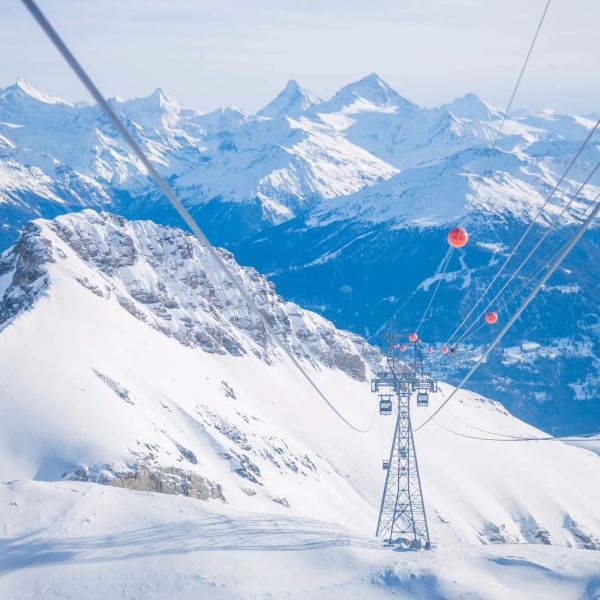
Crans-Montana 2027 World Championships President Resigns Ahead of Fraud Hearing
Less than four months out from the Crans-Montana 2027 World Championships, the man running the organising committee has stepped down. Claude-Alain Schmidhalter resigned as Swiss-Ski vice president and OC president after being indicted over a business dispute unrelated to skiing. He denies the allegations and faces court on October 27. Interim leaders are in place for the February 1-14 event.
9 Oct 2026
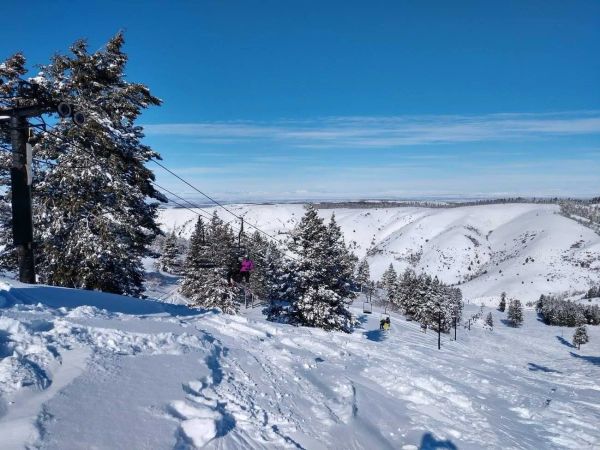
Kelly Canyon, Idaho, Adds Snowmaking, a Bigger Terrain Park and More Parking for 2026-27
Kelly Canyon had a rough 2025-26, and the Idaho resort has spent the summer making sure it doesn’t repeat. Snowmaking now reaches the top of Goldrush, the terrain park is doubling in size with a stereo system, lights and a snack shack, and the car park is getting bigger. Grooming is stepping up too. Target opening is December 4, conditions permitting.
9 Oct 2026
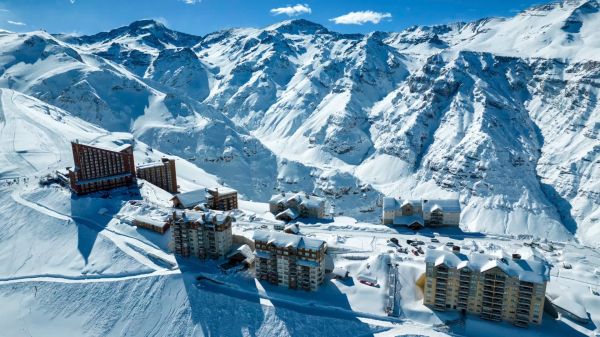
Valle Nevado Extends Season to November 8 After 108 cm in 48 Hours
Winter was meant to be winding down in Chile. Then Valle Nevado took 108 cm in 48 hours in early October, and the resort has pushed its closing date out to November 8 - its latest in 38 years of operation. That makes 143 days of skiing since opening day on June 19, with 690 cm banked for the season. Only part of the mountain is running while the storm settles, so check the mountain report before you plan a trip.
9 Oct 2026
Turoa Webcams
4 live angles across the mountain. Tap any camera to go full-screen.
About Turoa's live webcams
Check live conditions across Turoa with 4 real-time webcams showing snow, weather, and lift operations, updated every 10 minutes. Check high-elevation cams for powder visibility and base-area cams for crowd levels before you head up.
Camera guide
- Movenpick Line2020m
- This Turoa webcam sits at 2,020 metres on the upper mountain near the Movenpick line, where the High Noon Express six-seater chairlift provides access to New Zealand's highest lifted point at 2,322 metres. Updated every 10 minutes, this Turoa snow cam shows current conditions across the advanced and expert terrain that makes up 57% of the resort's 43 runs - steep volcanic faces, natural halfpipes and open powder fields shaped by Mt Ruapehu's raw geology. Use this cam to assess visibility and snow coverage on the upper slopes before committing to the drive up Ohakune Mountain Road.
- Turoa Alpine Meadow1600m
- Turoa's live cam at Alpine Meadow monitors the dedicated beginner zone at the 1,600-metre base area, where magic carpets and gentle slopes offer a sheltered introduction for first-time skiers and riders. This Turoa webcam updates every 15 minutes with views across the learner precinct and base facilities at the bottom of Mt Ruapehu's south-western face. Families planning a first visit can gauge snow conditions and activity levels through this cam before tackling the 19km sealed road from Ohakune.
- Turoa Giant Chairlift1800m
- Turoa's snow cam at the Giant Chairlift captures the mid-mountain zone at 1,800 metres, where one of two quad chairlifts circulates skiers through the resort's core intermediate terrain. This Turoa live cam updates every 10 minutes, revealing conditions across the slopes that connect the base area to the upper mountain and its 722-metre vertical drop - the longest in Australasia. Check this cam for a read on snow quality and cloud level through the mid-section before planning your route to the summit freeride zones above.
- Mountain View582m
- Located in the town of Ohakune at 582 metres, this Turoa web cam looks directly back at Mt Ruapehu's snow-covered south-western slopes, showing the full extent of the ski area from valley level. This unique Turoa snow cam updates every 15 minutes and gives a clear read on cloud cover, snow line and visibility across the mountain before you begin the 20-minute drive up to the resort. An essential first check for anyone staying in Ohakune - the primary base town for Turoa - particularly on days when weather systems can change conditions rapidly on the exposed volcanic terrain above.
Turoa snow cams FAQ
How often do Turoa snow cams update?
All Turoa snow cams and webcams update every 10 minutes with fresh images showing current mountain conditions. This frequent update schedule ensures you have access to near real-time conditions for planning your ski day at Turoa.
Which Turoa webcam shows the best powder conditions?
The high-elevation Movenpick Line webcam at 2,020m provides the clearest view of powder conditions and snowfall. These Turoa webcams capture fresh snow accumulation and visibility better than base area cameras.
Can I see Turoa lift queues on the webcams?
Yes. Multiple Turoa snow cams specifically show lift queue areas and chairlift operations, helping you time your arrival and avoid peak queue periods.
When is the best time to check Turoa snow cams?
Check Turoa webcams early morning (7-8am) for overnight snowfall assessment, and mid-afternoon for current crowd levels and weather. The live cams are most useful after storm events to assess fresh powder.
How can I check current conditions before buying Turoa lift tickets?
Use our Turoa webcams alongside the live snow report to assess conditions before purchasing lift tickets. The webcams show real-time visibility, snow quality, and operational status.
Do Turoa webcams work on mobile devices?
Yes. All Turoa snow cams and webcams are optimized for mobile viewing, so you can check live conditions from anywhere using your phone or tablet.
More Turoa intelligence: snow report, lift tickets, trail map, resort overview.