
Ohau
125 hectares, 400m vertical, 15 runs. Family-run field above Lake Ohau in New Zealand's South Island Mackenzie Basin.
Season 2026
Opens
20 June 2026
Closes
27 Sept 2026
Days open
99
Annual snow
2m
The Overview
Michael Fulton
Melbourne-based skier and snowboarder with 50+ resorts across 5 continents. Specialises in Australian resorts and international resort comparisons.
Ohau operates between 1425 and 1825 metres with 400 vertical metres across 125 hectares of skiable terrain. The field comprises 15 marked runs split 20 per cent beginner, 50 per cent intermediate and 30 per cent advanced, with no designated expert terrain. A 23-gun Techno Alpin snowmaking system covers the main Boulevard run, ensuring coverage from the June opening. The family-run operation has been managed by Mike and Louise Neilson since the mid-1980s, set in the Ohau Range between the Mackenzie Basin and the Main Divide.
The valley-contained layout favours off-piste riding over grooming, with only a handful of prepared runs. The Boulevard provides wide cruising from the chairlift summit to base, whilst Ridge Run demands a bootpack above the lift line to access untracked bowls. Advanced riders traverse to Escalator and the High Traverse for steeper pitches, or hike to the ridgeline for views across to Aoraki Mount Cook. Two small terrain parks service beginners and intermediates near the base and mid-mountain.
The day lodge sits steps from the car park, built from Oregon timber with a log burner, sun deck and the Avalunch Cafe. Lift queues rarely form and the skiable hectare-to-skier ratio keeps fresh snow accessible well into the afternoon. Lake Ohau Lodge, 20 minutes down the 9.6-kilometre access road, anchors the operation with 72 rooms, hot tubs, a bar and restaurant. The field's Māori name translates to windy place, though the turquoise lake views and Southern Alps panorama define the experience more than weather.
Ohau operates independently without pass affiliations, pricing adult day tickets from 135 to 160 New Zealand dollars depending on season. Lodge guests receive discounted rates and children under six ski free. The 2026 season runs 20 June to 27 September across 14 weeks. This suits families seeking uncrowded slopes, intermediates chasing consistent fall-line terrain, and advanced riders willing to hike for powder stashes beyond the single chairlift's reach.
400m
Vertical
15
Runs
309 acres
Skiable
2m
Annual snow
The Terrain
15 runs across 309 acres skiable
Ohau Snow Fields sits above Lake Ohau in the Mackenzie Basin, a treeless, wide-open mountain of about 125 hectares between 1,425 and 1,825 metres. Its 15 runs cover a 400-metre vertical, and the split favours the middle: 20% beginner, 50% intermediate and 30% advanced, with no expert terrain. Because nothing breaks the slopes, the whole mountain reads like one big natural amphitheatre, and the views run across to Aoraki Mount Cook and the Southern Alps. That openness also means weather and visibility shape the day more than at tree-lined fields, so conditions are worth checking before you drive up.
Intermediates have the largest share of the terrain, with broad bowls and rolling ridgelines that suit long, easy carving turns. Advanced skiers can traverse out along the Escalator and the High Traverse to reach steeper pitches, or climb to the ridge for extra vertical and a look across the valleys. Lifts are a mix of one chair and a T-bar, so the layout stays easy to understand. Ohau suits families, mid-level skiers and keen riders who like to earn their turns with a short hike, and it rewards anyone who prefers open skiing over groomed cruising.
Terrain split
15
runs
15 runs across 4 grades
Beginner3 runs · 20%
Intermediate8 runs · 50%
Advanced5 runs · 30%
Expert0 runs · 0%
Time it right
When to visit Ohau
The 2026 season opens 20 June and closes 27 September, spanning 14 weeks of operation. Most South Island fields target late June openings, though Ohau's elevation and snowmaking allow earlier access when natural cover permits. Historical seasons have run from late June through early October, with closures dependent on spring snow retention. The field typically operates daily once open, with occasional wind holds affecting the exposed upper mountain.
Ohau receives approximately 2.3 metres of natural snowfall annually, modest by New Zealand standards but augmented by reliable Main Divide weather systems. The 23-gun automated snowmaking system covers the Boulevard and main descents, crucial for June and early July when base depths build. The southeast-facing aspect preserves snow quality through midday sun, and the 1425-metre base elevation sits high enough to maintain coverage into September. Early season off-piste requires caution due to rock coverage until sufficient base accumulates.
July and August deliver peak powder conditions with the most consistent natural snowfall and coldest temperatures. September offers spring corn snow, longer daylight and fewer crowds as families return to school. Midweek visits from late June through early August provide the quietest slopes, whilst weekends draw day-trippers from Christchurch and Queenstown. The field rarely reaches capacity, making powder day timing less critical than at commercial resorts further south.
The events calendar remains low-key compared to larger fields, with occasional races and community days. No night skiing operates. Lodge guests can access the daily 9.15am shuttle up the access road, returning at day's end. The season pass program offers family and loyalty discounts for those buying before early June, and Lake Ohau Lodge accommodation packages bundle lift tickets at reduced rates throughout winter.
Season 2026
20 June 2026
Opens
27 Sept 2026
Closes
99
Days open
2 m
Annual snow
Getting there
Getting to Ohau, and where to stay
Ohau sits in the Mackenzie High Country on the Ohau Range's eastern slopes, part of the Main Divide separating Canterbury and Otago. The field overlooks Lake Ohau's southwestern shore at 1425 metres base elevation, cradled between the Ohau Range west and Ben Ohau Range east. The glacial lake stretches below in vivid turquoise, fed by snowmelt from the surrounding peaks. Aoraki Mount Cook rises 99 kilometres northwest, visible from the ridgeline on clear days.
Twizel lies 42 kilometres north and Omarama 42 kilometres south, both 30 minutes from the Highway 8 turnoff to Lake Ohau Road. The sealed 23-kilometre approach road hugs the lakeshore before reaching Lake Ohau Lodge. From the lodge, a 9.6-kilometre unsealed alpine road climbs 15 minutes to the ski field car park, steep and narrow with no barriers but maintained throughout winter. The Mackenzie Basin's stark tussock landscape and International Dark Sky Reserve designation define the broader region.
Christchurch Airport sits 320 kilometres northeast, a 3.5 to 4-hour drive via State Highway 1 through Ashburton, then west on Highway 8 past Lake Tekapo. Queenstown Airport lies 220 kilometres southwest, roughly 3 hours via Highway 6 and 8 through Cromwell and the Lindis Pass. Dunedin Airport is 275 kilometres southeast, a 3-hour drive. No commercial airports operate closer than 90 minutes, making self-drive the primary access method.
InterCity operates one daily bus from Christchurch to the Lake Ohau turnoff on Highway 8, requiring pre-arranged pickup for the final 23 kilometres. No public transport serves the field directly. Most visitors drive rental vehicles or stay at Lake Ohau Lodge, which runs a morning shuttle to the field. Chains or four-wheel-drive capability may be required on the access road during storms, available for hire at the lodge.
Where to stay
Search all stays →Hotels and lodges near Ohau, powered by Stay22.
Latest News
From the SnowStash desk

Vermont Ski Resort Opening Dates 2026-27: Few Dates Set, Killington Waits on the Cold
Vermont's season is slow to take shape. Stratton is tentatively targeting 18 November and Sugarbush 21 November, while Pico has Friday 11 December on the calendar. Killington never sets a date and opens when the snowmaking allows, and Vail Resorts has yet to name days for Stowe, Okemo and Mount Snow. The forecasts disagree about snow, and the main El Niño worry for the Green Mountains is warmth.
9 Oct 2026
Crans-Montana 2027 World Championships President Resigns Ahead of Fraud Hearing
Less than four months out from the Crans-Montana 2027 World Championships, the man running the organising committee has stepped down. Claude-Alain Schmidhalter resigned as Swiss-Ski vice president and OC president after being indicted over a business dispute unrelated to skiing. He denies the allegations and faces court on October 27. Interim leaders are in place for the February 1-14 event.
9 Oct 2026
Kelly Canyon, Idaho, Adds Snowmaking, a Bigger Terrain Park and More Parking for 2026-27
Kelly Canyon had a rough 2025-26, and the Idaho resort has spent the summer making sure it doesn’t repeat. Snowmaking now reaches the top of Goldrush, the terrain park is doubling in size with a stereo system, lights and a snack shack, and the car park is getting bigger. Grooming is stepping up too. Target opening is December 4, conditions permitting.
9 Oct 2026
Valle Nevado Extends Season to November 8 After 108 cm in 48 Hours
Winter was meant to be winding down in Chile. Then Valle Nevado took 108 cm in 48 hours in early October, and the resort has pushed its closing date out to November 8 - its latest in 38 years of operation. That makes 143 days of skiing since opening day on June 19, with 690 cm banked for the season. Only part of the mountain is running while the storm settles, so check the mountain report before you plan a trip.
9 Oct 2026
Alps Snow Forecast: Cold Front Brings Thursday Snow to the High Alps
The Alps look a lot more like winter today, for a day or so. A cold front is moving west to east, dropping up to 35 cm on high glaciers and peaks, with snow levels falling to around 1,500-1,800 m at times. Don’t plan a trip around it: mid-elevation snow will be thin and wet, every area is closed bar a limited Sölden glacier opening tomorrow, and warmer weather returns by Monday.
8 Oct 2026
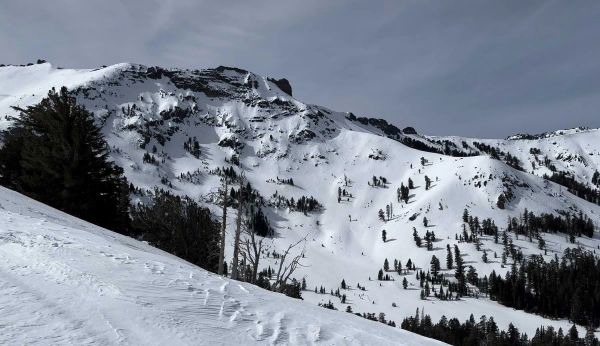
California Ski Resort Opening Dates 2026-27: Mammoth Leads, Tahoe Follows
Mammoth Mountain is first up in California, targeting Friday 13 November after a dusting of September snow. Heavenly and Northstar follow on 20 November, Palisades Tahoe on Wednesday 25 November and Sugar Bowl on 27 November, with Kirkwood on 4 December and June Mountain on 19 December. Plenty of smaller areas have no date yet. A super El Niño favours the Sierra, but a warmer storm track is the catch.
7 Oct 2026
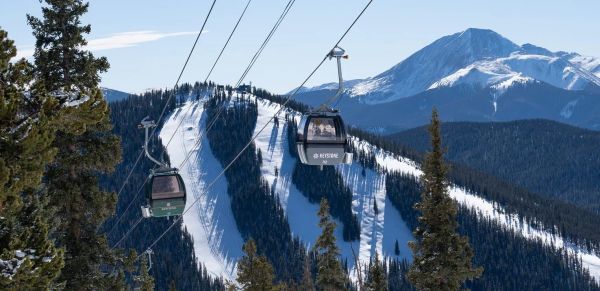
Colorado Ski Resort Opening Dates 2026-27: A-Basin and Keystone Race to Be First
Arapahoe Basin, Keystone and Winter Park are all chasing an October start, though none has a firm date yet. The first dated openers are Breckenridge and Copper on Friday 6 November, then Vail on 13 November, with most of the rest bunched around US Thanksgiving. Hesperus did not open at all last season. A super El Niño offers hope but no guarantee, and forecasters say the southern mountains have the better odds.
5 Oct 2026
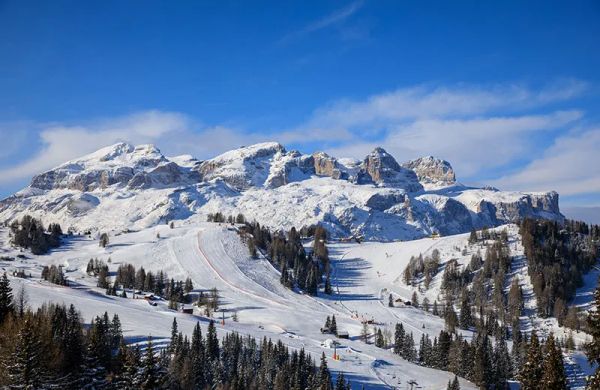
Dolomiti Superski 2026-27: Four New Gondolas, New Reservoirs and an €89 Peak Day Pass
Dolomiti Superski is spending around €100 million across its 12 areas before winter. Kronplatz gets a new 10-passenger gondola with a middle station, 3 Zinnen gets Helmissimo, and Val di Fassa swaps a chairlift for a gondola above Col Valvacin. New water-storage basins and upgraded snowmaking follow, and construction has started on the San Martino to Passo Rolle link. A peak adult day pass is €89.
4 Oct 2026