
The Remarkables
Ski 385 hectares across three alpine bowls from 1,475–1,943m, with the Southern Hemisphere's only Burton Stash, 45 min from Queenstown.
Season 2026
Opens
13 June 2026
Closes
11 Oct 2026
Days open
120
Annual snow
3m
The Overview
Michael Fulton
Melbourne-based skier and snowboarder with 50+ resorts across 5 continents. Specialises in Australian resorts and international resort comparisons.
The Remarkables is a big-mountain ski area set high in one of the world's most visually striking alpine ranges, rising sharply from the southeastern shore of Lake Wakatipu just 45 minutes from downtown Queenstown. The resort spans 385 hectares across three sheltered mountain bowls between 1,475m and 1,943m, with a 468m vertical drop and 46 runs graded 30% beginner, 40% intermediate and 30% advanced.
The Remarkables mountain range is one of only two in the world that runs directly north to south, and the ski area's horseshoe-shaped bowl layout provides natural protection from prevailing weather while catching generous afternoon sun on the base-area deck. Average annual snowfall of 3.67 metres — the highest of any resort in the Queenstown region — is supplemented by 158 snowmaking guns covering all key trails and terrain parks.
The resort hosts the Burton Stash, one of only six in the world and the only one in the Southern Hemisphere — a terrain feature designed in partnership with Burton Snowboards using natural materials integrated into the mountainside. Two additional terrain parks and a dedicated freestyle zone in Curvey Basin round out a strong freestyle offering. The Remarkables has also been selected to host the Freeride World Tour Academy, recognising the quality of its steep, natural big-mountain terrain.
The resort is operated by NZSki alongside Coronet Peak and Mt Hutt, with all three covered by the 3 Peak Season Pass. The Remarkables is also accessible on the Ikon Pass and Mountain Collective, and NZSki offers a unique Parent Pass — a shared day ticket for two parents to take turns on the mountain while the other stays with the family.
468m
Vertical
46
Runs
951 acres
Skiable
3m
Annual snow
Ikon / Mountain Collective
Pass
The Terrain
46 runs across 951 acres skiable
This is a test to see if the content comes through.
Terrain split
46
runs
46 runs across 4 grades
Beginner14 runs · 30%
Intermediate18 runs · 40%
Advanced14 runs · 30%
Expert0 runs · 0%
Time it right
When to visit The Remarkables
The Remarkables operates from mid-June through to early October, with the 2026 season running from 13 June to 11 October. The resort's higher elevation relative to neighbouring Coronet Peak — base at 1,475m versus 1,187m — delivers both heavier natural snowfall and better snow preservation, with an average of 3.67 metres per season excluding snowmaking contributions.
The most reliable conditions fall between mid-July and September, with base depths at their peak through August and September. The resort's sheltered bowl terrain holds snow well even during warmer spells, and the extensive snowmaking system ensures key runs remain in good condition throughout the season window.
Spring skiing in September and early October offers warmer days, softer snow and thinner crowds. The afternoon sun that floods the base area and lower bowls makes late-season sessions particularly pleasant, with the deck outside the base lodge a popular spot for soaking up the views across to Coronet Peak and the Wakatipu Basin.
New Zealand school holidays in July typically bring the highest visitor numbers. The three-bowl layout helps distribute skier traffic, and the combination of covered learner conveyors at the base and high-capacity six-person chairs on the upper mountain keeps the system moving efficiently even on busy days.
Season 2026
13 June 2026
Opens
11 Oct 2026
Closes
120
Days open
3 m
Annual snow
Getting there
Getting to The Remarkables, and where to stay
The Remarkables sits 24km from central Queenstown, accessed via the Remarkables Road — a route that begins on sealed highway before transitioning to an unsealed mountain road for the final kilometres up to the base area at 1,475m. The drive takes approximately 45 minutes from town, and chains may be required on the upper access road during and after snowfall. Several car parks are staggered along the approach, with a shuttle service running between them and the base building.
Daily ski bus services operate from Queenstown's Snow Centre at 25 Shotover Street, with hotel pick-ups available en route. Carpooling incentives give vehicles with three or more passengers access to priority parking closer to the base. MyPass kiosks are located at Queenstown Airport (beside baggage claim), the Snow Centre in town, and on the mountain.
Queenstown Airport is the nearest gateway, approximately 30 minutes from the base of the access road, with domestic connections from Auckland, Wellington and Christchurch and direct international flights from Australian east-coast cities. Wānaka is roughly one hour away, and Invercargill approximately two hours to the south.
The base building houses a fully licensed restaurant and bar, a café, a retail shop, rental department, snowsports school and the Skiwiland childcare centre. The striking visual backdrop of the Remarkables range — sheer rock faces, glacial cirques and the towering Double Cone summit at 2,319m above — makes the drive up and the views from the ski area among the most dramatic of any resort in Australasia.
Where to stay
Search all stays →Hotels and lodges near The Remarkables, powered by Stay22.
Latest News
From the SnowStash desk

Utah Ski Resorts 2026-27: What’s New at Alta, Deer Valley, Powder Mountain and More
Utah is still building flat out. For 2026-27, Powder Mountain opens a steep new Skytrac chair into more than 1,000 acres of advanced terrain, Deer Valley adds 200 acres on Hail Peak, Sundance gets a new quad and Park City adds a gondola from its new parking structure. Snowmaking is expanding almost everywhere, Eagle Point stays closed after the Cottonwood Fire, and the 2034 Games are setting the pace. Here’s what’s new, resort by resort.
13 Oct 2026

Vermont Ski Resort Opening Dates 2026-27: Few Dates Set, Killington Waits on the Cold
Vermont's season is slow to take shape. Stratton is tentatively targeting 18 November and Sugarbush 21 November, while Pico has Friday 11 December on the calendar. Killington never sets a date and opens when the snowmaking allows, and Vail Resorts has yet to name days for Stowe, Okemo and Mount Snow. The forecasts disagree about snow, and the main El Niño worry for the Green Mountains is warmth.
9 Oct 2026
Crans-Montana 2027 World Championships President Resigns Ahead of Fraud Hearing
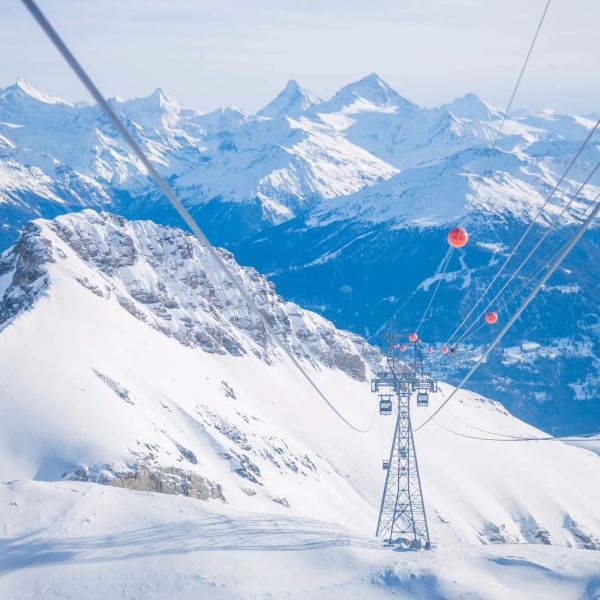
Less than four months out from the Crans-Montana 2027 World Championships, the man running the organising committee has stepped down. Claude-Alain Schmidhalter resigned as Swiss-Ski vice president and OC president after being indicted over a business dispute unrelated to skiing. He denies the allegations and faces court on October 27. Interim leaders are in place for the February 1-14 event.
9 Oct 2026
Kelly Canyon, Idaho, Adds Snowmaking, a Bigger Terrain Park and More Parking for 2026-27
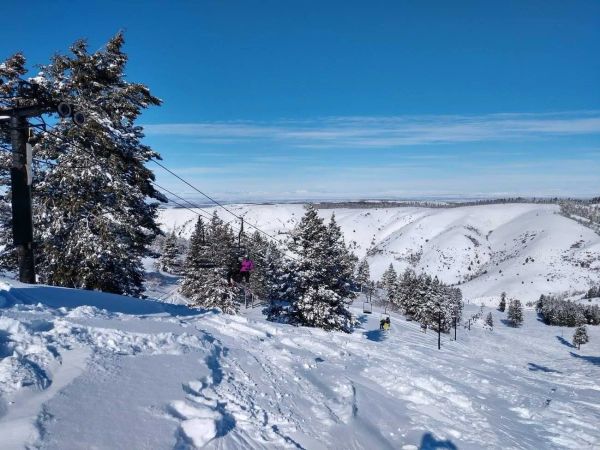
Kelly Canyon had a rough 2025-26, and the Idaho resort has spent the summer making sure it doesn’t repeat. Snowmaking now reaches the top of Goldrush, the terrain park is doubling in size with a stereo system, lights and a snack shack, and the car park is getting bigger. Grooming is stepping up too. Target opening is December 4, conditions permitting.
9 Oct 2026
Valle Nevado Extends Season to November 8 After 108 cm in 48 Hours
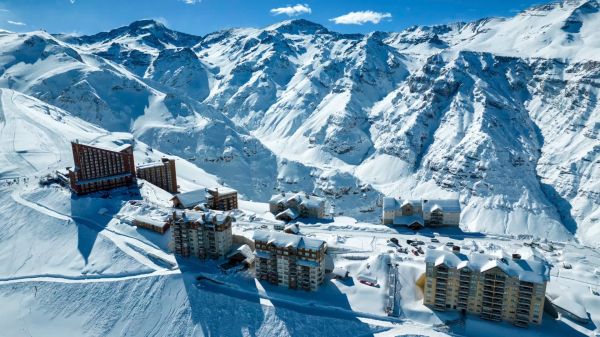
Winter was meant to be winding down in Chile. Then Valle Nevado took 108 cm in 48 hours in early October, and the resort has pushed its closing date out to November 8 - its latest in 38 years of operation. That makes 143 days of skiing since opening day on June 19, with 690 cm banked for the season. Only part of the mountain is running while the storm settles, so check the mountain report before you plan a trip.
9 Oct 2026
Alps Snow Forecast: Cold Front Brings Thursday Snow to the High Alps
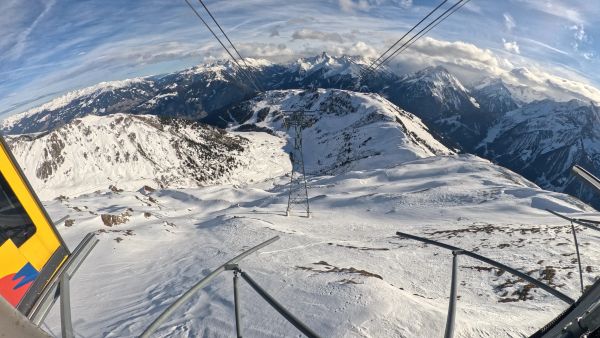
The Alps look a lot more like winter today, for a day or so. A cold front is moving west to east, dropping up to 35 cm on high glaciers and peaks, with snow levels falling to around 1,500-1,800 m at times. Don’t plan a trip around it: mid-elevation snow will be thin and wet, every area is closed bar a limited Sölden glacier opening tomorrow, and warmer weather returns by Monday.
8 Oct 2026
California Ski Resort Opening Dates 2026-27: Mammoth Leads, Tahoe Follows
Mammoth Mountain is first up in California, targeting Friday 13 November after a dusting of September snow. Heavenly and Northstar follow on 20 November, Palisades Tahoe on Wednesday 25 November and Sugar Bowl on 27 November, with Kirkwood on 4 December and June Mountain on 19 December. Plenty of smaller areas have no date yet. A super El Niño favours the Sierra, but a warmer storm track is the catch.
7 Oct 2026
Colorado Ski Resort Opening Dates 2026-27: A-Basin and Keystone Race to Be First
Arapahoe Basin, Keystone and Winter Park are all chasing an October start, though none has a firm date yet. The first dated openers are Breckenridge and Copper on Friday 6 November, then Vail on 13 November, with most of the rest bunched around US Thanksgiving. Hesperus did not open at all last season. A super El Niño offers hope but no guarantee, and forecasters say the southern mountains have the better odds.
5 Oct 2026