TL;DR
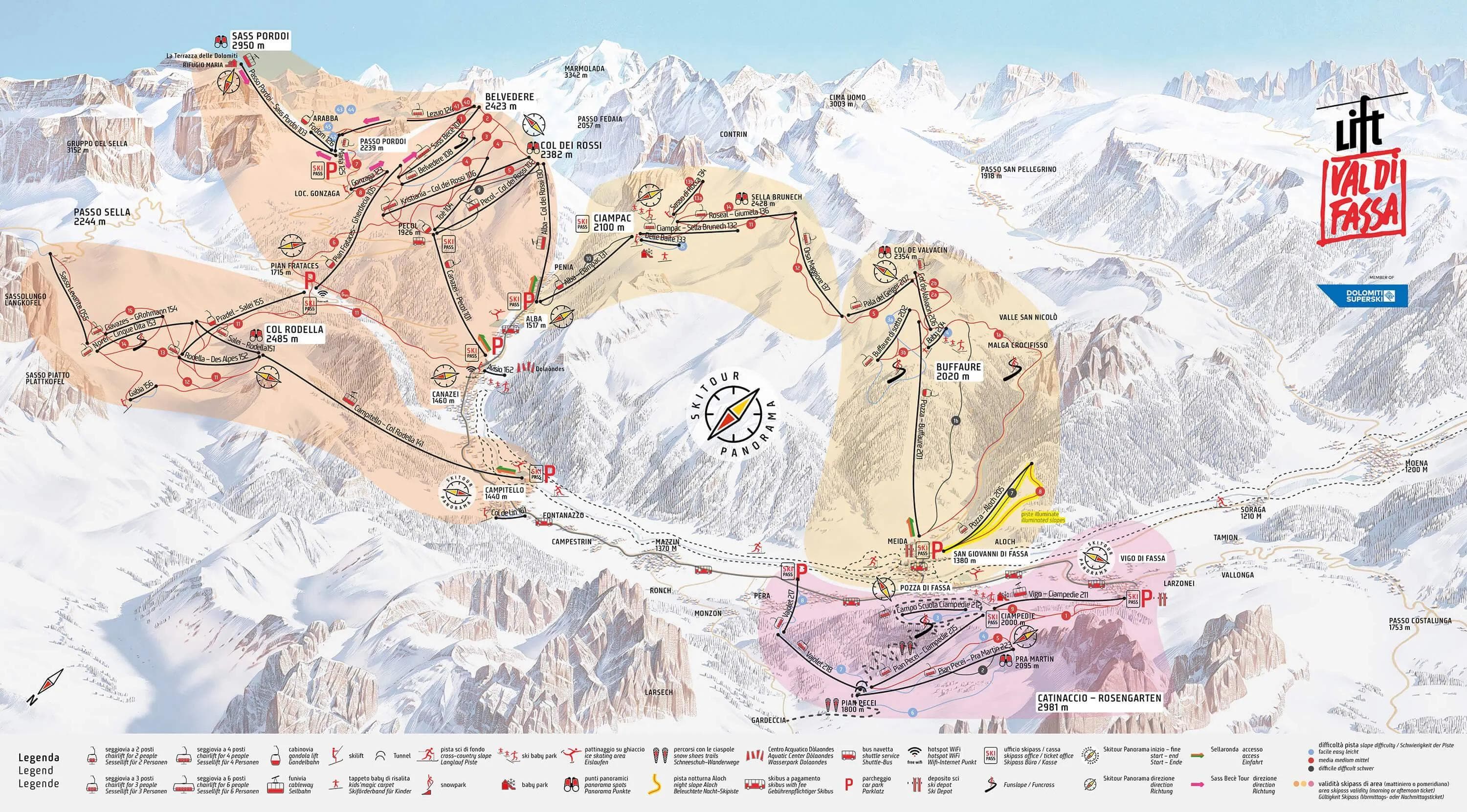
The Dolomites have added another tri-cable gondola to their lift infrastructure, with Campitello di Fassa's new 3S installation to Col Rodella opening December 19th. The 2,200 people-per-hour system replaces older infrastructure on this key Sellaronda access point, though whether the Italian resort needed Italy's 'most modern ropeway' for what's essentially a commuter lift is another question.
Italian Dolomites Add Another Tri-Cable System
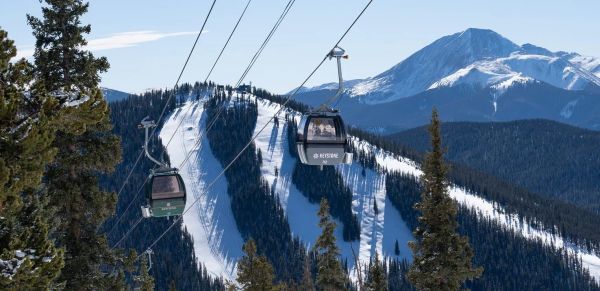
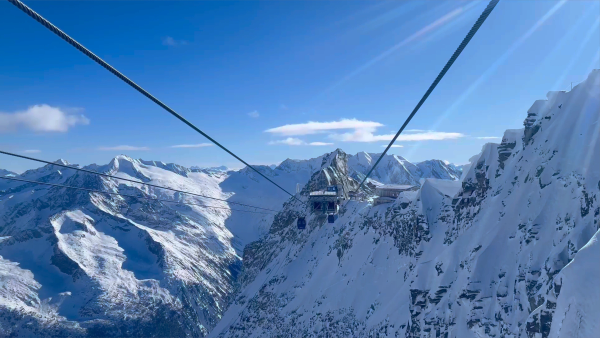
Campitello di Fassa opened a new Doppelmayr 3S gondola to Col Rodella on December 19th, replacing older lift infrastructure on what's effectively a critical commuter route into the Sellaronda circuit. The tri-cable system—which uses two fixed carrying cables and one haul rope—joins a growing list of 3S installations in the European Alps, though this technology remains relatively uncommon globally due to its substantial cost.
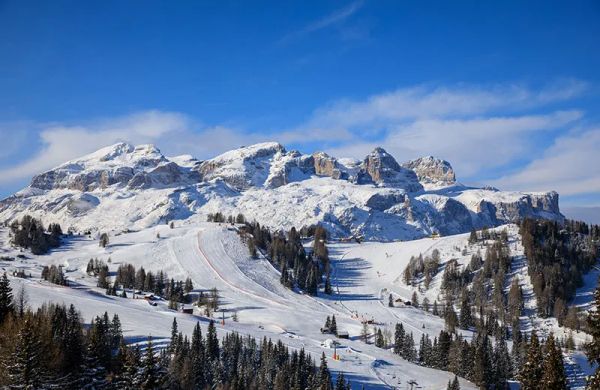
The 2,200 people-per-hour capacity represents a significant upgrade for this Sellaronda access point, which has historically been a bottleneck during peak periods. Col Rodella serves as a junction point for the famous four-pass ski circuit, making lift capacity here more about traffic management than resort ambition. Whether Campitello needed what's being marketed as 'Italy's most modern ropeway' for what amounts to a mountain shuttle is debatable, but the Dolomite resorts have never been shy about infrastructure investment.
The installation features 18 cabins initially, expanding to 22, each seating 30 passengers. That's relatively modest cabin numbers for a 3S system—compare this to the Eibsee 3S at Zugspitze with 44 cabins—which suggests the line length and terrain didn't require the maximum configuration. The system includes the expected tri-cable advantages: high wind stability, smooth riding characteristics, and the ability to maintain consistent uphill capacity that detachable quad chairs simply can't match in exposed alpine terrain.
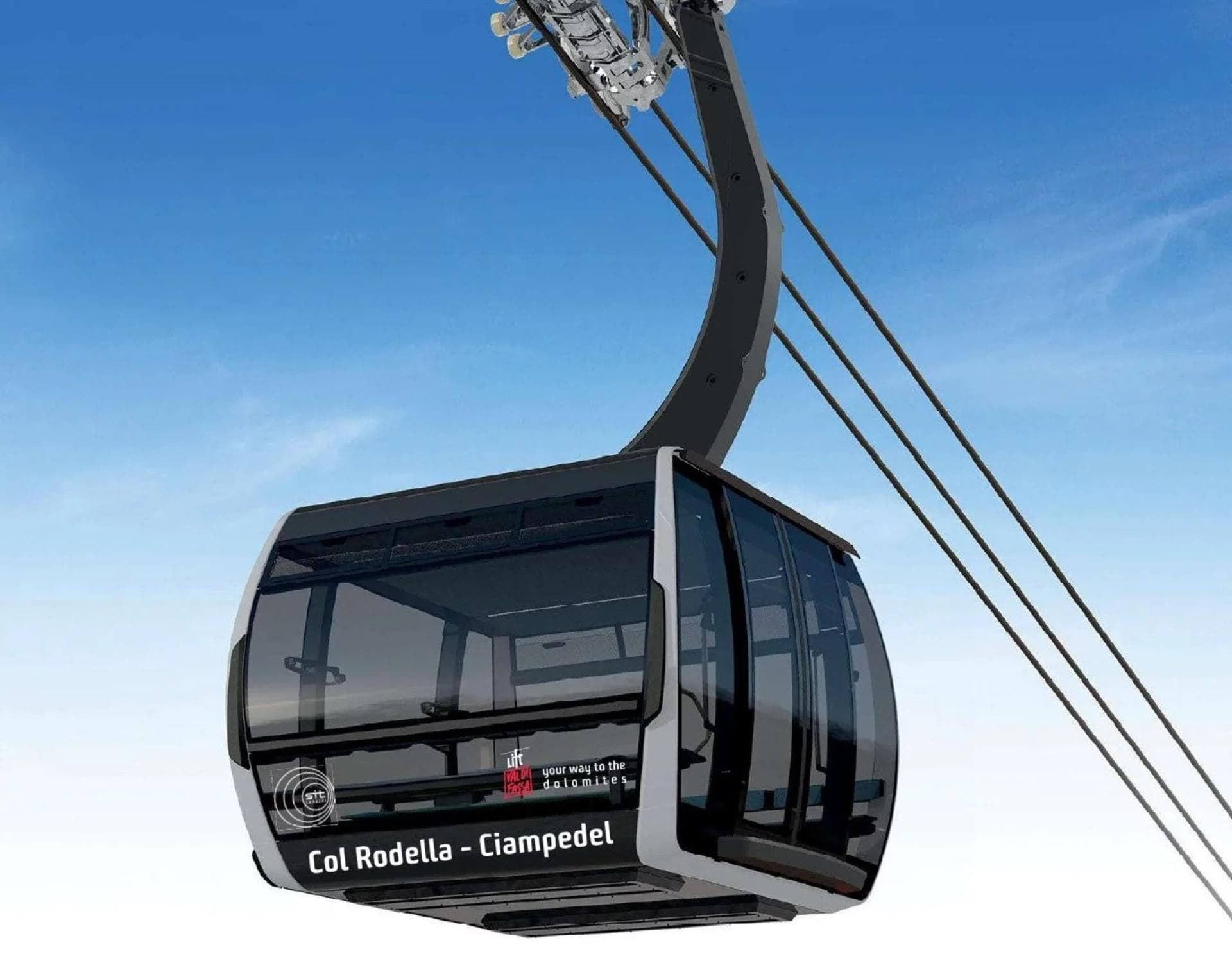
### Infrastructure Details and Summer OperationsThe technical specifications follow standard Doppelmayr 3S design: cabins run on two fixed carrying cables while a separate haul rope provides propulsion, allowing speeds up to 7.5 metres per second whilst maintaining stability in crosswinds that would shut down conventional gondolas. At stations, cabins automatically decelerate for boarding, which genuinely does improve accessibility compared to the hurried scramble onto older detachable systems.Inside, the cabins feature heated seats, information displays, and direct communication with lift operators—all standard inclusions at this price point, not revolutionary features. The 'panoramic glass' is marketing speak for what are simply large windows, though the views across the Dolomites from this route are legitimately impressive when weather cooperates.SITC Canazei Spa, the lift operator, emphasises summer transport capability, with some cabins equipped for hang gliders and flexible interior configurations for bikes and paragliding equipment. This dual-season justification is increasingly common for major lift investments in the Alps, where resorts desperately need summer revenue to offset shorter, less reliable winter seasons. Whether summer sightseeing rides will generate sufficient return on what was undoubtedly a €30-40 million investment remains to be seen.The station redesign moved the upper terminal back from its previous location, supposedly improving ski-out access, whilst burying most technical infrastructure underground. The lower station now consolidates ticket sales, ski school, and rental operations—a functional improvement that should reduce the chaos typical of Italian resort base areas during peak periods. Heat recovery from the drive motors provides station heating, which is sensible engineering rather than groundbreaking environmental innovation.