TL;DR
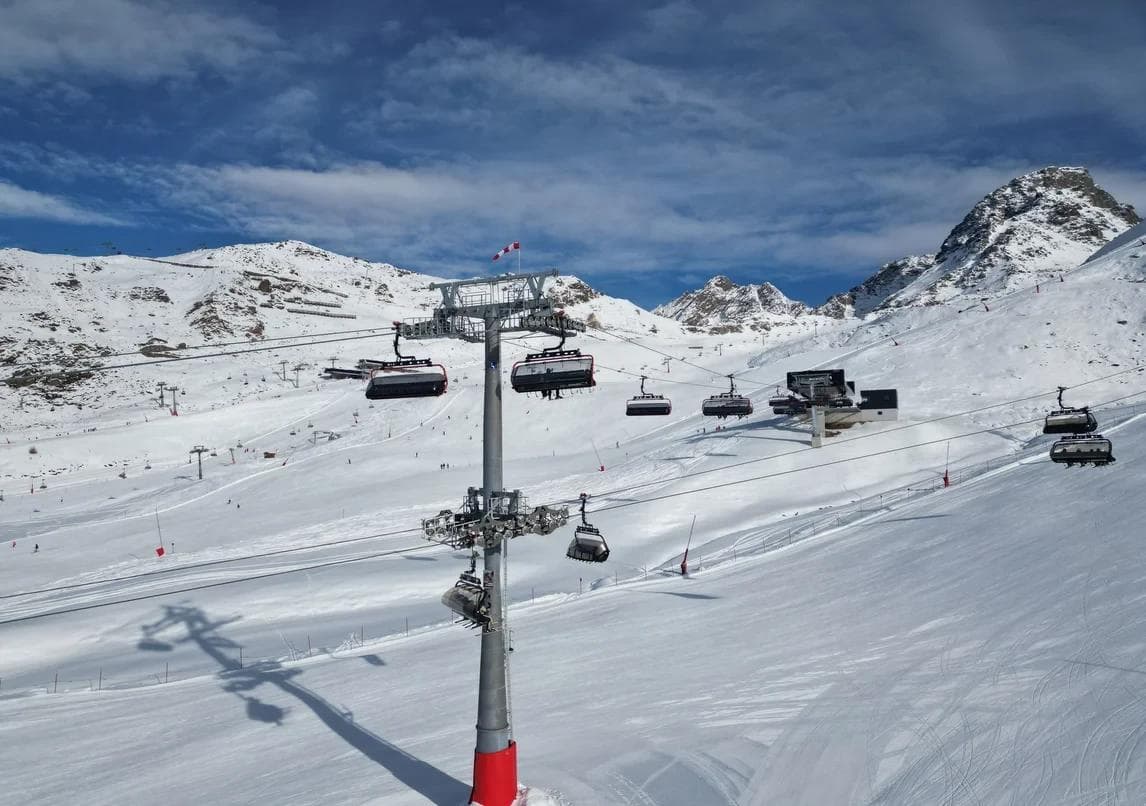
Ischgl has opened two new eight-seat chairlifts, including what it claims is the world's shortest heated eight-seater. The Höllbodenbahn and Sassgalunbahn installations mark the latest phase in the Austrian resort's ongoing lift replacement programme, with another project already scheduled for 2026.
Ischgl Adds Two Lifts in Week-Long Turnaround
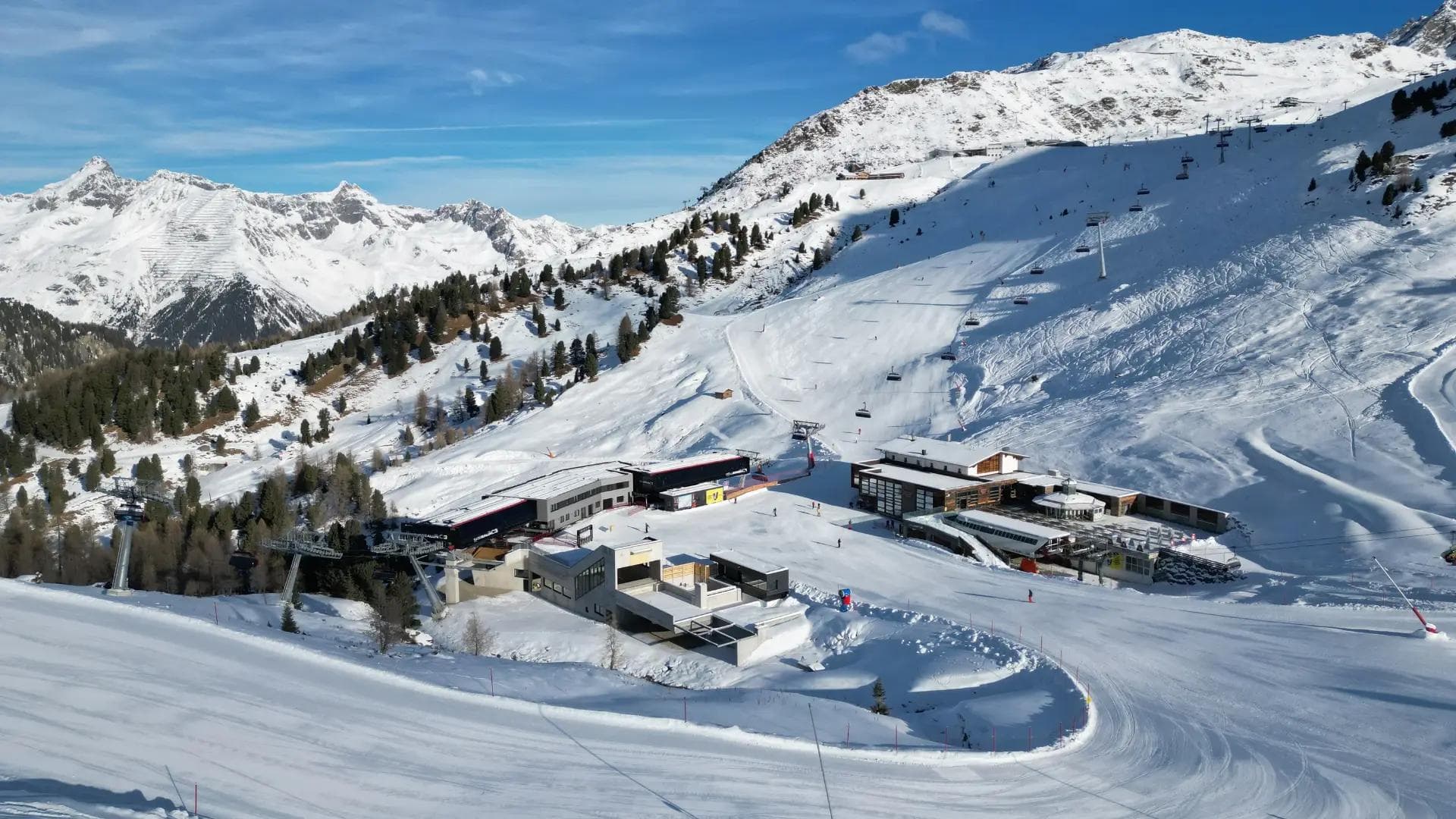
Ischgl put two new chairlifts into service on November 27, just seven days after securing operating permits. The Höllbodenbahn C1 and Sassgalunbahn C3 represent the latest upgrades at the Tyrolean resort, which has been systematically replacing aging infrastructure over recent seasons.
Both are eight-seat chairlifts with heated seats and weather protection—standard features on modern Austrian lift installations at this price point. The Höllbodenbahn crosses over two existing chairlifts (Idjoch and Flimjoch) via a 27-metre tower, creating what Ischgl claims is a theoretical capacity of 7,400 people per hour at that junction point. That's an interesting engineering detail, though actual throughput depends on loading efficiency at base stations rather than mid-line tower capacity.
The resort is making much of the Sassgalunbahn holding a world record as the shortest eight-seat chairlift with heated seats and a hood. It's the kind of oddly specific claim that suggests someone at Doppelmayr has too much time on their hands, but it does indicate the lift serves a genuinely short vertical—likely a beginner area or connector route.
Both lifts feature Doppelmayr's AURO system, which uses cameras and sensors to monitor operations and can automatically slow or stop the lift when the AI detects potential issues. This technology has been rolling out across European resorts over the past few years and represents a genuine safety improvement, particularly for detecting issues with loading and unloading.Whether the system significantly reduces incidents in practice remains to be seen—most chairlift accidents involve user error during boarding rather than mechanical failures that sensors would catch. Still, it's preferable to older manual monitoring systems and likely reduces operator workload. has added themed designs to the chair backs: the Höllbodenbahn features imagery from the resort's Top of the Mountain concerts, while the Sassgalunbahn displays motifs from the Silvretta Therme spa. It's pure marketing integration—turning lift infrastructure into mobile advertising for the resort's other revenue streams. At least skiers and riders staring at chair backs ahead of them get something more interesting to look at than blank metal.The quick turnaround from permit approval to operation (November 20 to November 27) is efficient by Austrian standards, where regulatory processes can drag on. It suggests Ischgl had construction substantially completed and was simply waiting for bureaucratic sign-off.