TL;DR
A 30-year-old ski patroller has died from injuries sustained during avalanche control operations at Mammoth Mountain on 26 December. The incident raises questions about patroller safety protocols during extreme storm cycles and marks the second fatal inbounds avalanche at the California resort in less than a year.
Patroller Fatality During Storm Cycle Operations
Cole Murphy, a 30-year-old ski patroller at Mammoth Mountain, has died from injuries sustained in an inbounds avalanche while conducting avalanche mitigation work on 26 December. The incident occurred on Lincoln Mountain during morning avalanche control operations as the California resort dealt with a significant storm cycle that deposited 185cm of snow over five days.
Mammoth closed for two consecutive days following the incident—an operational decision that speaks to the severity of conditions and the complexity of the rescue and investigation efforts. The resort reopened on 28 December with limited terrain access.
A second patroller caught in the slide sustained minor injuries and was treated on site. The Inyo County Sheriff's Office is investigating the incident alongside resort officials, though details about what triggered the avalanche during control work have not been released.

### Pattern of Inbounds Avalanche Fatalities
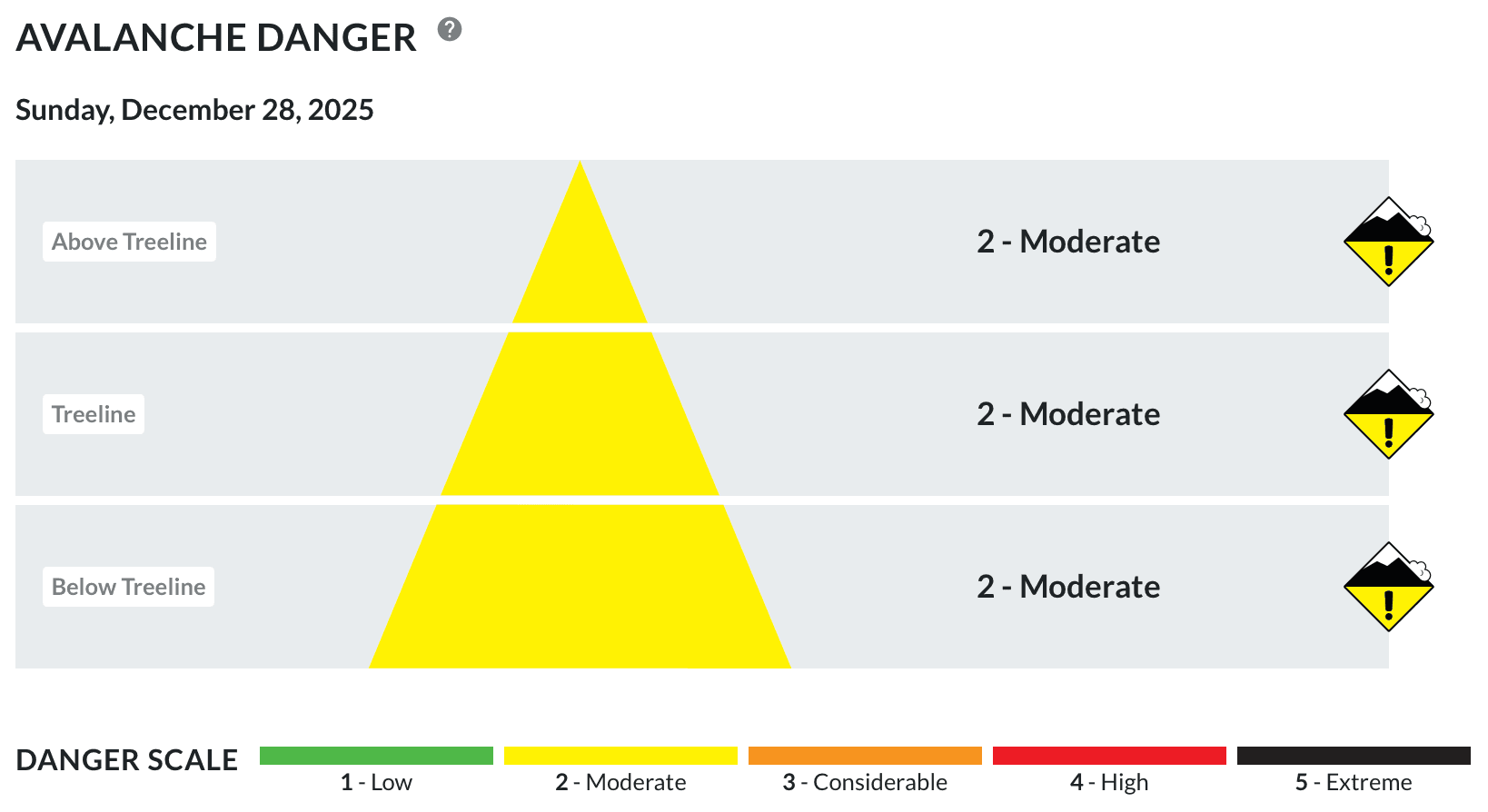
This marks the second fatal inbounds avalanche involving a patroller at Mammoth Mountain in less than a year. In February 2025, another veteran patroller died during mitigation work on the same peak. That the resort has now lost two patrollers to inbounds avalanches in a ten-month span on the same terrain raises legitimate questions about risk assessment protocols during extreme weather events.Ski patrol work is inherently dangerous, particularly during avalanche mitigation operations in the midst of active storm cycles. Patrollers routinely place themselves in hazardous situations before terrain opens to the public—it's fundamental to their role. However, two fatalities in such close succession at the same location suggests this warrants serious examination of procedures, terrain assessment, and the decision-making framework used during high-risk conditions.The Eastern Sierra Avalanche Center rated conditions as moderate at the time, noting that "avalanche hazard increases as you gain elevation into terrain affected by the wind." Moderate doesn't mean safe—it sits in the middle of a five-tier scale and indicates that avalanches are possible on specific terrain features. For patrollers conducting active mitigation work, this creates complex operational challenges.Mammoth's safety messaging following the incident emphasised partner awareness and communication: "Stick with your crew. Communicate constantly. Keep eyes on your partner." The resort highlighted tree-well dangers and deep-snow hazards as operations resumed with limited terrain. Lower mountain lifts including Roller Coaster Express, Chair 7, Chair 8, and Eagle Express were operating, with upper mountain terrain remaining closed for assessment.