TL;DR
Tamarack Resort in Idaho has opened for the 2025-26 season on December 22, running three lifts with upper-mountain-only access. The delayed opening follows limited early snowfall, with skiers restricted from accessing lower mountain terrain as operations teams work to expand coverage.
Late Opening Highlights Early Season Snow Challenges
Tamarack Resort has opened for the 2025-26 season on December 22, running three lifts with access limited to upper mountain terrain only. The Idaho resort is prohibiting skiers from using lower mountain runs accessed via Tamarack Express during early operations, requiring guests to download on the lift or use shuttle service back to base facilities.
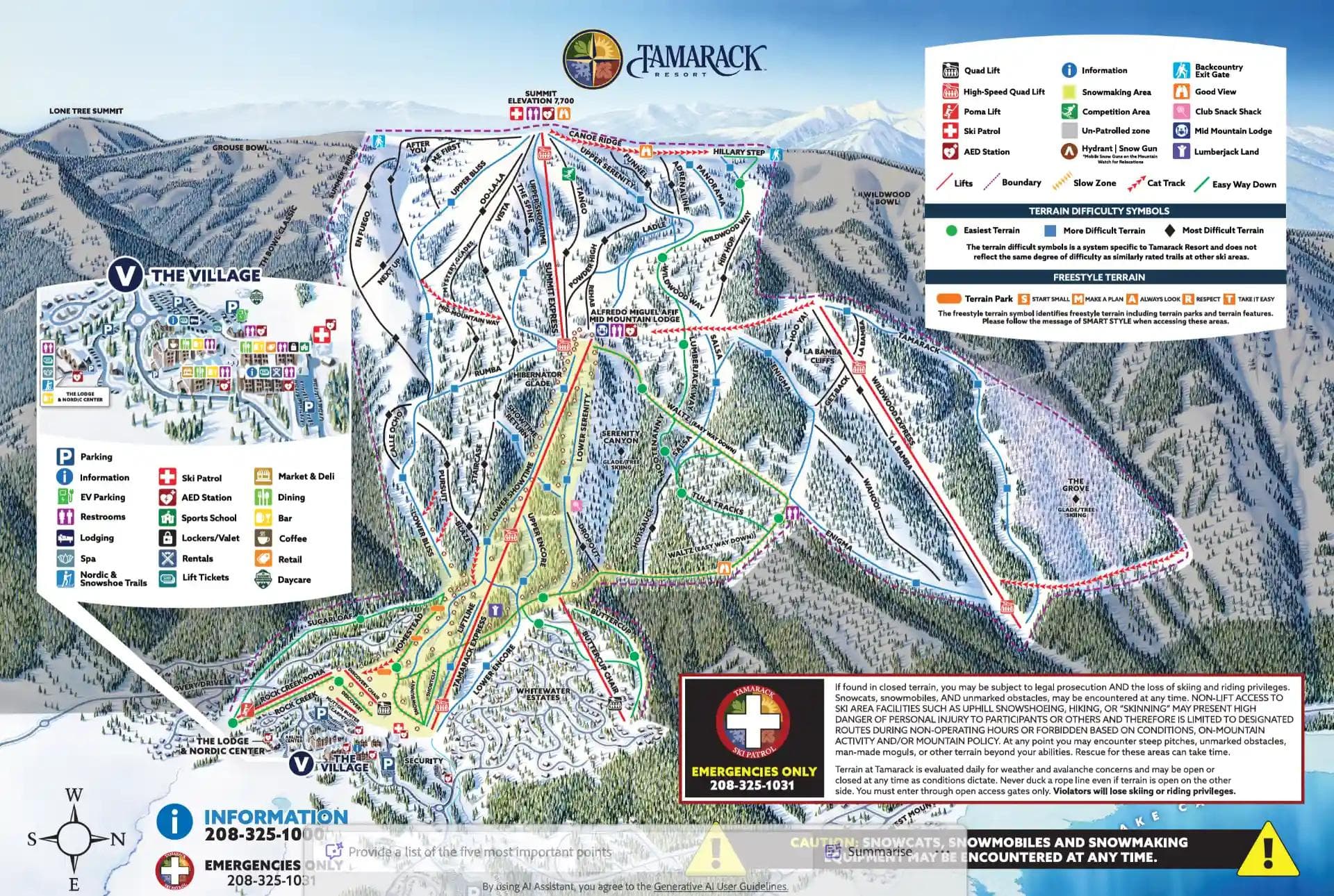
The restricted opening reflects what the resort acknowledges as "limited early-season snowfall" across its 1,610-acre terrain footprint. Operations will run from 9 a.m. to 4 p.m., with Discovery Chair, Tamarack Express, and Summit Express spinning. The resort is operating Mid-Mountain Lodge from 10 a.m. to 3 p.m. for food service, though skiers will need to rely on dial-a-ride shuttle service for base area access given the prohibition on skiing lower terrain.
A December 22 opening date puts Tamarack behind many Western resorts that typically target Thanksgiving weekend operations. The resort claims "heavy snowfall and continued snowmaking efforts" enabled the opening, though the operational restrictions and upper-mountain-only access suggest coverage remains marginal at best.
Tamarack Resort on Instagram
Operational Workarounds and New Terrain Claims
The operational setup requires skiers to lap Summit Express, exit via Tamarack Express without skiing down, then shuttle back to repeat the process. This configuration effectively reduces the resort's functional terrain to whatever's accessible from the summit via the top chair. The resort frames this as allowing "safe, enjoyable skiing" while crews prepare additional terrain, though it's worth noting this setup significantly limits vertical and eliminates progression options for intermediate skiers who might struggle with summit-accessed terrain. is promoting two new ski runs and approximately 50 acres of expanded terrain added following the Rock Fire. The resort characterises these additions as "enhancing intermediate and advanced offerings" while supporting forest health. Post-fire terrain expansion is increasingly common across Western resorts, where wildfires create opportunities to add runs through previously undesirable or inaccessible areas. The quality and character of fire-recovery terrain varies considerably depending on slope aspects, remaining vegetation, and how heavily areas burned.When fully operational, runs 1,610 acres across 57 named runs with a 2,800-foot vertical rising to 7,700 feet. The terrain breakdown—17% beginner, 45% intermediate, 38% advanced—positions it as a solid intermediate mountain with limited advanced options compared to Idaho's more technical resorts. The resort averages 300 inches annually, respectable for central Idaho though well below the 400-500 inch totals that marquee destinations further north regularly receive.