TL;DR
A Robinson R44 helicopter struck ski lift cables at Ashatly Park recreation centre in Russia's Perm region, killing two oil and gas industry executives. The incident raises questions about flight authorisation and safety protocols at ski resorts with helicopter operations.
Fatal Helicopter Collision With Ski Lift Infrastructure
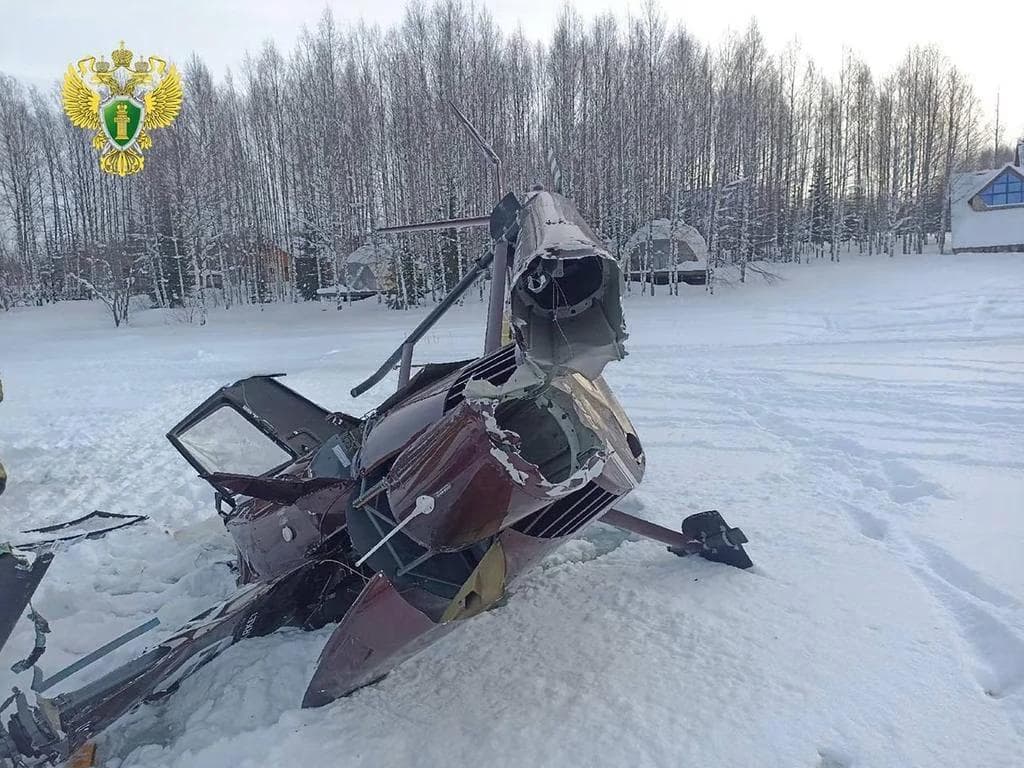
A Robinson R44 helicopter crashed at Ashatly Park recreation centre in Russia's Perm region after colliding with ski lift cables, killing two executives from an oil and gas transport company. Video footage shows the aircraft approaching the lift infrastructure at low altitude before becoming entangled in the cables and falling to the ground.
The victims were identified as Ilyas Gimadutdinov, 41, founder of Tattranskom, and Elmir Konyakov, 40, head of convoy operations at the same company. Tattranskom provides transport services to Russia's oil and gas sector and reported annual turnover of $37 million. Both men leave behind families.
The resort closed immediately following the incident. While social media speculation suggests the flight may have been unauthorised, Russian authorities have not confirmed this detail. The lack of official statement on flight authorisation raises obvious questions about whether proper clearances were obtained and whether the pilot was aware of the lift cable positions.

The incident highlights ongoing safety concerns around helicopter operations near ski infrastructure. Ski lift cables, particularly when spanning valleys or running across terrain at varying heights, present significant hazards to low-flying aircraft. Most ski resorts with proximate helicopter operations maintain strict no-fly zones and altitude restrictions, though enforcement varies considerably by jurisdiction.Russia's ski industry has seen increased development in recent years, with facilities like Ashatly Park catering to domestic markets. However, regulatory oversight of aviation safety standards near recreational facilities remains inconsistent across the country's regions. The Perm region, located in the Ural Mountains, has several ski operations, though they're not typically on international skiers' radar.The Robinson R44 is a popular light helicopter used globally for recreational and business aviation. It seats four and is commonly employed for sightseeing flights and executive transport. While generally considered reliable, the aircraft's light weight makes it particularly vulnerable in cable strike scenarios, where even brief contact can cause catastrophic control loss.For context, helicopter incidents at ski resorts aren't frequent but they're not unheard of either. Alpine resorts in Europe and North America typically maintain clear protocols separating helicopter flight paths from lift infrastructure, particularly given the prevalence of heli-skiing operations in some regions. The fact that this helicopter appeared to be flying at lift-line height suggests either navigation error, mechanical failure, or unfamiliarity with the terrain.