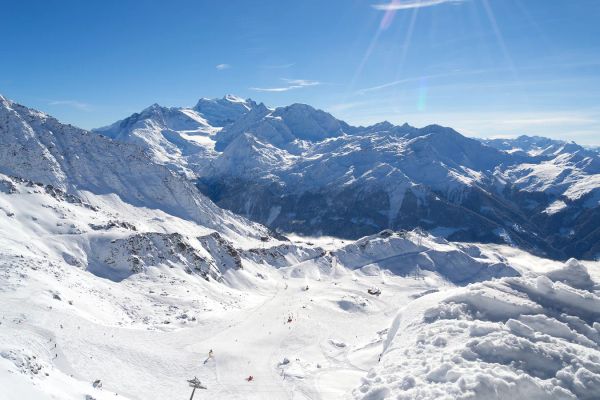
The Risks of Backcountry Skiing
The incident occurred in unpatrolled terrain between two of Niseko's major resort areas. While Niseko is renowned for its deep powder snow and attracts thousands of international visitors each season, the backcountry areas surrounding the resort require proper equipment, knowledge, and awareness of conditions.
Backcountry skiing involves accessing terrain outside of resort boundaries where there are no ski patrols, no avalanche control measures, and limited emergency response capabilities. While Hurst was travelling in a group - a fundamental safety practice - the incident demonstrates that even with proper precautions, medical emergencies can occur in remote mountain environments.
Parts of Japan have experienced unprecedented snowfall levels this season, which while creating excellent skiing conditions, can also increase risks for those venturing into unpatrolled areas.
Tributes Flow for Young Skier
In a heartbreaking tribute posted online by a family friend, Hurst was remembered as the "healthiest, good looking but most humble child, young man, we knew."
"No mother wants to have to be the one to tell you the news your childhood best friend passed away having a heart attack on the slopes of Japan," the friend wrote.
"Knowing he died doing the sport he loved the most makes us happy knowing you left this world in full action. Taken way too soon."
The tributes paint a picture of a young man who had found his passion in the mountains and was living his dream working in one of the world's most sought-after ski destinations. Niseko has become a second home for many Australians, with thousands making the annual pilgrimage to Hokkaido's powder fields each winter.
Consular Support Provided
The Department of Foreign Affairs and Trade confirmed it is providing consular assistance to Hurst's family, including support with funeral arrangements and potential repatriation of remains.
"We send our deepest condolences to the family at this difficult time," a DFAT spokesperson said. "Owing to our privacy obligations we are unable to provide further comment."
Consular assistance in these circumstances typically includes liaison with local authorities, support navigating foreign legal and medical systems, and help coordinating the return of remains to Australia.
Second Australian Death in Days
The incident comes just days after 22-year-old Brooke Day from Queensland's Sunshine Coast died in a chairlift accident at Tsugaike Mountain Resort in Hakuba Valley.
Day died on Friday morning when the waist buckle on her avalanche rescue backpack became caught in lift machinery as she attempted to disembark. She was dragged along the snow before being left suspended mid-air, going into cardiac arrest before later dying in hospital.
Ironically, Day had recently completed a three-day avalanche safety course and had been wearing the backpack specifically for safety purposes. Her family revealed she had used that training to help rescue four people from life-threatening situations in the weeks leading up to her death.
"To keep herself and friends safe, Brooke was wearing the Avalanche Rescue backpack on Friday," the family's statement read. "Tragically, it was the Avalanche Rescue backpack that got caught on the ski lift."
A GoFundMe campaign established by friends has raised over $42,000 to support Day's family during this difficult time. Police are currently questioning resort staff and inspecting the lift equipment as part of their investigation into the Tsugaike incident.
Day, like Hurst, had moved to Japan for the ski season and was working as a receptionist at a physiotherapy clinic within Hakuba resort. She was also an active member of the Nambour Toads Rugby Union Club back home.
A Difficult Week for the Australian Ski Community
Both deaths have sent shockwaves through the Australian skiing community and serve as sobering reminders of the risks present in mountain environments. The fact that both incidents occurred within days of each other, and both involved young Australians who had relocated to Japan to pursue their passion for snow sports, makes the losses particularly difficult for the tight-knit community.
Japan's ski resorts have long been a favourite destination for Australian skiers and snowboarders, with the relatively short flight time, reliable snowfall, and affordable lift tickets making it an attractive alternative to European or North American destinations. Thousands of Australians work seasonal jobs at Japanese resorts each winter, with many returning year after year.
These tragic incidents serve as a reminder that whether skiing in-bounds at a resort or venturing into backcountry terrain, mountain environments carry inherent risks that require constant awareness, proper preparation, and sometimes, acceptance that circumstances beyond our control can occur.