TL;DR
A level 4 avalanche in the Ves Canal claimed three lives on 15 February, bringing Italy's season death toll to 25—well above the decade average. The incident occurred on a popular freeride route despite clear warnings about dangerous conditions.
Fatal Avalanche Claims Three Lives on Popular Mont Blanc Route
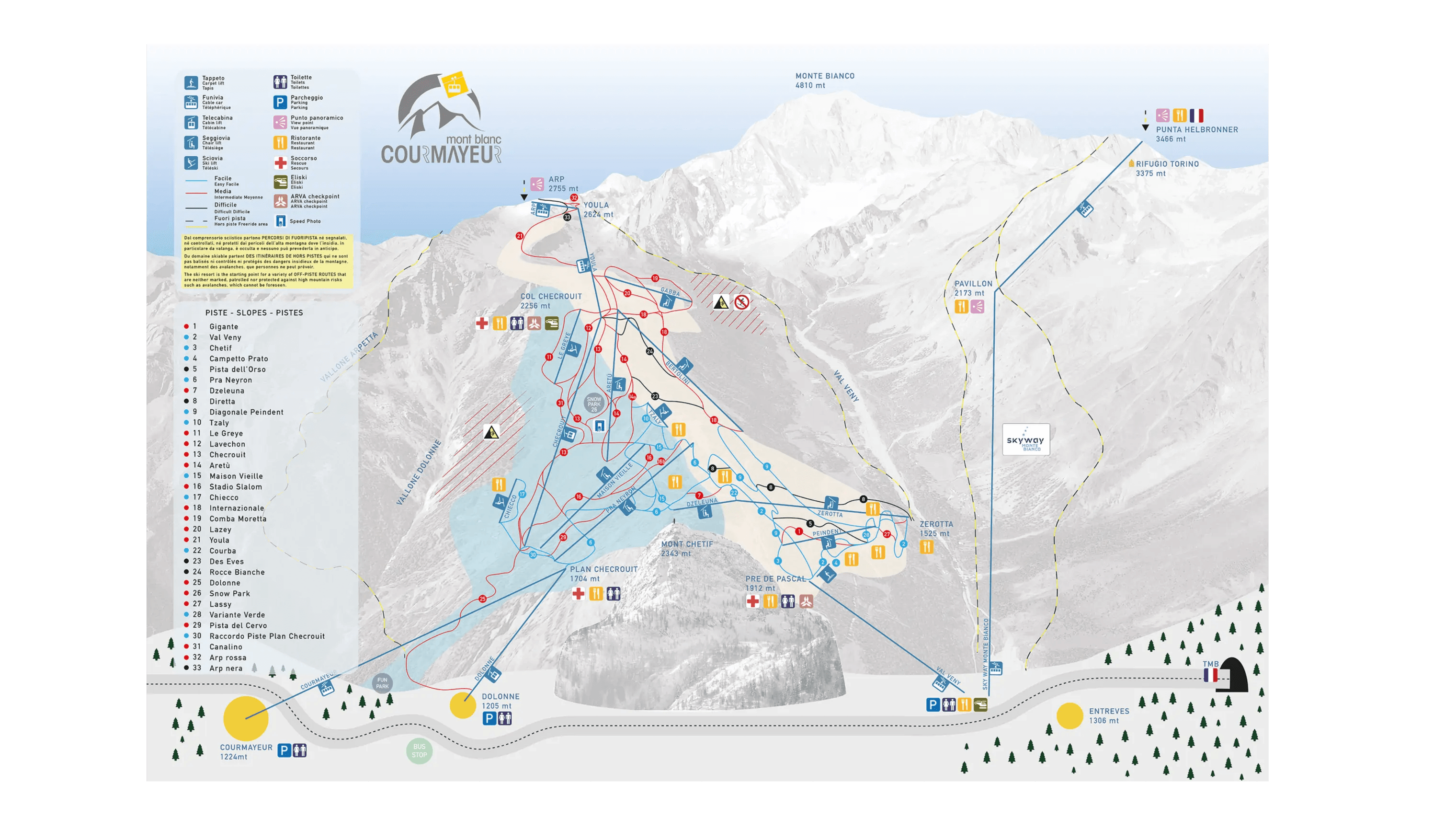
Three experienced freeriders from the Chamonix valley died in an avalanche on 15 February in the Ves Canal, Val Veny, above Courmayeur. The slide occurred around 11 a.m. on a Sunday—peak time for backcountry traffic—on one of the area's most frequented off-piste routes beneath Mont Blanc.
Alexis Rassat (29), Hugo Neuville (31), and Quentin Philippe (35), all from France's Savoie region, were caught in the avalanche despite the bulletin warning of level 4 danger—classified as "strong" on the five-point scale. A yellow alert for wind and avalanche risk had been issued across the entire region. That experienced local riders proceeded into such clearly flagged conditions raises uncomfortable questions about decision-making in familiar terrain.
One victim was found deceased at the scene. The second died at Parini hospital in Aosta despite resuscitation efforts. The third, buried for approximately 40 minutes, was airlifted to Turin's Città della Salute-Molinette hospital but later succumbed to his injuries. The extended burial time likely proved fatal—survival odds drop dramatically after 30 minutes.
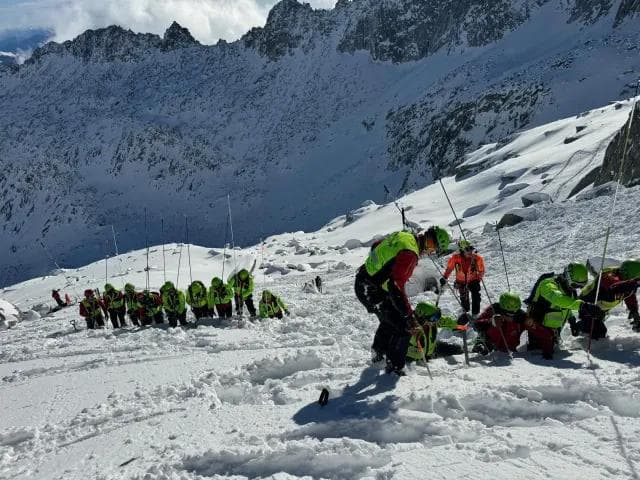
The response involved 15 personnel from Aosta Valley Alpine Rescue (CNSAS Valdostano) and Guardia di Finanza, supported by two doctors, three canine units, and two helicopters. An advanced medical post was established in Courmayeur to coordinate the operation. Rescuers located the first skier using avalanche beacon signals, then recovered the other two. The search concluded after confirming no additional victims were buried.Eyewitnesses who saw the group in the gully moments before the slide immediately raised the alarm, enabling the rapid response. The Entrèves Guardia di Finanza and State Police are investigating the circumstances, though the outcome seems grimly straightforward—experienced skiers made a high-stakes calculation in dangerous conditions and lost.The Ves Canal sits on one of the more popular backcountry routes in the area, which likely contributed to a false sense of security. Familiarity with terrain can breed complacency, particularly when conditions have been stable previously. Level 4 warnings specifically caution against steep slopes—precisely the terrain these skiers were on.